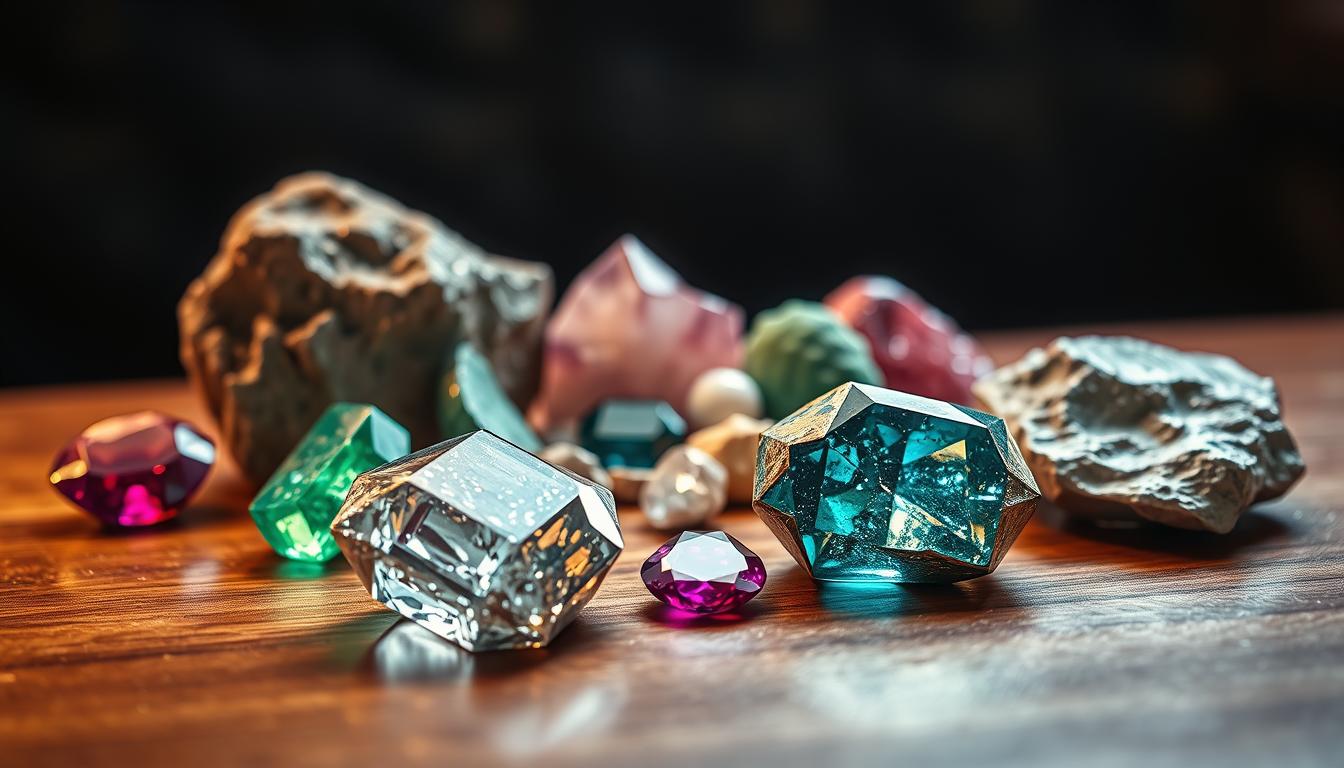
Why Some Rocks Are Worth Money depends on several key factors that transform ordinary stones into valuable treasures. Rarity, beauty, durability, and market demand all play crucial roles in determining whether a rock sitting in your backyard could be worth a small fortune.
The world of valuable rocks extends far beyond diamonds and emeralds. Many collectors and investors seek out specimens based on unique geological formations, historical significance, or simply their stunning natural beauty.
TL;DR
- Meteorites can sell for $300-1,000+ per gram, making them more valuable than gold.
- Rare minerals like painite were once valued at $50,000-60,000 per carat.
- Fossils of complete dinosaur skeletons have sold for over $31 million at auction.
- Precious stones get their value from hardness ratings of 7+ on the Mohs scale and optical properties.
Why Some Rocks Are Worth Money
The fundamental value of rocks comes down to scarcity and human desire. When geological processes create something rare and beautiful, collectors and industries compete for ownership, driving up prices.
Industrial applications also boost rock values significantly. Lithium-bearing rocks have surged in price due to battery manufacturing demands, while rare earth minerals command high prices for electronics production.
Rarity Factor
Geological rarity creates the foundation of rock value. Some minerals form only under extremely specific conditions that occurred once in Earth’s history, making specimens incredibly scarce.
Geographic limitation adds another layer of rarity. When valuable rocks exist in only one or two locations worldwide, their worth increases dramatically as supplies remain forever limited.
Types of Valuable Rocks and Minerals
Several categories of rocks consistently command high prices in various markets. Understanding these categories helps identify potentially valuable specimens and is essential knowledge covered in our complete guide to determining rock value.
Precious Gemstones
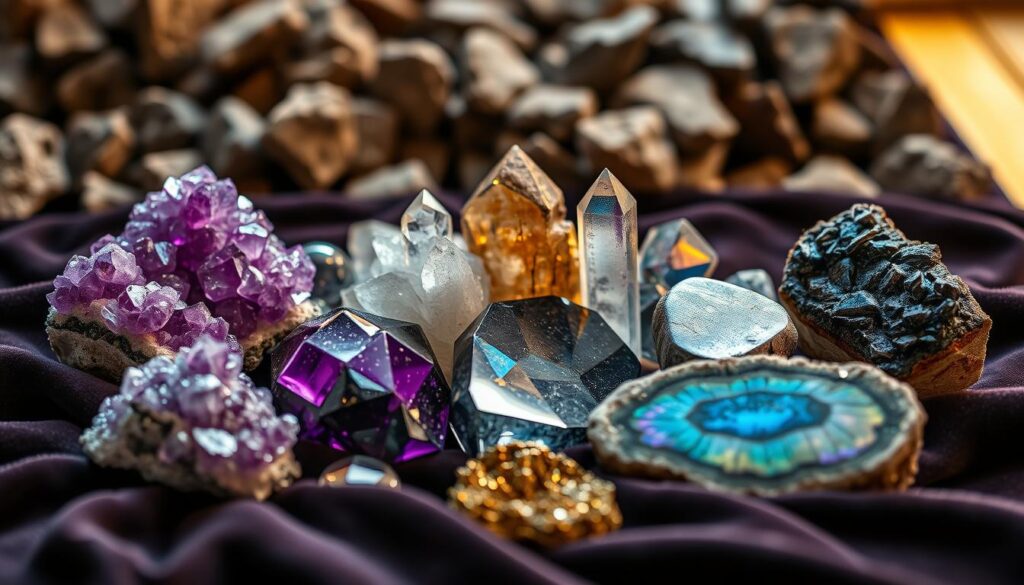
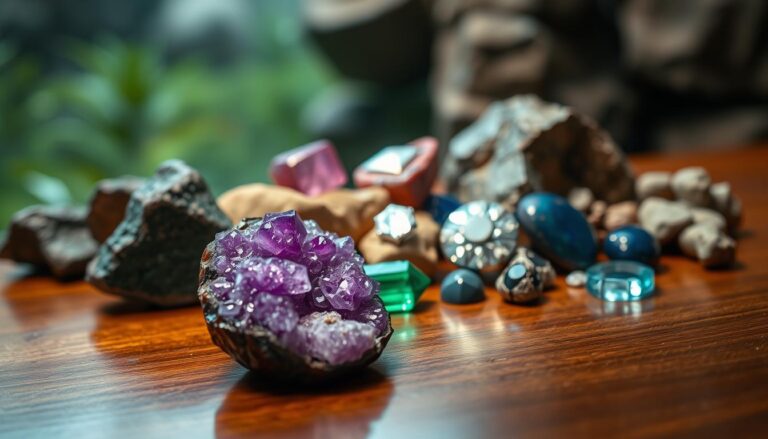
The traditional precious stones – diamonds, rubies, sapphires, and emeralds – maintain their value through hardness, beauty, and cultural significance. These gems resist scratching and maintain their brilliance over centuries.
- Diamonds – valued for industrial cutting applications and jewelry, with rare colored diamonds reaching millions per carat.
- Rubies and Sapphires – both varieties of corundum, prized for their hardness and vibrant colors.
- Emeralds – beryl crystals with chromium inclusions creating their green color, often more valuable than diamonds of similar size.
Rare Minerals
Some minerals exist in such tiny quantities that museum specimens sell for enormous sums. Collectors pay premium prices for clean, well-formed crystals of these rare species, and many of these can be found naturally in locations covered in our guide to common gemstones found in the United States.
- Painite – once considered the world’s rarest mineral with fewer than 25 known specimens.
- Jadeite – the most valuable form of jade, with top-quality specimens selling for over $20,000 per carat.
- Red Beryl – found only in Utah, with gem-quality stones rarer than diamonds.
Meteorites
Space rocks carry both scientific value and collector appeal. Mars and Moon meteorites command the highest prices due to their extreme rarity and research importance.
Pallasites, which contain olivine crystals in an iron-nickel matrix, create stunning specimens when cut and polished. These meteorites often sell for hundreds of dollars per gram.
Rock Identification Tip
Test suspected meteorites with a magnet first – most contain iron and will be attracted. Then check for a fusion crust, the dark outer layer formed during atmospheric entry.
Factors That Determine Rock Value
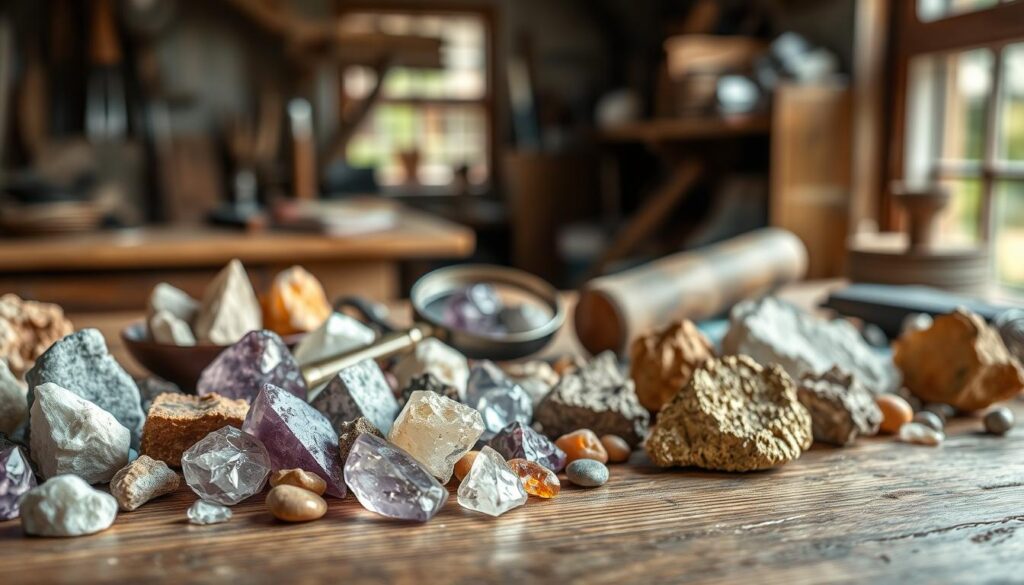
Multiple characteristics work together to establish a rock’s market worth. Professional appraisers consider these factors when determining fair market value, and understanding these principles is crucial for anyone interested in what makes a rock collectible.
Physical Properties
Hardness, measured on the Mohs scale, directly impacts durability and therefore value. Gems scoring 7 or higher resist everyday wear and maintain their appearance over time.
Color intensity and clarity significantly affect pricing. Vivid, saturated colors typically command higher prices than pale or muddy tones, while clarity affects how light travels through transparent stones. However, beginners should be aware that some common rocks are often mistaken for valuable gemstones.
Size and Quality
Larger specimens generally bring higher total values, but price per unit weight often increases exponentially with size. A 5-carat diamond costs far more than five 1-carat diamonds of similar quality.
Crystal formation quality matters enormously. Well-formed, undamaged crystals with distinct faces sell for much more than broken or poorly developed specimens.
Provenance and Documentation
Documented origin adds significant value, especially for rare minerals or meteorites. Chain of custody documentation and scientific analysis reports boost collector confidence and resale value.
Famous locality specimens often carry premium pricing. Rocks from type localities where minerals were first discovered hold special significance for collectors and museums.
Market Demand and Investment Potential
Current market trends heavily influence rock values. Industrial demand for lithium, cobalt, and rare earth elements has created new categories of valuable geological specimens.
Investment-grade rocks typically hold value better than purely decorative specimens. Serious collectors focus on scientifically significant pieces that museums and research institutions might want to acquire, and proper storage is essential as outlined in our guide to storing rocks and crystals without damage.
Collector Markets
Mineral collecting communities drive demand for specific types and localities. Online forums and mineral shows create liquid markets where prices adjust based on supply and collector interest.
Museum-quality specimens command the highest prices because institutions compete for display pieces. These rocks often become permanent parts of collections, removing them from circulation forever.
Frequently Asked Questions
How can I tell if a rock I found is valuable?
Start with basic tests like hardness, magnetism, and weight. Then research the geology of your area to see what valuable minerals might occur there, and consider professional identification if tests suggest something unusual.
What makes meteorites so expensive?
Meteorites are rare because most burn up completely in Earth’s atmosphere. Those that survive and can be recovered represent material from asteroids, the Moon, or Mars, making them scientifically invaluable and highly sought after by collectors.
Are synthetic gems worth as much as natural ones?
Generally no – synthetic gems typically sell for 10-30% of natural gem prices. However, some lab-created stones with perfect clarity and color can still command significant prices for jewelry use.
Where should I sell valuable rocks if I find them?
Options include mineral dealers, auction houses, rock and gem shows, and online auction platforms. Get professional appraisals first, and consider the specimen’s scientific importance – museums sometimes pay well for research-quality material.
Final Thoughts
Why Some Rocks Are Worth Money ultimately comes down to the intersection of natural rarity and human fascination with Earth’s geological treasures. Whether driven by scientific curiosity, industrial necessity, or simple beauty, valuable rocks represent millions of years of planetary history concentrated into collectible specimens.
The next time you encounter an unusual rock, take a moment to examine its properties – you might be holding a piece of space debris or a rare mineral worth far more than its humble appearance suggests.