Why Some Minerals Are More Collectible Than Others comes down to a fascinating mix of rarity, beauty, and practical factors that make certain specimens highly sought after by collectors worldwide. Understanding these factors can help both new and experienced collectors make informed decisions about which minerals to pursue and why some command premium prices while others remain affordable.
The mineral collecting hobby spans centuries, with collectors ranging from casual enthusiasts to serious investors who view rare specimens as alternative assets. What makes one mineral worth thousands while another similar-looking specimen sells for just a few dollars involves multiple interconnected factors that we’ll explore in detail.
TL;DR
- Rarity drives 80% of mineral values, with specimens from closed mines commanding 300-500% higher prices than common varieties.
- Crystal quality and size significantly impact collectibility – museum-grade specimens over 5 inches can sell for 10-50 times more than smaller examples.
- Provenance adds substantial value, with specimens from famous localities like Tsumeb, Namibia often worth 200-400% more than similar minerals from other locations.
- Market demand fluctuates based on collector trends, with some minerals experiencing 50-100% price increases when featured in major exhibitions or publications.
Why Some Minerals Are More Collectible Than Others
The collectibility of minerals stems from several key factors that work together to create market value and collector interest. Rarity stands as the most significant driver, but it’s not simply about how uncommon a mineral is in nature.
True collectible rarity often relates to specific combinations of factors rather than absolute scarcity. A mineral might be geologically common but become highly collectible when found in exceptional crystal form, unusual colors, or from particular locations that no longer produce specimens.
Geological Rarity and Formation Conditions
Some minerals form only under extremely specific geological conditions that rarely occur in nature. These conditions might include precise temperature ranges, unique chemical environments, or geological processes that happen infrequently over millions of years.
Minerals requiring multiple rare elements to come together simultaneously become naturally scarce. For example, painite was once considered the world’s rarest mineral because it requires a specific combination of boron, aluminum, calcium, and zirconium under exact formation conditions.
Physical Characteristics That Drive Collectibility
Crystal quality plays a massive role in determining collectibility, with perfect specimens commanding exponentially higher prices than damaged or poorly formed examples. Collectors specifically seek minerals with complete crystal faces, minimal damage, and ideal proportions that showcase the mineral’s natural geometry.
Size matters significantly in mineral collecting, but bigger isn’t always better. The ideal size depends on the specific mineral – some are prized as thumbnail specimens while others need substantial size to display their best characteristics properly.
Color and Optical Properties
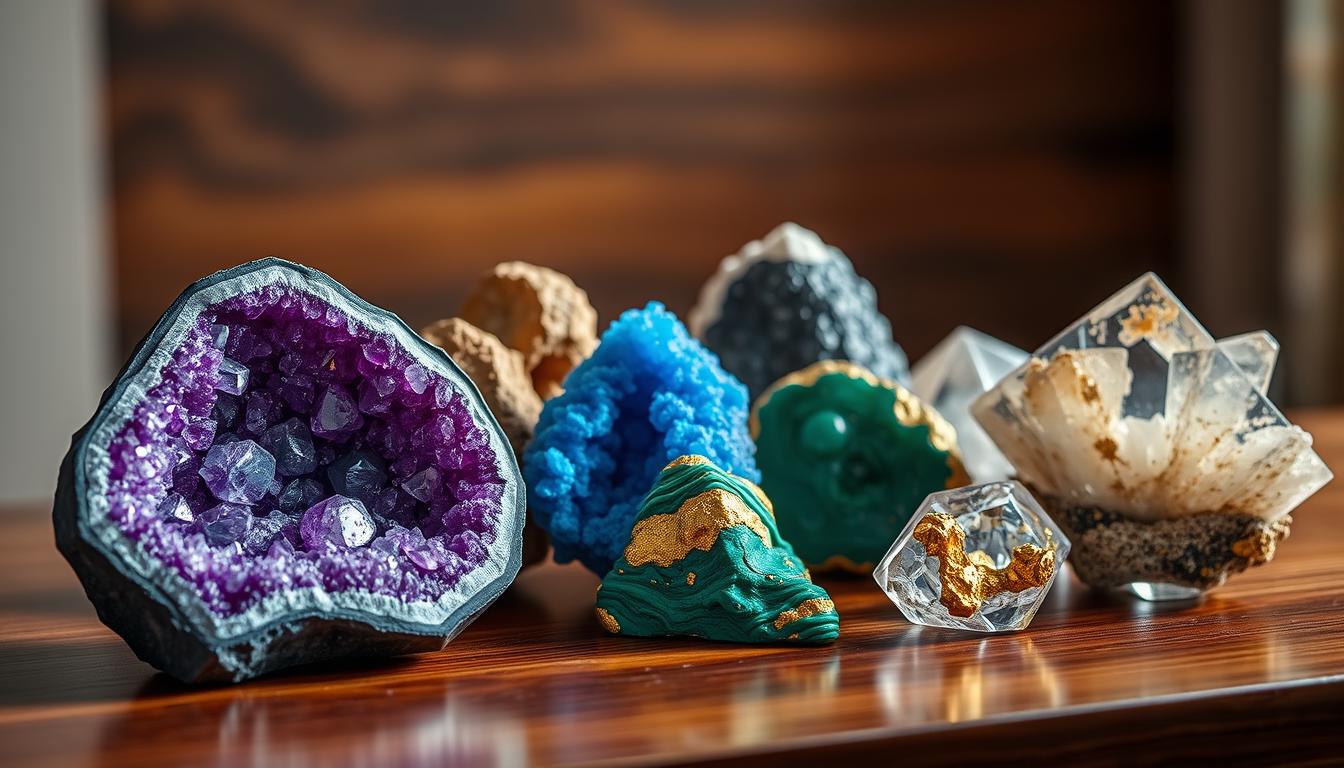
Exceptional color varieties of common minerals often become more collectible than rare but visually unremarkable species. Vivid blues, deep reds, and unusual color combinations catch collectors’ eyes and drive demand far beyond what rarity alone would suggest.
Optical phenomena like fluorescence, phosphorescence, or pleochroism add significant collectible value. Minerals that display multiple colors under different lighting conditions or exhibit internal light effects become conversation pieces that collectors actively seek.
- Fluorescence – minerals that glow under UV light, like willemite or fluorite
- Chatoyancy – cat’s eye effects seen in minerals like tiger’s eye
- Asterism – star effects visible in some sapphires and garnets
- Iridescence – rainbow colors in minerals like labradorite or bismuth
Location and Provenance Impact
The specific locality where a mineral specimen originates dramatically affects its collectibility and market value. Famous mineral localities develop reputations for producing exceptional quality specimens that command premium prices long after the locality stops producing.
Closed mines or restricted access locations create immediate scarcity that drives up values for existing specimens. When a productive locality becomes inaccessible, every specimen from that location becomes part of a finite supply that can only decrease over time.
Historical Mining Operations
Classic localities like the Tsumeb mine in Namibia, the Bingham Canyon in Utah, or the Broken Hill mines in Australia produced legendary specimens that define quality standards for their respective mineral species. Specimens from these locations carry premium values because of their proven quality and historical significance.
Many famous localities produced their best specimens decades ago when mining operations focused on different extraction methods. Modern industrial mining often destroys crystal specimens that earlier operations would have preserved, making historical specimens increasingly valuable.
Research Before You Buy
Always verify locality information and ask for documentation when purchasing expensive specimens. Reputable dealers provide detailed provenance information that significantly impacts long-term value.
Market Dynamics and Collector Trends
Collector preferences shift over time, creating waves of demand that can dramatically impact mineral values. Social media, museum exhibitions, and influential collectors can spark interest in previously overlooked species or varieties.
The rise of micro-mounting as a collecting specialty has created strong markets for tiny but perfect crystal specimens that were once considered too small for serious collecting. This trend has made exceptional small specimens surprisingly valuable.
Investment Potential
Some collectors approach minerals as alternative investments, focusing on species and specimens most likely to appreciate in value. This investment interest tends to concentrate on the highest quality examples of already rare minerals from famous localities.
Market liquidity varies enormously between different types of mineral specimens. Common but beautiful minerals maintain steady markets, while extremely rare specimens may appreciate significantly but prove difficult to sell quickly when needed.
- Research market history. Study price trends for specific minerals and localities over several years.
- Focus on quality over quantity. One exceptional specimen often outperforms several average ones in terms of value retention.
- Document everything. Maintain detailed records of provenance, purchase information, and any relevant geological data.
- Network with dealers and collectors. Building relationships provides access to better specimens and market intelligence.
Scientific and Educational Value
Minerals with significant scientific importance often maintain strong collector interest regardless of their visual appeal. Type specimens, unusual crystal habits, or minerals that demonstrate important geological processes attract both institutional and private collectors.
Educational value adds another layer of collectibility, particularly for minerals that clearly illustrate crystallographic principles, chemical relationships, or geological formation processes. These specimens serve dual purposes as collectibles and learning tools.
Research Applications
Some minerals gain collectible status because of their importance to ongoing scientific research or industrial applications. As technology advances, previously overlooked mineral species sometimes become highly sought after for their unique properties.
Museums and universities compete with private collectors for the finest research-quality specimens, creating additional demand pressure that drives up values for exceptional examples of scientifically important minerals.
Frequently Asked Questions
What makes a mineral specimen museum quality?
Museum quality specimens feature perfect crystal formation, exceptional size for the species, vivid colors, and complete crystal faces with minimal damage. They must also have verified provenance and represent the finest examples of their type.
Are synthetic minerals collectible?
Synthetic minerals have limited collectibility compared to natural specimens, though some synthetic varieties like Verneuil rubies have historical value. Most collectors prefer natural minerals for their geological significance and rarity.
How do I verify a mineral’s authenticity and locality?
Work with reputable dealers who provide documentation, compare specimens to known examples from the claimed locality, and consider professional testing for expensive pieces. Join mineral clubs to learn identification skills from experienced collectors.
Which mineral types appreciate most in value?
High-quality specimens from closed localities typically appreciate most, especially those featuring exceptional crystal development, rare color varieties, or historical significance. Investment potential varies significantly based on rarity and market demand.
Should beginners focus on expensive rare minerals?
New collectors should start with affordable specimens to develop identification skills and learn market values. Building knowledge through common minerals provides the foundation needed to eventually evaluate rare and expensive specimens accurately.
Final Thoughts
Why Some Minerals Are More Collectible Than Others ultimately comes down to the perfect combination of rarity, beauty, provenance, and market timing that creates lasting appeal among collectors. Understanding these factors helps collectors make informed decisions and build collections that provide both personal enjoyment and potential value appreciation.
Start by focusing on what genuinely interests you rather than chasing market trends, as passion for the hobby creates the best foundation for long-term collecting success. Whether you’re starting your first collection or looking to understand proper storage and display methods for valuable specimens, remember that the most important factor is choosing minerals that speak to your personal interests and collecting goals.