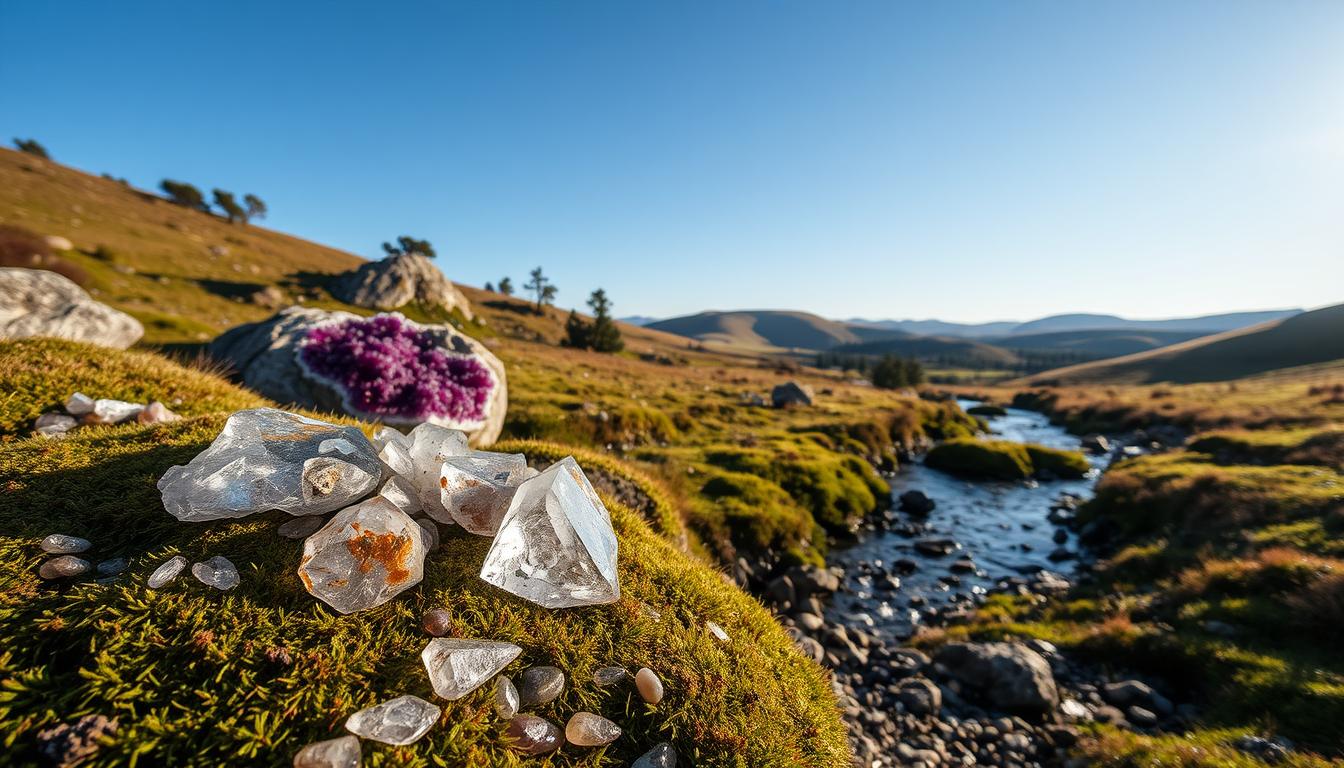
Where To Find Minerals In Nature opens up a world of geological treasure hunting that anyone can explore. Whether you’re a beginner rockhound or someone looking to start a new outdoor hobby, understanding where minerals naturally occur helps you plan successful collecting trips.
The key to finding quality mineral specimens lies in knowing which geological environments produce the best results. From abandoned quarries to stream beds, nature provides countless opportunities to discover beautiful crystals, gemstones, and unique rock formations.
TL;DR
- Pegmatite formations contain over 400 different mineral species including quartz, feldspar, and mica in large crystal sizes.
- Stream beds and gravel bars concentrate heavy minerals like garnets and gold through natural sorting over thousands of years.
- Abandoned mines and quarries often have tailings piles with 50-80% more exposed minerals than undisturbed rock faces.
- Contact zones between different rock types produce rare minerals through metamorphic processes spanning millions of years.
Where To Find Minerals In Nature
Natural mineral deposits form through specific geological processes that concentrate different elements in predictable locations. Understanding these formation patterns helps you target the most productive collecting areas instead of searching randomly.
The best mineral hunting spots typically involve some type of geological disturbance or concentration process. These locations expose fresh rock surfaces or naturally sort minerals by density and hardness.
Rock Quarries and Mining Sites
Active and abandoned quarries rank among the most productive mineral collecting locations. These sites expose fresh rock faces and create large piles of broken material that reveal internal crystal structures.
Always obtain permission before entering any quarry property, as many remain privately owned even after operations cease. Safety equipment including hard hats, safety glasses, and sturdy boots are essential – having the right tools makes collecting both safer and more productive.
- Limestone quarries – produce calcite crystals, fluorite, and pyrite specimens.
- Granite quarries – yield quartz, feldspar, mica, and tourmaline crystals.
- Basalt quarries – contain zeolite minerals, agate, and volcanic glass.
- Sandstone quarries – offer iron oxide minerals and cemented quartz specimens.
Tailings Piles and Waste Rock
Mining waste piles often contain better specimens than the original workings because blasting fractures expose crystal faces. These areas concentrate minerals that weren’t economically viable during active operations.
Focus your search on weathered surfaces where softer host rock has eroded away, leaving harder mineral crystals exposed. Early morning light helps identify crystal faces and metallic lusters.
Stream Beds and Waterways
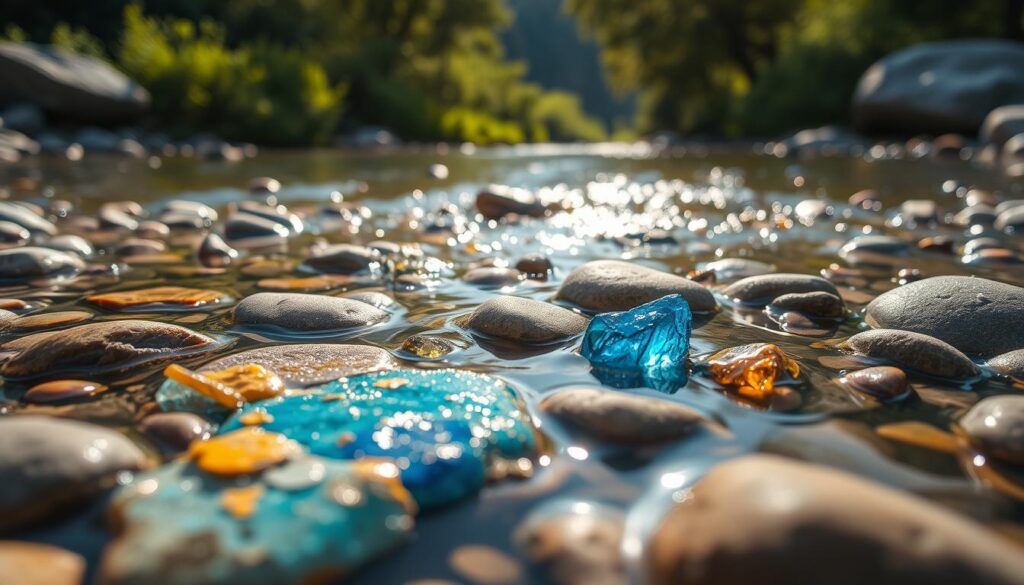
Moving water naturally sorts minerals by density and hardness, creating concentrated deposits in specific stream locations. Heavy minerals settle in calm water areas while lighter materials wash downstream.
The most productive stream collecting happens after spring floods or heavy rains when new material gets exposed. Look for areas where the current slows down, such as inside bends and behind large rocks.
- Gravel bars – concentrate garnets, magnetite, and gold flakes.
- Bedrock cracks – trap heavy minerals during high water periods.
- Downstream from hard rock areas – collect eroded crystal fragments.
- Creek confluences – mix minerals from different drainage areas.
Placer Deposits
These stream-deposited concentrations form over thousands of years as water sorts minerals by specific gravity. Dense minerals like gold, platinum, and gemstones settle quickly while quartz and feldspar continue downstream.
Pan gravels from inside stream bends where water velocity decreases, allowing heavy minerals to drop out of suspension. Black sand concentrations often indicate valuable heavy mineral deposits nearby.
Pegmatite Formations
Pegmatites represent some of the richest mineral collecting locations because they form from the last liquid portions of cooling granite magma. This process concentrates rare elements and allows large crystal growth over extended time periods.
These formations typically appear as light-colored dikes cutting through darker country rock. The contrast makes them easy to identify in the field, and they often weather differently than surrounding rock.
- Locate the pegmatite body. Look for coarse-grained, light-colored rock with visible crystals larger than your thumb.
- Examine the contact zones. The edges where pegmatite meets country rock often contain the best crystal pockets.
- Search for cavities. Natural openings in pegmatites preserve perfect crystal faces protected from weathering.
- Check fractured areas. Cracks and joints expose fresh surfaces where crystals remain undamaged.
Metamorphic Contact Zones
Areas where different rock types meet often produce unique minerals through metamorphic processes. Heat and pressure at these boundaries create new mineral assemblages not found in either original rock type.
Contact metamorphism occurs when hot magma intrudes into existing rock, creating zones of altered minerals around the intrusion. These areas frequently contain rare specimens formed under specific temperature and pressure conditions.
Best Times for Mineral Collecting
Visit collecting sites after rainfall when dirt and debris wash away from crystal surfaces. Early morning provides the best lighting conditions for spotting crystal faces and metallic reflections.
Volcanic Areas
Volcanic regions produce distinctive minerals through rapid cooling processes and gas bubble formation. Lava flows create cavities where crystals grow undisturbed, while ash deposits preserve delicate specimens.
Focus on older volcanic formations where weathering has exposed internal structures. Fresh lava flows rarely contain well-formed crystals because cooling happened too quickly for proper crystal growth.
Amygdaloidal Basalt
These vesicular volcanic rocks contain gas bubble cavities filled with secondary minerals like agate, zeolites, and calcite. The bubbles create natural crystal-growing chambers protected from external forces.
Look for rounded or almond-shaped cavities in dark volcanic rock. Many contain multiple generations of mineral growth, creating beautiful banded or layered specimens.
Desert Collecting Areas
Arid environments preserve minerals that would dissolve or alter in wetter climates. Desert collecting offers opportunities to find water-soluble minerals and delicate crystal structures intact.
The lack of vegetation and soil cover in deserts exposes rock formations directly, making mineral identification easier. Seasonal washes concentrate specimens from large drainage areas into accessible locations.
- Dry lake beds – contain evaporite minerals like halite and gypsum.
- Desert pavements – concentrate resistant minerals through wind sorting.
- Alluvial fans – spread minerals from mountain sources across flat areas.
- Caliche layers – preserve minerals through chemical precipitation processes.
Frequently Asked Questions
Do I need permission to collect minerals on public land?
Most public lands allow recreational mineral collecting for personal use without permits. However, some areas like national parks prohibit all collecting, so check local regulations before visiting.
What tools do I need for mineral collecting?
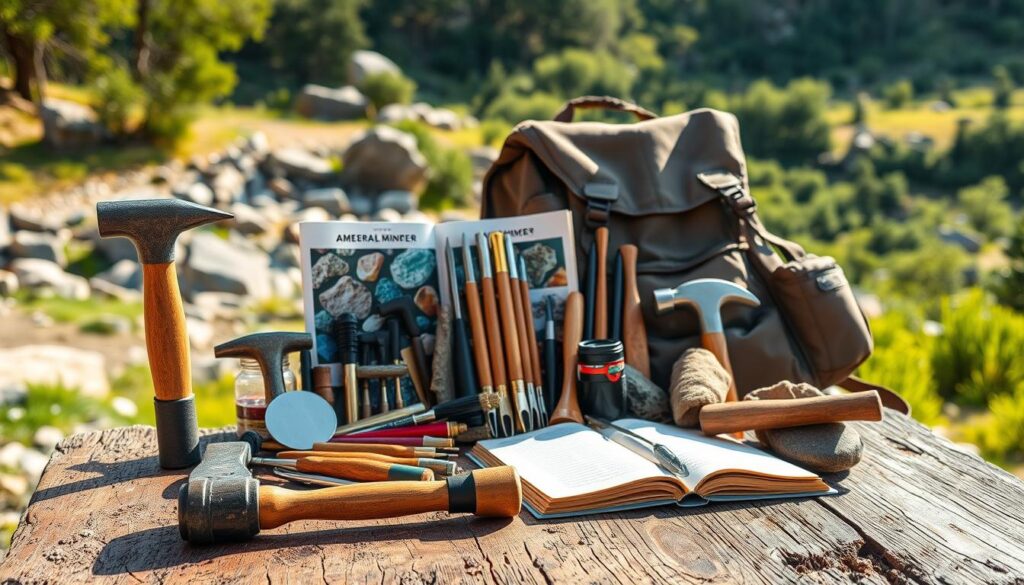
Basic tools include a rock hammer, chisel, safety glasses, collecting bags, and a field guide for identification. A GPS device helps mark productive locations for future visits.
How can I identify minerals I find in the field?
Use physical properties like hardness, crystal shape, color, and luster for field identification. A magnifying glass helps examine crystal faces and surface features more closely.
Are there safety concerns when collecting minerals?
Yes, always wear safety equipment and inform someone of your collecting plans. Avoid unstable rock faces, abandoned mine shafts, and areas with loose overburden that could shift unexpectedly.
When is the best time of year for mineral collecting?
Spring and fall offer the most comfortable collecting conditions in most regions. Spring provides fresh exposures from winter freeze-thaw cycles and increased water flow in streams.
Final Thoughts
Where To Find Minerals In Nature becomes easier once you understand the geological processes that create and concentrate mineral deposits. Each type of formation offers unique collecting opportunities based on the specific conditions that formed them.
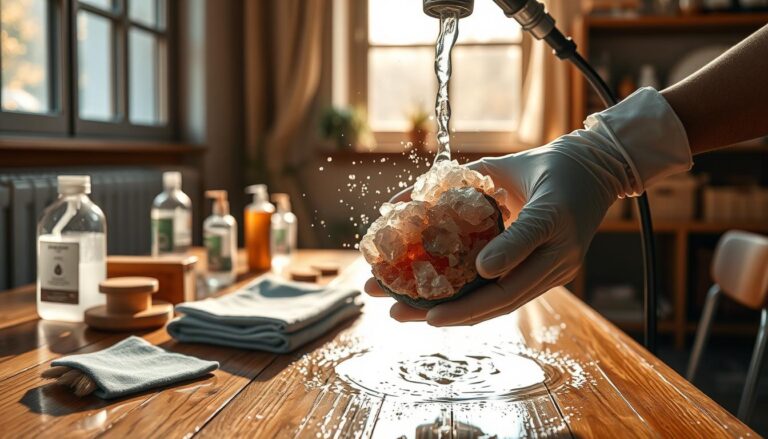
Start with easily accessible locations like local quarries or stream beds to develop your identification skills and collecting techniques. Once you find specimens, learning proper cleaning methods and storage techniques will help preserve your discoveries. Success in mineral collecting comes from understanding geology, persistence, and knowing where to look. The U.S. Geological Survey provides additional resources for understanding mineral formations and regulations for mineral collecting on public lands.