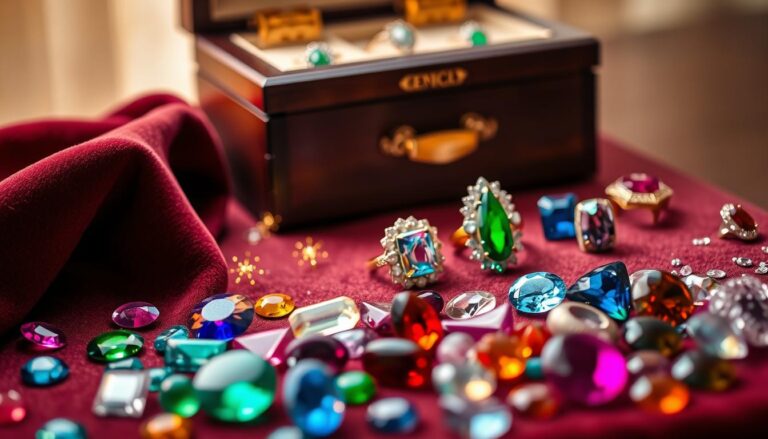
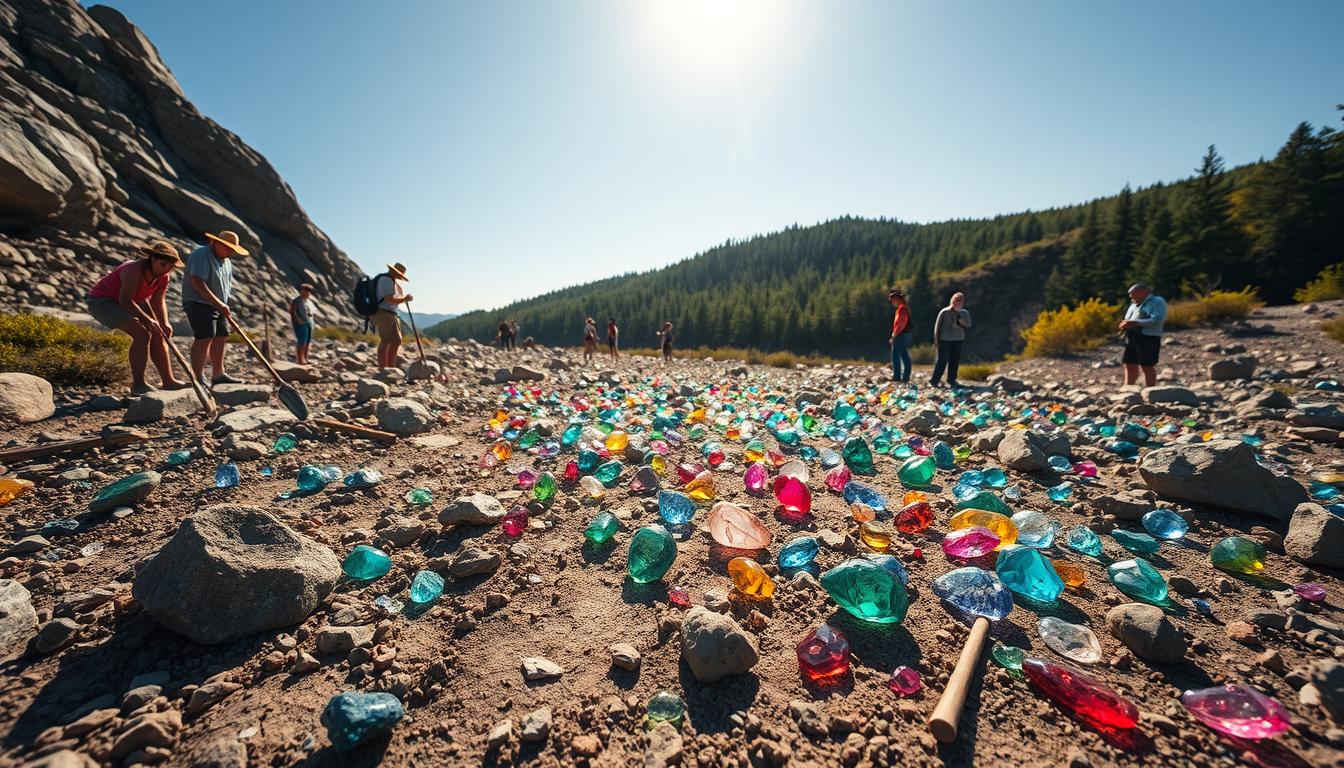
Where Collectors Find Gemstones is a question that sparks excitement among both beginners and seasoned rock hounds. The thrill of discovering a beautiful specimen in nature or finding that perfect piece to complete a collection drives enthusiasts to explore diverse hunting grounds around the world.
From public mining sites to specialized dealers, gemstone collectors have numerous options for building their collections. Each source offers unique advantages, whether you’re seeking raw specimens for study or polished gems for display.
TL;DR
- Over 40 states in the US have fee-dig mines where you can hunt for gems for $15-50 per day.
- Rock shops typically mark up gemstones 200-400% from wholesale prices, making gem shows better for serious collectors.
- The Tucson Gem and Mineral Show hosts over 4,000 dealers across 45+ venues each February.
- Online auction sites like eBay see over 500,000 gemstone listings at any given time, requiring careful authentication.
Where Collectors Find Gemstones in the Wild
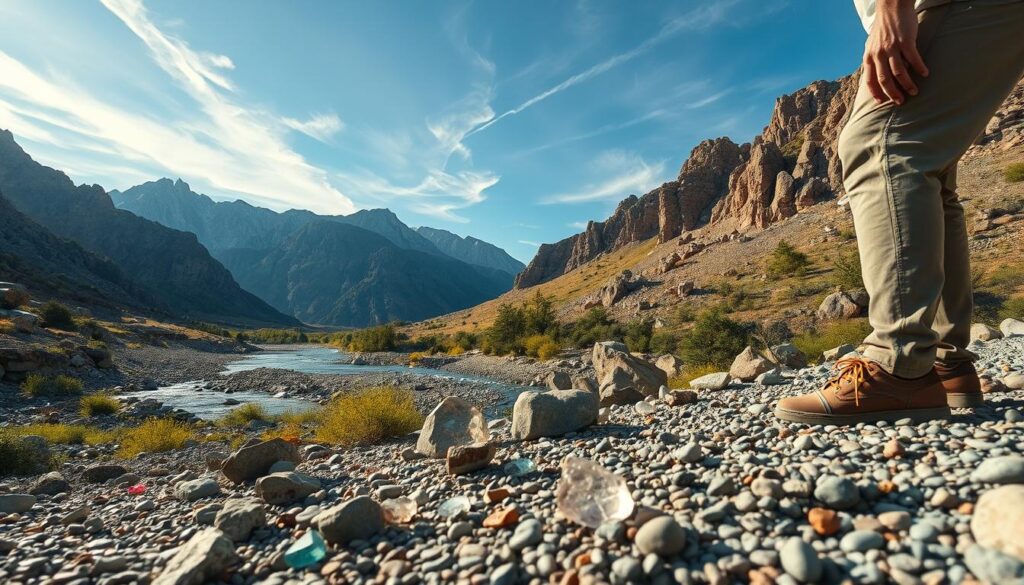
Public mining locations offer the most authentic gemstone hunting experience for collectors. These fee-dig sites operate across the United States, with concentrated areas in North Carolina, Arkansas, Montana, and Maine providing access to diverse mineral specimens.
North Carolina leads the nation with famous locations like the Cowee Valley mines for sapphires and Franklin area for garnets and rubies. These sites typically charge daily fees ranging from $20 to $50 and provide basic tools or equipment rental.
Popular Fee-Dig Mining Locations
- Emerald Hollow Mine, North Carolina – The only public emerald mine in the US, offering guaranteed finds.
- Crater of Diamonds State Park, Arkansas – Famous for diamond discoveries, with a 40-acre search area.
- Gem Mountain Sapphire Mine, Montana – Known for producing high-quality sapphires in various colors.
- Oceanview Mine, Maine – Excellent source for tourmaline specimens and other Maine minerals.
Beach combing represents another natural hunting ground, particularly along the Pacific Coast for agates and jasper. Oregon beaches yield exceptional specimens after winter storms, while California beaches offer access to jade and serpentine.
Gem and Mineral Shows
Gem shows provide collectors with access to thousands of dealers and specimens under one roof. These events range from small local club shows to massive international exhibitions that attract collectors worldwide.
The Tucson Gem and Mineral Show stands as the premier North American event, featuring everything from museum-quality specimens to affordable starter pieces. Dealers travel from six continents to participate in this month-long extravaganza each February.
Types of Gem Shows
- Local Club Shows – Typically 20-50 dealers, focus on regional specimens and beginner-friendly prices.
- Regional Shows – 100-300 dealers, broader selection including international specimens.
- Major Shows – 500+ dealers, rare specimens, wholesale opportunities, and educational programs.
- Specialized Shows – Focus on specific materials like fossils, meteorites, or crystals.
Show Shopping Strategy
Visit gem shows on the last day for the best deals, as dealers prefer to sell inventory rather than pack it back up. Bring cash for better negotiating power.
Rock Shops and Mineral Dealers
Local rock shops serve as year-round sources for gemstone collectors, offering curated selections and expert knowledge. These establishments typically focus on regional specialties while maintaining inventory of popular collecting materials.
Established mineral dealers often provide authentication services and detailed specimen information that online sources cannot match. Many shops also offer custom cutting and polishing services for rough materials.
Advantages of Local Rock Shops
- Expert Guidance – Shop owners can identify specimens and suggest collection directions.
- Hands-On Inspection – Examine specimens for quality, inclusions, and damage before purchase.
- Local Knowledge – Information about nearby collecting sites and legal access.
- Community Connections – Meet other collectors and learn about club activities.
Online Marketplaces and Auctions
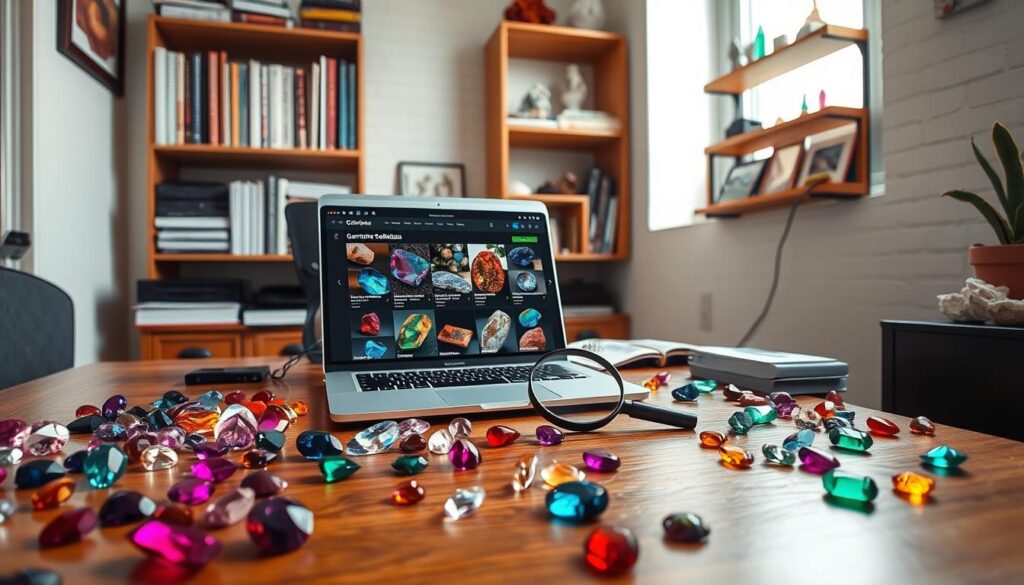
Digital platforms have revolutionized gemstone collecting by connecting collectors with global inventory. Online auctions, specialty websites, and social media groups offer access to specimens that would be impossible to find locally.
eBay dominates the online gemstone market with hundreds of thousands of active listings. However, this platform requires careful evaluation of sellers and detailed photo examination to avoid disappointments, which is why understanding how to tell if a gemstone is real or fake becomes crucial for online purchases.
Online Buying Considerations
- Seller Reputation. Check feedback scores, return policies, and business history.
- Photo Quality. Request additional images showing different angles and any flaws.
- Shipping Costs. Factor in insurance and packaging fees for fragile specimens.
- Authentication Risks. Consider professional appraisal for expensive purchases.
Private Collectors and Estate Sales
Experienced collectors often find their best specimens through private sales and estate dispersals. These sources can yield rare materials and complete collections at reasonable prices.
Estate sales frequently feature collections assembled over decades, offering unique specimens and vintage display pieces. Networking within collector communities provides access to these private sale opportunities.
Mineral Clubs and Societies
Joining local mineral clubs opens doors to private collecting networks and exclusive field trips. Many clubs organize group visits to normally restricted locations like active quarries or private properties.
Club auctions and member sales often feature specimens priced below retail, as collectors prefer selling to fellow enthusiasts rather than commercial dealers. These events also provide authentication through knowledgeable club members and are excellent places for beginners to start their gemstone collecting journey.
International Sources
Global gemstone markets offer access to specimens from famous worldwide localities. Brazil, Madagascar, Pakistan, and Myanmar produce exceptional materials that rarely appear in domestic markets.
Traveling collectors can visit source locations directly, though this requires understanding local regulations and export requirements. Many countries have strict rules about removing geological specimens.
Frequently Asked Questions
What’s the best place for beginning collectors to find gemstones?
Fee-dig mines offer the best beginner experience because they guarantee finds and provide basic instruction. Local rock shops are also excellent for learning while building an initial collection.
How much should I expect to spend at gem shows?
Gem shows accommodate all budgets, with specimens ranging from $5 to thousands of dollars. Most collectors find quality pieces in the $20-100 range at regional shows.
Are online gemstone purchases reliable?
Online purchases can be reliable when dealing with established sellers who offer detailed photos and return policies. Always verify seller reputation and consider insurance for valuable items.
Do I need special equipment for gemstone hunting?
Basic tools include a rock hammer, safety glasses, collection bags, and field notebook. Most fee-dig mines provide screening equipment and basic tools for daily use.
How can I authenticate gemstones before buying?
Learn basic identification techniques through books and courses, use reputable dealers who guarantee their specimens, and consider professional appraisal for expensive purchases.
Final Thoughts
Where Collectors Find Gemstones depends on your experience level, budget, and collecting goals. Fee-dig mines provide authentic discovery experiences, while gem shows offer the widest selection and best prices for serious collectors.
Start with local sources to build knowledge and connections, then expand to specialized shows and online markets as your expertise grows. The key is developing relationships within the collecting community and learning to evaluate specimens effectively regardless of the source. Once you’ve acquired your gems, it’s important to understand how to store and protect your gemstones at home to maintain their value and beauty for years to come.