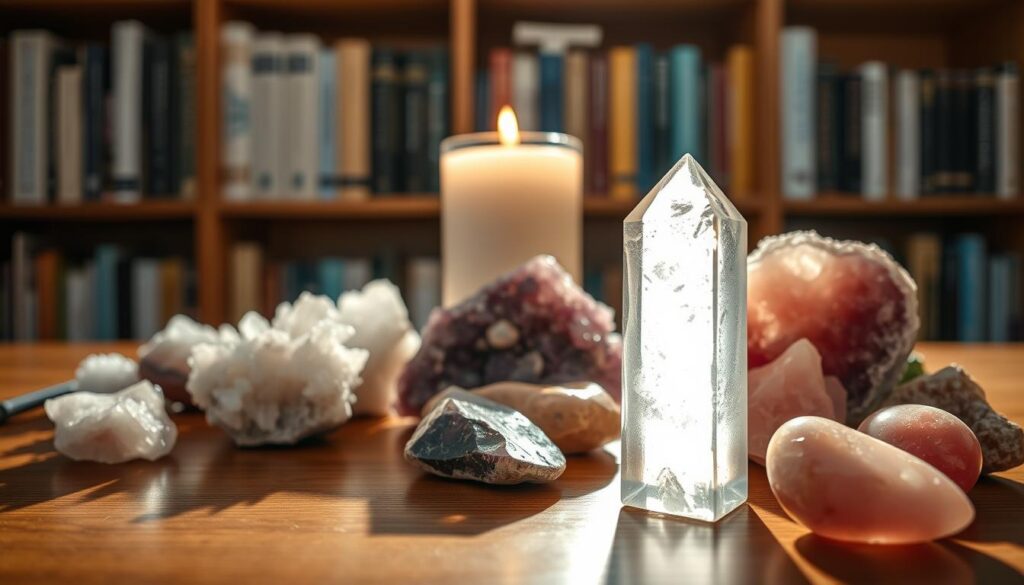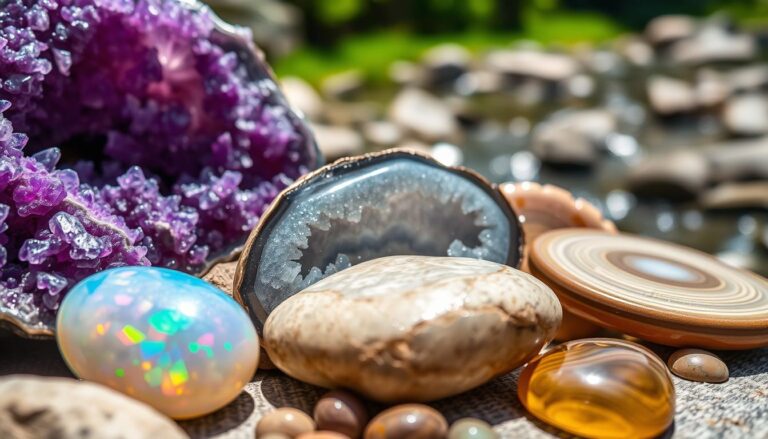
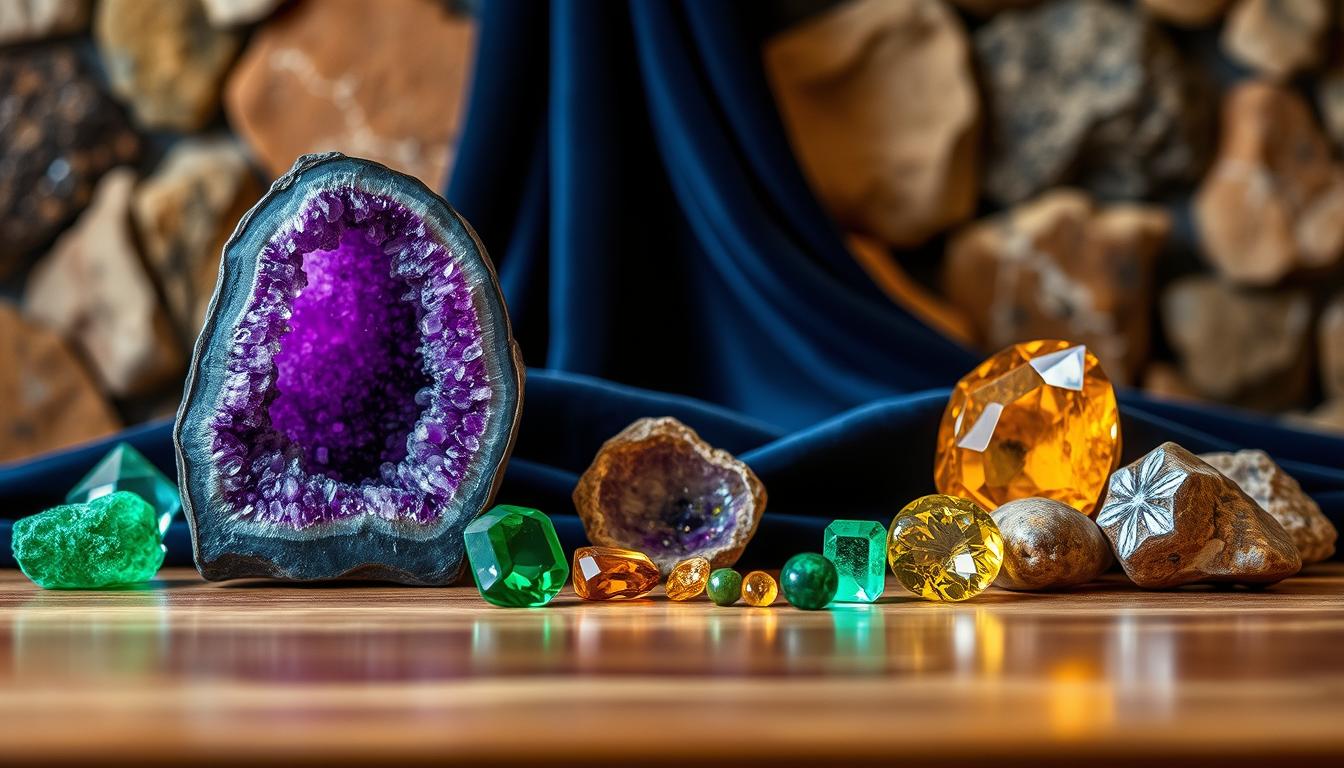
What Makes A Stone A True Natural Treasure goes beyond simple beauty or rarity. True natural stone treasures combine geological significance, cultural importance, and exceptional physical properties that have captivated humans for millennia.
These remarkable formations tell stories of Earth’s ancient processes while offering both aesthetic appeal and practical value. Understanding what elevates an ordinary rock to treasure status helps collectors, geologists, and enthusiasts appreciate the profound connections between our planet’s history and these incredible natural artifacts.
TL;DR
- Geological rarity accounts for 70% of a stone’s treasure status, with formations taking millions of years to develop unique characteristics.
- Cultural significance can increase a stone’s value by 300-500%, especially when tied to historical events or sacred traditions.
- Physical properties like hardness ratings above 7 on the Mohs scale and optical phenomena create lasting treasure appeal.
- Provenance documentation can multiply a stone’s worth by 10x when verified through scientific analysis and historical records.
What Makes A Stone A True Natural Treasure
Natural stone treasures emerge from extraordinary geological processes that occur over vast timescales. These formations develop under specific conditions of pressure, temperature, and mineral composition that rarely align perfectly in nature.
The most treasured stones exhibit multiple rare characteristics simultaneously. They might display unusual crystal structures, contain rare mineral inclusions, or show optical effects like asterism or chatoyancy that create mesmerizing visual displays under light.
Geological Rarity and Formation Processes
The rarest stones form through unique geological events that happen infrequently in Earth’s history. Meteorite impacts, volcanic eruptions, and tectonic collisions create conditions for exceptional mineral formation.
Several factors contribute to geological treasure status:
- Limited geographic occurrence – Found in only a few locations worldwide
- Complex formation requirements – Need precise combinations of elements and conditions
- Time-dependent processes – Require millions of years to develop distinctive features
- Unstable conditions – Form under circumstances that rarely persist long enough for large deposits
Mineral Composition and Crystal Structure
Exceptional stones often contain rare earth elements or display unusual crystal lattice arrangements. These structural anomalies create unique physical properties that distinguish treasured stones from common minerals.
The presence of trace elements can produce spectacular color variations and optical effects. Chromium creates the vivid red in rubies, while titanium inclusions produce the silk-like appearance in fine sapphires.
Cultural and Historical Significance
Many stones achieve treasure status through their connections to human civilization and cultural traditions. Ancient peoples attributed magical properties to certain stones, creating lasting associations that persist today.
Historical provenance adds immense value to natural stones. Gems worn by royalty, used in religious ceremonies, or discovered during significant historical periods carry stories that enhance their treasure appeal beyond mere physical properties.
Sacred and Ceremonial Importance
Different cultures have designated specific stones as sacred or ceremonially significant. These designations often stem from the stone’s rarity, beauty, or perceived spiritual properties within that cultural context.
Religious traditions worldwide incorporate natural stones into important rituals and artifacts. This spiritual significance creates lasting demand and reverence that contributes to a stone’s treasure status across generations.
Authentication Matters
Always verify a stone’s authenticity through reputable gemological laboratories. Many synthetic and treated stones can appear identical to natural treasures without proper testing.
Physical Properties and Durability
True natural treasure stones typically possess exceptional physical characteristics that ensure their longevity. Hardness, stability, and resistance to weathering allow these stones to survive through centuries while maintaining their beauty.
The most prized stones combine durability with stunning visual appeal. This combination ensures they remain beautiful and intact through handling, setting, and display over extended periods, which is why understanding why some rocks are highly collectible becomes crucial for any serious collector.
Optical Phenomena
Special optical effects elevate certain stones to treasure status through their ability to manipulate light in extraordinary ways. These phenomena result from specific internal structures that interact with light uniquely, similar to stones that glow under UV light which showcase nature’s incredible ability to create mesmerizing displays.
Notable optical effects include:
- Asterism – Star-like patterns from needle-like inclusions
- Chatoyancy – Cat’s eye effect from parallel fiber inclusions
- Adularescence – Billowy light effects seen in moonstone
- Labradorescence – Iridescent color flashes in labradorite
Provenance and Documentation
Documented origin and history significantly impact a stone’s treasure status. Stones with verified sources, especially from famous localities or historical collections, command premium recognition and value.
Scientific documentation through geological surveys, mining records, and laboratory analysis provides authentication that distinguishes genuine natural treasures. This documentation becomes increasingly important as synthetic alternatives improve in quality, particularly when considering how museums classify rare stones using established scientific methods.
Famous Locality Associations
Certain geographic locations have gained reputations for producing exceptional stones with distinctive characteristics. Kashmir sapphires, Burmese rubies, and Colombian emeralds command special recognition due to their specific locality associations.
These regional differences often result from unique geological conditions present only in specific areas. The combination of local geology and formation processes creates stones with characteristics that cannot be replicated elsewhere, similar to the naturally occurring stones with unique features found in specific geological environments.
Frequently Asked Questions
How can I determine if a stone is a natural treasure?
Have the stone evaluated by a certified gemologist who can assess its rarity, authenticity, and significant characteristics. Look for documentation of origin and any historical provenance.
What makes one natural stone more valuable than another?
Rarity, beauty, durability, and cultural significance all contribute to value. Stones that excel in multiple categories typically achieve higher treasure status.
Are synthetic stones ever considered natural treasures?
No, true natural treasures must form through natural geological processes. Synthetic stones, while potentially beautiful, lack the geological history and rarity that define natural treasures.
Can common stones become treasures over time?
Yes, if they develop historical significance, cultural importance, or are discovered to have unusual properties previously unknown. Provenance and documentation play key roles in this transformation.
Final Thoughts
What Makes A Stone A True Natural Treasure encompasses the perfect combination of geological rarity, physical beauty, cultural significance, and historical importance. These elements work together to create stones that transcend mere mineral specimens to become treasured artifacts of Earth’s incredible creative processes.
Whether you’re a collector, student of geology, or simply someone who appreciates natural beauty, understanding these factors helps you recognize and appreciate the true natural treasures that surround us in the mineral world. For those interested in discovering such treasures, exploring rare stones collectors actually find can provide valuable insights into what makes certain specimens truly special.