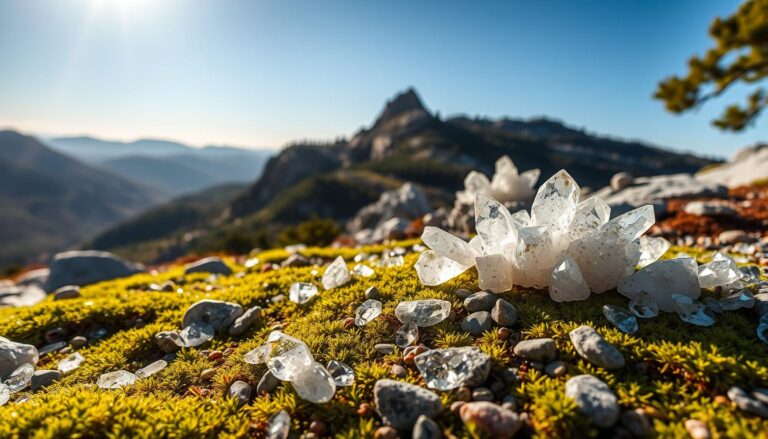
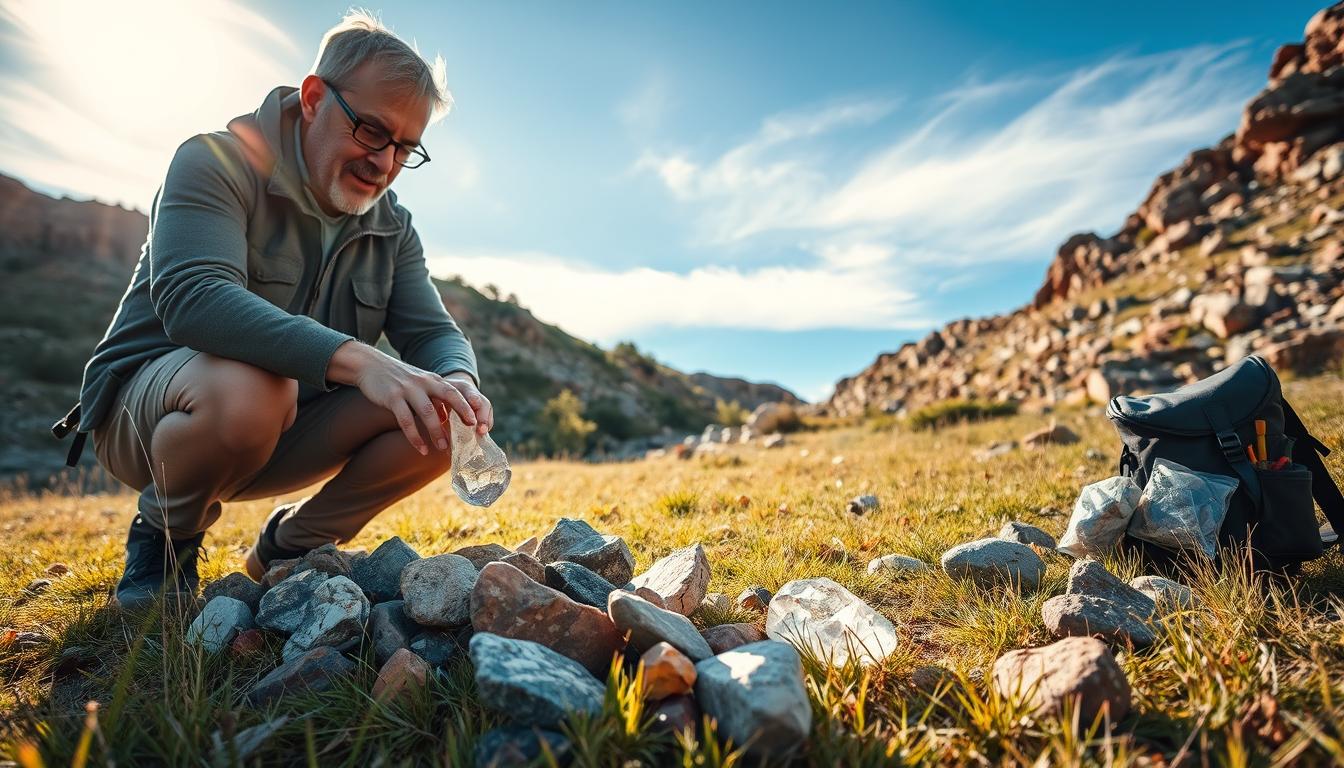
What Makes A Rock Collectible depends on several key factors that transform ordinary stones into valuable specimens worth hunting, trading, and displaying. Understanding these characteristics helps both beginners and experienced collectors identify which rocks deserve a spot in their collection.
The world of rock collecting combines science, art, and treasure hunting into one rewarding hobby. From rare minerals worth thousands of dollars to beautiful specimens you can find in your backyard, knowing what separates collectible rocks from common stones opens up endless possibilities for discovery.
TL;DR
- Rarity increases value – rocks found in limited locations or quantities can be worth 10-100x more than common specimens.
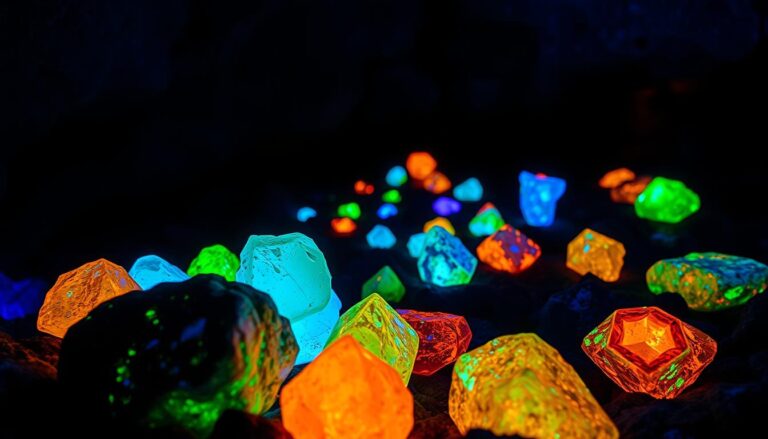
- Perfect crystal formations and unusual colors make rocks highly collectible, especially fluorescent minerals that glow under UV light.
- Size matters – thumbnail specimens (1 inch) are popular for display, while museum-quality pieces over 6 inches command premium prices.
- Documented locality information can triple a specimen’s value compared to unknown origin rocks.
What Makes A Rock Collectible
Several fundamental qualities determine whether a rock becomes a prized collectible or remains just another stone. The most important factors include rarity, beauty, crystal quality, size, and scientific significance.
Collectors worldwide seek specimens that tell a story – whether through their formation process, geographic origin, or unique mineral composition. These characteristics work together to create demand among enthusiasts, museums, and researchers.
Rarity and Geographic Origin
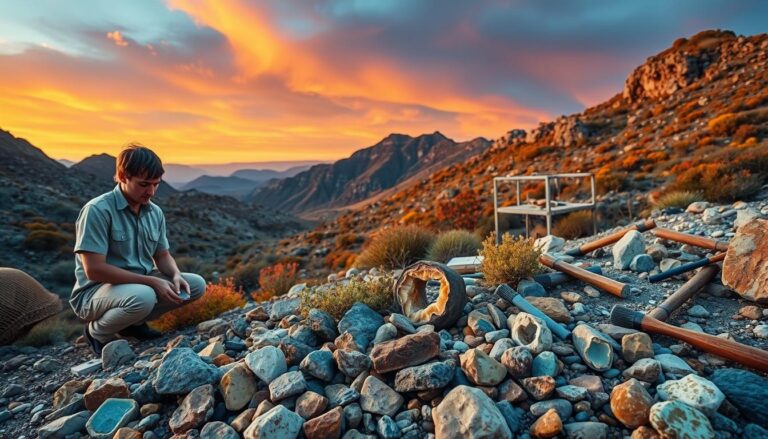
The scarcity principle drives much of rock collecting value. Minerals found only in specific locations become highly sought after, especially when those deposits are exhausted or restricted.
Type localities hold special significance in collecting circles. These represent the first place where a mineral species was discovered and scientifically described, making specimens from these locations extremely valuable to serious collectors.
- Limited deposits – minerals from closed mines or restricted areas increase in value over time.
- Difficult access – specimens from remote or dangerous locations command higher prices.
- Political restrictions – materials from countries that limit mineral exports become more collectible.
- Environmental protection – areas now protected as parks or reserves make older specimens valuable.
Crystal Quality and Formation
Perfect crystal faces, sharp edges, and complete terminations separate museum-quality specimens from damaged or incomplete samples. Collectors prize rocks that showcase nature’s geometric precision through well-formed crystal systems.
Undamaged specimens with natural crystal faces command significantly higher prices than broken or weathered pieces. The clarity, luster, and overall condition directly impact collectibility and market value.
Crystal Characteristics That Matter
- Termination quality – complete, undamaged crystal points increase value dramatically.
- Face development – sharp, well-defined crystal faces show perfect mineral growth.
- Transparency – clear specimens of normally opaque minerals become exceptional finds.
- Twinning – intergrown crystals following specific laws create unique display pieces.
Color and Visual Appeal
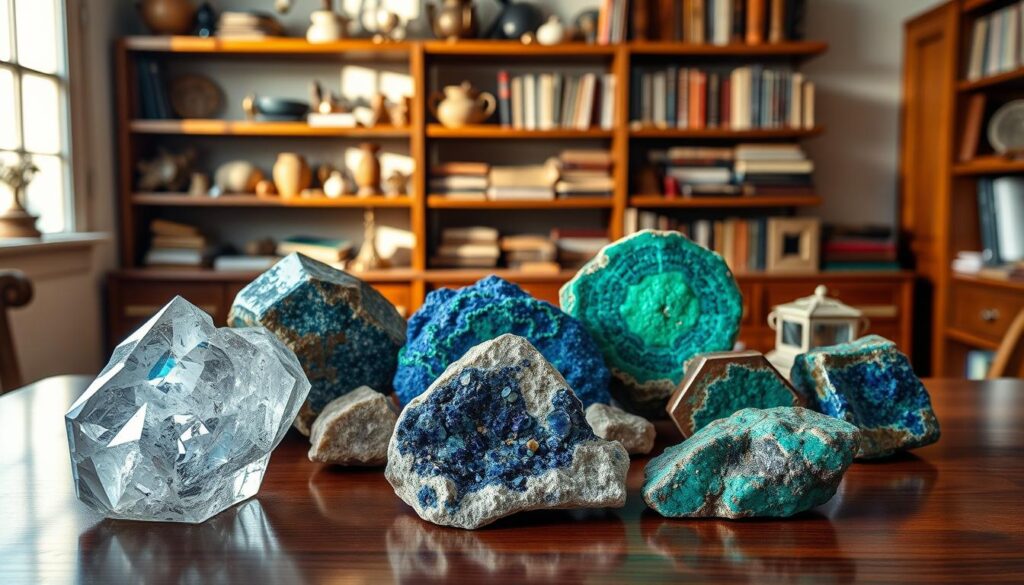
Striking colors, especially those rare in nature, make rocks instantly collectible. Unusual color combinations, color-change properties, and fluorescent qualities add significant appeal to mineral specimens.
The most collectible rocks often display colors that seem almost artificial in their intensity. Deep blues, vivid greens, and electric purples in natural minerals create instant attraction for collectors and casual observers alike.
Desirable Color Properties
- Fluorescence – minerals that glow under UV light create spectacular display pieces.
- Pleochroism – crystals showing different colors from different angles fascinate collectors.
- Color zoning – bands or zones of contrasting colors within single crystals.
- Metallic luster – specimens with mirror-like surfaces stand out in any collection.
Size and Display Value
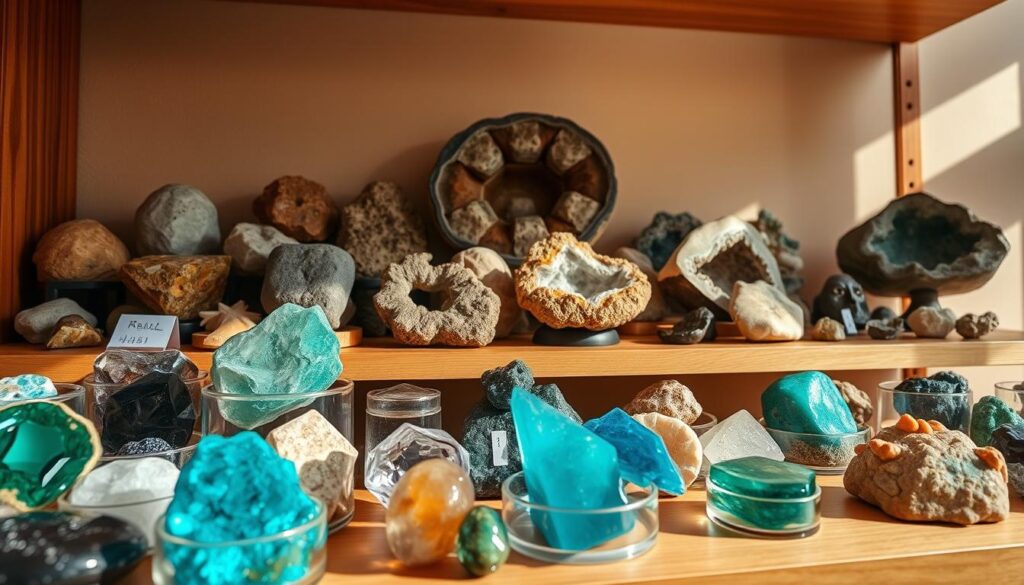
Specimen size significantly impacts collectibility, though bigger isn’t always better. Thumbnail specimens (roughly 1 inch) remain popular because they’re affordable, easy to display, and perfect for systematic collecting.
Cabinet specimens (2-4 inches) offer the ideal balance of impact and practicality for most collectors. Museum specimens over 6 inches become statement pieces but require substantial space and investment.
Start Small, Think Big
Begin with thumbnail specimens to learn mineral identification and build your eye for quality. You can acquire dozens of different species for the cost of one large specimen.
Scientific and Historical Significance
Rocks with scientific importance or historical connections become highly collectible regardless of their visual appeal. Type specimens, meteorites, and minerals from famous localities carry additional value beyond their physical characteristics.
Educational specimens that clearly demonstrate geological processes, crystal systems, or mineral properties serve both collectors and students. These teaching specimens maintain steady demand from schools, universities, and serious hobbyists.
Scientifically Important Specimens
- Type material – samples used in original species descriptions become research treasures.
- Pseudomorphs – minerals that replace others while maintaining crystal shape create geological puzzles.
- Inclusions – crystals containing other minerals or fossils tell formation stories.
- Meteorites – space rocks represent the ultimate in rare and exotic specimens.
Market Demand and Trends
Collectibility often follows trends within the mineral community. Featured minerals in magazines, new discoveries, or specimens from recently closed mines experience increased demand and rising prices.
Social media has created new opportunities for collectors to share finds and learn about desirable specimens. Online communities help establish which characteristics make rocks most collectible in current markets. Professional organizations like the Mineralogical Association of Canada provide educational resources for serious collectors seeking to understand market trends and specimen evaluation.
Frequently Asked Questions
How do I know if my rock is worth collecting?
Look for unusual colors, perfect crystal faces, rare mineral types, or documented locality information. Compare similar specimens on mineral auction sites to gauge current market interest.
Are common rocks ever collectible?
Yes, exceptional examples of common minerals can be highly collectible. Perfect quartz crystals, large pyrite cubes, or unusually colored calcite specimens attract serious collectors despite being common species.
What makes one specimen more valuable than another of the same mineral?
Quality factors like crystal perfection, size, color intensity, and locality documentation create value differences. A perfect crystal from a famous location can be worth 100 times more than a damaged specimen of unknown origin.
Should I clean rocks before determining collectibility?
Clean carefully with water and soft brushes first, but avoid acids or aggressive cleaning until you understand the mineral. Some specimens lose value if over-cleaned or damaged during preparation.
How important is specimen documentation?
Very important – specimens with location, date, and collector information are significantly more valuable than unlabeled rocks. Keep detailed records of all your finds and acquisitions.
Final Thoughts
What Makes A Rock Collectible ultimately comes down to the combination of rarity, beauty, scientific interest, and current market demand. The best specimens possess multiple desirable qualities that make them stand out from ordinary stones.
Start building your collection by focusing on quality over quantity, and always document your specimens thoroughly. Every collectible rock tells a unique story about Earth’s geological processes and natural artistry. Whether you’re interested in rock collecting for beginners or looking to understand why some rocks are worth money, resources like the USGS mineral database can help you identify and learn more about the specimens in your collection.