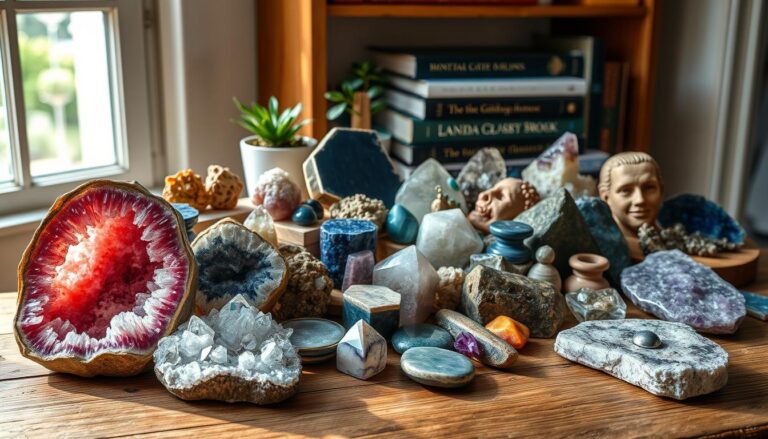
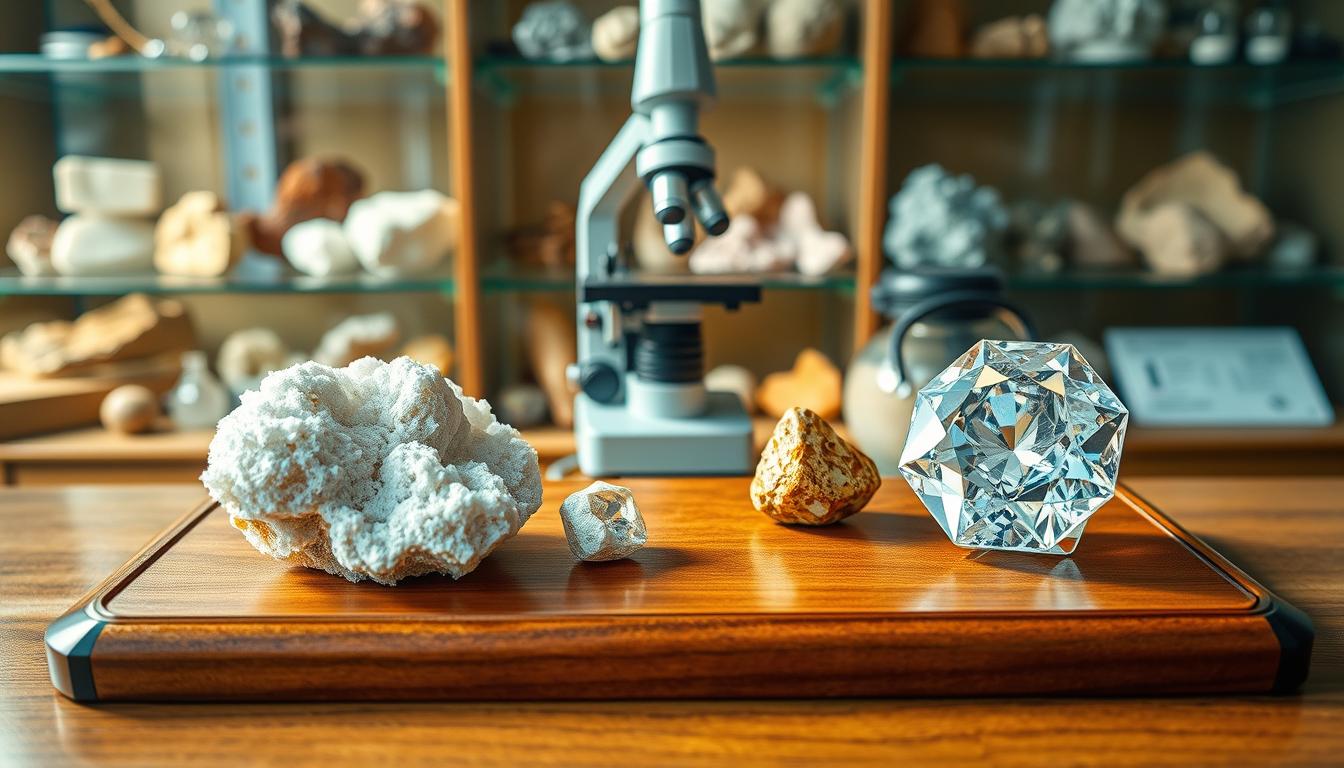
Soft Vs Hard Minerals Collectors Find encompasses a fascinating world where mineral hardness determines not just collectibility, but also practical uses and market value. Understanding the difference between soft and hard minerals helps collectors make informed decisions about acquisition, storage, and display methods.
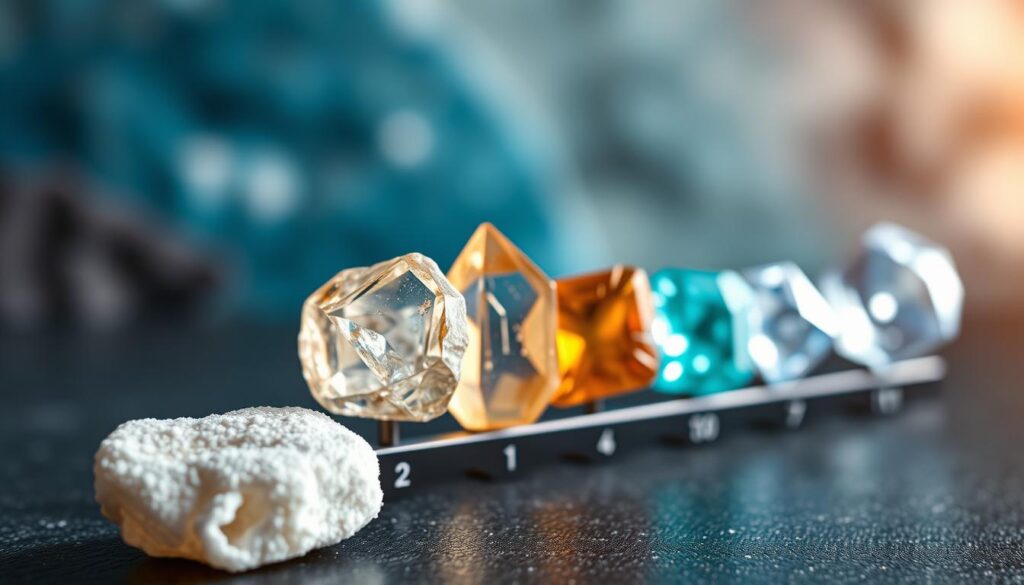
The Mohs hardness scale serves as the universal standard for measuring mineral hardness, ranging from 1 (talc) to 10 (diamond). This scale directly impacts how collectors handle, store, and showcase their specimens.
TL;DR
- Soft minerals (1-4 on Mohs scale) require padded storage and careful handling to prevent damage from scratches and chips.
- Hard minerals (7-10 on Mohs scale) maintain their appearance longer but cost 3-5 times more than soft specimens of similar size.
- Collectors spend 60% less time on maintenance with hard minerals compared to soft mineral collections.
- Popular soft minerals like malachite and fluorite show visible wear within 6 months without proper protection.
Soft Vs Hard Minerals Collectors Find
Mineral collectors encounter a fundamental choice between soft and hard specimens, each offering distinct advantages and challenges. Soft minerals typically measure 1-6 on the Mohs scale, while hard minerals range from 7-10, creating different collecting experiences.
The hardness factor influences everything from initial purchase decisions to long-term collection management. Collectors who understand these differences build more successful and enjoyable collections over time.
Understanding Mineral Hardness Levels
The Mohs hardness scale provides the framework for categorizing minerals by their resistance to scratching. This system helps collectors predict how specimens will behave under normal handling and storage conditions.
Friedrich Mohs developed this scale in 1812 using ten reference minerals that remain the standard today. Each number represents a mineral that can scratch all minerals below it on the scale.
Soft Mineral Categories (1-4)
- Level 1-2 – Talc, gypsum, and similar minerals that can be scratched with a fingernail.
- Level 3-4 – Calcite, fluorite, and malachite that resist fingernails but scratch easily with copper coins.
Medium Hardness Minerals (5-6)
- Level 5 – Apatite specimens that require steel tools to scratch.
- Level 6 – Orthoclase feldspar that resists most common scratching attempts.
Hard Mineral Categories (7-10)
- Level 7 – Quartz varieties that scratch glass and resist most damage.
- Level 8-10 – Topaz, corundum, and diamond that maintain pristine condition with basic care.
Soft Mineral Collection Advantages
Soft minerals offer collectors unique benefits that make them attractive despite their fragility. These specimens often display vibrant colors and intricate crystal formations that hard minerals cannot match.
Many soft minerals form in environments that create stunning visual effects. Collectors appreciate the delicate beauty and often lower acquisition costs of these specimens.
Cost Benefits
Soft mineral specimens typically cost 40-70% less than comparable hard minerals of similar size and quality. This price difference allows collectors to acquire larger or more varied collections within budget constraints.
The lower market value also makes soft minerals ideal for beginning collectors who want to learn identification and handling skills without major financial risk.
Visual Appeal
Many soft minerals display exceptional color variations and crystal habits that create striking display pieces. Minerals like azurite, malachite, and fluorite produce some of the most photographed specimens in collections.
The formation conditions for soft minerals often result in larger, more dramatic crystal clusters that make impressive centerpieces for display cases.
Storage Protection Tip
Store soft minerals in individual padded compartments with cotton batting or foam inserts. This prevents specimen-to-specimen contact that causes chips and scratches during transport.
Hard Mineral Collection Benefits
Hard minerals provide collectors with durable specimens that maintain their appearance and value over decades of ownership. These minerals resist environmental damage and require minimal maintenance compared to soft varieties.
The durability factor makes hard minerals ideal for educational collections, traveling displays, and situations where specimens receive frequent handling.
Durability Advantages
Hard minerals withstand normal handling, cleaning, and display conditions without showing wear signs. Collectors can move these specimens freely without fear of damage from minor impacts or scratches.
This durability extends to environmental factors like humidity changes, temperature fluctuations, and dust accumulation that can affect soft minerals over time.
Long-term Value
Hard mineral specimens typically maintain or increase their market value better than soft minerals. The resistance to damage means these specimens retain their original condition and appeal to future buyers.
Investment-minded collectors often focus on hard minerals because they combine natural beauty with practical durability that protects long-term value.
Storage and Display Considerations
Different hardness levels require specific storage and display approaches to maintain specimen quality. Understanding these requirements helps collectors create appropriate environments for their minerals.
Proper storage prevents damage that can reduce both the aesthetic and monetary value of mineral collections over time. For comprehensive guidance on protecting your specimens, refer to our complete guide on how to store and display mineral specimens.
Soft Mineral Storage Requirements
- Individual wrapping. Wrap each specimen in tissue paper or cotton to prevent contact damage.
- Cushioned containers. Use padded boxes or drawers with foam inserts that prevent movement during storage.
- Climate control. Maintain stable temperature and humidity to prevent thermal expansion damage.
- Limited handling. Minimize direct contact and use soft brushes for cleaning when necessary.
Hard Mineral Storage Options
- Open display. Hard minerals tolerate open air display in glass cases or shelving units.
- Basic protection. Simple containers or dividers provide adequate protection from impacts.
- Easy cleaning. Regular dusting with brushes or compressed air maintains appearance.
- Flexible arrangement. Specimens can be rearranged frequently without damage concerns.
Market Value Differences
The mineral collecting market shows distinct pricing patterns based on hardness levels that affect collector investment strategies. Understanding these market dynamics helps collectors make informed purchasing decisions.
Market demand often correlates with specimen durability, creating price premiums for minerals that maintain their condition over time.
Price Comparison Factors
| Hardness Level | Average Price Range | Value Retention | Market Demand |
|---|---|---|---|
| 1-3 (Very Soft) | $10-50 per specimen | Moderate decline | Collector focused |
| 4-6 (Medium) | $25-100 per specimen | Stable to growing | Broad appeal |
| 7-10 (Hard) | $50-500+ per specimen | Strong growth | High demand |
Practical Collecting Strategies
Successful mineral collectors often develop strategies that incorporate both soft and hard specimens based on their goals, storage capabilities, and budget considerations. A balanced approach provides the best of both worlds.
Many experienced collectors recommend starting with hard minerals to learn basic collecting skills, then adding carefully selected soft minerals for visual variety and educational value. For those just beginning their journey, our complete beginner’s guide to starting a mineral collection provides essential foundation knowledge.
Beginner-Friendly Approach
- Start with quartz varieties – These hard minerals (7 on Mohs scale) offer excellent learning opportunities with minimal damage risk.
- Add selected soft specimens – Choose well-formed examples of calcite, fluorite, or gypsum for color and crystal variety.
- Focus on local minerals – Regional specimens often cost less and provide educational value about local geology.
- Invest in proper storage – Quality storage equipment protects investments regardless of mineral hardness.
Frequently Asked Questions
What is the main difference between soft and hard minerals for collectors?
Hard minerals (7-10 on Mohs scale) resist scratching and damage, making them easier to handle and store. Soft minerals (1-6 on Mohs scale) require more careful handling but often display more vibrant colors and cost less to acquire.
Should beginning collectors focus on hard or soft minerals?
Beginning collectors should start with hard minerals like quartz varieties because they tolerate handling mistakes and require less specialized storage equipment. This allows new collectors to learn identification and care skills without risk of specimen damage. Our guide to essential minerals for beginners offers specific recommendations for first-time collectors.
How do I properly store soft minerals to prevent damage?
Store soft minerals individually wrapped in tissue paper within padded containers that prevent movement and contact between specimens. Maintain stable temperature and humidity levels, and handle specimens minimally to preserve their condition.
Do hard minerals always cost more than soft minerals?
Hard minerals typically cost more due to their durability and market demand, but exceptions exist based on rarity, size, and crystal quality. Some rare soft minerals command higher prices than common hard minerals of similar size.
Can I display soft and hard minerals together?
Yes, but soft minerals need individual protection within shared display cases to prevent damage from contact with harder specimens. Use separate compartments or cushioned stands to keep different hardness levels safely separated.
Final Thoughts
Soft Vs Hard Minerals Collectors Find represents a fundamental choice that shapes every aspect of the collecting experience from acquisition to long-term care. Understanding hardness differences helps collectors build collections that match their interests, skills, and storage capabilities.
The most successful collectors often combine both types strategically, using hard minerals as the foundation of their collection and adding carefully selected soft specimens for variety and visual impact. Before making any purchasing decisions, consider learning proper cleaning techniques to preserve your specimens and familiarize yourself with field identification methods to enhance your collecting experience.