Rockhounding Tools Every Beginner Should Own can transform your mineral collecting adventures from frustrating struggles into rewarding discoveries. Having the right equipment makes the difference between returning home empty-handed and uncovering genuine treasures hidden in plain sight.
Many beginners make the mistake of heading out with just their enthusiasm, only to find amazing specimens they can’t safely extract or properly identify. The good news is that you don’t need expensive gear to get started – just a few essential tools that will serve you well for years to come.
TL;DR
- A basic rockhounding kit costs between $50-100 and includes hammer, chisel, safety glasses, and collection bag.
- Safety gear prevents 90% of common rockhounding injuries – always wear eye protection and sturdy boots.
- A 10x magnifying glass helps identify minerals worth keeping versus common rocks not worth collecting.
- GPS devices and field notebooks help you relocate productive sites and track your best finds over time.
Essential Rockhounding Tools Every Beginner Should Own
Your success as a rockhound depends heavily on having the right tools for the job. These essential items form the foundation of every serious collector’s toolkit and will handle 90% of the situations you’ll encounter in the field.
Start with these core tools before adding specialized equipment later. Each item serves multiple purposes and proves its worth on every collecting trip.
Rock Hammer
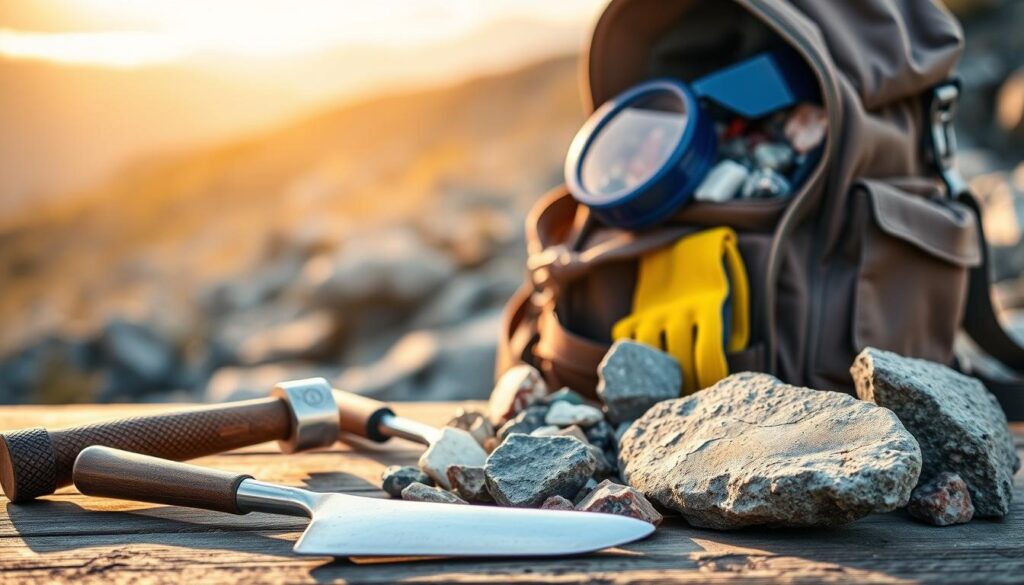
A quality rock hammer is your most important tool for breaking specimens free from their matrix. Choose a geological pick hammer with a 16-20 ounce head – heavy enough for serious work but light enough for extended use.
The pointed end works perfectly for prying specimens loose, while the flat striking surface handles tougher breaking jobs. Look for a hammer with a shock-absorbing handle to reduce fatigue during long collecting sessions.
Cold Chisels
Cold chisels give you precision control when extracting delicate specimens that might shatter under direct hammer blows. A set of three chisels – 1/2 inch, 3/4 inch, and 1 inch wide – covers most field situations.
Use chisels to split rocks along natural fracture lines and remove specimens without damaging their crystal faces. High-carbon steel chisels hold their edge longer than cheaper alternatives.
Safety Equipment
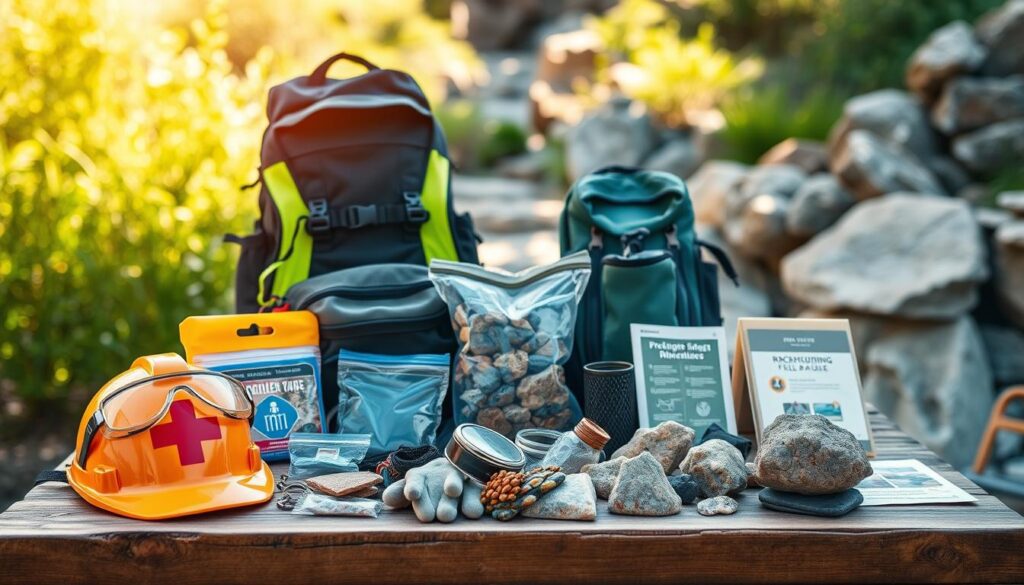
Rockhounding safety gear protects you from flying rock chips, sharp edges, and unstable terrain. Never compromise on safety equipment – one preventable injury can end your collecting hobby permanently.
Quality safety gear costs less than a single emergency room visit and lasts for years with proper care.
Safety Glasses
Impact-resistant safety glasses shield your eyes from rock chips that fly unpredictably when hammering. Choose wraparound styles that block debris from all angles, not just straight ahead.
Prescription safety glasses work for collectors who wear regular glasses. Clear lenses work best since you need accurate color perception for mineral identification. The Occupational Safety and Health Administration recommends impact-resistant eyewear for any activity involving flying particles.
Work Gloves
Leather work gloves protect your hands from sharp rock edges and rough surfaces. Select gloves thick enough for protection but flexible enough for handling small specimens.
Avoid cotton gloves that offer minimal protection. Synthetic leather gloves often provide better grip than traditional leather when working with dusty or wet rocks.
Collection and Organization Tools
Proper collection tools help you safely transport your finds and keep detailed records for future reference. Organization becomes crucial as your collection grows beyond a few interesting rocks.
Good documentation turns random rock collecting into serious mineral study that builds valuable knowledge over time.
Collection Bags
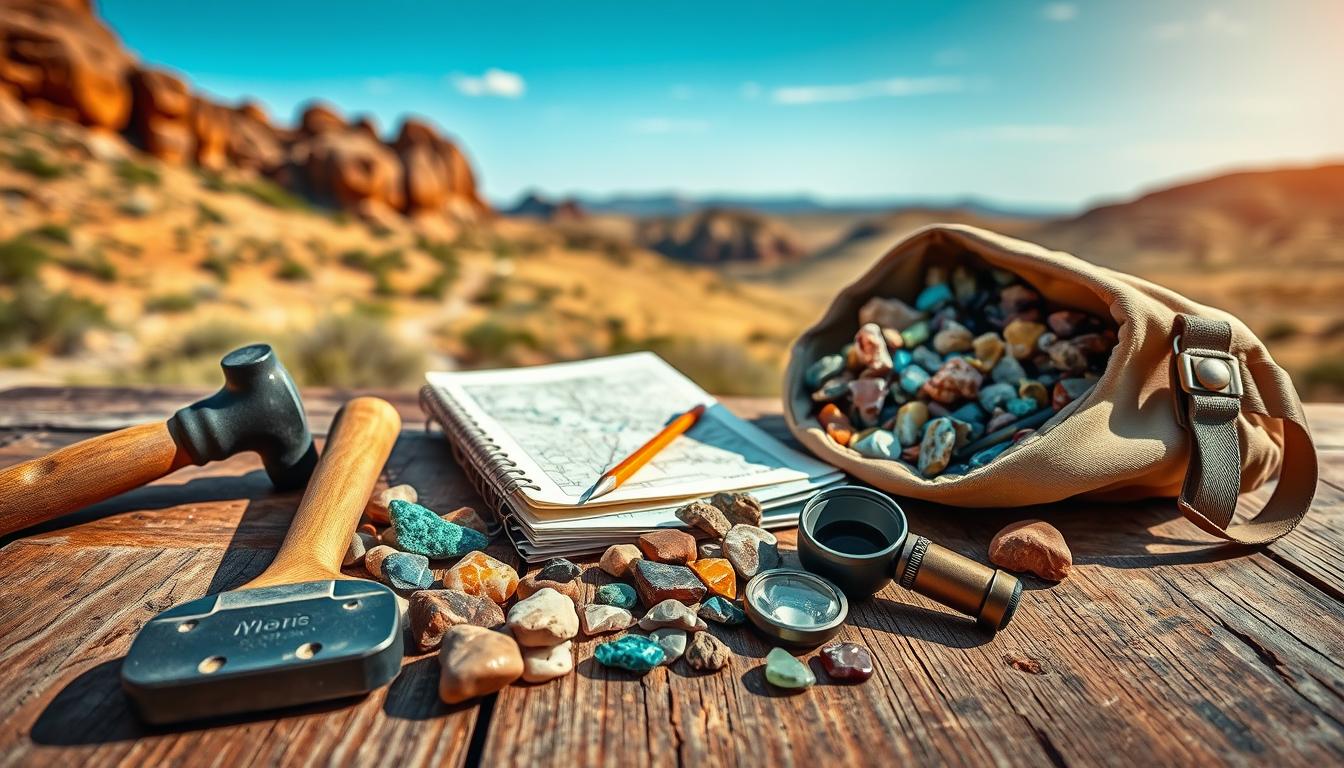
Canvas or heavy-duty fabric bags hold your specimens securely during transport without adding excessive weight to your pack. Choose bags with drawstring closures that won’t accidentally open and spill your finds.
Bring multiple smaller bags rather than one large bag – this prevents specimens from grinding against each other during transport. Newspaper makes excellent padding material for protecting delicate crystals.
Field Notebook
A waterproof field notebook records the exact location, date, and conditions where you found each specimen. This information becomes invaluable for identification and adds scientific value to your collection.
Note GPS coordinates, rock formations, associated minerals, and weather conditions. These details help you return to productive sites and understand the geological context of your finds.
Start Small and Upgrade Gradually
Begin with basic tools and upgrade based on your actual field experience. Specialized equipment makes sense only after you understand what types of specimens you enjoy collecting most.
Identification and Testing Equipment
Accurate identification separates valuable specimens from common rocks that aren’t worth keeping. Basic testing equipment helps you make these distinctions in the field before your collection bag gets too heavy.
Field identification saves time and effort by eliminating worthless material before you haul it home.
Magnifying Glass
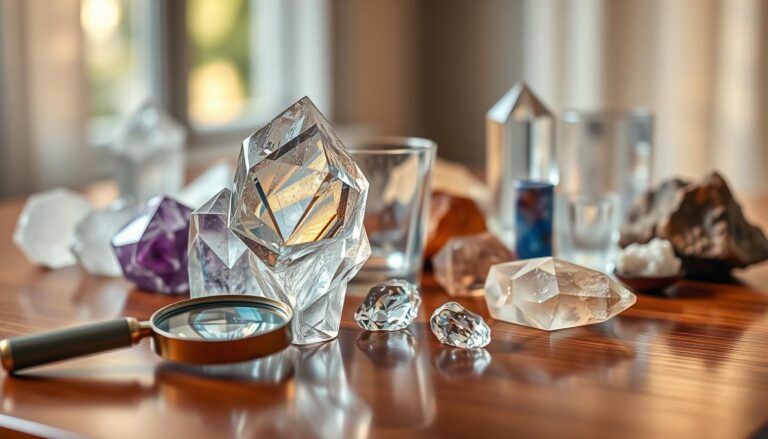
A 10x magnifying glass reveals crystal structure, mineral associations, and distinguishing features invisible to the naked eye. Choose a glass with good optical clarity and adequate lens size for comfortable viewing.
Folding pocket magnifiers protect the lens during transport. LED-illuminated magnifiers work well in low-light conditions like caves or deep forest areas.
Streak Plate
An unglazed ceramic streak plate tests mineral hardness and reveals diagnostic streak colors that aid identification. Many minerals that look similar show distinctly different streak colors when scratched across the plate.
The back of an unglazed ceramic tile works just as well as expensive commercial streak plates. Keep your streak plate clean for accurate color readings.
Navigation and Documentation
Modern technology makes it easier than ever to document finds and navigate back to productive collecting sites. GPS devices and smartphone apps eliminate the guesswork from location recording.
Accurate location data transforms casual rock collecting into systematic mineral exploration with repeatable results.
GPS Device or Smartphone
GPS coordinates provide precise location data that paper maps simply can’t match. Record waypoints at every significant find so you can return to productive areas during future trips.
Smartphone GPS apps work well in most areas, but dedicated GPS units offer better battery life and reliability in remote locations. Always carry backup power sources for electronic devices.
Camera
Digital photos document specimens in their natural setting and capture details that help with later identification. Take multiple shots showing different angles, crystal faces, and the surrounding rock matrix.
Include a coin or ruler in photos to show scale. Good documentation photos prove invaluable when consulting with other collectors or mineral identification resources later.
Frequently Asked Questions
How much should I spend on beginner rockhounding tools?
A complete beginner toolkit costs $50-100 for quality tools that will last for years. Start with essential items like hammer, chisel, safety glasses, and collection bag before adding specialized equipment.
What’s the most important safety equipment for rockhounding?
Safety glasses are absolutely essential since flying rock chips can cause permanent eye damage. Sturdy boots with ankle support and work gloves complete your basic safety kit.
Can I use regular tools instead of specialized rockhounding equipment?
Regular hammers and chisels lack the proper design for rock work and often break or perform poorly. Geological tools are specifically engineered for the stresses and impacts of mineral collecting.
How do I know which rocks are worth collecting?
A magnifying glass and streak plate help identify valuable minerals versus common rocks. Focus on specimens with good crystal formation, unusual colors, or interesting mineral associations. The U.S. Geological Survey provides excellent mineral identification resources for beginners.
What should I bring for organizing finds in the field?
Multiple small collection bags prevent specimens from damaging each other during transport. A waterproof field notebook records essential location and identification data for each find.
Final Thoughts
Rockhounding Tools Every Beginner Should Own provide the foundation for successful mineral collecting adventures that yield genuine treasures instead of frustrating empty-handed trips. Quality tools make the difference between struggling with inadequate equipment and efficiently extracting beautiful specimens.
Start with the essential items and build your toolkit based on actual field experience. The right tools turn rockhounding from casual rock picking into serious mineral exploration that rewards you with amazing discoveries.