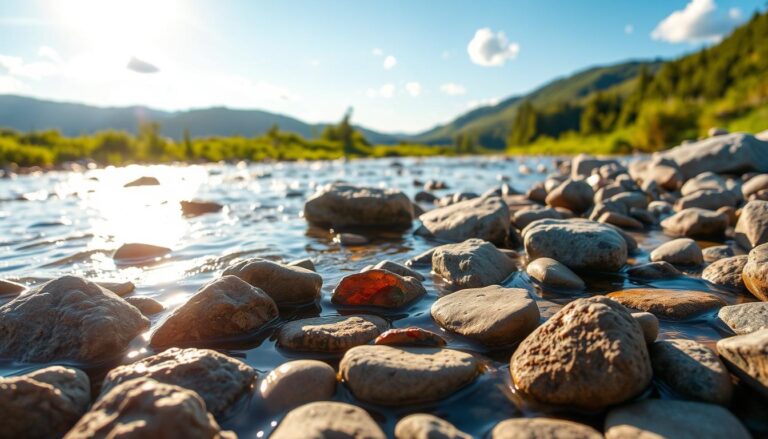
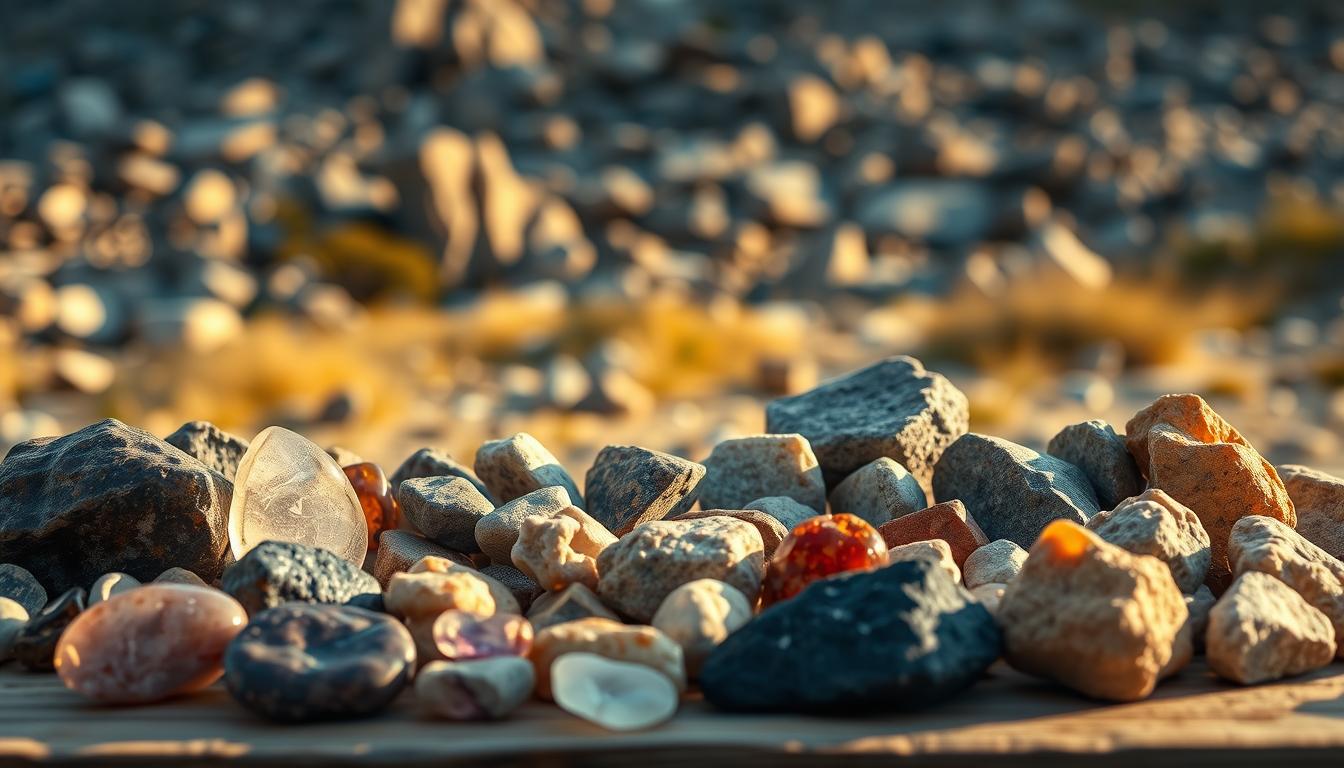
Rock Types Collectors Commonly Find represent some of nature’s most accessible treasures, waiting in backyards, hiking trails, and beaches around the world. Whether you’re just starting your collection or looking to expand your knowledge, understanding the most common rock varieties helps you identify valuable finds and build a diverse collection.
Most beginning collectors focus on rocks that are easy to spot, abundant, and safe to collect. These common varieties offer excellent learning opportunities while building the foundation for more advanced collecting later.
TL;DR
- Quartz varieties make up 60% of most rock collections due to their abundance and visual appeal.
- Granite can be found in all 50 US states and contains at least 3 different minerals visible to the naked eye.
- Sandstone layers often contain fossils that are 100-500 million years old.
- Basalt covers over 70% of the ocean floor and forms distinctive hexagonal columns when it cools.
Rock Types Collectors Commonly Find
The most frequently collected rocks fall into three main geological categories, each offering unique characteristics and collection opportunities. Igneous rocks form from cooled magma, sedimentary rocks develop from compressed materials, and metamorphic rocks result from heat and pressure changes.
Starting collectors often gravitate toward visually striking specimens that are easy to identify and transport. These common finds provide excellent practice for developing identification skills while building an impressive display.
Igneous Rocks Every Collector Should Know
Igneous rocks form the backbone of most rock collections due to their durability and distinctive crystal structures. These specimens often survive weathering better than other rock types, making them perfect for long-term collecting.
Granite
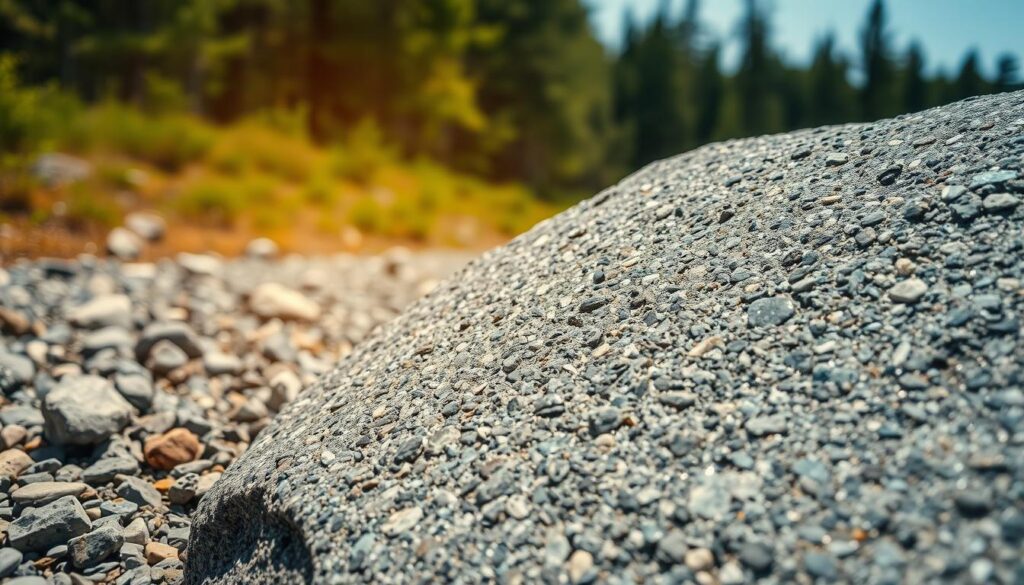
Granite appears in mountain regions, road cuts, and construction sites worldwide. This coarse-grained rock contains visible crystals of quartz, feldspar, and mica that create speckled patterns ranging from pink to gray to black.
- Identifying features – Large visible crystals, hard surface that resists scratching, and mixed colors.
- Where to find it – Mountain areas, old building stones, and quarry sites.
- Collection tips – Look for specimens with clear crystal definition and interesting color combinations.
Basalt
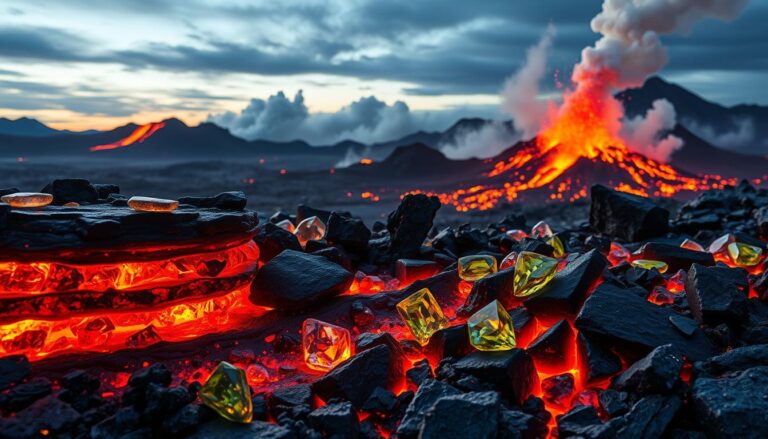
Basalt forms from rapidly cooled lava and often displays a fine-grained, dark appearance. Understanding how volcanic areas produce gemstones helps collectors recognize valuable specimens that may form within these basaltic environments. Collectors prize specimens showing columnar jointing or vesicular textures filled with secondary minerals.
- Key characteristics – Dark color, fine grain, and sometimes bubbly texture.
- Common locations – Volcanic regions, river valleys, and coastal areas.
- Special varieties – Vesicular basalt with gas bubble holes and columnar basalt with geometric shapes.
Sedimentary Specimens for Your Collection
Sedimentary rocks offer some of the most interesting collecting opportunities because they often contain fossils, unusual patterns, and colorful layers. These rocks form from compressed sediments and provide windows into ancient environments. Learning how to read rock layers when collecting becomes especially valuable when working with sedimentary formations.
Sandstone
Sandstone varieties range from pure white to deep red, with many specimens showing clear grain structure and layering patterns. The rock’s relatively soft nature makes it easy to collect and work with for beginners.
- Examine the grain size. Fine-grained sandstones feel smooth while coarse varieties show visible sand particles.
- Check for layering. Many sandstones display clear stratification that reveals ancient depositional environments.
- Look for iron staining. Red and orange colors indicate iron oxide presence and create striking display pieces.
Limestone
Limestone formations often contain marine fossils and react with dilute acid to produce bubbling. This sedimentary rock appears in colors from white to gray to brown and sometimes contains visible fossil fragments.
Safety First When Collecting
Always get permission before collecting on private property and check local regulations for public lands. Wear safety glasses and gloves when breaking or examining sharp rock specimens.
Metamorphic Rocks Worth Collecting
Metamorphic rocks result from existing rocks being altered by heat, pressure, or chemical processes. These specimens often display beautiful banding, crystal development, and unique textures that make them collection favorites. Understanding how metamorphic rocks produce crystals can help collectors identify valuable crystalline specimens within these formations.
Slate
Slate splits into thin, flat sheets and displays fine grain structure with a smooth feel. This low-grade metamorphic rock often shows subtle color variations and occasionally contains small crystals or fossil impressions.
Gneiss
Gneiss exhibits distinctive banding patterns with alternating light and dark mineral layers. This high-grade metamorphic rock often contains the same minerals as granite but arranged in flowing bands rather than random patterns.
Mineral Specimens Often Found With Rocks
Many rock collecting trips yield mineral specimens alongside traditional rock samples. These crystalline materials often form in cavities, veins, or as replacement minerals within host rocks. Knowing about rocks that commonly contain crystals helps collectors target the most productive formations.
Quartz Varieties
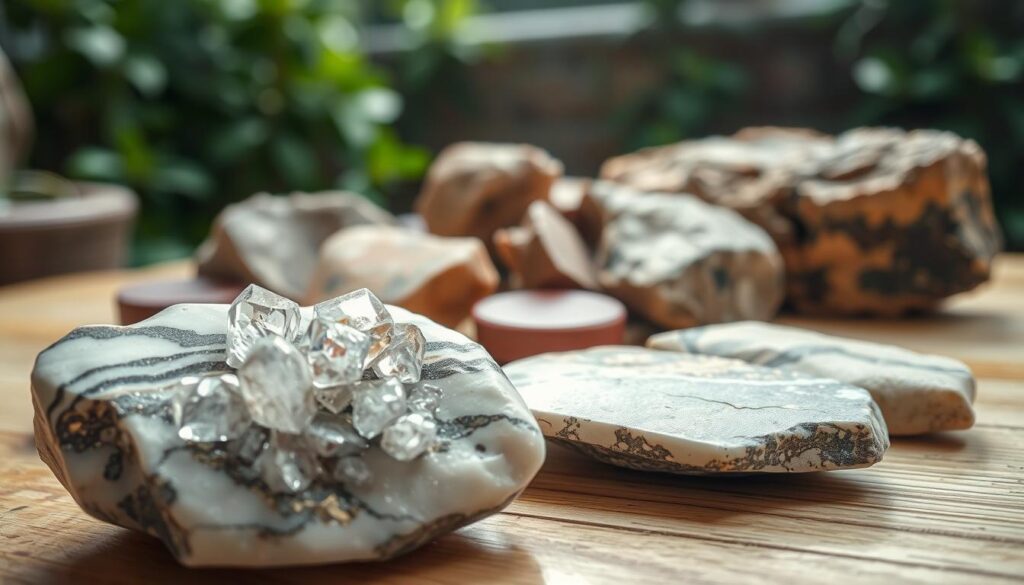
Quartz appears in more colors and forms than any other common mineral, making it a collection staple. Clear quartz crystals, purple amethyst, and banded agate represent just a few of the varieties collectors encounter regularly.
- Clear quartz – Six-sided crystals with glass-like transparency.
- Smoky quartz – Gray to brown crystals formed by natural radiation.
- Rose quartz – Pink massive variety rarely found in crystal form.
- Citrine – Yellow to orange crystals, often heat-treated amethyst.
Calcite
Calcite crystals display perfect rhombohedral cleavage and react strongly with dilute hydrochloric acid. This common carbonate mineral appears in numerous crystal forms and colors, making it excellent for studying crystal systems.
Building Your Rock Collection Strategy
Successful rock collecting requires planning, proper tools, and systematic organization. Start with local specimens before traveling to distant locations, and focus on quality over quantity when selecting pieces for your collection. Using geology maps for rockhounding can significantly improve your success rate by helping you identify the most promising collecting areas.
- Research local geology. Geological surveys and university websites provide formation maps and collecting location information.
- Join collecting groups. Local rock and mineral clubs offer field trips, expertise, and trading opportunities.
- Document your finds. Record collection date, location, and rock type for each specimen.
- Invest in basic tools. Rock hammer, chisel, safety glasses, and collection bags are essential equipment.
Consider specializing in specific rock types or geographic regions as your collection grows. This focused approach allows deeper learning while creating more coherent displays.
Frequently Asked Questions
What’s the easiest rock type for beginners to identify?
Granite is often easiest for beginners because its large crystals are visible without magnification and it’s found almost everywhere.
How can I tell if a rock contains valuable minerals?
Look for crystal formations, unusual colors, metallic luster, or heavy weight compared to size – but have suspected valuable specimens professionally evaluated.
Where is the best place to start collecting rocks?
Start in your local area with road cuts, stream beds, and beaches before traveling to famous collecting locations.
Do I need expensive equipment to collect rocks?
Basic collecting requires only a rock hammer, safety glasses, and collection bags – most specialized tools can be added later as needed.
Final Thoughts
Rock Types Collectors Commonly Find provide endless opportunities for learning about geology while building beautiful displays. Starting with abundant local specimens builds identification skills and confidence before tackling more challenging varieties.
Focus on understanding the formation processes behind each rock type rather than just memorizing names. This deeper knowledge makes every collecting trip more rewarding and helps you spot exceptional specimens others might overlook.