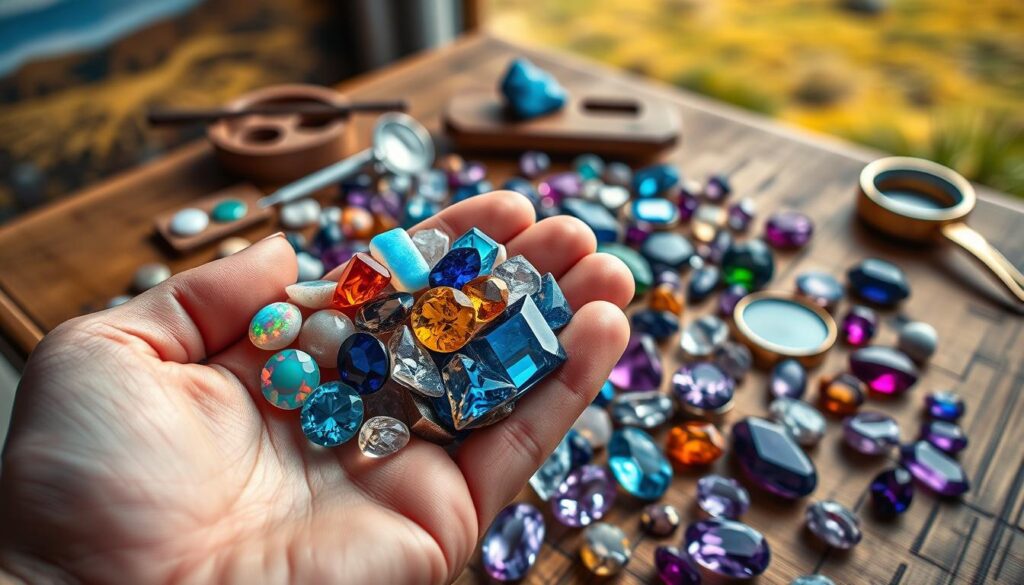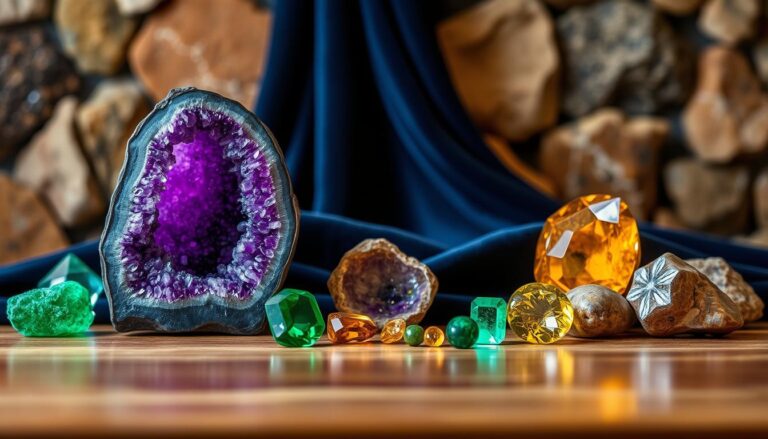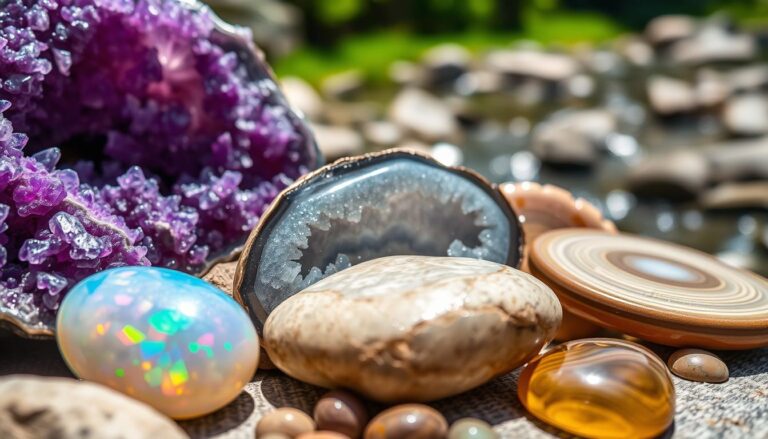

Rare Stones Collectors Actually Find might surprise you with their accessibility and beauty. While many people think rare gemstones are impossible to locate, dedicated collectors regularly discover valuable specimens in unexpected places.
From abandoned mine sites to public beaches, these hidden treasures await those who know where to look. The thrill of finding a genuine rare stone combines the excitement of treasure hunting with the potential for significant financial reward.
TL;DR
- Garnet specimens worth $50-200 per carat are commonly found in North Carolina’s Franklin area by amateur collectors.
- Oregon sunstone deposits allow public collecting with some specimens reaching $300+ per carat for high-quality pieces.
- Turquoise nodules worth $10-50 per stone can be surface-collected in Nevada and Arizona desert areas.
- Sapphire hunting in Montana’s Rock Creek yields gems valued at $100-500 per carat depending on color and clarity.
Rare Stones Collectors Actually Find
Amateur collectors regularly discover valuable gemstones that professionals once thought were too scarce to find. These discoveries happen more frequently than most people realize, especially in known collecting areas across the United States.
The key lies in understanding which stones are genuinely accessible to hobbyists versus those requiring industrial mining operations. Many collectors focus on specimens that occur in surface deposits or shallow diggings rather than deep underground veins.
Most Accessible Rare Gemstones
Several categories of rare stones offer realistic collecting opportunities for dedicated hunters. These gems combine genuine rarity with findable locations and recognizable characteristics, though many collectors overlook certain valuable types that could enhance their collections.
Garnets
Almandine and pyrope garnets appear in numerous locations across North America. Franklin, North Carolina serves as a hotspot where collectors routinely find gem-quality specimens in creek beds and tailings piles.
- Rhodolite garnet – Pink to purple varieties worth $75-300 per carat
- Spessartine garnet – Orange specimens valued at $200-800 per carat
- Demantoid garnet – Green varieties reaching $1,000+ per carat for quality stones
Sunstone Varieties
Oregon sunstone deposits remain open to public collecting in designated areas. These feldspar gems display distinctive copper inclusions that create their signature sparkle.
Quality sunstones range from $50 per carat for commercial grades to $500+ per carat for exceptional specimens. The best hunting occurs in the high desert regions of southeastern Oregon where surface collecting produces consistent results.
Turquoise Nodules
Southwestern United States offers numerous turquoise collecting opportunities on public lands. Nevada, Arizona, and New Mexico contain accessible deposits where collectors find everything from small nuggets to substantial nodules.
High-grade turquoise commands $20-100 per carat depending on color intensity and matrix patterns. Many collectors focus on specific localities known for distinctive characteristics like Sleeping Beauty or Kingman turquoise.
Research Before You Hunt
Always verify land ownership and collecting permissions before searching any location. Many productive areas require permits or have seasonal restrictions that change annually.
Regional Collecting Hotspots
Certain geographic regions consistently produce rare stones for collectors willing to invest time and effort. These areas combine favorable geology with legal access for amateur prospectors.
Montana Sapphires
The Gem Mountain and Rock Creek areas of Montana yield blue, yellow, pink, and parti-colored sapphires. Collectors can purchase buckets of gravel concentrate or search creek beds during low water periods.
Montana sapphires often lack the heat treatment common in commercial stones, making them particularly valuable to collectors seeking natural gems. Prices range from $100-1,000 per carat based on size, color, and clarity.
Arkansas Quartz Crystals
The Ouachita Mountains contain numerous quartz crystal deposits accessible through fee-dig operations. Collectors regularly find museum-quality specimens including rare varieties like smoky quartz and amethyst.
- Clear quartz points – $5-50 per specimen depending on size and clarity
- Smoky quartz clusters – $25-200 for display-quality pieces
- Phantom crystals – $50-500 for specimens showing clear growth patterns
California Tourmaline
San Diego County’s pegmatite deposits produced world-class tourmalines during the early 1900s. While major commercial mining ended decades ago, collectors still find smaller specimens in tailings and exposed pegmatite walls.
Pink and green tourmalines from California locations command premium prices due to their historical significance and superior color saturation. Even small fragments can be worth $50-200 per gram for cutting material.
Identification and Valuation
Accurate identification separates valuable finds from attractive but common minerals. Collectors need basic testing equipment and reference materials to distinguish rare stones from look-alikes, especially when examining fluorescent specimens under ultraviolet light.
Essential Testing Tools
- Hardness picks – Mohs scale testing to eliminate soft minerals
- Streak plate – Shows true color when minerals are powdered
- UV light – Reveals fluorescence in certain gem varieties
- Specific gravity kit – Measures density to separate similar-looking stones
Professional Appraisal
Significant finds warrant professional gemological evaluation to determine treatment status, origin, and market value. Certified gemologists use advanced instruments to provide definitive identification and grading.
Appraisal costs typically range from $50-200 per stone but prove worthwhile for specimens potentially worth hundreds or thousands of dollars. Documentation from recognized laboratories also helps establish provenance for future sales.
Building a Collection Strategy
Successful rare stone collecting requires focused effort rather than random searching. Collectors who specialize in specific gem types or geographic regions consistently find better specimens than those who hunt everything everywhere, and understanding what makes certain stones highly collectible helps guide acquisition decisions.
Seasonal Considerations
Weather and water levels dramatically affect collecting success at many locations. Spring snowmelt exposes new material in mountain streams while summer drought reveals creek bed deposits normally underwater.
Desert collecting works best during cooler months when temperatures allow extended searching periods. Many southwestern locations become dangerously hot during summer months, limiting productive hunting time.
Frequently Asked Questions
Do you need special permits to collect rare stones?
Most public lands require no permits for small-scale personal collecting, but always check current regulations with the Bureau of Land Management. Some areas have seasonal restrictions or specimen size limits that change periodically.
How can you tell if a stone is actually rare and valuable?
Professional identification through certified gemologists provides definitive answers, but basic hardness testing and specific gravity measurements eliminate most common minerals. Online databases help match physical properties to known gem types.
What equipment do beginners need for rare stone collecting?
Start with basic tools including rock hammer, chisels, safety glasses, collection bags, and a field notebook. Add specialized testing equipment like hardness picks and UV lights as your experience grows.
Which locations offer the best chances for finding rare gems?
Known gemstone districts like North Carolina’s Franklin area, Montana’s sapphire regions, and Oregon’s sunstone deposits provide the highest success rates. Research geological surveys and local mineral clubs for specific site information.
Final Thoughts
Rare Stones Collectors Actually Find prove that valuable gemstone discoveries remain possible for dedicated amateur prospectors. Success comes from focusing efforts on proven locations with accessible deposits and learnable identification techniques, while considering what makes a stone a true natural treasure beyond just monetary value.
Start with one region or stone type this season and develop expertise before expanding your search areas. The combination of outdoor adventure and potential treasure makes rare stone collecting a rewarding long-term hobby.