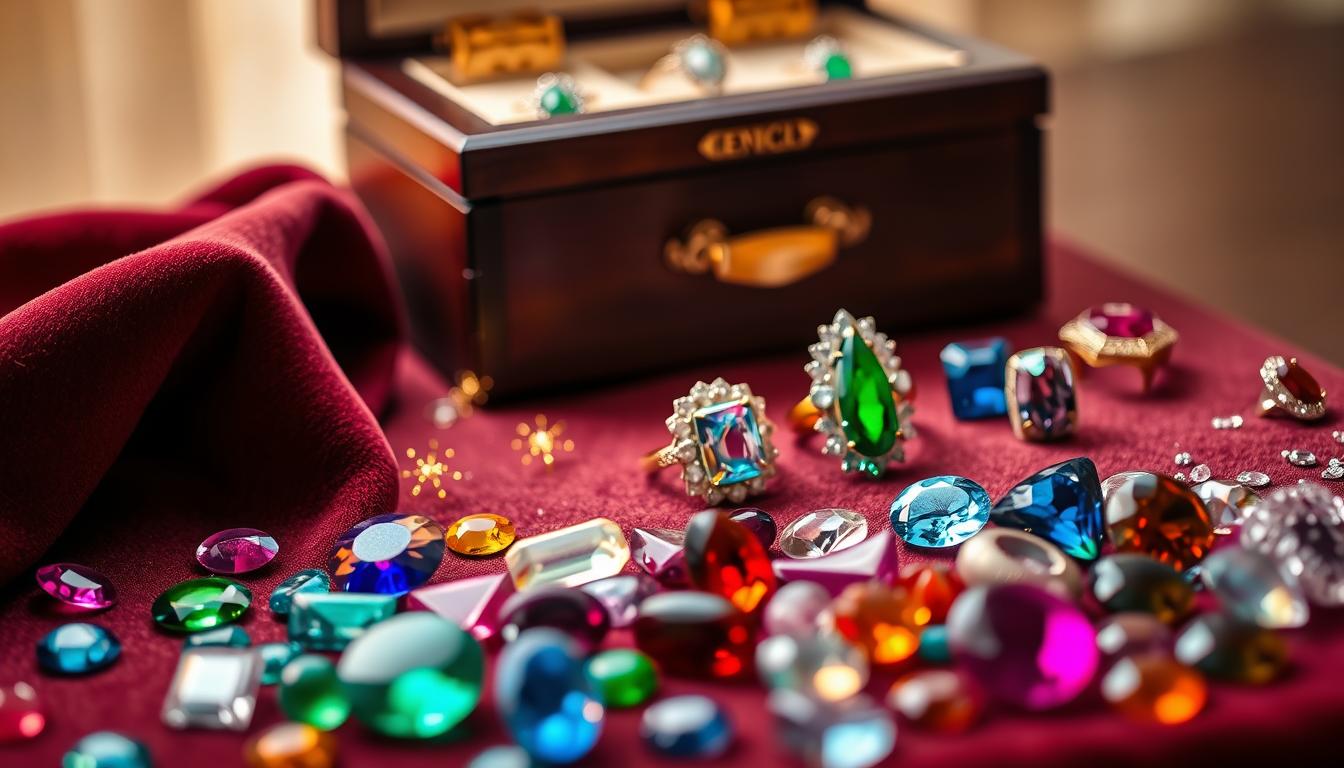
Loose Gemstones Vs Set Stones For Collectors presents a key decision point for anyone building a serious gem collection. The choice between purchasing individual stones or complete jewelry pieces affects everything from storage and display to long-term investment potential.
Both approaches offer distinct advantages depending on your collecting goals, available space, and budget considerations. Understanding these differences helps collectors make informed decisions that align with their specific interests and circumstances.
TL;DR
- Loose gemstones typically cost 30-50% less than equivalent stones in jewelry settings due to reduced labor and materials costs.
- Set stones require 3-4 times more storage space than loose gems, making them less practical for large collections.
- Loose stones allow for detailed gemological examination with standard 10x loupe magnification, while set stones limit inspection angles.
- Insurance costs for jewelry pieces average 15-20% higher than loose stones of equivalent value due to theft risk factors.
Loose Gemstones Vs Set Stones For Collectors
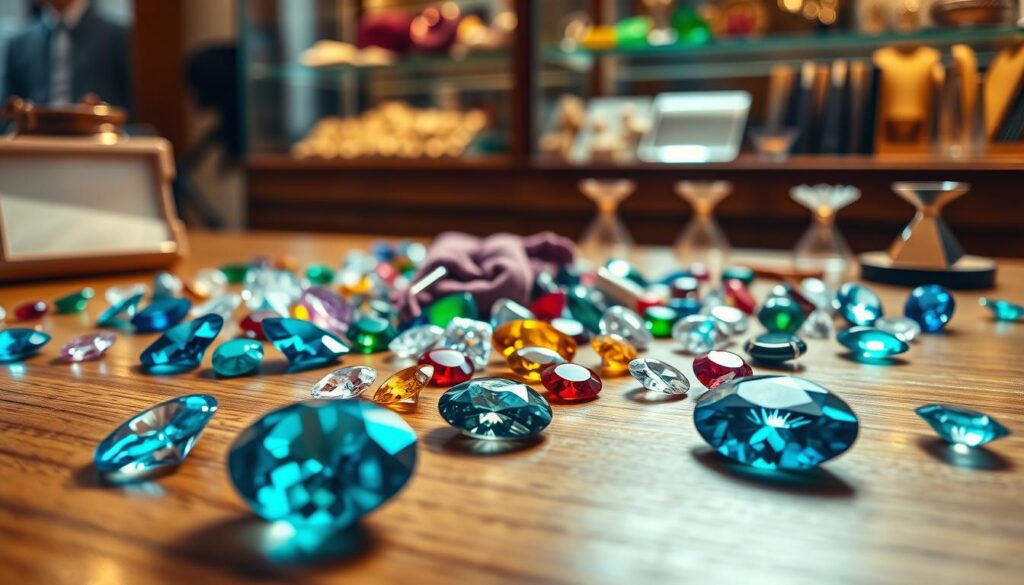
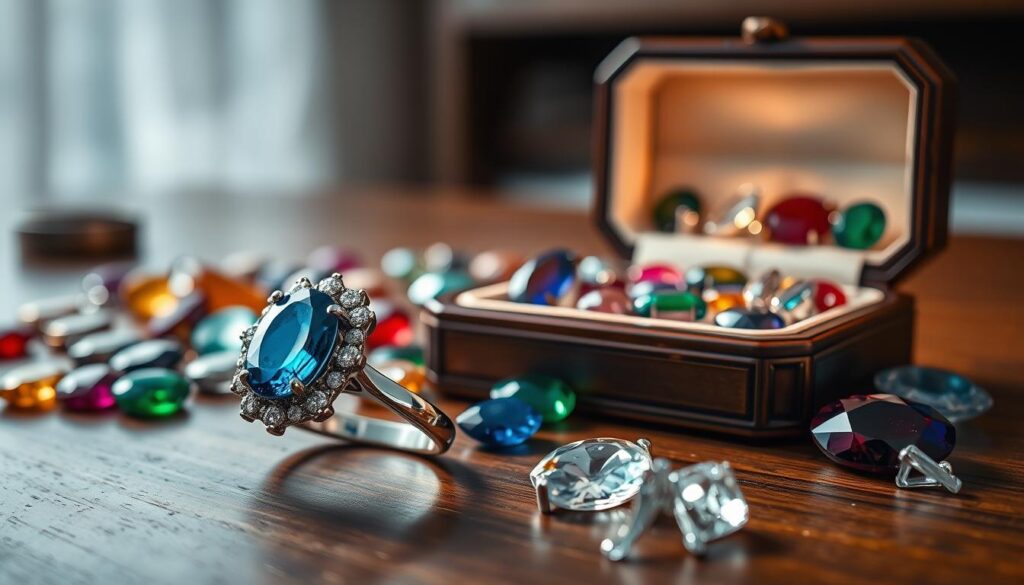
The fundamental difference between loose and set gemstones centers on accessibility and flexibility. Loose stones provide complete access for examination, photography, and potential future use in custom jewelry projects.
Set stones offer immediate visual appeal and historical context when part of antique or designer pieces. They also eliminate the need for separate display solutions since the jewelry setting serves as both protection and presentation.
Cost Considerations and Investment Value
Loose gemstones generally offer better value for pure stone quality since you avoid paying for precious metal settings and craftsmanship. This price difference becomes more significant with higher-grade stones where the gem represents the primary value component.
Set stones carry additional costs but may appreciate differently based on designer reputation, historical significance, or craftsmanship quality. Antique pieces often gain value from their complete presentation rather than stone quality alone.
Pricing Structure Comparison
- Loose stones – Direct cost reflects gem quality, carat weight, and market rarity.
- Set stones – Price includes gem value plus setting materials, labor, and brand markup.
- Designer pieces – Premium pricing for recognized jewelry houses or famous designers.
- Antique settings – Historical value may exceed individual component worth.
Storage and Display Requirements
Loose gemstones require minimal storage space using gem papers, small containers, or specialized storage systems. A substantial collection of loose stones fits easily in desk drawers or small safes, as detailed in our complete gemstone storage guide.
Jewelry pieces need individual compartments to prevent scratching and tangling. Ring rolls, padded boxes, and hanging organizers consume significantly more space while providing appropriate protection.
Organization Systems
- Loose stone filing. Sort by gem type, size, or acquisition date using labeled containers.
- Photography documentation. Create detailed photo records since loose stones lack identifying settings.
- Jewelry storage. Individual spaces prevent damage while maintaining easy access for viewing.
- Security considerations. Compact loose stone storage offers better theft protection than displayed jewelry.
Smart Storage Solution
Use white gem papers folded into triangular packets for loose stone storage. Write details directly on the paper for instant identification without opening multiple containers.
Examination and Authentication
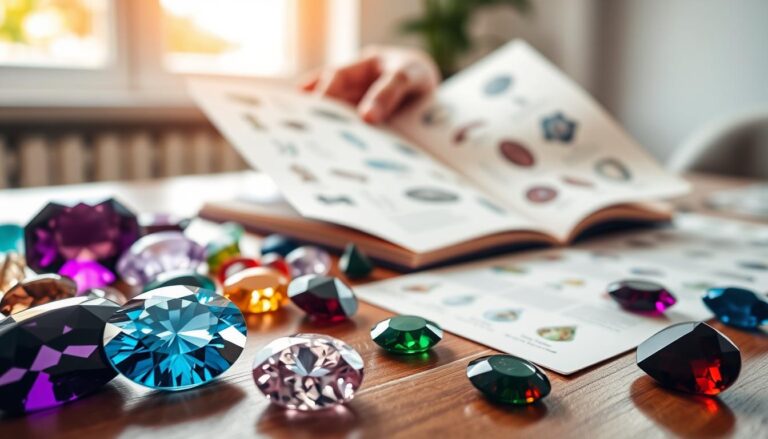
Loose gemstones allow complete visual inspection from all angles using standard gemological tools. You can easily check for treatments, inclusions, and quality factors that determine value and authenticity using simple identification techniques.
Set stones limit examination to visible portions, making comprehensive assessment difficult. Prong settings may hide crucial areas where treatments or damage could affect stone value, making it harder to determine if gemstones are authentic.
Gemological Testing Access
- Loose stones – Full access for refractometer, specific gravity, and spectroscope testing.
- Clarity grading – Complete inclusion mapping possible with unrestricted viewing angles.
- Treatment detection – Heat treatment evidence often visible only from certain angles.
- Set limitations – Metal settings block light transmission needed for some identification methods.
Collection Focus and Specialization
Loose stone collectors often focus on specific gem types, quality grades, or geographic origins. This approach builds deep expertise in particular areas while maintaining collection cohesion.
Jewelry collectors may emphasize periods, designers, or cultural traditions. The complete pieces tell stories about craftsmanship techniques, fashion history, and artistic movements.
Future Flexibility Options
Loose gemstones offer maximum flexibility for future use including custom jewelry projects, trading opportunities, or collection refinement. Stones can be easily photographed, measured, and marketed if circumstances change.
Set stones provide less flexibility but offer immediate enjoyment through wearing or display. Removing stones from antique settings typically reduces overall value despite preserving the individual gem.
Frequently Asked Questions
Which type of gemstone collecting requires more expertise?
Loose stone collecting demands more gemological knowledge since you rely entirely on your ability to assess quality and authenticity. Set stones provide some protection through established jewelry house reputations.
Do loose gemstones hold value better than jewelry pieces?
Loose stones typically maintain more stable values based on gem quality alone, while jewelry values fluctuate with fashion trends and designer reputation. High-quality loose stones offer more predictable investment characteristics.
How do insurance requirements differ between loose and set stones?
Insurance companies often require professional appraisals for both types, but jewelry pieces may need additional coverage for artistic or historical value beyond gem worth. Loose stones typically qualify for standard gem collection policies.
Can loose gemstones be displayed attractively?
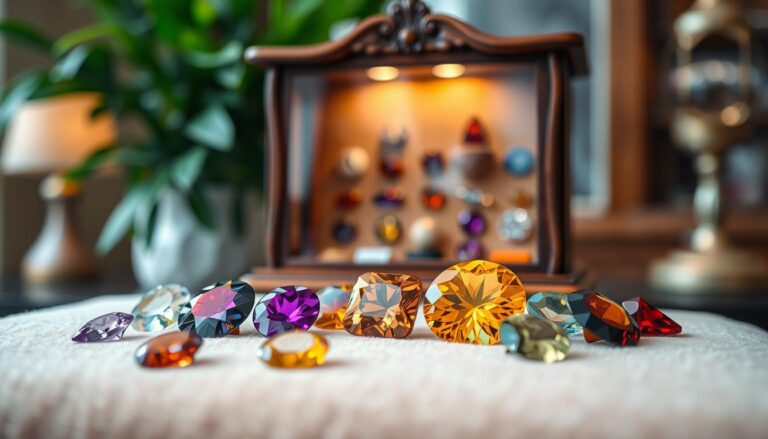
Quality loose stones display beautifully using proper lighting and backgrounds. Many collectors create rotating displays or photograph stones for digital galleries that highlight their natural beauty without permanent settings.
Final Thoughts
Loose Gemstones Vs Set Stones For Collectors ultimately depends on your personal interests, space constraints, and collecting philosophy. Both approaches offer rewarding experiences with different advantages and challenges.
Consider starting with one approach and expanding based on your evolving interests and expertise. Many successful collectors eventually incorporate both loose stones and jewelry pieces to create well-rounded collections that combine the benefits of our recommended stones for beginners.