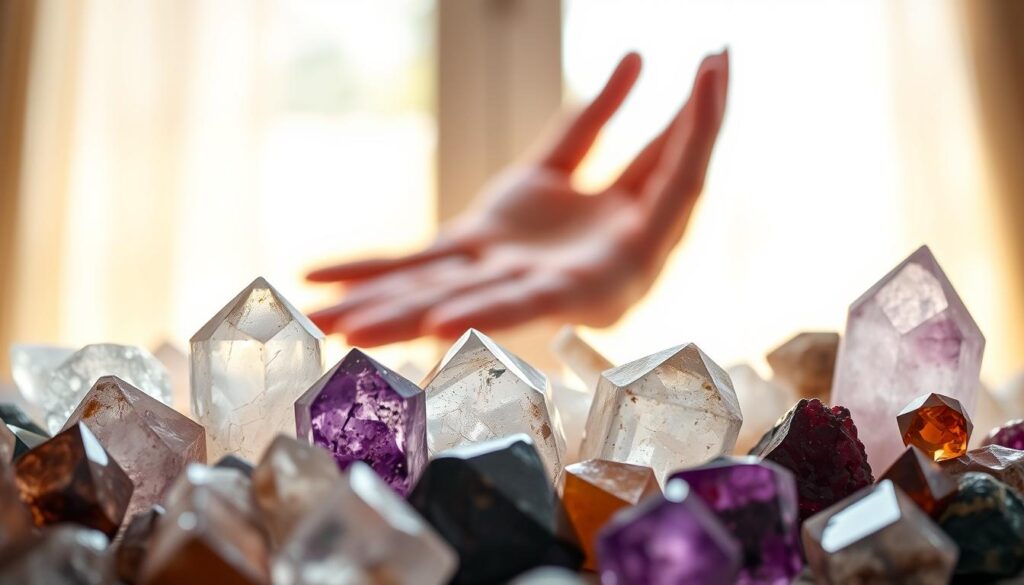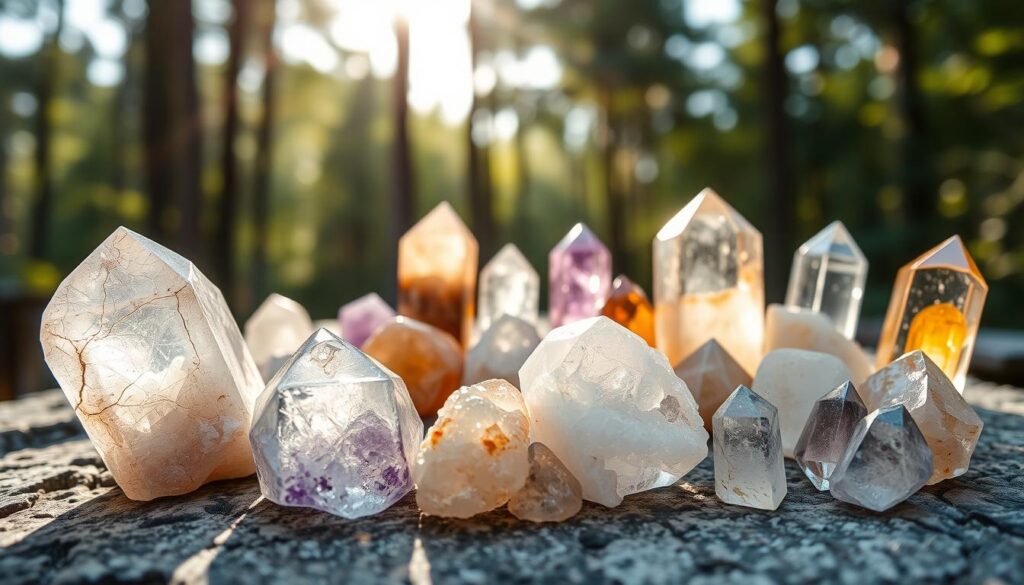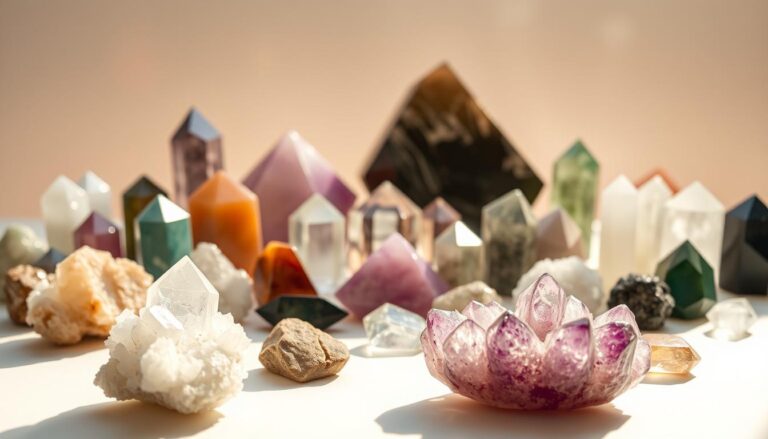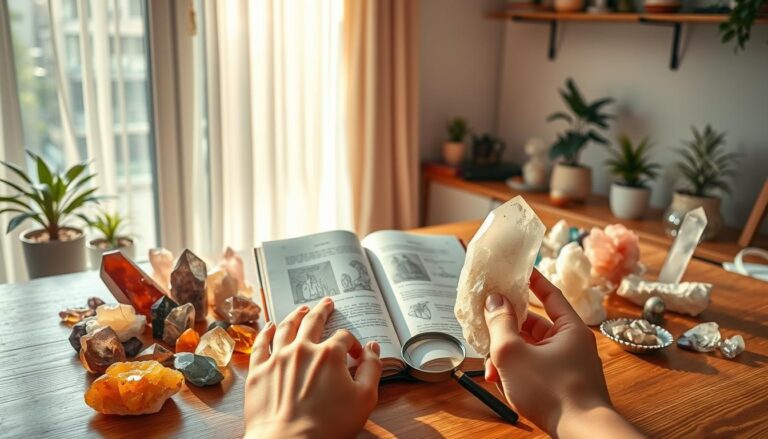
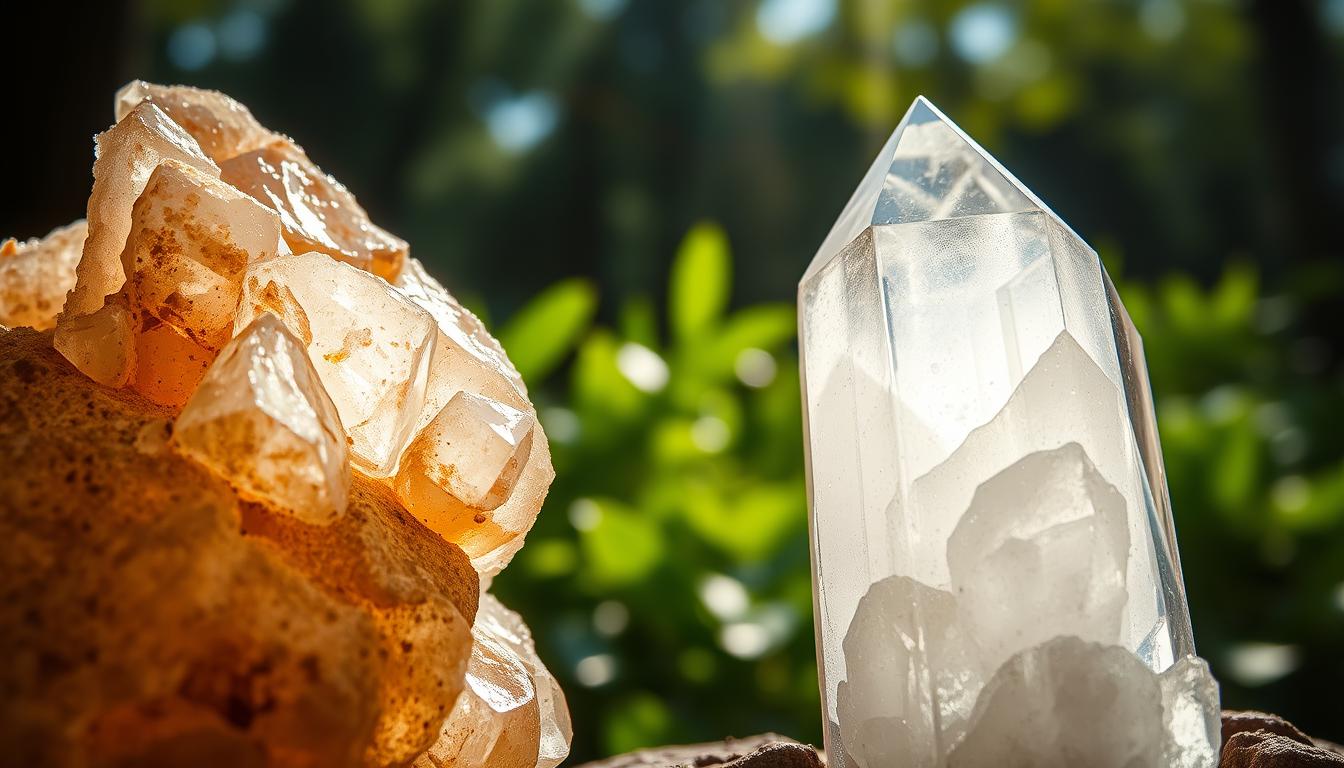
How To Tell Natural Crystals From Man Made specimens is a skill every crystal enthusiast needs to develop. Whether you’re shopping at a gem show, browsing online marketplaces, or visiting your local crystal shop, knowing the difference can save you from overpaying for synthetic stones.
The crystal market has exploded in recent years, and with increased demand comes an influx of manufactured alternatives. Learning to spot these differences protects your investment and ensures you’re getting the genuine healing properties many people seek from natural stones.
TL;DR
- Natural crystals have irregular inclusions and imperfections while synthetic ones appear too perfect with uniform patterns.
- Temperature test reveals natural stones stay cool to touch while glass and plastic fakes warm up quickly in your hand.
- Price points below $5 for larger specimens of expensive stones like amethyst or clear quartz often indicate synthetic materials.
- UV light testing shows natural fluorite glows purple-blue while synthetic versions either don’t react or show different colors.
How To Tell Natural Crystals From Man Made
The most reliable method combines visual inspection with physical testing. Natural crystals form over thousands of years under specific geological conditions, creating unique characteristics that manufacturers struggle to replicate perfectly.
Start by examining the crystal under good lighting conditions. Natural specimens contain inclusions, tiny fractures, and color variations that give each piece its individual personality. For those just starting their journey, understanding these basics is crucial before you begin collecting crystals.
Visual Inspection Techniques
Your eyes provide the first line of defense against synthetic crystals. Natural stones rarely achieve the flawless appearance that mass-produced alternatives display.
Surface Characteristics
Natural crystals show these telltale signs:
- Irregular inclusions – tiny bubbles, mineral deposits, or cloudy areas scattered throughout the stone.
- Natural fractures – hairline cracks that formed during the crystal’s growth process.
- Color variations – subtle shifts in hue and saturation rather than uniform coloring.
- Growth patterns – visible layers or zones showing how the crystal developed over time.
Synthetic crystals typically appear too perfect with uniform coloring and clarity. If a large specimen looks flawless and costs very little, approach with caution. Understanding the difference between clear vs cloudy crystals can help you recognize natural formation patterns.
Shape and Formation Clues
Natural crystals follow specific geometric patterns based on their mineral composition. Research the typical crystal system for your specimen – cubic, hexagonal, or tetragonal formations have distinct characteristics. Learning about common crystal shapes that collectors find will help you identify authentic formations.
Man-made crystals often show mold marks, uniform thickness, or shapes that don’t occur naturally. Look for perfectly round beads or unusually large specimens without any imperfections.
Physical Testing Methods
Beyond visual inspection, several hands-on tests help confirm authenticity without damaging the crystal.
Temperature Test
Natural stones conduct heat differently than synthetic materials. Hold the crystal in your palm for 30 seconds – genuine stones remain cool while glass or resin fakes warm up noticeably.
This test works especially well for quartz varieties, as natural quartz has excellent thermal conductivity properties.
Weight and Density
Natural crystals feel heavier than expected due to their mineral density. Plastic or resin imitations feel surprisingly light, while glass alternatives may feel similar in weight but lack the natural stone’s cool temperature.
Compare similar-sized specimens when possible to develop a feel for authentic crystal weight.
UV Light Testing
Many natural crystals fluoresce under UV light in predictable ways. Research your specific crystal type and test with a UV flashlight to reveal authentic fluorescence patterns.
Common Synthetic Materials
Understanding what materials manufacturers use helps identify fakes more easily.
Glass Imitations
Glass crystals appear extremely clear with perfect transparency. They warm up quickly in your hand and may contain perfectly round air bubbles rather than natural inclusions.
Tap the specimen gently – glass produces a higher pitched sound than natural stone.
Resin and Plastic
These materials feel noticeably lighter and warmer than natural crystals. Resin fakes may contain obviously artificial inclusions like glitter or perfectly placed objects.
The surface may show slight flexibility under pressure, something natural crystals never exhibit.
Lab-Grown Crystals
Laboratory-created crystals present the biggest challenge since they share the same chemical composition as natural stones. Look for perfect clarity, uniform growth patterns, and prices significantly below market value for natural specimens.
These crystals grow much faster than natural ones, sometimes showing different internal structures under magnification.
Price and Source Considerations
Market knowledge protects you from obvious fakes and helps identify suspiciously good deals.
Realistic Pricing
Research current market prices for the crystals you want. Natural amethyst clusters cost significantly more than $10 for palm-sized specimens, while genuine moldavite commands premium prices due to its rarity.
Extremely low prices often indicate synthetic materials or misrepresented specimens. New collectors should be especially aware of these common mistakes that crystal collectors make when evaluating prices and authenticity.
Reputable Sources
Buy from established dealers who provide certificates of authenticity or detailed sourcing information. Avoid vendors who can’t answer basic questions about their crystals’ origins or properties.
Gem and mineral shows offer opportunities to examine specimens in person and speak directly with knowledgeable dealers.
Frequently Asked Questions
Can synthetic crystals have the same healing properties as natural ones?
Most crystal practitioners believe natural stones carry unique earth energies that synthetic versions cannot replicate. However, personal belief and intention play significant roles in crystal healing practices.
Are all inexpensive crystals fake?
Not necessarily – some natural crystals like clear quartz are abundant and affordable. However, extremely low prices for typically expensive stones should raise red flags about authenticity.
What’s the difference between lab-grown and synthetic crystals?
Lab-grown crystals have the same chemical composition as natural ones but form in controlled laboratory conditions. Synthetic crystals use different materials entirely to mimic natural stone appearance.
Do natural crystals always have imperfections?
Yes, natural formation processes create inclusions, color variations, and minor imperfections in virtually all specimens. Perfect clarity and uniformity typically indicate artificial creation.
Can I test crystals without damaging them?
Yes, visual inspection, temperature testing, UV light examination, and weight assessment all provide valuable information without harming the crystal.
Final Thoughts
How To Tell Natural Crystals From Man Made specimens becomes easier with practice and knowledge of what to look for. Start by examining crystals you know are authentic to develop your eye for natural characteristics. If you’re looking to expand your collection with verified authentic specimens, consider the best starter crystals for beginners from reputable dealers.
Trust your instincts when something seems too perfect or too good to be true – natural crystals carry the beautiful imperfections that make each specimen unique.