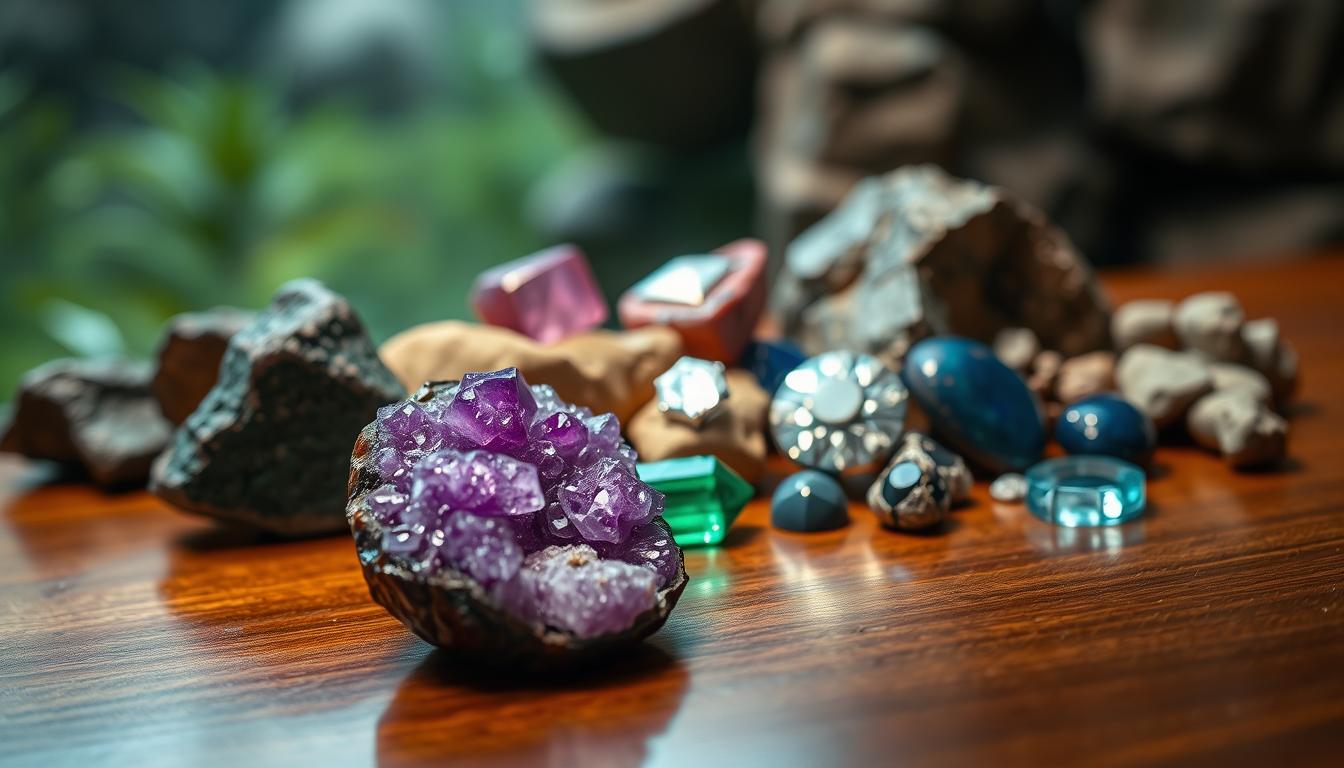
How To Tell If A Rock Is Valuable Or Just A Rock starts with understanding basic identification techniques that separate ordinary stones from potential treasures. Many people walk past valuable minerals daily without realizing their worth, but learning key visual and physical clues can change that.
Rock collecting has grown into a serious hobby where ordinary-looking specimens can be worth hundreds or thousands of dollars. The difference between a worthless pebble and a valuable find often comes down to knowing what to look for and how to test your discoveries properly.
TL;DR
- Weight test – valuable rocks like meteorites feel 2-3 times heavier than normal rocks of the same size.
- Streak test – scratch the rock on unglazed ceramic tile to reveal its true mineral color underneath weathering.
- Magnet test – only 5% of meteorites are magnetic, but iron-rich valuable minerals often attract magnets strongly.
- Crystal structure – well-formed geometric shapes and clear faces indicate potentially valuable minerals worth $50-500+ per specimen.
How To Tell If A Rock Is Valuable Or Just A Rock
The first step in rock identification involves examining the specimen’s physical properties systematically. Start by noting the rock’s color, luster, and overall appearance, but remember that surface weathering can hide a rock’s true nature.
Weight provides the most reliable initial clue about a rock’s potential value. Lift the specimen and compare it to similar-sized rocks – valuable minerals like galena, pyrite, or meteorites feel noticeably heavier due to their high metal content.
Visual Inspection Techniques
Look for these key visual indicators that suggest a rock might have value beyond ordinary stone:
- Crystal formations – geometric shapes with flat faces and sharp edges indicate organized mineral structure.
- Metallic luster – shiny, reflective surfaces that look like metal rather than glass or clay.
- Unusual colors – bright blues, purples, or greens rarely occur in common rocks.
- Banding or layering – distinct color bands might indicate agate, jasper, or other semi-precious stones.
- Transparent or translucent areas – light passing through sections suggests quartz varieties or other valuable minerals.
Physical Testing Methods
Simple field tests can reveal a rock’s composition without expensive equipment. These methods help distinguish valuable specimens from common rocks using basic tools you probably already own.
The Streak Test
Scratch your rock across an unglazed ceramic tile or rough concrete surface. The color of the powder it leaves behind reveals the mineral’s true color, which often differs from its weathered surface appearance.
Valuable minerals produce distinctive streak colors – hematite leaves red streaks despite appearing black, while pyrite creates greenish-black marks even when the surface looks golden.
Hardness Testing
Test your rock’s hardness using everyday objects arranged by hardness level:
- Fingernail (2.5) – scratches very soft minerals like talc or gypsum.
- Copper penny (3.5) – scratches calcite and softer minerals.
- Steel knife (5.5) – scratches most common minerals but not quartz or harder stones.
- Glass (5.5-6) – gets scratched by truly hard minerals like quartz, topaz, or diamond.
Identifying Specific Valuable Rock Types
Different categories of valuable rocks require specific identification approaches. Understanding these categories helps focus your search and testing efforts on the most promising specimens.
Meteorites
Meteorites represent some of the most valuable rocks you can find, with specimens selling for $1-40 per gram depending on type and rarity. Look for these meteorite characteristics:
- Fusion crust – thin, dark, glassy coating from atmospheric entry heating.
- Regmaglypts – thumbprint-like depressions on the surface.
- Metal flecks – visible pieces of iron-nickel throughout the specimen.
- High density – significantly heavier than terrestrial rocks of similar size.
Precious and Semi-Precious Stones
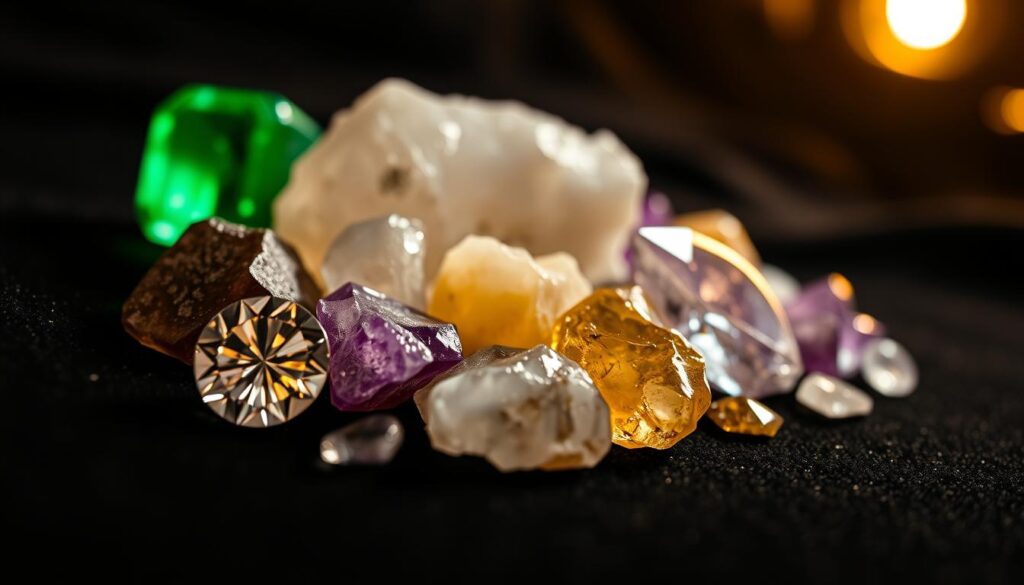
Gemstones in rough form look nothing like polished jewelry, making identification challenging for beginners. Focus on hardness, crystal structure, and clarity when evaluating potential gems.
Quartz varieties like amethyst, citrine, and smoky quartz form six-sided crystals with pyramid-shaped ends. These specimens can range from worthless to hundreds of dollars depending on clarity, color intensity, and size.
Quick Value Check
Take clear photos of your rock from multiple angles and post them in online rock identification groups on Facebook or Reddit. Experienced collectors can often identify valuable specimens instantly and provide estimated values.
Where Valuable Rocks Are Found
Location plays a crucial role in determining whether your rock might have value. Certain geological areas produce specific types of valuable minerals, making location knowledge essential for serious rock hunters.
Creek beds and river banks concentrate heavy minerals washed down from surrounding hills, creating natural collection points for gold, garnets, and other dense valuable stones.
Geological Hotspots
Research your local geology to understand what valuable minerals might occur in your area:
- Old mining areas – tailings and dumps often contain overlooked valuable specimens.
- Volcanic regions – produce obsidian, pumice, and sometimes rare minerals.
- Mountain areas – expose deep rock layers containing crystals and rare minerals.
- Desert regions – preserve meteorites and concentrate rare minerals through erosion.
Getting Professional Evaluation
When basic tests suggest you might have something valuable, professional evaluation becomes worthwhile. Local rock shops, university geology departments, and certified gemologists can provide definitive identification and valuation services.
Many rock shops offer free or low-cost identification services, especially if you’re a potential customer for their tools and supplies. Building relationships with experienced collectors and shop owners creates valuable learning opportunities and identification resources.
When to Seek Professional Help
Consider professional evaluation when your specimen shows multiple value indicators:
- Unusual weight or density – significantly heavier or lighter than expected.
- Strong magnetic attraction – possible meteorite or rare iron-rich mineral.
- Excellent crystal formation – well-formed geometric shapes with clear faces.
- Rare color combinations – colors uncommon in your local geology.
- High hardness with transparency – possible precious gemstone material.
Frequently Asked Questions
How can I tell if my rock is a meteorite?
Real meteorites have fusion crust, feel much heavier than normal rocks, and often contain visible metal flecks. Most suspected meteorites are actually terrestrial rocks, so professional testing is recommended for valuable specimens.
What makes some rocks more valuable than others?
Value depends on rarity, beauty, hardness, and collector demand. Precious metals, gemstone-quality minerals, perfect crystals, and meteorites command the highest prices due to their scarcity and desirable properties.
Are geodes always valuable?
Common geodes filled with plain quartz have minimal value, typically $5-20. However, geodes containing amethyst, agate, or rare minerals can be worth hundreds of dollars depending on size, crystal quality, and formation.
Can I find valuable rocks in my backyard?
Yes, valuable rocks can be found anywhere, but probability depends on your local geology. Research your area’s geological history and known mineral occurrences to understand what might be present in your region.
What tools do I need for rock identification?
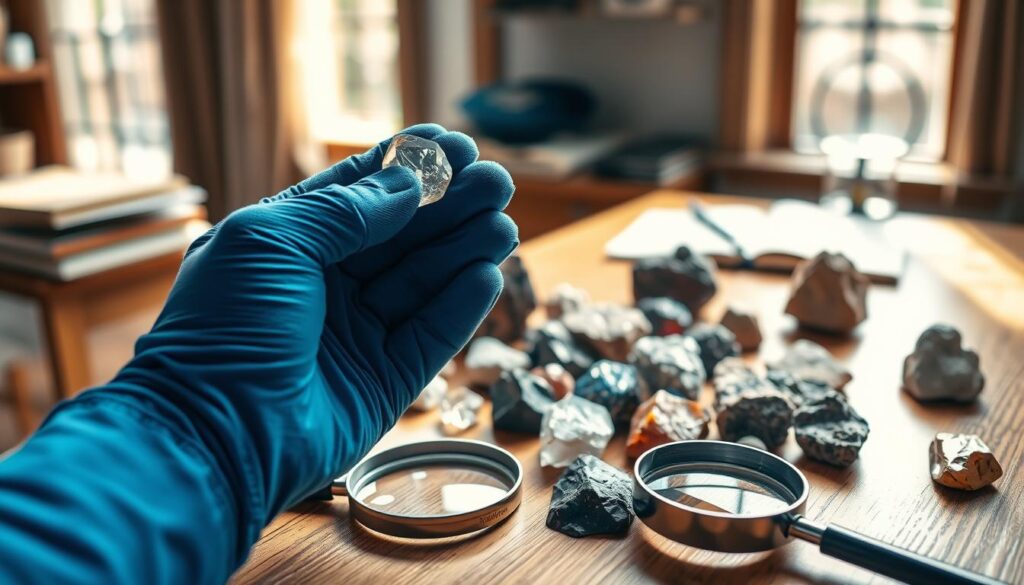
Basic identification requires a magnet, ceramic tile for streak testing, steel knife or nail for hardness testing, and a magnifying glass. These simple tools can identify most valuable rock types without expensive equipment.
Final Thoughts
How To Tell If A Rock Is Valuable Or Just A Rock becomes easier with practice and systematic testing approaches. Start with weight, hardness, and visual inspection before moving to more specialized tests for promising specimens.
Remember that most rocks are common minerals with little monetary value, but learning proper identification techniques increases your chances of recognizing the occasional valuable find that makes rock hunting worthwhile. For beginners starting their collection journey, understanding rocks often mistaken for gemstones can save time and prevent disappointment.