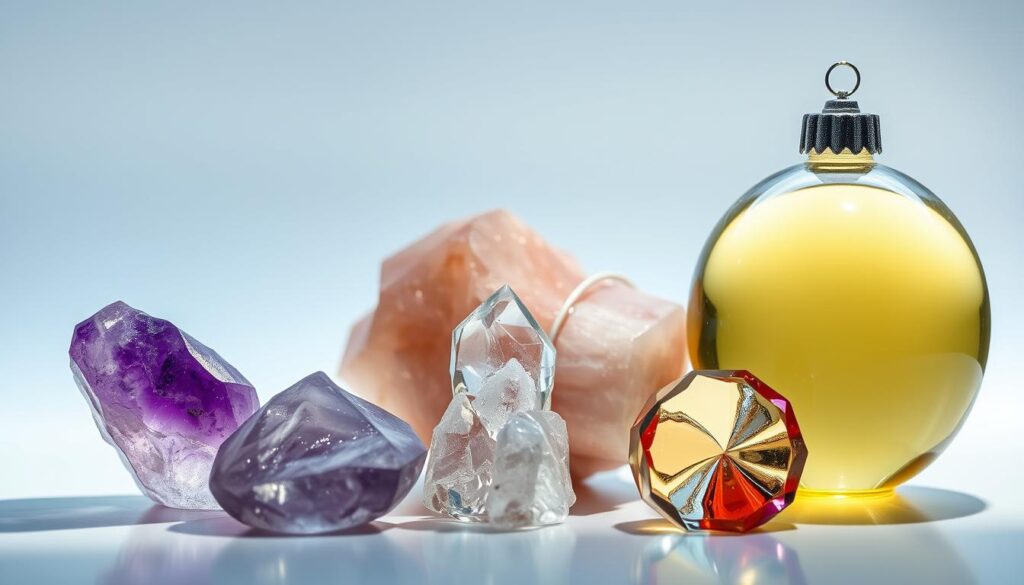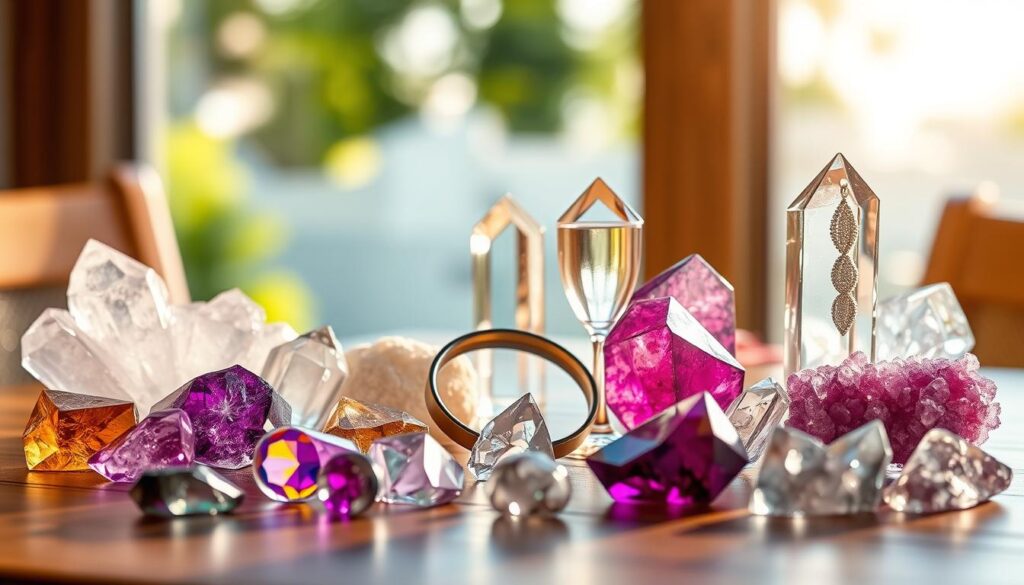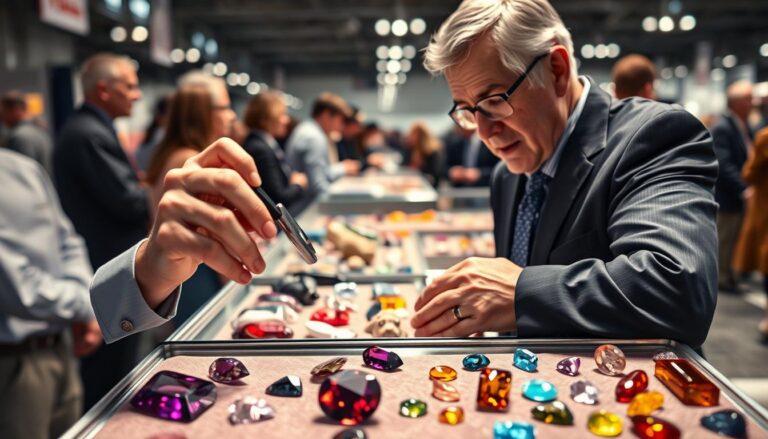
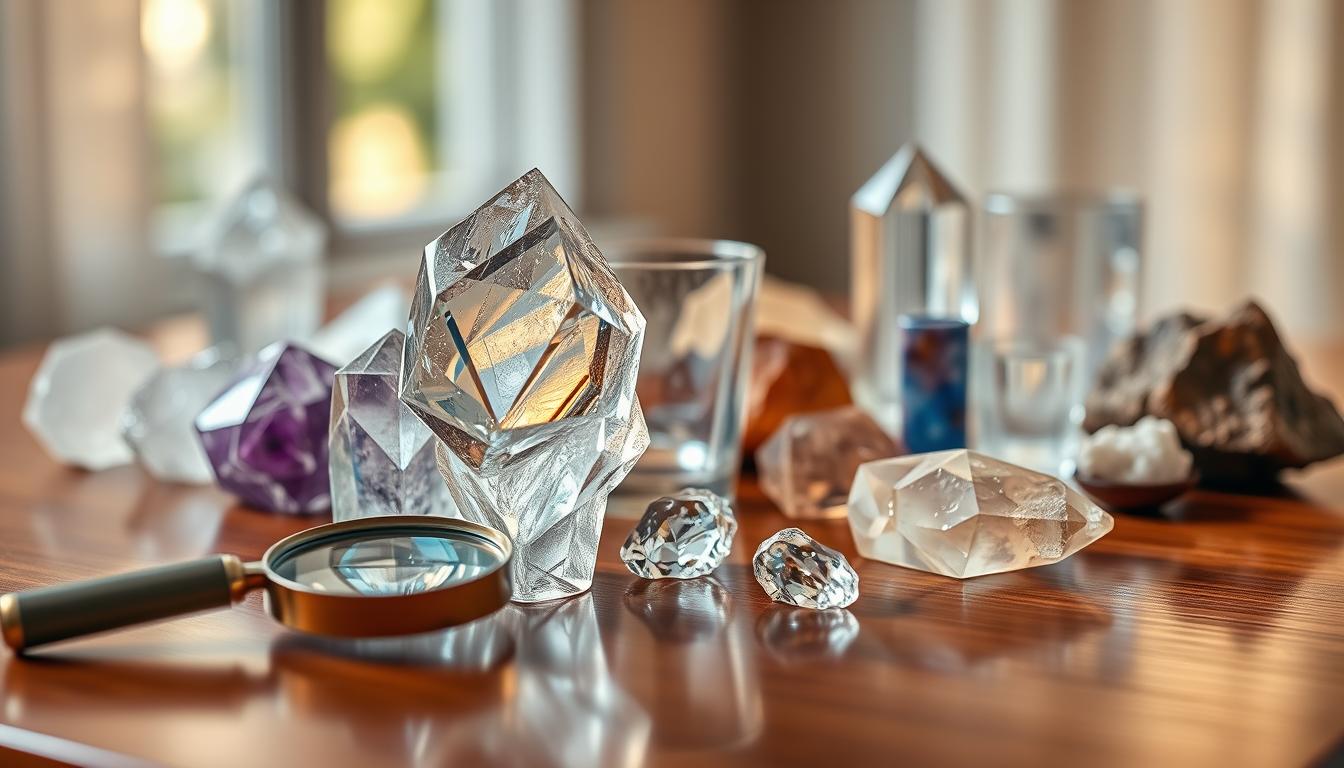
How To Tell Crystals From Glass can save you from expensive mistakes when shopping for genuine gemstones and minerals. Many sellers pass off manufactured glass as natural crystals, especially in tourist areas and online marketplaces.
Learning these identification techniques helps you spot fakes before you buy. Whether you’re building a collection or seeking crystals for their metaphysical properties, knowing the difference protects your investment and ensures you get what you pay for.
TL;DR
- Real crystals feel heavier than glass pieces of the same size due to higher density.
- Glass shows perfect clarity with air bubbles, while crystals have natural inclusions and imperfections.
- The scratch test reveals that most crystals rate 6-9 on hardness while glass sits at 5.5.
- Temperature difference is immediate – crystals stay cool to touch while glass warms up quickly in your hand.
How To Tell Crystals From Glass
The weight test provides your first clue when examining suspected crystals. Real crystals have higher density than glass, so they feel noticeably heavier when you hold pieces of similar size.
Pick up the specimen and compare it to other stones you know are genuine. Glass feels lighter and sometimes hollow, while authentic crystals have substantial weight that reflects their mineral composition.
Visual Inspection Methods
Glass manufacturers create nearly perfect clarity in their products, which actually works against them when trying to mimic natural crystals. Real crystals contain inclusions, tiny fractures, and color variations that formed over thousands of years.
Look for these telltale signs of authentic crystals:
- Natural inclusions – tiny mineral deposits, air pockets, or other crystals growing inside
- Color variations – subtle shifts in hue throughout the piece rather than uniform color
- Surface imperfections – small chips, rough patches, or natural growth patterns
- Internal fractures – hairline cracks that catch light at different angles
Glass pieces often contain round air bubbles that appear as perfect spheres. Natural crystals rarely have perfectly round inclusions – theirs tend to be irregular shapes that follow the mineral’s growth pattern.
The Clarity Test
Hold the specimen up to light and examine its transparency. Glass maintains consistent clarity throughout, while crystals often have areas of varying transparency.
Many genuine crystals show cloudy or milky sections mixed with clearer areas. This inconsistency indicates natural formation rather than manufactured production.
Physical Testing Techniques
The scratch test helps determine hardness levels between crystals and glass. Most crystals rate between 6-9 on the Mohs hardness scale, while glass typically measures around 5.5.
Try these safe scratch tests:
- Steel file test. A steel file (hardness 6.5) will scratch glass but not most genuine crystals like quartz or amethyst.
- Penny test. Copper pennies (hardness 3.5) scratch glass but leave no mark on real crystals.
- Glass plate test. Real crystals above hardness 5.5 will scratch a glass plate, while glass cannot scratch itself effectively.
Always test in an inconspicuous area to avoid damaging valuable specimens. Some softer crystals like calcite (hardness 3) will scratch more easily than glass, so combine this test with other methods for determining if your specimen is valuable.
Temperature Test
Hold the specimen against your cheek or wrist for 10 seconds. Real crystals stay cool while glass warms up quickly from your body heat.
Sound Analysis
Gently tap the specimen with a metal object like a coin or key. Glass produces a higher-pitched, ringing sound that fades quickly.
Crystals typically create a lower, more muffled tone that may resonate longer. This difference comes from the molecular structure – crystals have organized atomic arrangements while glass has random molecular patterns.
Advanced Identification Methods
UV light reveals fluorescent properties in many natural crystals that glass cannot replicate. Some minerals glow under blacklight due to trace elements in their structure. Many collectors use this technique along with identifying rocks that glow under UV light to verify authenticity.
Common fluorescent crystals include certain fluorites, calcites, and willemites. Glass pieces might have fluorescent coatings added, but they lack the natural glow patterns of genuine minerals.
Refractive Index Testing
Light behaves differently when passing through crystals versus glass. Natural crystals often show double refraction – you see two images when looking through certain specimens like calcite.
Glass maintains single refraction, showing only one image when you look through it. This optical property stems from the crystal’s organized molecular structure.
Common Glass Imposters
Certain glass types frequently masquerade as popular crystals. Knowing these common fakes helps you stay alert during shopping, especially when visiting rock shows where spotting fake gemstones requires extra vigilance.
Watch out for these typical imposters:
- Colored glass for amethyst – uniform purple color without natural variations
- Clear glass for quartz – perfect clarity with round air bubbles
- Blue glass for sodalite – bright blue without white veining patterns
- Green glass for aventurine – lacks the sparkly inclusions of real aventurine
Reconstituted or synthetic crystals present another category between natural and glass. These contain real crystal material but are manufactured rather than naturally formed. Understanding these differences becomes crucial when learning about rocks often mistaken for gemstones and their true nature.
Price and Source Indicators
Extremely low prices often signal glass imitations, especially for rare or expensive crystals. Natural specimens require mining, processing, and transportation costs that glass alternatives avoid.
Research typical price ranges for crystals you want to buy. If a deal seems too good to be true, examine the piece extra carefully using multiple identification methods. Consumer protection agencies like the FTC provide guidance on gemstone disclosure requirements that legitimate sellers must follow.
Frequently Asked Questions
Can glass ever be heavier than real crystals?
Lead glass can weigh more than some lighter crystals, but it still shows other glass characteristics like air bubbles and lower hardness. Use multiple tests rather than relying on weight alone.
Do all real crystals have inclusions and imperfections?
Most natural crystals have some inclusions or imperfections, though high-quality specimens can appear very clear. Perfect clarity combined with other glass characteristics suggests an imitation.
Will the scratch test damage my crystal?
Testing in small, hidden areas minimizes visible damage. Real crystals harder than steel won’t show scratches from careful testing, while softer specimens may show minor marks.
Can synthetic crystals pass these tests?
Lab-grown crystals have the same properties as natural ones and will pass most tests. They’re still genuine crystals, just created in controlled conditions rather than formed naturally.
Final Thoughts
How To Tell Crystals From Glass becomes easier with practice and multiple testing methods. Combining weight, visual inspection, hardness, and temperature tests gives you reliable identification results.
Start practicing these techniques on crystals you know are genuine to develop your skills. With experience, you’ll quickly spot glass imposters and shop with confidence for authentic specimens. Consider starting with beginner-friendly rocks to build your identification expertise before moving on to more valuable pieces.