How To Start A Mineral Collection opens up a fascinating world of natural treasures that you can discover, collect, and enjoy for years to come. Whether you’re drawn to sparkling crystals, colorful gemstones, or unique rock formations, building a mineral collection is an engaging hobby that combines science, art, and adventure.
Starting your collection doesn’t require a geology degree or expensive equipment – just curiosity and a willingness to learn. Many successful collectors began with simple finds from their backyard or local hiking trails before expanding to more exotic specimens.
TL;DR
- Start with 5-10 common minerals like quartz, pyrite, and calcite that cost $3-15 each to learn basic identification skills.
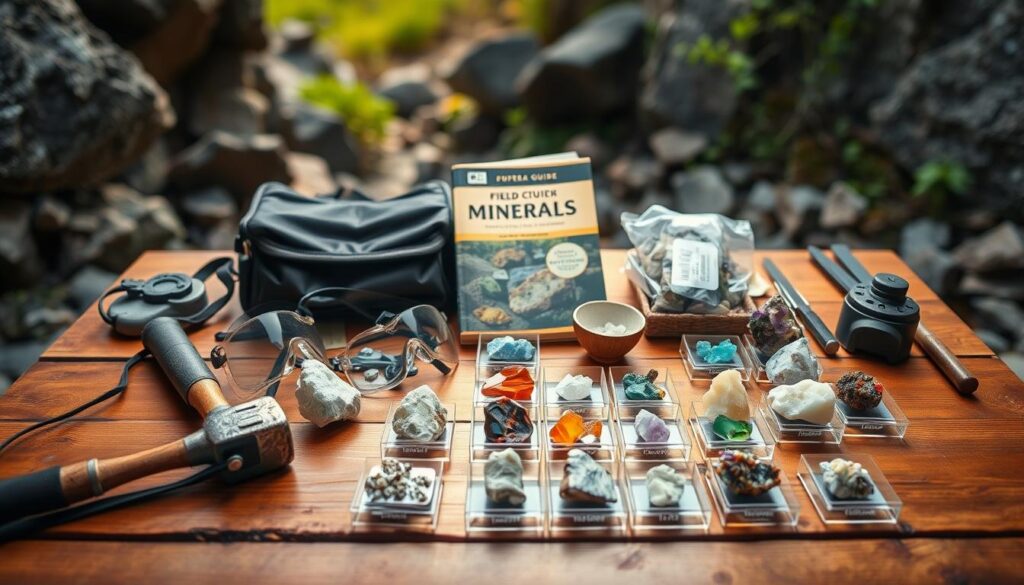
- Essential tools include a magnifying glass ($10), hardness testing kit ($20), and field guide ($25) for proper specimen evaluation.
- Local rock shops, mineral shows, and online dealers like Dakota Matrix offer authentic specimens with 30-90 day return policies.
- Store minerals in individual boxes with labels noting location found, date acquired, and mineral name to maintain collection value.
How To Start A Mineral Collection
Beginning collectors should focus on learning fundamental mineral properties before making purchases. Understanding hardness, crystal structure, and color variations helps you identify authentic specimens and avoid common mistakes.
Start with these beginner-friendly minerals that showcase different properties and are readily available:
- Quartz varieties – Clear quartz, amethyst, and rose quartz demonstrate crystal systems and color variations.
- Pyrite – Known as “fool’s gold,” it teaches metallic luster identification and cubic crystal forms.
- Calcite – Shows how minerals can form in different habits and demonstrates acid reaction testing.
- Fluorite – Available in multiple colors and displays perfect octahedral cleavage.
- Hematite – Demonstrates streak testing with its characteristic red-brown streak color.
Essential Tools and Equipment
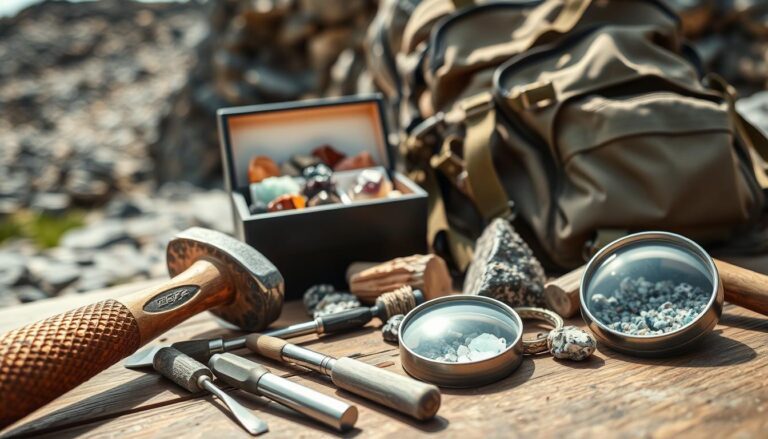
Basic mineral identification requires specific tools that help you test physical properties safely and accurately. These tools form the foundation of any serious collection and improve over time as your skills develop.
Identification Tools
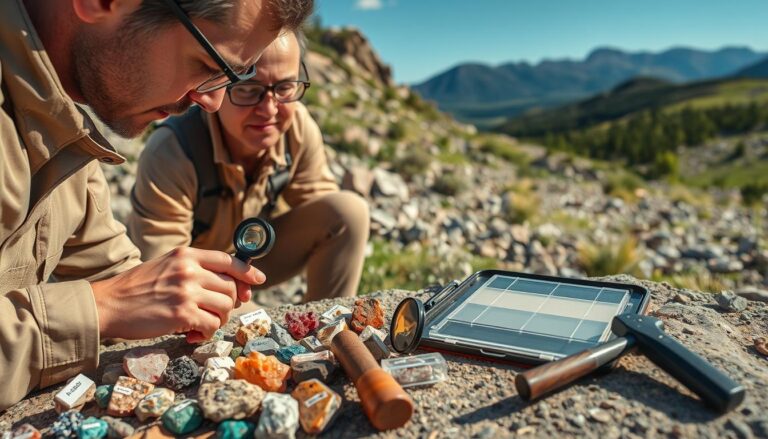
A magnifying glass or jeweler’s loupe (10x magnification) reveals crystal faces, inclusions, and surface textures invisible to the naked eye. Choose one with good optical clarity and LED lighting for detailed examination.
A hardness testing kit containing reference minerals (talc through diamond) lets you determine Mohs hardness scale ratings. This fundamental property helps distinguish similar-looking minerals and confirms identifications.
- Streak plate – Unglazed ceramic tile for testing mineral streak colors.
- Small magnet – Identifies magnetic minerals like magnetite and pyrrhotite.
- Dropper bottle with dilute acid – Tests carbonate minerals (use with proper safety precautions).
- UV light – Reveals fluorescent properties in minerals like fluorite and calcite.
Storage and Display
Individual specimen boxes prevent damage from minerals rubbing against each other during storage and transport. Small cardboard boxes with cotton padding work well for most collections.
Label each specimen immediately with location found, date acquired, and mineral name. Include any relevant details like who collected it or where you purchased it to maintain provenance records.
Where to Find and Buy Minerals
Local sources often provide the best learning opportunities because you can examine specimens before purchasing and ask questions about their origin. Building relationships with knowledgeable dealers also leads to better specimens and fair pricing over time.
Physical Locations
Rock and mineral shops offer hands-on examination of specimens and expert advice from experienced collectors. Many shops allow you to handle minerals before buying, which helps develop identification skills.
Gem and mineral shows happen throughout the year in most regions and feature dozens of dealers under one roof. These events provide opportunities to compare prices, see rare specimens, and network with other collectors.
- University geology departments – Sometimes sell duplicate specimens from teaching collections.
- Mining museums – Gift shops often carry authentic local specimens.
- Rock clubs – Members frequently trade or sell specimens at meetings.
Online Sources
Reputable online dealers provide detailed photos, measurements, and locality information for each specimen. Look for sellers who offer return policies and have positive feedback from multiple buyers.
eBay and Etsy require more caution due to varying seller quality, but they offer access to worldwide specimens. Always check seller ratings and read item descriptions carefully before bidding.
Start Local First
Visit nearby rock shops and attend one local mineral show before buying online. Handling real specimens builds the experience needed to evaluate online photos and descriptions accurately.
Building Your Collection Strategy
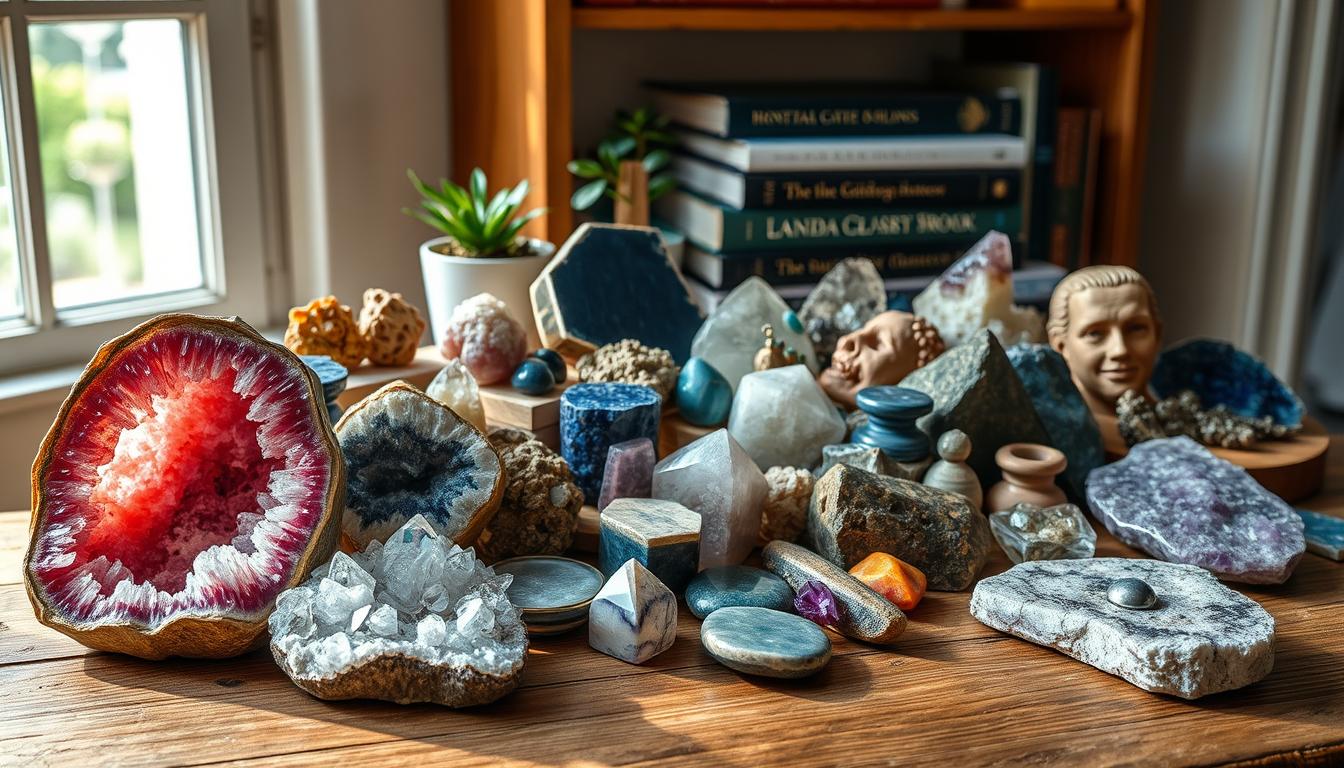
Successful collections often follow specific themes that provide focus and prevent random accumulation of unrelated specimens. Choose a theme that matches your interests and budget while leaving room for growth.
Collection Themes
Geographic collections focus on minerals from specific locations like your home state, a particular mine, or famous mineral localities. This approach teaches regional geology and creates meaningful connections to places you visit.
Systematic collections include representative specimens from major mineral groups like silicates, carbonates, and sulfides. This scientific approach provides comprehensive coverage of mineral diversity.
- Color-based collections – All blue minerals or all red minerals create visually striking displays.
- Crystal system collections – One perfect example from each of the seven crystal systems.
- Birthstone collections – Traditional and modern birthstones with their mineral alternatives.
- Fluorescent minerals – Specimens that glow under ultraviolet light for dramatic displays.
Quality vs. Quantity
Focus on acquiring fewer, higher-quality specimens rather than many poor examples. A single excellent crystal teaches more about mineral properties than ten damaged or low-grade pieces.
Set realistic budgets for your collection and stick to them consistently. Quality specimens appreciate in value over time, while cheap specimens often need replacement as your knowledge grows.
Proper Care and Maintenance
Minerals require different care depending on their hardness, cleavage, and chemical stability. Understanding these properties prevents damage and keeps specimens in display condition for years.
Cleaning Methods
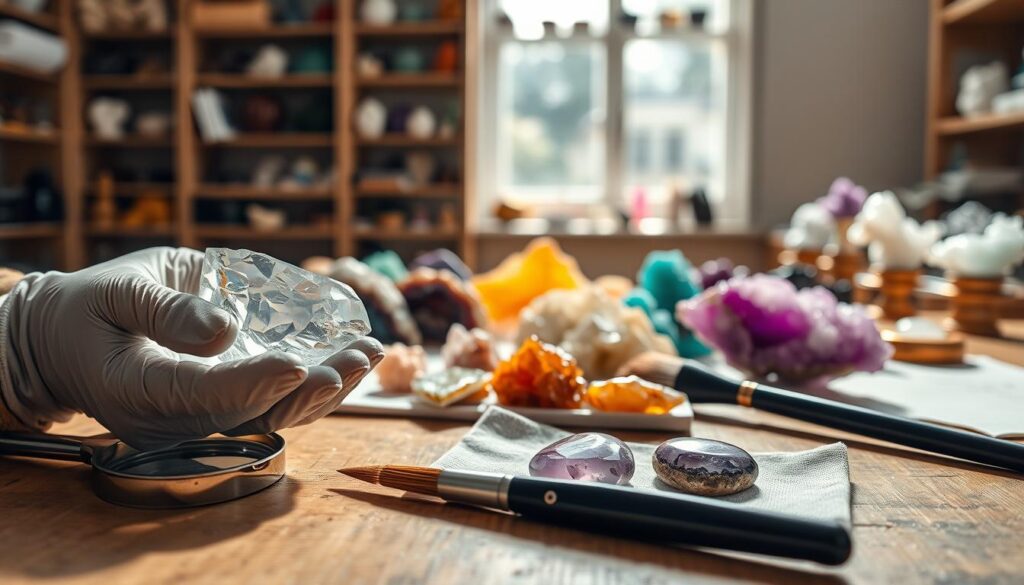
Most minerals clean safely with soft brushes and distilled water, but some require special handling. Never use acids, commercial cleaners, or ultrasonic baths without researching the specific mineral first – learn more about safe cleaning methods.
Soft minerals like gypsum and calcite scratch easily and should be dusted with soft brushes only. Hard minerals like quartz can handle more aggressive cleaning with toothbrushes and mild detergents.
- Compressed air – Removes dust from delicate crystal faces without contact.
- Cotton swabs – Clean small crevices and detailed crystal formations.
- Distilled water – Prevents mineral deposits that tap water can leave behind.
Environmental Factors
Store collections away from direct sunlight, as UV exposure fades some minerals like amethyst and kunzite over time. Consistent temperature and humidity prevent thermal expansion damage and reduce oxidation in metal-bearing specimens – proper storage and display methods are essential for maintaining collection value.
Some minerals like halite (salt) absorb moisture from humid air and can dissolve or become sticky. Store these specimens with silica gel packets in sealed containers when necessary.
Frequently Asked Questions
How much money do I need to start a mineral collection?
You can start with $50-100 for basic tools and 5-10 common specimens. Many collectors begin by finding free specimens outdoors and gradually add purchased pieces as their knowledge grows.
Are minerals found in nature better than store-bought specimens?
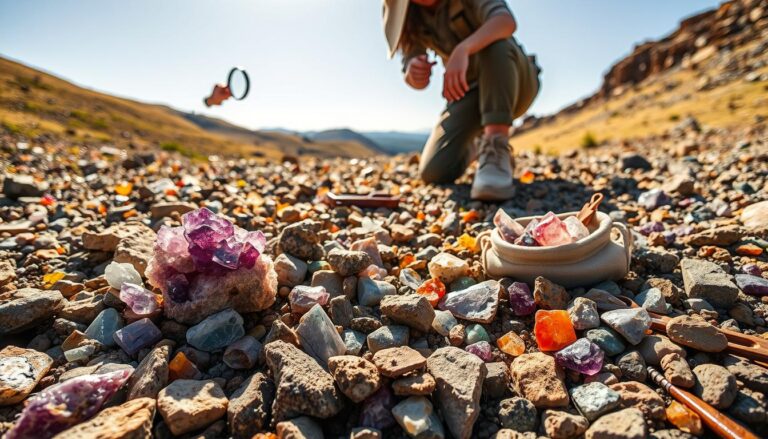
Both have value – field collecting teaches geology and provides personal connection to specimens, while purchased minerals offer access to worldwide localities and perfect crystal examples. Most serious collectors combine both approaches.
How do I know if a mineral is authentic?
Learn basic testing methods like hardness, streak, and crystal form identification. Buy from reputable dealers who provide locality information and return policies, and join mineral clubs where experienced collectors can help verify specimens.
What’s the difference between rocks, minerals, and crystals?
Minerals are naturally occurring chemical compounds with specific crystal structures, while rocks are mixtures of one or more minerals. Crystals are minerals that formed with well-developed external faces showing their internal atomic arrangement.
Can I collect minerals from any location?
Always check local laws and obtain permission before collecting on private property. Many areas prohibit mineral collecting, especially national parks, private mines, and protected habitats. Join local rock clubs to learn about legal collecting sites in your area.
Final Thoughts
How To Start A Mineral Collection is a journey that combines scientific learning with the excitement of discovery and the satisfaction of building something beautiful. Each specimen tells a story about Earth’s geological processes and the conditions under which it formed.
Begin with common, affordable specimens and basic identification tools, then let your interests guide the collection’s development. The knowledge and appreciation you gain will last a lifetime and potentially inspire others to explore the natural world.