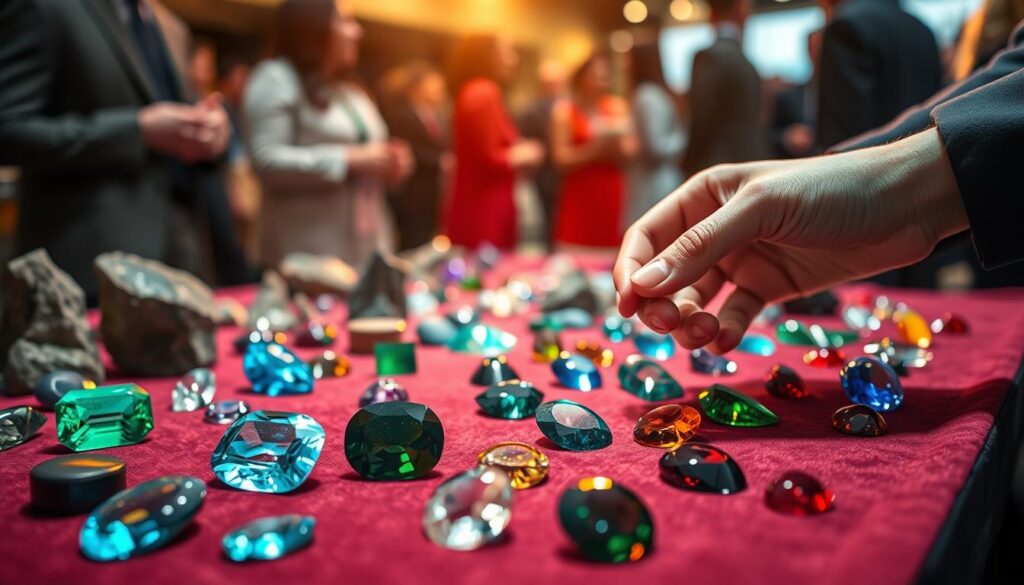
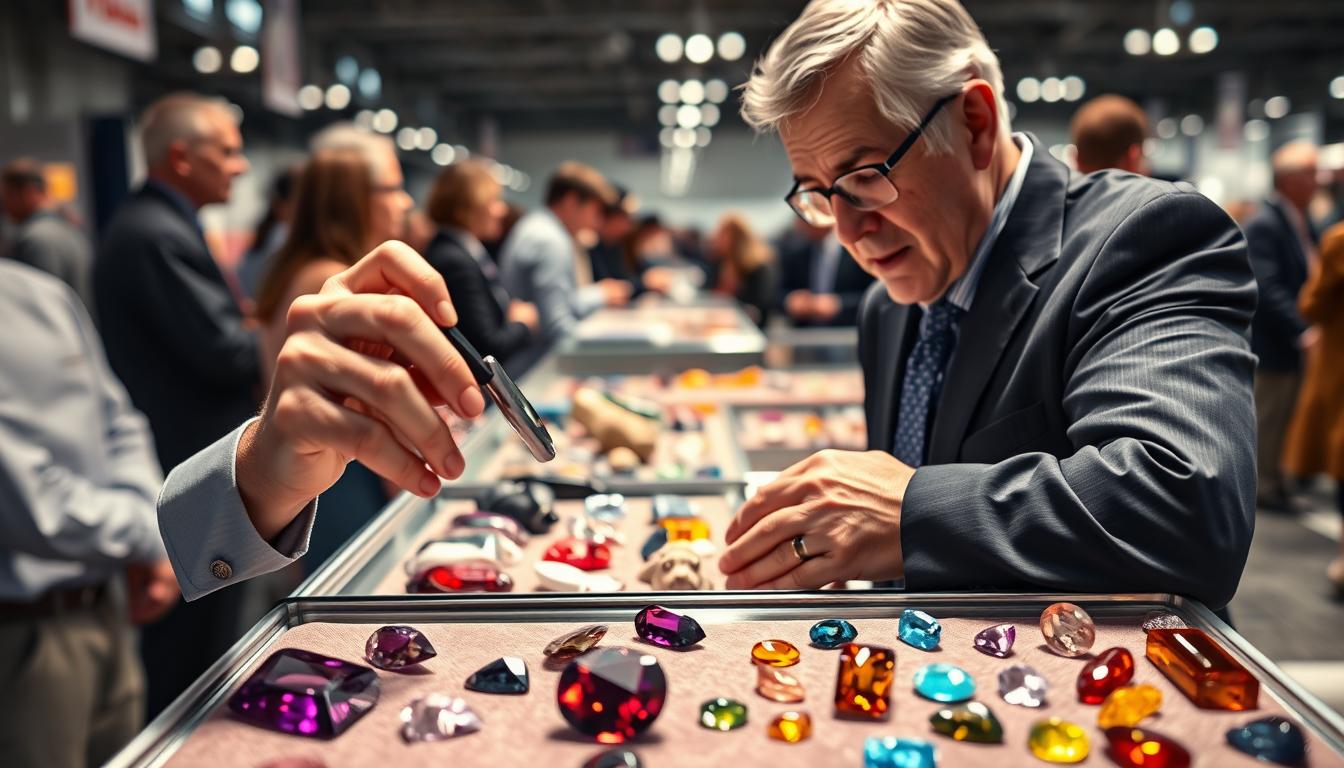
How To Spot Fake Gemstones At Rock Shows can save you from expensive mistakes and help you build a genuine collection. Rock shows offer incredible opportunities to find rare specimens, but they also attract sellers offering synthetic and treated stones as natural ones.
Learning to identify authentic gemstones takes practice, but knowing the key warning signs will protect your investment from day one. The techniques below work whether you’re browsing local gem shows or major mineral exhibitions.
TL;DR
- Bring a 10x jeweler’s loupe to examine inclusions – natural stones show irregular internal features while synthetics appear too perfect.
- Test hardness with a steel nail file – genuine quartz (7 on Mohs scale) will scratch the file, while glass imitations won’t.
- Check prices against market values – natural emeralds under $50 per carat are almost always synthetic or heavily treated.
- Look for disclosure labels – reputable dealers clearly mark synthetic, treated, or enhanced stones on their displays.
How To Spot Fake Gemstones At Rock Shows
Start your examination before you even touch a stone. Genuine gemstones rarely look perfect – they contain natural inclusions, color variations, and small imperfections that formed over millions of years.
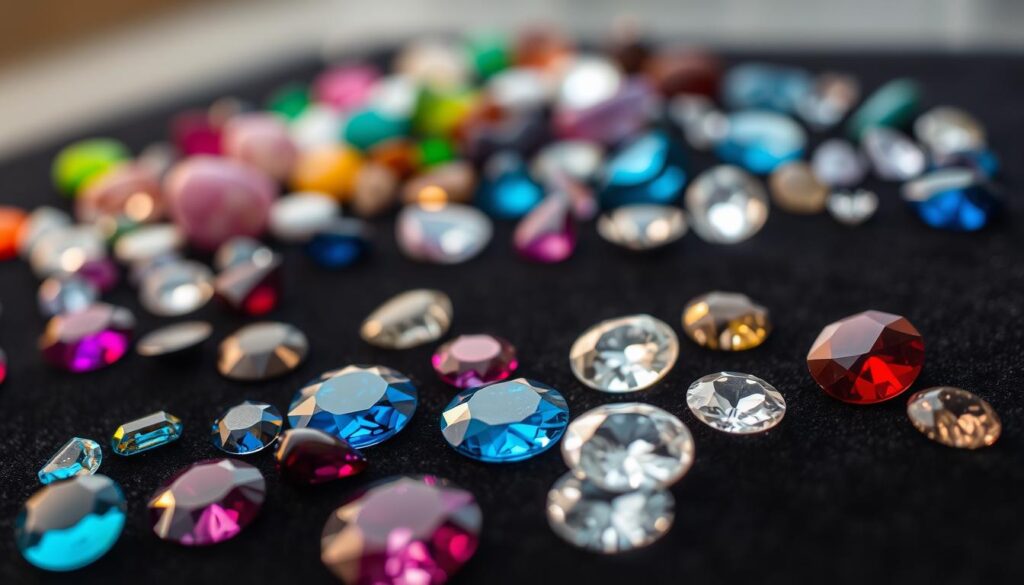
Synthetic stones often appear too clean and uniform in color. If a large ruby or emerald looks flawless and costs less than a car payment, it’s likely lab-created or glass.
Essential Tools for Gemstone Authentication
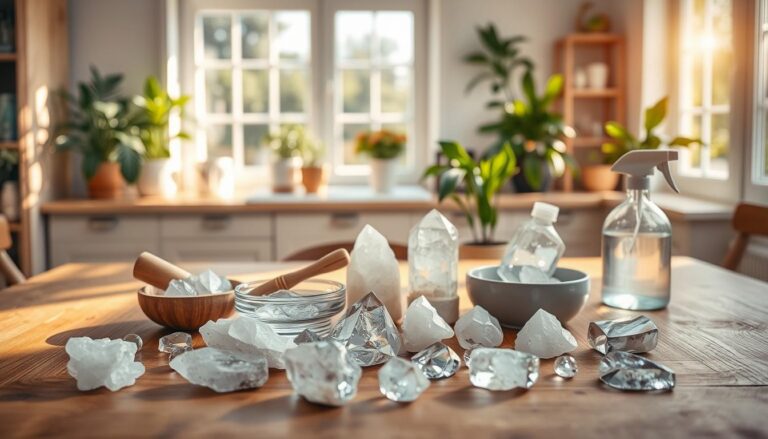
Pack these basic tools in your rock show kit. They’ll help you make informed decisions without relying solely on seller claims. These essential rockhounding tools will serve you well beyond just gemstone authentication.
- 10x Jeweler’s Loupe – reveals internal structures and inclusions that indicate natural formation.
- Steel File – tests hardness levels to separate genuine quartz from glass imitations.
- Small Flashlight – illuminates stones to check for consistent color and clarity.
- Reference Guide – pocket-sized book with hardness scales and identification charts.
Visual Inspection Techniques
Hold the stone up to natural light and examine its internal structure. Natural gemstones contain tiny inclusions like mineral crystals, gas bubbles, or growth lines that formed during their creation.
Synthetic stones made in laboratories often lack these natural markers or contain artificial inclusions like curved growth lines or metallic flakes. Glass imitations typically show air bubbles when viewed under magnification.
Color and Clarity Red Flags
Natural gemstones rarely display perfect, uniform color throughout the entire stone. Look for subtle color zones, lighter and darker areas, or slight variations in saturation.
Be suspicious of stones with these characteristics:
- Perfect Clarity – flawless transparency in colored stones like emeralds or rubies.
- Intense Color – unnaturally vivid hues that seem too good to be true.
- Uniform Patterns – repetitive designs that suggest machine manufacturing.
- Metallic Luster – artificial shimmer from titanium or other coating treatments.
Physical Testing Methods
Hardness testing helps separate genuine stones from glass imitations. Use a steel file to gently scratch an inconspicuous area – genuine quartz varieties will scratch steel, while glass copies won’t.
Weight can also indicate authenticity. Natural stones feel substantial in your hand compared to plastic or resin imitations of the same size.
Temperature Test
Touch the stone to your cheek – natural gemstones feel cool initially and warm up slowly. Plastic imitations warm up immediately and feel less dense.
Advanced Identification Techniques
Some synthetic stones require more sophisticated testing methods. Look for these additional clues during your examination.
- Check Optical Properties. Rotate the stone under light to observe how it bends and reflects illumination compared to known natural specimens.
- Examine Surface Quality. Natural stones often show tiny surface imperfections while synthetics appear machine-polished to perfection.
- Test Thermal Conductivity. Real diamonds conduct heat rapidly – they’ll fog briefly when you breathe on them then clear immediately.
Pricing and Seller Evaluation
Research current market prices before attending rock shows. Natural gemstones have established value ranges based on size, quality, and rarity – deals that seem too good to be true usually are. Understanding why some rocks are worth money helps you evaluate pricing appropriately.
Reputable dealers provide clear information about their stones including origin, treatments, and whether specimens are natural or synthetic. Avoid vendors who can’t answer basic questions about their inventory.
Documentation and Certificates
Ask for documentation on expensive purchases. Legitimate dealers often provide certificates from recognized gemological institutes for valuable stones.
Be cautious of certificates from unknown organizations or sellers who refuse to guarantee their stones’ authenticity in writing.
Common Types of Fake Gemstones at Shows
Certain gemstone varieties appear frequently as imitations at rock shows. Knowing which stones to scrutinize most carefully helps focus your attention.
Turquoise
Genuine turquoise shows natural matrix patterns and feels cool to the touch. Synthetic versions often display overly uniform color and lack the characteristic host rock veining.
Stabilized turquoise (natural stone treated with resins) is common and acceptable if properly disclosed by the seller.
Amber
Real amber feels warm in your hands and may contain ancient insects or plant material. Plastic imitations feel cooler and often contain obviously artificial inclusions like glitter or modern debris.
Copal (young tree resin) is sometimes sold as amber but dissolves slightly in acetone while genuine amber remains unaffected.
Quartz Varieties
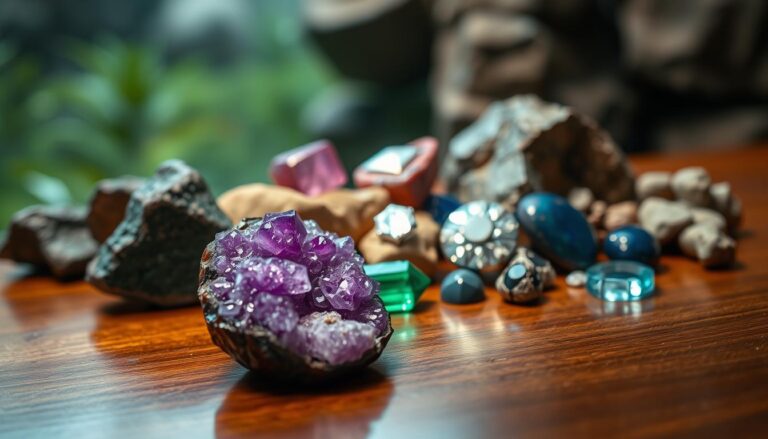
Synthetic quartz appears in many forms at rock shows including artificial amethyst, citrine, and rose quartz. Natural specimens show growth lines and minor imperfections while lab-created versions appear too perfect. If you’re interested in finding authentic quartz specimens, learn about where to find quartz crystals in nature to better understand their natural characteristics.
Heat-treated amethyst (creating citrine) is common and acceptable if disclosed, but sellers should explain any treatments applied to their stones.
Frequently Asked Questions
What’s the most common fake gemstone at rock shows?
Synthetic turquoise and dyed stones are the most frequent imitations, often sold without proper disclosure of treatments or artificial origin.
Should I avoid all synthetic gemstones?
Synthetic stones have value when properly labeled and priced accordingly – they offer beauty at lower costs but shouldn’t be misrepresented as natural.
How can I verify expensive purchases after buying?
Take valuable stones to certified gemologists for independent assessment and consider professional appraisal for insurance purposes.
What questions should I ask dealers?
Ask about stone origin, any treatments applied, whether specimens are natural or synthetic, and request documentation for expensive pieces.
Are treated stones always fake?
Treatment doesn’t make stones fake, but heat treatment, dyeing, or enhancement should be clearly disclosed and reflected in pricing.
Final Thoughts
How To Spot Fake Gemstones At Rock Shows becomes easier with practice and the right tools. Start with basic visual inspection and hardness testing, then develop more advanced skills as you gain experience. Learning how to tell crystals from glass is particularly useful for distinguishing natural specimens from common imitations.
Remember that education is your best protection – the more you learn about natural gemstone characteristics, the better equipped you’ll be to make smart purchases at rock shows. Understanding rocks often mistaken for gemstones will also help you avoid common pitfalls when evaluating potential purchases.