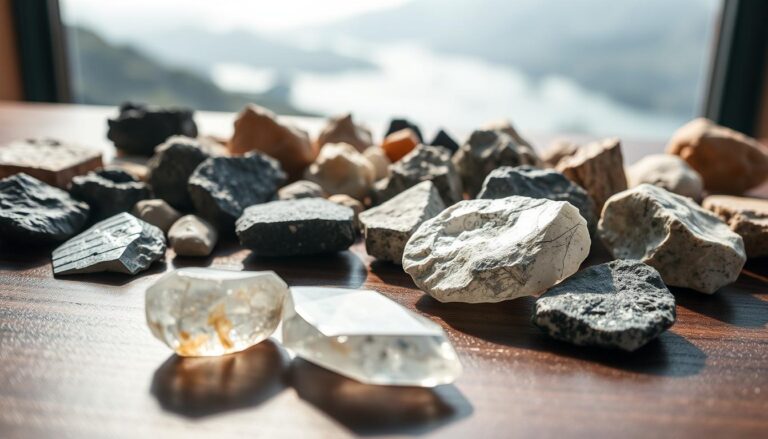
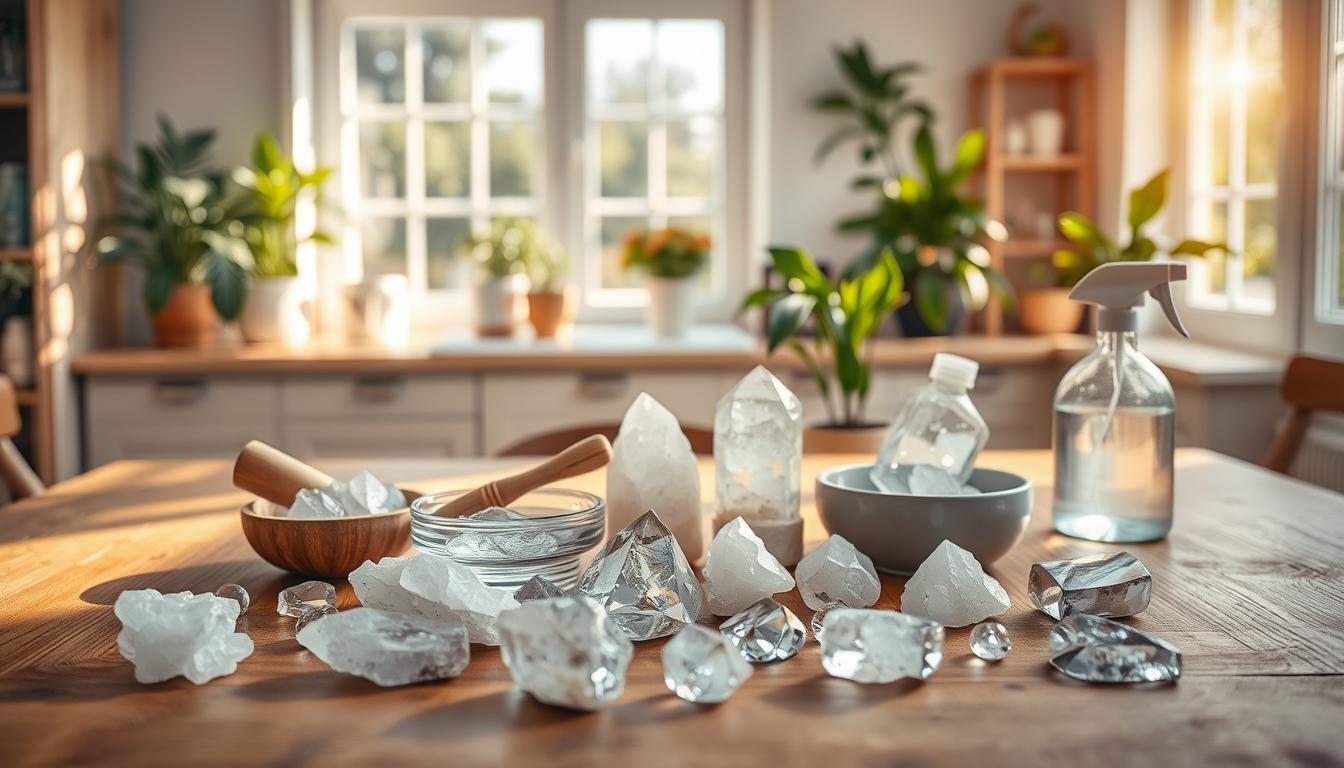
How To Clean Rocks And Crystals Safely At Home requires the right techniques to preserve their natural beauty and energy. Whether you’ve collected specimens from nature or purchased crystals for healing purposes, proper cleaning maintains their appearance and removes accumulated dirt, oils, and negative energy.
Many rock and crystal enthusiasts make costly mistakes by using harsh chemicals or inappropriate methods that can damage delicate surfaces or alter the stone’s properties. The key is understanding which cleaning methods work best for different types of minerals and avoiding techniques that could cause irreversible harm.
TL;DR
- Soft-bristled toothbrushes remove 90% of surface dirt without scratching delicate crystal faces.
- Room temperature water prevents thermal shock that can crack stones like fluorite and calcite.
- Salt water dissolves selenite, halite, and other water-soluble minerals within 30 minutes of exposure.
- Ultrasonic cleaners work safely on quartz varieties but can shatter included or fractured specimens.
How To Clean Rocks And Crystals Safely At Home
Start with the gentlest methods first to avoid damaging your specimens. Most rocks and crystals only need basic cleaning with water and gentle scrubbing to restore their natural shine.
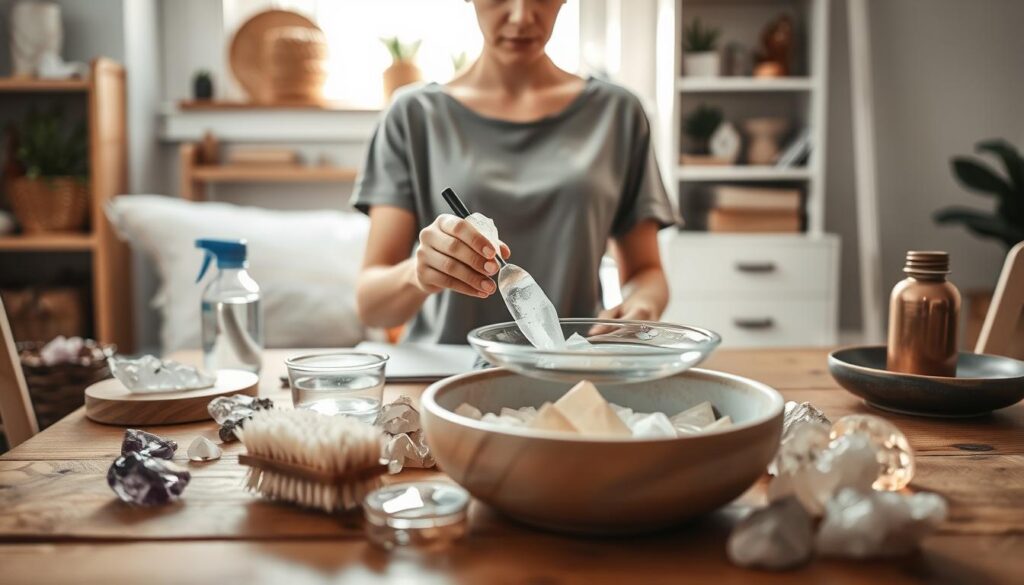
Gather these essential supplies before you begin cleaning:
- Soft-bristled toothbrush – removes dirt from crevices without scratching
- Microfiber cloths – lint-free drying and polishing
- Plastic bowls – avoid metal containers that can cause scratches
- Room temperature water – prevents thermal shock damage
- Mild dish soap – cuts through oils and grime safely
Basic Water Cleaning Method
Water cleaning works for most durable minerals including quartz, jasper, agate, and most tumbled stones. This method removes surface dirt, dust, and light staining without harsh chemicals. If you’re working with specimens you’ve found in nature, they often require more thorough cleaning than purchased stones.
- Rinse thoroughly. Hold specimens under lukewarm running water to remove loose dirt and debris.
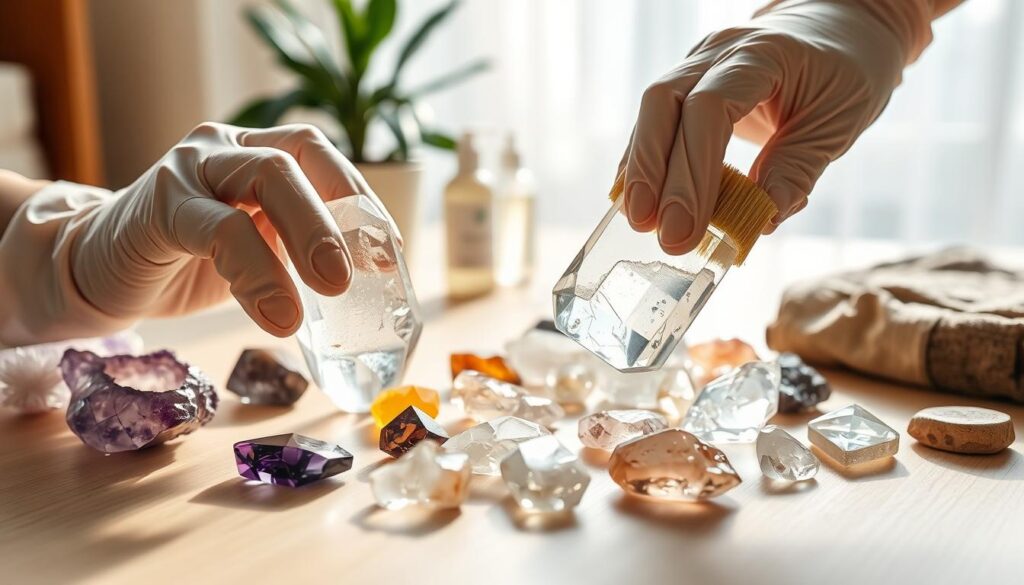
- Scrub gently. Use a soft toothbrush in circular motions to work dirt out of cracks and rough surfaces.
- Add soap if needed. One drop of mild dish soap helps break down stubborn oils and grime.
- Rinse completely. Remove all soap residue which can leave films or attract more dirt.
- Dry immediately. Pat dry with microfiber cloths to prevent water spots and mineral deposits.
Rocks and Crystals That Cannot Get Wet
Several popular minerals dissolve or become damaged when exposed to water. Always research your specific specimens before attempting water cleaning.
Water-sensitive minerals include:
- Selenite – dissolves rapidly in water, leaving chalky residue
- Halite (salt crystals) – completely dissolves within minutes
- Pyrite – rusts and creates toxic compounds when wet
- Celestite – fragile structure breaks down in water
- Desert rose – gypsum-based formation that dissolves easily
For water-sensitive specimens, use dry cleaning methods only. Soft brushes, compressed air, and gentle wiping with dry cloths remove surface dust without causing damage.
Dry Cleaning Techniques
Dry methods work well for delicate or water-soluble minerals. These techniques preserve the crystal structure while removing accumulated dust and debris.
- Soft brush cleaning – use clean paintbrushes or makeup brushes for gentle dust removal
- Compressed air – blows debris from tight spaces without physical contact
- Microfiber wiping – removes fingerprints and light surface contamination
Advanced Cleaning Methods
Stubborn stains, mineral deposits, or heavy contamination may require stronger cleaning approaches. Use these methods only on durable specimens after testing on a small, hidden area first. Before using aggressive cleaning methods, consider whether your specimen might be valuable enough to warrant professional restoration.
Ultrasonic Cleaning
Ultrasonic cleaners use high-frequency vibrations to remove embedded dirt and debris. This method works excellently for durable crystals like quartz but can damage included or fractured specimens.
Safe for ultrasonic cleaning:
- Clear quartz and most quartz varieties
- Citrine and amethyst (solid specimens only)
- Jasper and agate
- Most tumbled stones
Avoid ultrasonic cleaning for emeralds, opals, pearls, and any specimens with visible cracks or inclusions. The vibrations can cause existing fractures to expand and split the crystal.
Temperature Matters
Always use room temperature water for cleaning crystals. Hot water can cause thermal expansion that cracks stones, while cold water may cause contraction damage in some minerals.
Removing Stubborn Stains
Iron stains, mineral deposits, and organic matter sometimes require targeted removal techniques. These methods work for durable specimens but should never be used on soft or sensitive minerals.
- Iron stain removal. Soak durable specimens in oxalic acid solution (wood bleach) for 24-48 hours, then scrub and rinse thoroughly.
- Calcium deposits. White vinegar dissolves limestone and calcium buildup – rinse immediately after treatment.
- Organic stains. Hydrogen peroxide breaks down organic matter safely without harsh chemicals.
Proper Drying and Storage
How you dry and store cleaned specimens affects their long-term condition. Improper drying can leave water spots or create conditions for mold growth. For comprehensive guidance on protecting your collection long-term, learn how to store rocks and crystals without damage.
Follow these drying guidelines:
- Pat dry immediately with lint-free cloths
- Allow complete air drying before storage
- Use fans or dehumidifiers in humid environments
- Avoid direct sunlight which can fade some crystals
Safety Precautions
Some cleaning methods and materials pose health risks if not handled properly. Always prioritize safety when cleaning valuable specimens.
- Wear gloves – protects hands from sharp edges and chemical cleaners
- Work in ventilated areas – prevents inhalation of dust or chemical fumes
- Use eye protection – shields eyes from splashing solutions and debris
- Read material safety data sheets – understand risks of specialized cleaners
Never use hydrofluoric acid, which can etch glass and cause severe chemical burns. This dangerous acid is sometimes recommended online but poses extreme health risks to home users.
Frequently Asked Questions
Can I use toothpaste to clean crystals?
Avoid toothpaste as it contains abrasives that can scratch softer minerals. Stick to mild soap and water for safe cleaning.
How often should I clean my rock and crystal collection?
Clean specimens when they appear dusty or after handling, typically every 3-6 months for display pieces. Handle frequently touched pieces may need weekly cleaning.
Will cleaning remove the metaphysical properties of crystals?
Physical cleaning does not affect believed metaphysical properties. Many practitioners actually prefer clean crystals for energy work and meditation.
What should I do if my crystal gets damaged during cleaning?
Stop cleaning immediately and assess the damage. Small chips may be acceptable, but major cracks or breaks significantly reduce specimen value.
Final Thoughts
How To Clean Rocks And Crystals Safely At Home becomes straightforward when you match cleaning methods to your specific minerals. Start with gentle water cleaning for most specimens, and research any unfamiliar stones before attempting stronger methods. Once your specimens are properly cleaned, you’ll want to consider how to display your rock and mineral collection to showcase their natural beauty.
Take your time with valuable or delicate specimens, and remember that gentle cleaning preserves both beauty and value better than aggressive techniques.