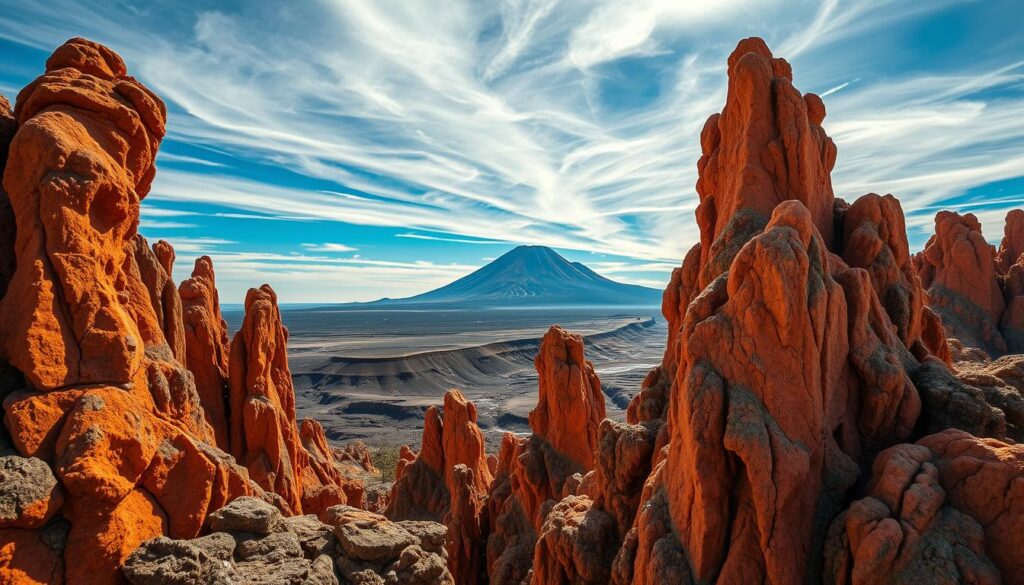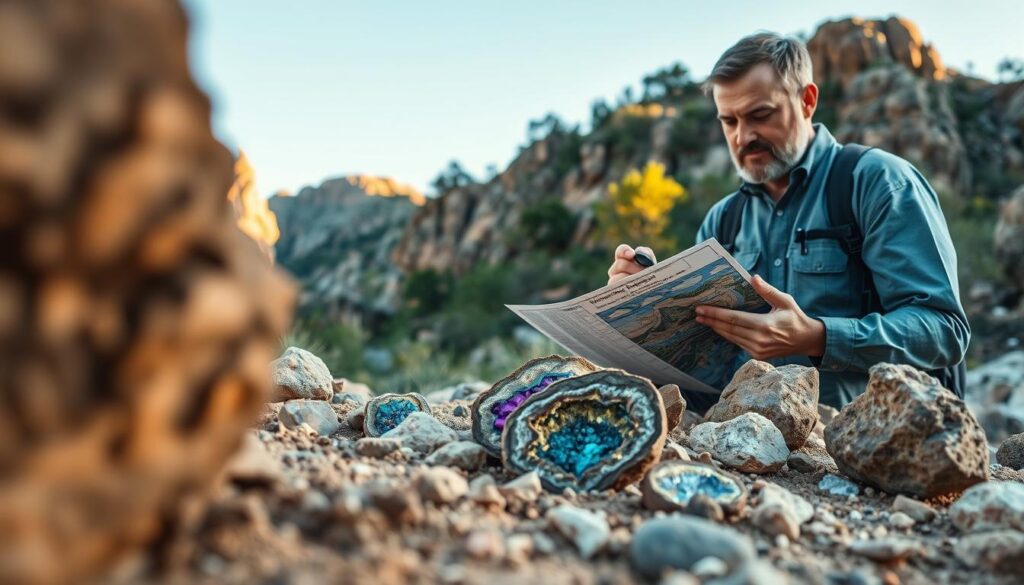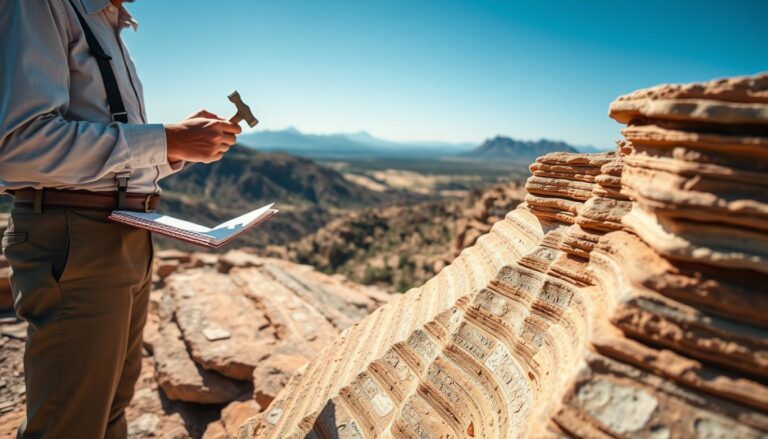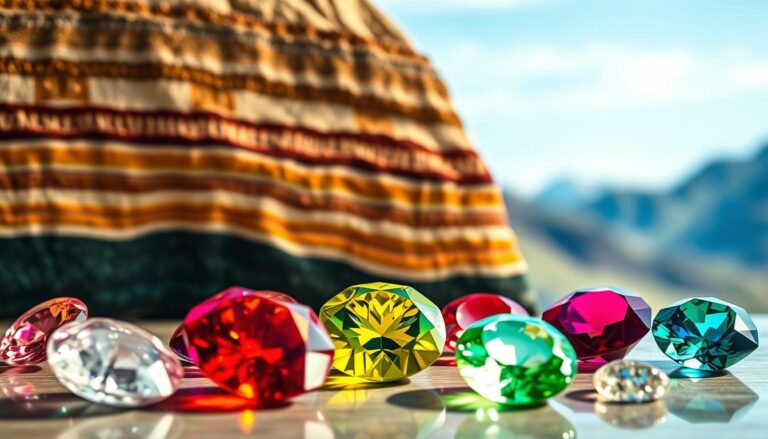
Geology Clues That Point To Hidden Gems can transform an ordinary rock-hunting expedition into a treasure-seeking adventure. Understanding the geological signs that indicate gemstone deposits helps you focus your search in the most promising locations rather than wandering aimlessly through the wilderness.
Professional gem hunters and geologists rely on specific geological indicators to identify areas where precious stones are likely to form. These natural clues have guided successful discoveries for centuries, from diamond mines in South Africa to emerald deposits in Colombia.
TL;DR
- Quartz veins indicate hydrothermal activity and often contain amethyst, citrine, or smoky quartz crystals.
- Pegmatite formations produce over 90% of the world’s gem-quality tourmaline, beryl, and topaz specimens.
- Stream sediments downstream from volcanic activity concentrate heavy gems like sapphires and garnets.
- Contact metamorphism zones near granite intrusions create conditions for garnet, andalusite, and cordierite formation.
Geology Clues That Point To Hidden Gems
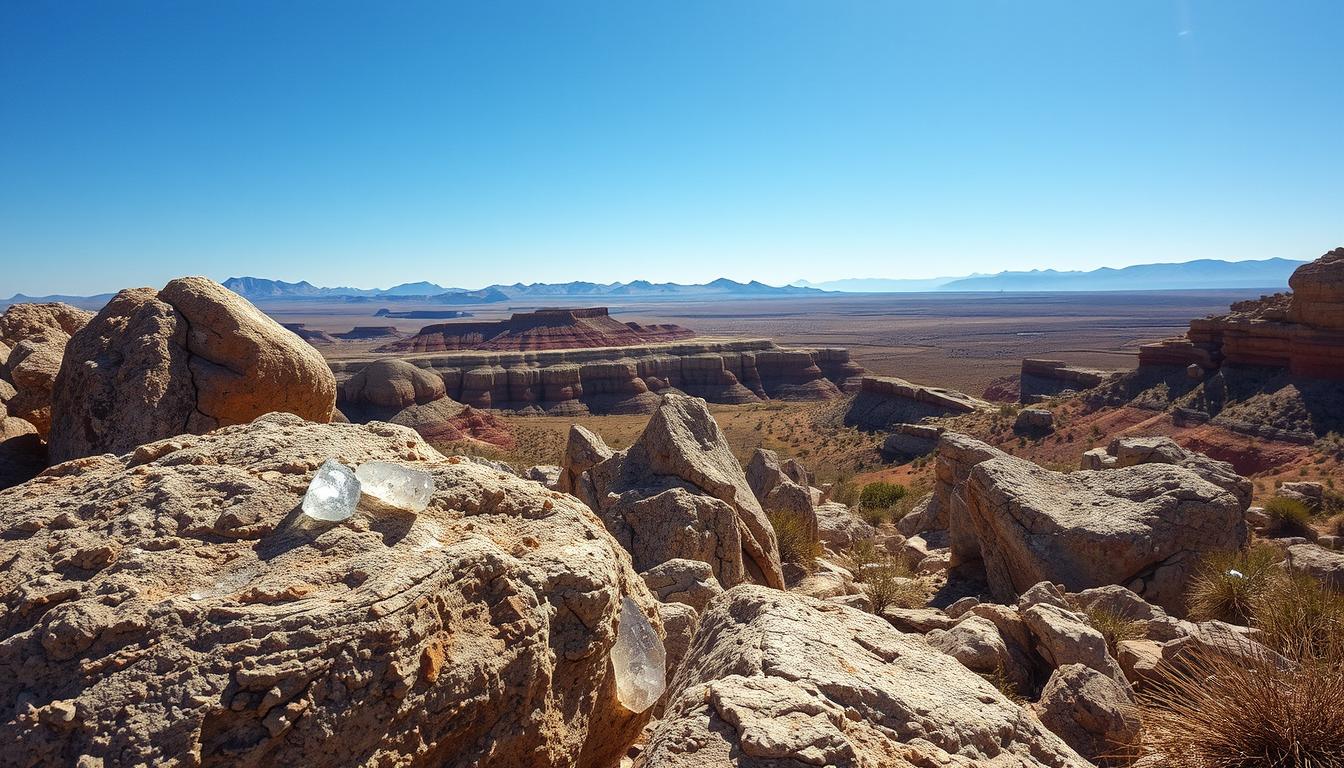
Rock formations tell stories about the conditions that create gemstones millions of years ago. The key lies in recognizing the specific geological environments where different types of gems form naturally.
Temperature, pressure, and chemical composition work together to determine which gems develop in each location. Learning to read these geological signatures dramatically increases your chances of finding valuable specimens.
Igneous Rock Indicators
Volcanic and plutonic rocks create some of the most spectacular gem deposits worldwide. Understanding how volcanic areas produce gemstones helps you identify these specific formations when searching igneous environments:
- Pegmatite dikes – Light-colored, coarse-grained intrusions containing large crystals of quartz, feldspar, and mica with potential gem pockets.
- Basalt flows – Dark volcanic rocks that often contain agate nodules, especially in vesicular (bubble-filled) sections.
- Rhyolite formations – Silica-rich volcanic rocks associated with opal deposits and obsidian occurrences.
- Kimberlite pipes – Rare volcanic formations that transport diamonds from deep within the Earth’s mantle.
Metamorphic Environments
Heat and pressure transform existing rocks into new mineral combinations, often producing beautiful gemstones. Understanding how metamorphic rocks produce crystals reveals why these zones provide excellent hunting grounds for specific gem varieties.
Contact metamorphism occurs when hot magma intrudes into existing rock layers. This process creates distinct zones where different minerals form based on temperature gradients.
Regional Metamorphism Signs
Large-scale geological forces create regional metamorphic belts containing diverse gem deposits. These areas show characteristic rock types and structures:
- Schist formations. Look for mica-rich rocks that may contain garnet, staurolite, or kyanite crystals embedded in the foliated structure.
- Gneiss exposures. Banded metamorphic rocks often host corundum (ruby and sapphire) deposits in specific mineral assemblages.
- Marble outcrops. Metamorphosed limestone frequently contains spinel, diopside, and occasionally ruby crystals.
- Serpentinite bodies. These altered ultramafic rocks may contain jade, chrysotile, and antigorite specimens.
Hydrothermal Activity Evidence
Hot water solutions moving through rock fractures deposit minerals in veins and cavities. These hydrothermal systems create some of the most valuable gem concentrations found in nature.
Quartz veins represent the most common evidence of hydrothermal activity. These white or translucent bands cutting through host rocks often contain amethyst, citrine, or smoky quartz crystals.
Hydrothermal Deposit Types
Different temperature ranges and chemical compositions produce distinct hydrothermal gem deposits:
- High-temperature veins – Form near igneous intrusions and may contain beryl, topaz, and tourmaline crystals.
- Medium-temperature deposits – Produce fluorite, quartz varieties, and calcite specimens with good crystal development.
- Low-temperature systems – Create zeolite minerals, chalcedony varieties, and opal formations in volcanic environments.
- Epithermal deposits – Shallow hydrothermal systems known for producing precious opal and cinnabar specimens.
Stream Sampling Strategy
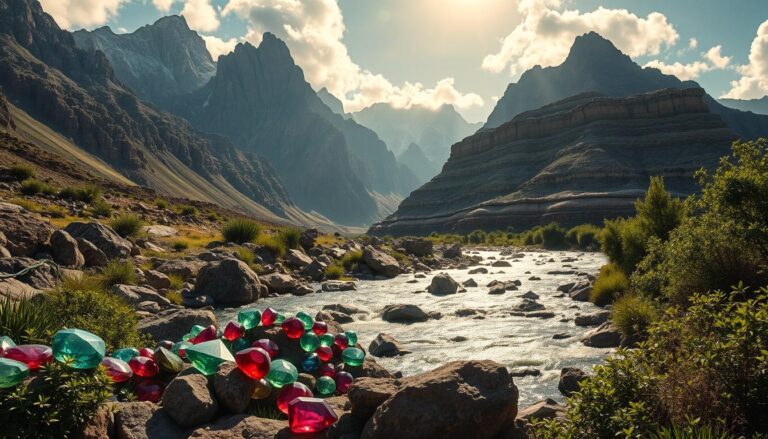
Pan gravels downstream from promising geological formations to test for heavy minerals. Concentrate samples often reveal gem fragments that indicate upstream deposits worth investigating.
Sedimentary Gem Indicators
While most gems form in igneous or metamorphic environments, certain sedimentary rocks contain valuable specimens. These deposits often concentrate gems eroded from their original sources.
Placer deposits represent concentrated accumulations of heavy, durable minerals in stream gravels. Rivers naturally sort materials by weight and durability, concentrating gems in specific locations.
Sedimentary Host Rocks
Some sedimentary formations directly host gem minerals formed during deposition or diagenesis. Learning about rocks that commonly contain crystals helps you identify these valuable formations:
- Limestone caves – May contain calcite crystals, cave pearls, and flowstone formations with gem potential.
- Sandstone layers – Sometimes host petrified wood, jasper nodules, and agate formations.
- Shale deposits – Occasionally contain pyrite crystals, marcasite specimens, and fossil gems like ammolite.
- Conglomerate beds – Ancient stream gravels that may contain rounded gem pebbles and resistant minerals.
Structural Geology Clues
Faults, joints, and other geological structures control how mineral-bearing fluids move through rocks. Understanding these patterns helps predict where gem deposits might concentrate.
Intersecting fracture systems create zones of increased permeability where hydrothermal solutions can deposit minerals. These intersection points often host the richest gem pockets.
Structural Controls on Gem Formation
Geological structures influence gem distribution in predictable patterns. Understanding how to read rock layers when collecting helps you recognize these important features:
- Fault zones. Major breaks in rock layers create pathways for mineralizing fluids and may contain vein-type gem deposits.
- Joint systems. Regular fracture patterns allow solutions to penetrate rocks and deposit gems in systematic arrangements.
- Fold axes. Rock deformation concentrates minerals in hinge zones where pressure and chemical gradients focus gem formation.
- Unconformities. Erosion surfaces between rock units create boundaries where different gem-forming processes intersect.
Frequently Asked Questions
What geological formation produces the most gem varieties?
Pegmatite formations produce the greatest diversity of gem minerals, including beryl, tourmaline, topaz, spodumene, and many rare species in a single deposit type.
How do you identify a promising quartz vein for gem hunting?
Look for milky white or translucent veins cutting through host rocks, especially those showing crystal faces or cavities that might contain amethyst or other quartz varieties.
Are volcanic areas good for finding gemstones?
Yes, volcanic areas often contain agates in basalt flows, obsidian in rhyolite, and various zeolite minerals in vesicular volcanic rocks.
What metamorphic rocks should gem hunters target?
Focus on schist and gneiss formations which commonly contain garnets, and marble outcrops that may host spinel or corundum deposits.
How reliable are stream gravels for finding gems upstream?
Stream sampling is very reliable since heavy, durable gems concentrate naturally in gravels, indicating gem-bearing formations in the upstream drainage area. Understanding why riverbeds are good for rock collecting helps explain this natural concentration process.
Final Thoughts
Geology Clues That Point To Hidden Gems provide a scientific foundation for successful gem hunting expeditions. By understanding the geological processes that create different gem deposits, you can focus your efforts on the most promising locations and rock formations.
Start by studying the geology maps of your target area and identifying the formations most likely to contain the gems you seek. This knowledge-based approach dramatically improves your success rate compared to random searching.