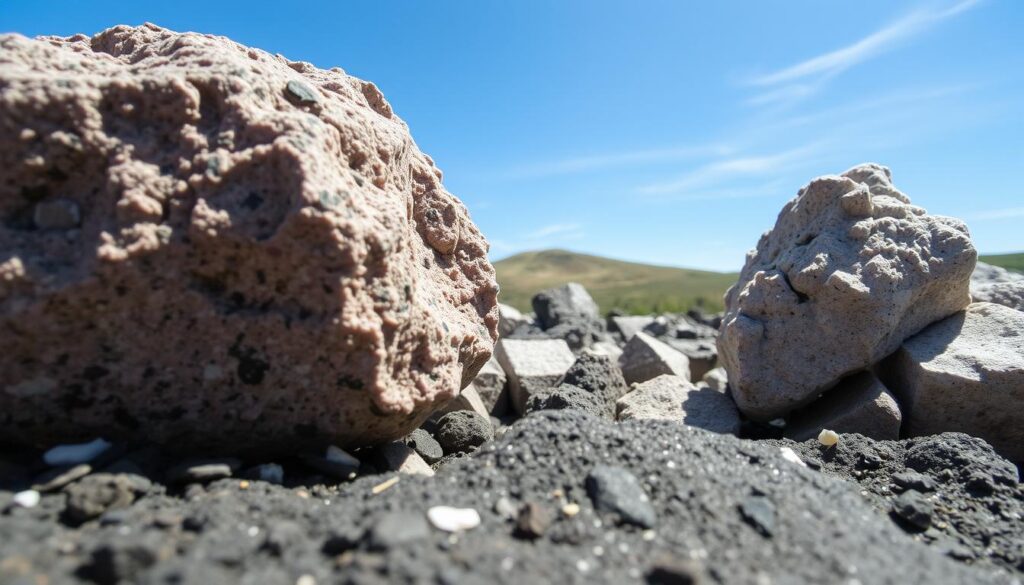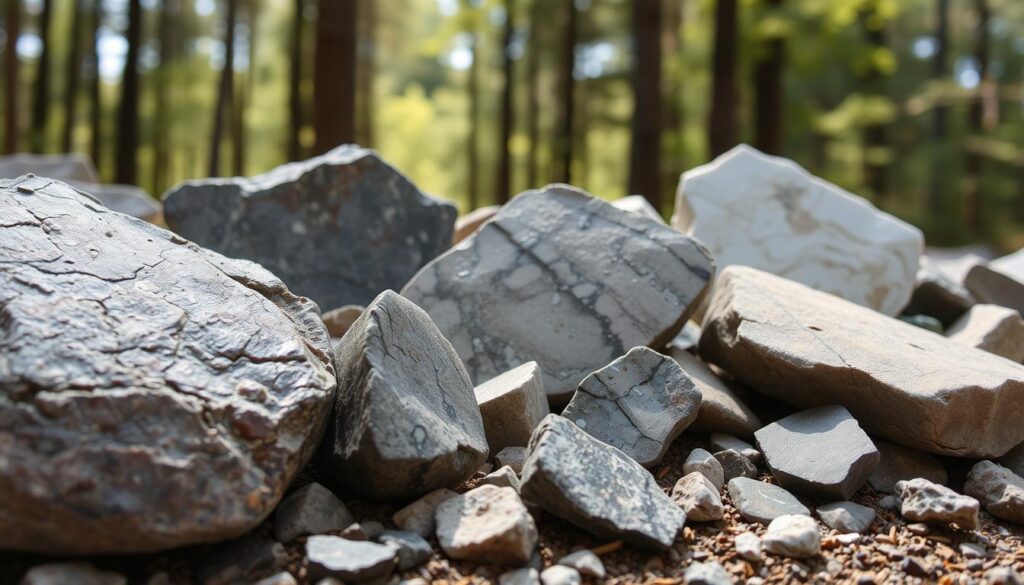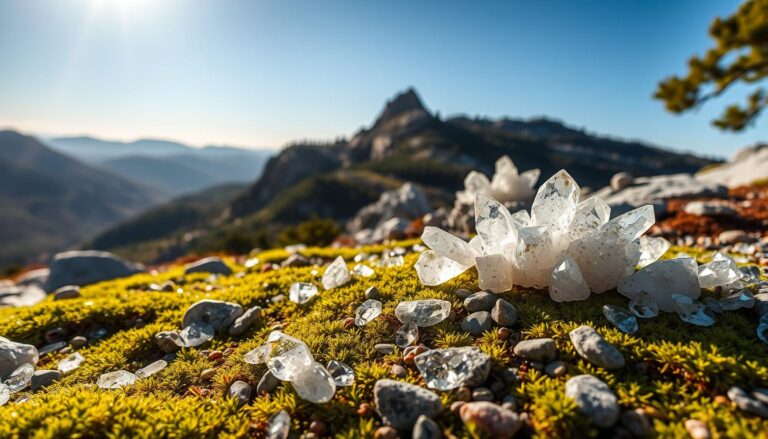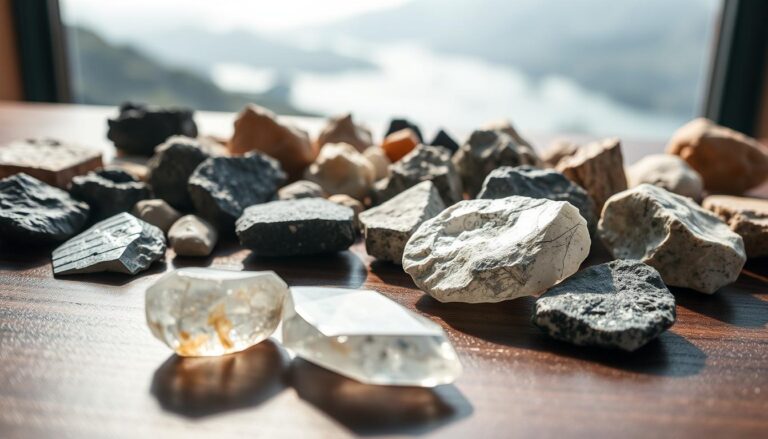
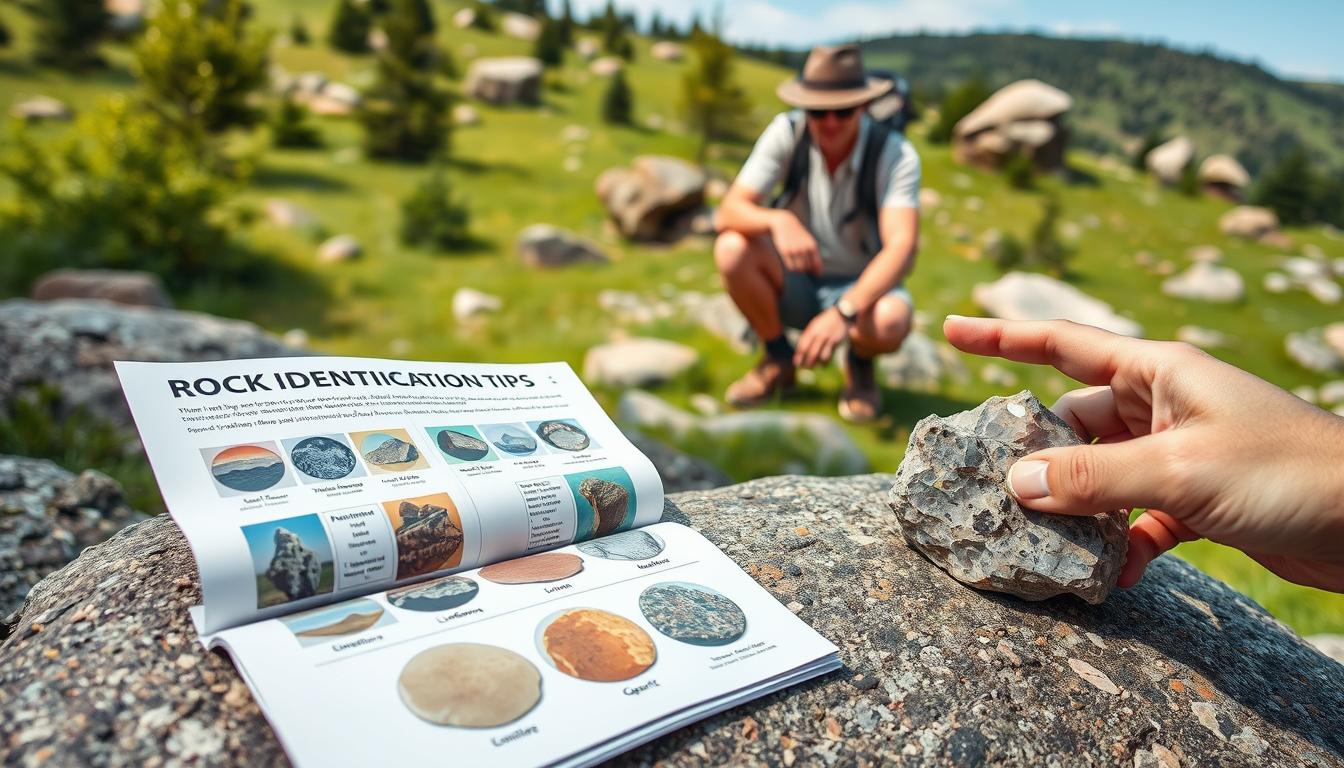
Easy Rocks To Identify can turn anyone into a confident rock hunter with just a few simple techniques. Learning to spot common rock types opens up a whole new way to explore the outdoors and understand the world beneath your feet.
Whether you’re hiking with kids or just curious about that interesting stone in your backyard, rock identification becomes much easier once you know what to look for. The key is starting with the most obvious features and working your way through a simple process.
TL;DR
- Start by determining if your rock is igneous, sedimentary, or metamorphic – this narrows down your options by about 70%.
- Granite shows visible speckled crystals, basalt appears dark and smooth, and limestone fizzes when you drop vinegar on it.
- The Mohs hardness scale from 1-10 helps identify rocks – fingernails scratch at 2.5, pennies at 3, and steel knives at 5.5.
- Sedimentary rocks like sandstone feel gritty like sandpaper, while metamorphic rocks like marble have smooth, polished surfaces.
Easy Rocks To Identify: The Foundation Three
All rocks fall into three main groups, and knowing which group you’re looking at cuts your identification work in half. Igneous rocks form from cooled magma or lava and often have a crystalline appearance. Sedimentary rocks develop from compressed layers of sediment and frequently show visible layers or contain fossils.
Metamorphic rocks start as one type but transform under heat and pressure into something entirely different. They often display banding patterns or have a distinctly smooth, almost polished look that sets them apart from their original form.
Essential Field Tests Anyone Can Do
Simple tests reveal rock identity faster than complex analysis. The acid test using white vinegar shows immediate results – limestone and marble will bubble and fizz when vinegar hits them.
Hardness testing requires nothing more than everyday items you probably carry. Try scratching the rock with your fingernail first, then a penny, then a steel knife or key.
- Fingernail test (2.5) – Soft rocks like talc and gypsum scratch easily
- Penny test (3.0) – Calcite and some limestones scratch at this level
- Steel knife test (5.5) – Most common rocks fall above this hardness
- Glass test (6.0) – Harder rocks like quartz will scratch glass
Texture Tells the Story
Rock texture reveals formation secrets in seconds. Coarse-grained rocks cooled slowly underground, while fine-grained rocks cooled quickly at the surface.
Smooth, glassy textures indicate extremely rapid cooling, while layered textures suggest sedimentary origins or metamorphic transformation. Feel the rock’s surface – is it rough like sandpaper, smooth like marble, or somewhere in between?
Quick Color Clue
Dark rocks often contain iron and magnesium, while light-colored rocks typically have more quartz and feldspar. This simple rule helps narrow down rock families immediately.
Igneous Rocks You’ll Recognize Instantly
Granite
Granite shows up everywhere from kitchen countertops to mountain outcrops with its distinctive speckled appearance. The visible crystals create a salt-and-pepper pattern that makes granite unmistakable once you’ve seen it.
Look for three main minerals: clear or white quartz, pink or white feldspar, and dark mica flakes. These components give granite its characteristic coarse-grained texture that feels slightly rough to the touch.
Basalt
Basalt appears as a dark, fine-grained rock that formed from rapidly cooling lava. Its smooth, almost glassy surface contrasts sharply with granite’s bumpy texture.
This dense rock often shows tiny holes called vesicles where gas bubbles were trapped during cooling. Basalt’s dark gray to black color comes from its high iron and magnesium content.
Obsidian
Obsidian looks exactly like black glass because that’s essentially what it is – volcanic glass formed from extremely rapid lava cooling. Its razor-sharp edges and mirror-like surface make it instantly recognizable.
This natural glass breaks in curved patterns called conchoidal fractures, the same way manufactured glass shatters. Ancient peoples prized obsidian for making cutting tools sharper than modern surgical steel.
Sedimentary Rocks That Stand Out
Sandstone
Sandstone feels exactly like its name suggests – rough and gritty like sandpaper. Individual sand grains remain visible, giving the rock its characteristic granular texture.
Colors range from tan and brown to red and white, depending on the minerals present when the sand grains cemented together. Red sandstone gets its color from iron oxide, essentially rust coating the sand particles.
Limestone
Limestone passes the acid test with flying colors, bubbling vigorously when vinegar touches its surface. This reaction happens because limestone consists mainly of calcium carbonate, which dissolves in weak acids.
Many limestone samples contain visible fossils – ancient sea creatures preserved when the rock formed in shallow ocean environments. These fossils provide instant confirmation of limestone identity.
Conglomerate
Conglomerate looks like nature’s concrete, with rounded pebbles and stones cemented together in a matrix of finer material. The varied colors and sizes of the embedded fragments create a distinctive appearance.
This rock forms in high-energy environments where fast-moving water rounded the pebbles before depositing them in quieter areas where they could cement together. River beds and ancient beaches commonly produce conglomerate formations.
Metamorphic Rocks Made Simple
Marble
Marble develops when limestone transforms under heat and pressure, creating a smooth, often colorful rock prized for sculpture and architecture. The original limestone’s calcium carbonate recrystallizes into larger, interlocking grains.
Veining patterns in marble result from impurities in the original limestone that concentrate into bands during metamorphosis. Pure marble appears white, while impurities create the spectacular colors seen in decorative stones.
Slate
Slate splits into flat sheets along parallel planes, making it perfect for roofing tiles and chalkboards. This splitting property develops when clay minerals in the original shale align under pressure.
The rock’s fine-grained texture and ability to split cleanly distinguish slate from other dark, flat rocks you might encounter. Good slate rings like a bell when struck with a hammer.
Quartzite
Quartzite forms when sandstone undergoes metamorphosis, creating an extremely hard rock that resists weathering. The original sand grains fuse together so completely that breaks cut through grains rather than around them.
This superhard rock often appears white or light gray, though iron oxide can tint it pink or red. Quartzite’s resistance to erosion makes it stand out as prominent ridges and cliffs in mountainous areas.
Special Features That Give Rocks Away
Some rocks advertise their identity through unique characteristics that make identification foolproof. Magnetism, crystal shapes, and chemical reactions provide instant answers when present.
Magnetite-rich rocks attract magnets, while pyrite creates sparks when struck with steel. These special properties turn rock identification from guesswork into certainty.
Rocks with Visible Crystals
Crystal-bearing rocks display their mineral content openly, making identification straightforward. Large crystals indicate slow cooling, while small crystals suggest rapid formation.
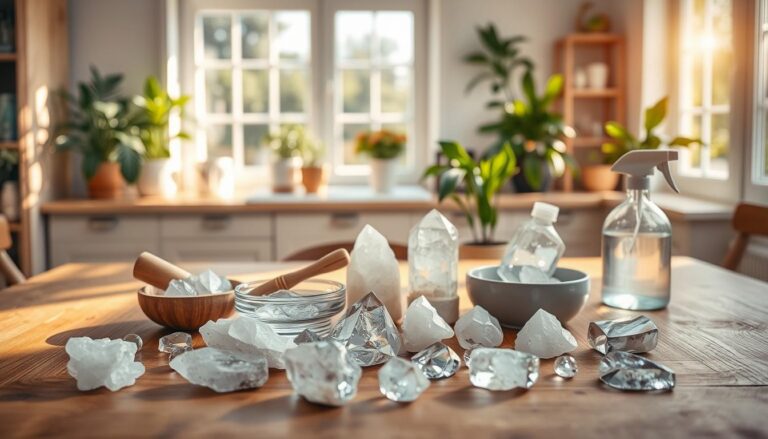
Look for geometric shapes within the rock – cubes, hexagons, and other regular forms reveal specific minerals that help narrow down rock type quickly. If you’re particularly interested in crystal identification, learning how to tell crystals from glass becomes essential for distinguishing natural specimens from artificial ones.
Banded and Layered Patterns
Distinct banding usually indicates metamorphic origins, where different minerals separated under heat and pressure. Sedimentary layering appears more horizontal and uniform than metamorphic banding.
These visual patterns provide immediate clues about formation processes and help distinguish between rock types that might otherwise look similar in color and texture.
Frequently Asked Questions
What tools do I need to identify rocks in the field?
You only need a few basic items: a small bottle of white vinegar for acid testing, a steel nail or knife for hardness testing, and a magnifying glass to see details clearly. For beginners just starting their collection journey, our guide on essential rockhounding tools covers everything you need to get started.
How can I tell granite from other speckled rocks?
Granite shows three distinct minerals – clear quartz, white or pink feldspar, and dark mica – in a coarse-grained pattern. Other speckled rocks typically lack this specific three-mineral combination.
Why do some rocks fizz when I put vinegar on them?
Rocks containing calcium carbonate react with acid to produce carbon dioxide gas bubbles. This reaction identifies limestone, marble, and some other carbonate rocks instantly.
What’s the difference between slate and shale?
Slate splits cleanly into flat sheets and feels smooth, while shale crumbles easily and has a rougher texture. Slate forms when shale undergoes metamorphic transformation under heat and pressure.
Where can I legally collect rocks for identification practice?
Public beaches, road cuts, and designated collecting areas allow rock gathering, but always check local regulations first. National parks and private property typically prohibit collecting without permission.
Final Thoughts
Easy Rocks To Identify become second nature once you practice these basic techniques on common specimens. Start with obvious examples like granite’s speckles or limestone’s fizzing reaction to build confidence.
The best rock hunters combine careful observation with simple tests, building their skills one specimen at a time. Once you’ve identified a few rocks, learning how to tell if a rock is valuable and understanding what makes a rock collectible will help you determine which specimens deserve a place in your collection. Head outside this weekend and try identifying three different rocks using these methods.