Many people start Mineral Collecting with excitement but quickly discover they’re making expensive errors. Without proper knowledge, collectors often misidentify specimens, damage valuable finds, or break laws that lead to serious legal trouble.
The most successful collectors avoid these pitfalls by doing research first, following safety rules, and learning proper preservation techniques. Understanding common rock collecting mistakes and gemstone collecting pitfalls makes the difference between a rewarding hobby and costly disappointments.
TL;DR
- Always get written permission before collecting on private property – trespassing can result in $500+ fines.
- Use proper hardness tests and streak tests to identify minerals – visual inspection alone leads to 60% misidentification rates.
- Store specimens in stable conditions between 60-75°F with low humidity to prevent deterioration.
- Document find locations with GPS coordinates and date – undocumented specimens lose 40% of their scientific value.
Mineral Collecting Foundations You Cannot Skip
Successful mineral collecting starts with solid preparation. Many beginners jump straight into fieldwork without understanding the basics, leading to poor results and wasted time.
Research Before Every Field Trip
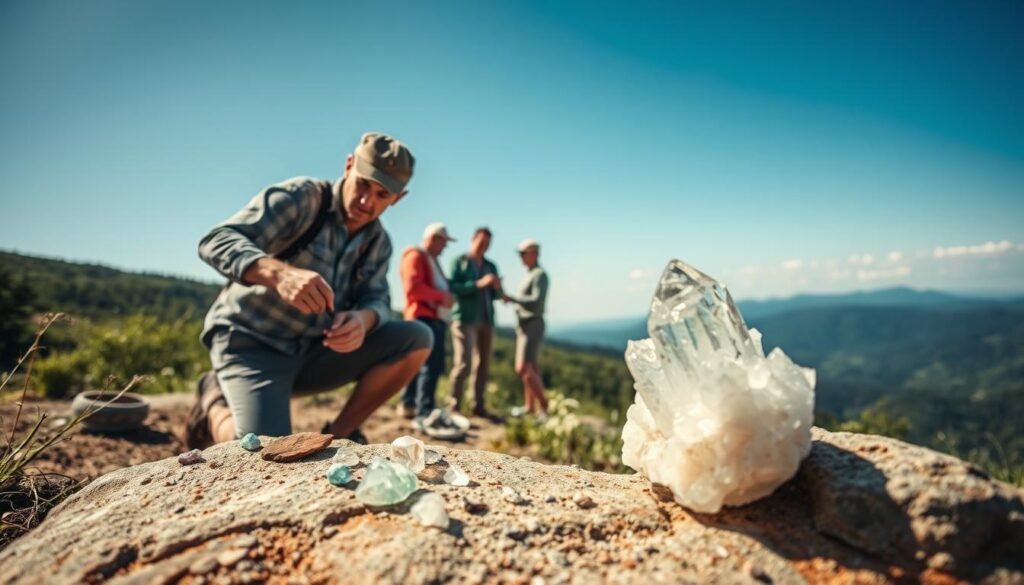
One major mistake is heading out without researching your target location. Know the local geology, weather conditions, and what minerals you might find before you go. Check recent collecting reports and connect with local clubs for current information about productive sites. Learning where to find minerals in nature significantly improves your success rate and safety.
Essential Equipment and Safety Gear
Collectors often underestimate what equipment they need for safe, productive trips. Your basic kit should include sturdy boots, work gloves, safety glasses, and a hard hat for rocky areas. Understanding what tools every mineral collector should own prevents costly mistakes and improves your collecting efficiency.
- Hand tools – Rock hammer, chisels, and pry bars for extraction.
- Safety equipment – First aid kit, headlamp, and emergency whistle.
- Collection supplies – Newspaper, boxes, and labels for specimens.
- Documentation tools – Camera, GPS device, and field notebook.
Understanding Mineral Properties
Many collectors struggle with identification because they don’t understand basic mineral properties. Learn about hardness, crystal systems, and formation processes before your first collecting trip. Knowing how to start a mineral collection properly saves time and money while building a more valuable collection.
Critical Field Collecting Errors
Field collecting presents unique challenges that trip up even experienced collectors. These mistakes can result in legal problems, damaged specimens, or safety hazards.
Trespassing and Permission Issues
Collecting without proper permission is the fastest way to end your hobby. Always get written permission from landowners and research collecting regulations for public lands. Many areas require permits or have seasonal restrictions you need to know about.
Poor Extraction Techniques
Damaging specimens during extraction wastes time and ruins potentially valuable finds. Use the right tools for each situation and work slowly around delicate crystals.
- Assess the specimen first. Look for natural fracture lines and weak points before starting.
- Clear away matrix gradually. Remove surrounding rock in small pieces rather than trying to extract everything at once.
- Wrap immediately. Protect fragile specimens with newspaper as soon as they’re free.
Inadequate Documentation
Failing to document your finds properly reduces their scientific and monetary value significantly. Record GPS coordinates, date, formation details, and associated minerals for every specimen.
Smart Documentation System
Number each specimen in the field and keep a detailed log with photos. This system prevents mix-ups and maintains specimen value for years.
Identification Mistakes That Cost Money
Misidentifying minerals is one of the most expensive mistakes collectors make. Poor identification skills lead to buying worthless specimens at high prices or missing valuable finds.
Look-Alike Minerals
Many minerals appear similar to untrained eyes, causing costly confusion. Quartz varieties, feldspar types, and metallic sulfides often get mixed up by beginners. Learning how to tell similar minerals apart prevents expensive identification mistakes.
- Pyrite vs. Gold – Test hardness and streak color to tell them apart.
- Quartz vs. Feldspar – Check cleavage patterns and hardness differences.
- Calcite vs. Dolomite – Use acid testing to distinguish these carbonates.
Relying Only on Visual Identification
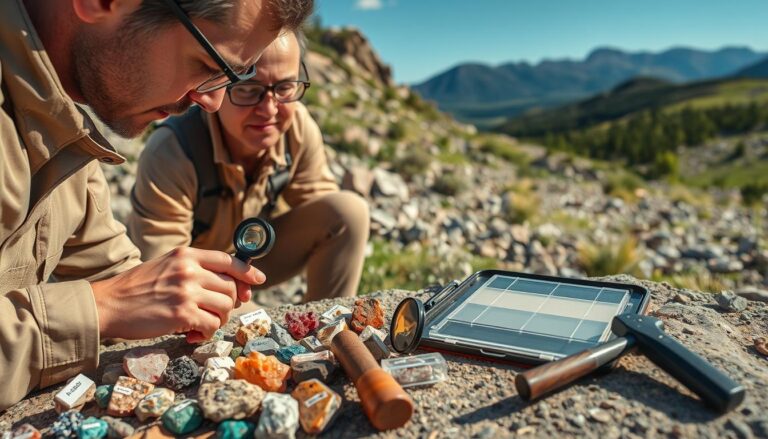
Visual inspection alone leads to frequent mistakes. Learn to use hardness picks, streak plates, and simple chemical tests for accurate identification. Understanding how to identify minerals in the field using proper testing methods dramatically improves your accuracy.
Poor Record Keeping
Mislabeling specimens or keeping incomplete records destroys their value over time. Use a consistent numbering system and maintain detailed specimen cards with all relevant information.
Preservation Errors That Destroy Collections
Poor preservation practices can ruin even the most spectacular specimens. Understanding proper cleaning, storage, and display methods protects your investment.
Destructive Cleaning Methods
Harsh chemicals and abrasive tools damage mineral surfaces permanently. Start with gentle methods like soft brushes and distilled water before trying stronger approaches. Learning how to clean minerals without damaging them preserves specimen value and appearance.
Wrong Storage Conditions
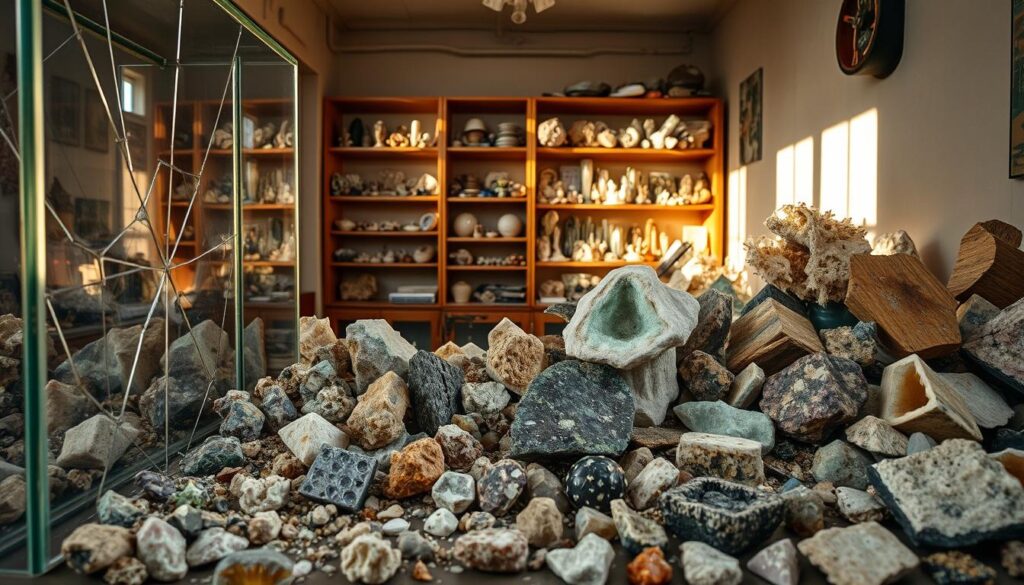
Storage mistakes cause gradual specimen deterioration. High humidity, temperature swings, and poor air circulation create conditions for oxidation and structural damage. Proper storage and display techniques protect your collection for decades.
Display Problems
Direct sunlight fades many minerals, while poor display cases expose specimens to dust and handling damage. Use UV-filtering glass and stable display conditions to protect your collection.
Frequently Asked Questions
What equipment do I need to start mineral collecting?
Essential items include a rock hammer, safety glasses, work gloves, collection bags, and a field notebook. Start with basic tools and upgrade as you gain experience.
How do I get permission to collect minerals on private property?
Contact property owners directly, explain your hobby clearly, and always get written permission. Offer to share interesting finds or pay a small fee if requested.
What’s the best way to identify unknown minerals?
Use multiple tests including hardness, streak, crystal form, and cleavage. Consult field guides and consider getting help from experienced collectors or geology clubs.
How should I clean mineral specimens safely?
Start with soft brushes and distilled water. Use gentle soap if needed, but avoid acids or harsh chemicals unless you know the mineral can handle them safely.
What storage conditions are best for mineral collections?
Store specimens in stable temperatures between 60-75°F with low humidity. Use acid-free storage materials and protect specimens from direct sunlight.
Final Thoughts
Mineral Collecting becomes much more rewarding when you avoid these common mistakes from the start. Taking time to learn proper techniques, safety procedures, and identification skills pays off with better specimens and fewer problems.
Start by mastering the basics before moving to advanced collecting areas. Your future self will thank you for building these solid foundations early in your collecting journey.