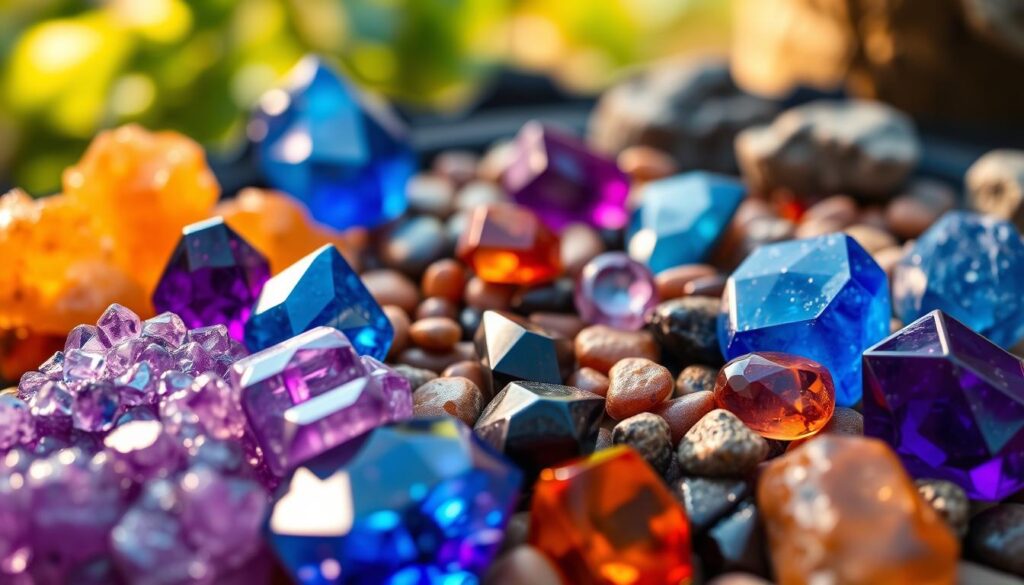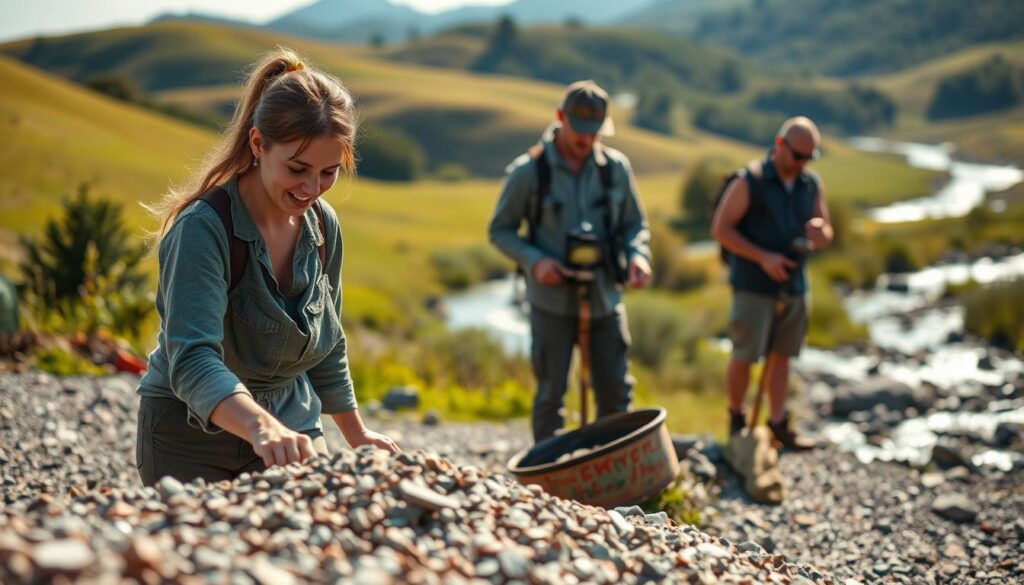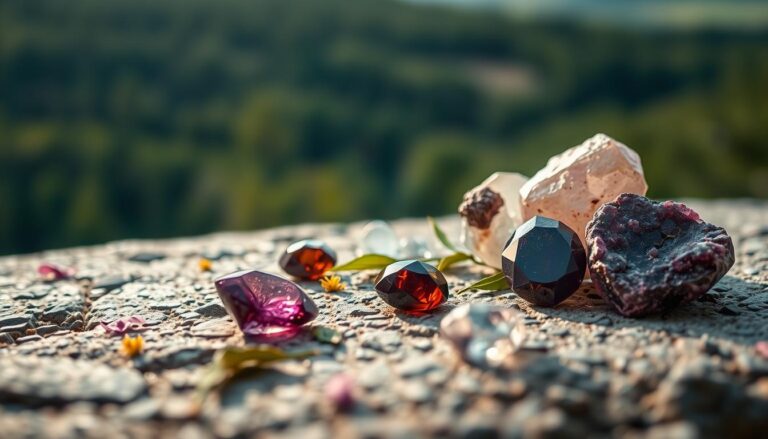
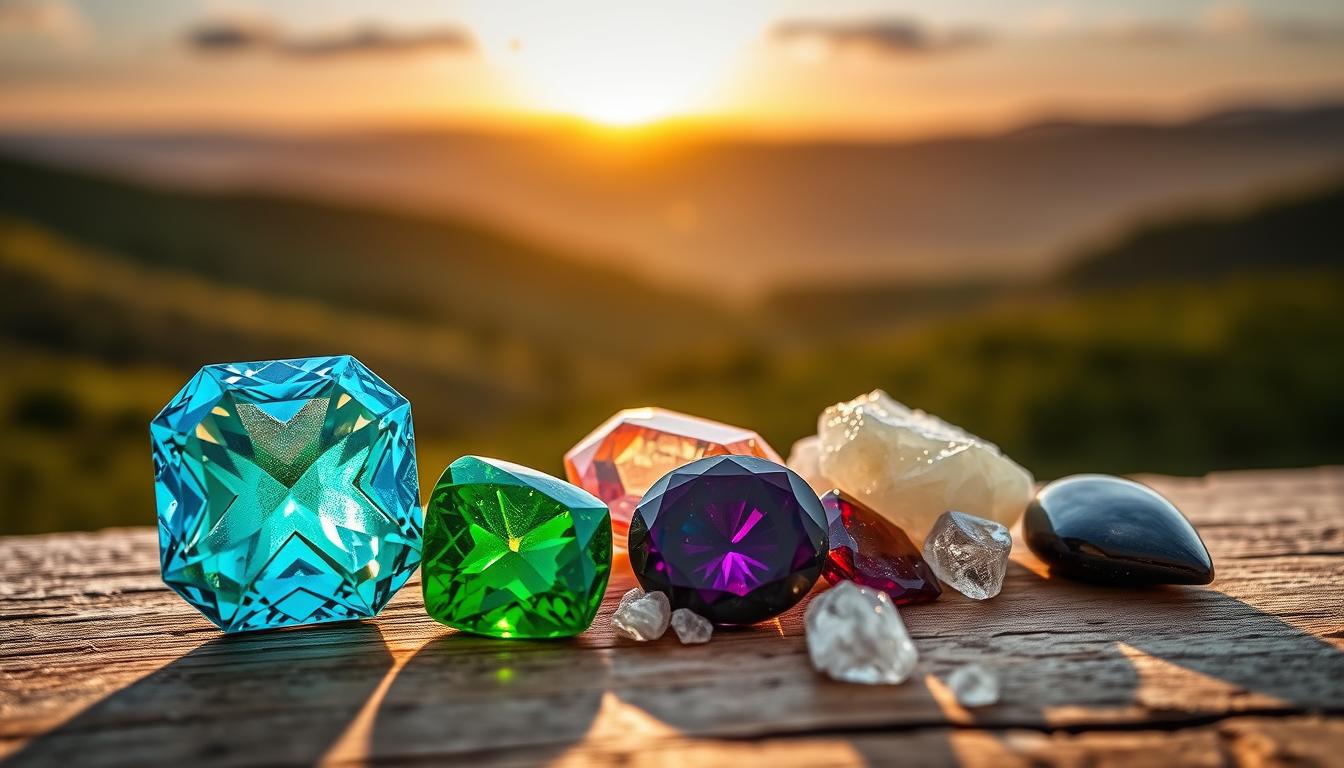
Common Gemstones Found In Virginia offer rockhounds and gem enthusiasts a treasure trove of beautiful minerals right in their backyard. Virginia’s diverse geology creates perfect conditions for finding everything from sparkling quartz varieties to rare collector specimens.
The state’s rich geological history spans millions of years, creating distinct regions where different types of gemstones naturally occur. Whether you’re a beginner rockhound or an experienced collector, Virginia’s accessible locations make gemstone hunting an enjoyable weekend activity.
TL;DR
- Virginia hosts over 15 different types of gemstones including amethyst, garnet, and amazonite in publicly accessible locations.
- Amelia County produces some of the finest amazonite specimens in North America, with crystals reaching up to 6 inches in length.
- The state’s fee dig sites charge between $10-25 per person for a full day of gemstone hunting with tools provided.
- Peak collecting season runs from April through October when weather conditions are most favorable for outdoor digging.
Common Gemstones Found In Virginia
Virginia’s geological diversity creates ideal conditions for numerous gemstone varieties. The state sits within the Appalachian Mountain region, where ancient volcanic activity and metamorphic processes formed the perfect environment for crystal growth.
Most of Virginia’s gemstones form in pegmatite deposits – coarse-grained igneous rocks that cool slowly underground. These formations allow crystals time to develop into well-formed specimens that collectors prize for their clarity and size.
Quartz Varieties
Quartz represents the most abundant gemstone family in Virginia, appearing in multiple colors and formations. These hardy crystals resist weathering, making them easy to spot in stream beds and exposed rock faces.
Amethyst
Purple amethyst occurs throughout central Virginia, particularly in Amelia and Powhatan counties. Local specimens range from pale lavender to deep royal purple, with the most prized pieces showing consistent color throughout the crystal.
Smoky Quartz
Smoky quartz crystals form in Virginia’s granite pegmatites, creating specimens from light gray to nearly black. These crystals often reach impressive sizes, with some specimens measuring over 8 inches in length.
Rose Quartz
Pink rose quartz appears in massive formations rather than individual crystals in Virginia. The soft pink color comes from trace amounts of titanium or manganese within the crystal structure.
Feldspar Group Minerals
Virginia produces exceptional feldspar specimens, including some of the finest examples found anywhere in North America. These minerals form the backbone of many pegmatite deposits throughout the state.
Amazonite
Amelia County stands out as Virginia’s premier amazonite location, producing blue-green crystals that rival specimens from Colorado’s world-famous amazonite deposits and Brazil. The distinctive color comes from trace amounts of lead and water within the crystal structure.
Local amazonite often forms alongside smoky quartz and albite, creating attractive mineral specimens. Collectors frequently find crystals measuring 3-6 inches with excellent transparency and color saturation.
Moonstone
Virginia moonstone displays the characteristic blue sheen called adularescence when light hits the crystal at specific angles. These specimens typically appear in cream or gray colors with flashes of blue or white light.
Garnet Varieties
Several garnet species occur throughout Virginia’s metamorphic rock formations. These durable minerals survive stream transport well, making them common finds in creek beds and alluvial deposits.
Almandine Garnet
Deep red almandine garnets appear in schist and gneiss formations across Virginia. These crystals often form well-shaped dodecahedrons measuring 1-3 inches across.
Spessartine Garnet
Orange to reddish-brown spessartine garnets occur less frequently but produce stunning collector specimens. The Little Willis Mountain area produces some of the state’s finest examples.
Best Times to Hunt Gemstones
Visit collecting sites after heavy rains when fresh material washes out of hillsides. Early morning hours offer the best lighting conditions for spotting crystals among other rocks.
Mica Group Minerals
Virginia’s pegmatites contain abundant mica minerals that form large, flat crystals perfect for collectors. These minerals split easily into thin sheets, making them easy to identify in the field.
Muscovite Mica
Clear to pale yellow muscovite mica forms book-like stacks of thin crystals. Virginia specimens often measure 6-12 inches across and split into paper-thin sheets.
Biotite Mica
Dark brown to black biotite mica appears alongside muscovite in many locations. These crystals typically show more weathering than muscovite but still produce attractive specimens.
Other Notable Gemstones
Virginia hosts several additional gemstone varieties that make collecting trips worthwhile for dedicated rockhounds. These less common species often appear alongside the more abundant quartz and feldspar minerals.
- Beryl – Pale blue aquamarine and white beryl crystals occur in central Virginia pegmatites.
- Tourmaline – Black schorl tourmaline forms long, striated crystals up to 8 inches in length, similar to the exceptional tourmaline specimens found in Maine.
- Kyanite – Blue blade-like crystals appear in metamorphic rocks throughout the Blue Ridge region.
- Staurolite – Cross-shaped crystals form natural twin formations prized by collectors.
- Unakite – This distinctive green and pink rock combines epidote and feldspar into attractive patterns.
Best Collecting Locations
Virginia offers numerous public and private locations where collectors can search for gemstones legally. Always obtain permission before collecting on private property and follow all posted rules.
Morefield Gem Mine
Located in Amelia County, this fee dig site specializes in amazonite and smoky quartz specimens. The mine provides tools and washing facilities for a daily fee of around $20 per adult.
Fairy Stone State Park
This state park allows visitors to search for staurolite crystals along designated trails. The naturally formed crosses make popular souvenirs and gifts.
Public Stream Beds
Many Virginia streams and creeks contain gemstone fragments washed down from upstream deposits. Focus on areas where bedrock creates natural collection points for heavy minerals.
Frequently Asked Questions
What tools do I need for gemstone hunting in Virginia?
Basic tools include a rock hammer, chisel set, safety glasses, sturdy gloves, and a collection bag. Many fee dig sites provide tools, so check before bringing your own equipment.
Can I keep gemstones I find in Virginia state parks?
Most Virginia state parks allow visitors to collect small amounts of common minerals for personal use. Check with park rangers about specific rules and collection limits before hunting.
What’s the best season for gemstone hunting in Virginia?
Spring through fall offers the best conditions, with April through October being ideal. Winter weather can make outdoor collecting difficult and potentially dangerous.
How do I identify gemstones I find in Virginia?
Start with basic physical tests like hardness, color, and crystal shape. Local rock and mineral clubs often help with identification, and many have regular meetings where experts assist beginners.
Are Virginia gemstones valuable for resale?
While most common specimens have modest commercial value, exceptional pieces of amazonite, amethyst, or rare minerals can be worth $50-500 or more to collectors.
Final Thoughts
Common Gemstones Found In Virginia provide endless opportunities for rockhounds to discover beautiful specimens without traveling far from home. The state’s accessible locations and diverse geology make it perfect for both beginners and experienced collectors looking to expand their knowledge beyond the famous emerald and ruby deposits of North Carolina or the diamond-bearing formations in Arkansas.
Start your gemstone hunting adventure at one of Virginia’s fee dig sites to learn proper techniques, then explore public areas once you develop your identification skills. Each collecting trip offers the chance to find something truly special.