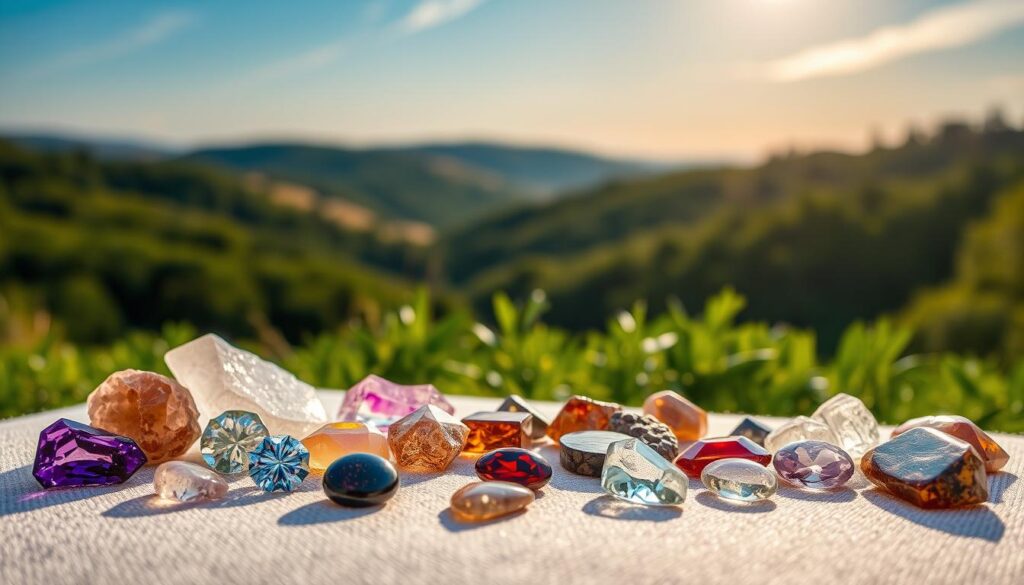
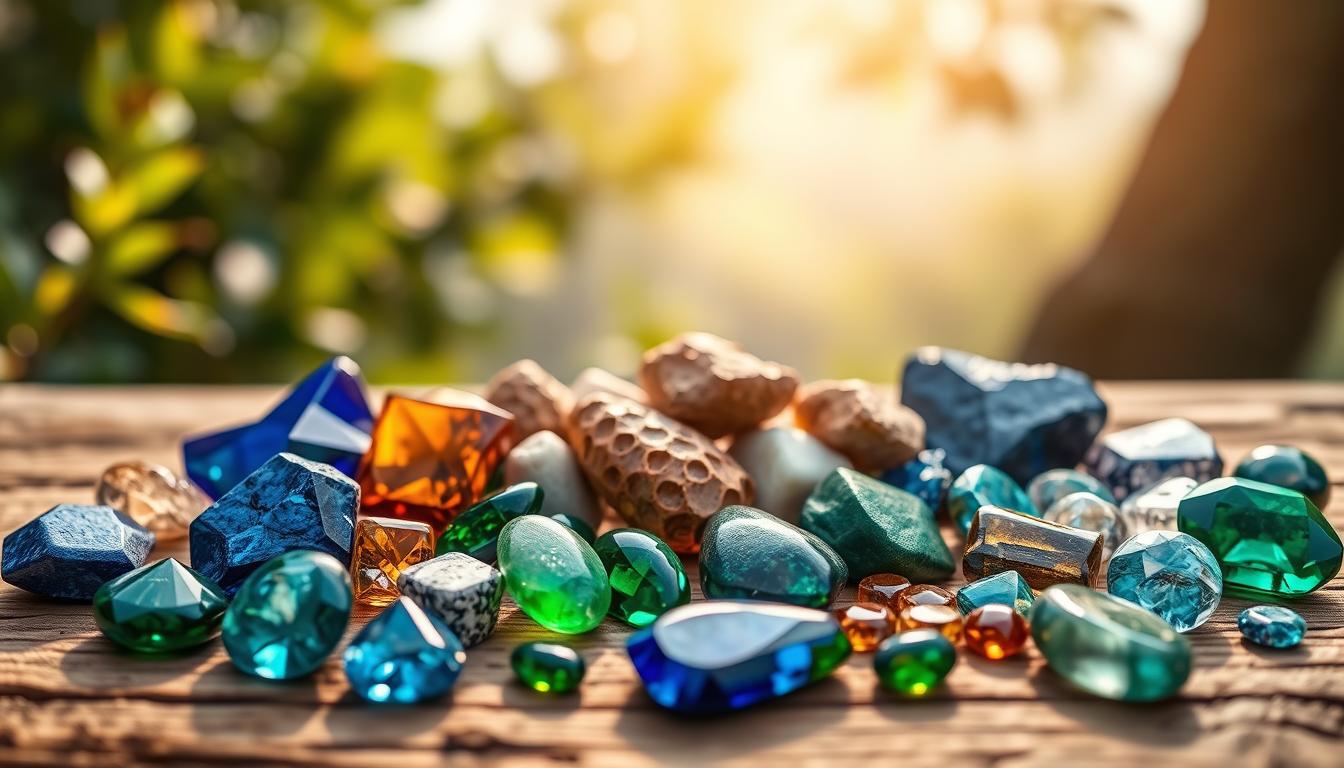
Tennessee Gemstones offer rock collectors a chance to discover amazing minerals across the state’s diverse landscape. Tennessee’s official state mineral, agate, draws thousands of rockhounds to explore mountains, rivers, and valleys each year.
The state’s complex geology creates perfect conditions for finding everything from smoky quartz to freshwater pearls. Whether you’re searching creek beds in the Great Smoky Mountains or exploring the Cumberland Plateau, Tennessee provides plenty of opportunities for gem hunting adventures.
TL;DR
- Agate is Tennessee’s official state mineral, found primarily in areas with ancient volcanic activity.
- Over 15 different gemstone varieties can be found across Tennessee’s three main regions.
- The Great Smoky Mountains region offers the highest concentration of gem hunting sites in the state.
- Commercial dig sites in western Tennessee charge $10-25 per person for structured gemstone hunting.
Tennessee Gemstones and Geological Background
Tennessee’s geology combines sedimentary, igneous, and metamorphic rocks formed over millions of years. This mix creates ideal conditions for gemstone formation throughout the state.
The Cumberland Plateau and Cumberland Mountains hold the richest mineral deposits. Tectonic activity, weathering, and erosion shaped these formations into today’s gem hunting paradise.
Formation of Mineral Deposits
Several geological processes created Tennessee’s gemstone deposits:
- Sedimentation – Layers of sediment compressed into rock formations containing various minerals.
- Tectonic movement – Shifting plates created igneous and metamorphic rocks with embedded gemstones.
- Hydrothermal activity – Hot water solutions deposited minerals in veins and cavities.
- River erosion – Water action concentrated gemstones in creek beds and gravel deposits.
Mining History
Coal mining dominated Tennessee’s industrial past, starting in the 19th century. The Cumberland Plateau region became the state’s major coal-producing area.
Gemstone collecting developed alongside coal mining as workers discovered beautiful minerals in mine tailings. Today, recreational rockhounding continues this tradition across the state.
Common Gemstones Found in Tennessee
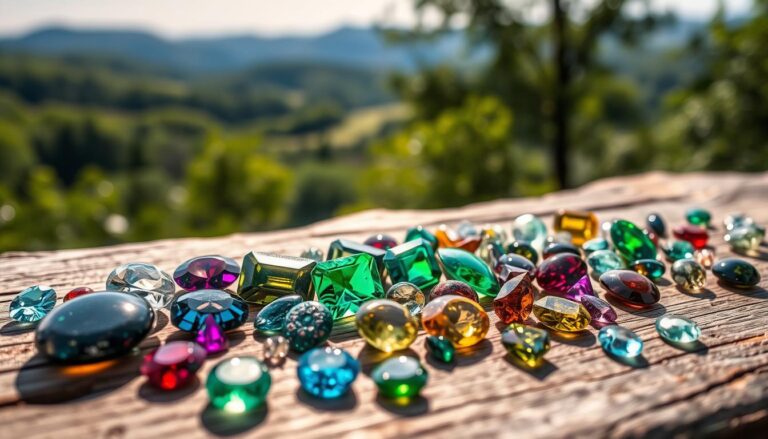
Tennessee hosts an impressive variety of gemstones due to its geological diversity. Collectors regularly find specimens ranging from common quartz to rare barite roses.
Agate – The State Mineral
Agate earned recognition as Tennessee’s official state mineral for good reason. This colorful chalcedony forms distinctive banded patterns that make each specimen unique.
You’ll find agate in areas with past volcanic activity, particularly in stream gravels and weathered rock outcrops. The best specimens show clear color bands in red, orange, yellow, and white.
Quartz Varieties
Tennessee produces several valuable quartz varieties that collectors prize:
- Smoky quartz – Brown to black crystals found in pegmatites and quartz veins.
- Clear quartz – Transparent crystals perfect for jewelry and electronic applications.
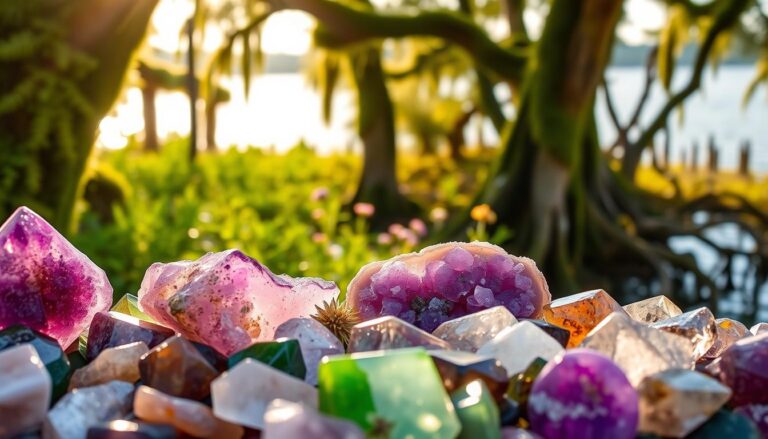
- Rose quartz – Pink-colored variety formed in pegmatitic rocks.
- Amethyst – Purple quartz crystals found in hydrothermal veins.
Specialty Gemstones
Beyond quartz and agate, Tennessee offers several unique minerals:
- Jasper and chalcedony – Colorful varieties of microcrystalline quartz.
- Barite roses – Unique petal-shaped formations highly sought by collectors, similar to those found in Oklahoma’s renowned barite rose deposits.
- Fluorite – Cubic crystals that glow under ultraviolet light.
- Calcite – Common mineral found in various colors and crystal forms.
- Freshwater pearls – Produced by mussels in Tennessee’s rivers and lakes.
Best Time for Gem Hunting
Visit creek beds after heavy rains when water levels drop but fresh material remains exposed. Spring and fall offer the most comfortable weather conditions for extended outdoor collecting.
Top Gem Hunting Locations
Tennessee’s three main regions each offer distinct gem hunting opportunities. Eastern mountains provide the richest variety, while western rivers concentrate specimens through natural sorting.
Eastern Tennessee Sites
The mountainous eastern region contains Tennessee’s most productive gem hunting areas. Ancient geological processes created numerous mineral deposits throughout this zone.
Great Smoky Mountains Region
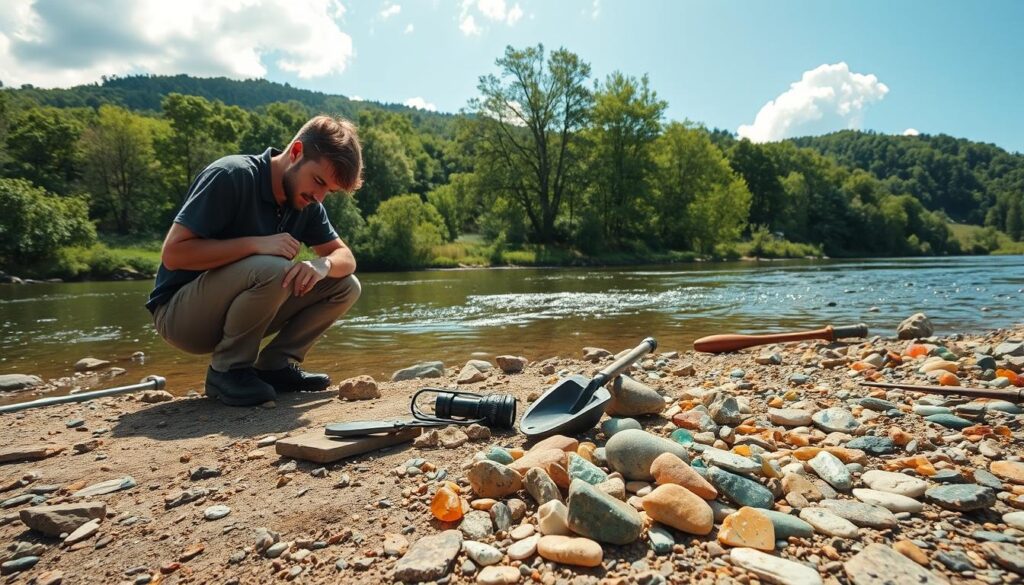
Streams and creeks flowing from the Smoky Mountains carry gemstones down from highland deposits. Popular collecting spots include Little River, Abrams Creek, and numerous unnamed mountain streams.
Focus your search on gravel bars and areas where streams slow down. These natural collection points concentrate heavier gemstone materials.
Cherokee National Forest
This vast forest area provides excellent rockhounding opportunities across multiple counties. Check forest service regulations before collecting, as some areas require permits.
The Tellico River and Ocoee River systems offer particularly good prospects for agate and quartz specimens.
Middle Tennessee Locations
Central Tennessee’s unique geology creates different but equally rewarding gem hunting experiences. The region’s limestone base hosts various mineral formations.
Cumberland Plateau
The plateau’s elevated position and diverse rock types create excellent collecting conditions. Stream valleys cutting through the plateau expose fresh mineral deposits regularly.
Search creek beds and hillside exposures for agate, jasper, and various quartz varieties. The Caney Fork River system provides multiple access points.
Nashville Basin
This central depression offers unique collecting opportunities, particularly for fossils and crystalline minerals. Many private quarries in the area allow collecting with permission.
Western Tennessee Opportunities
While less famous for gem hunting, western Tennessee provides its own collecting rewards. River systems here concentrate materials from across the state, much like the river deposits found in neighboring Kentucky.
Tennessee River Deposits
The Tennessee River and its tributaries carry gemstones from multiple sources upstream. Gravel bars and exposed banks often yield agate, jasper, and river-polished specimens.
Kentucky Lake and Pickwick Lake areas provide accessible collecting spots along their shorelines.
Commercial Dig Sites
Several fee-based dig sites operate in western Tennessee, offering guaranteed access to gemstone-rich materials. These facilities typically charge $15-30 per person and provide basic tools.
Gem Hunting Tips and Techniques
Successful gem hunting requires proper preparation, equipment, and knowledge. Tennessee’s varied terrain demands different approaches depending on your chosen location.
Essential Equipment
Pack these items for any Tennessee gem hunting expedition:
- Rock hammer – Choose a geology pick with flat and pointed ends.
- Hand lens – 10x magnification helps identify small details and crystal structures.
- Collection containers – Use sturdy bags or buckets to protect your finds.
- Safety gear – Include gloves, eye protection, and sturdy boots.
- Reference materials – Carry field guides specific to Tennessee minerals.
Field Identification
Learn to recognize Tennessee’s common gemstones by their key characteristics. Agate shows distinctive banding, while quartz crystals display hexagonal shapes and glassy luster.
Use your hand lens to examine crystal faces, color patterns, and internal structures. Many Tennessee gemstones look ordinary until cleaned and examined closely, similar to finds in North Carolina’s renowned quartz and emerald deposits.
Legal Considerations
Always obtain permission before collecting on private property. Most landowners appreciate polite requests and clear explanations of your intentions.
National forest areas allow collecting for personal use, but check current regulations for any restrictions. Some areas require permits or limit the amount you can collect.
Frequently Asked Questions
What is Tennessee’s official state mineral?
Agate serves as Tennessee’s official state mineral, representing the state’s rich geological heritage.
Where can I find the best gemstones in Tennessee?
The Great Smoky Mountains region and Cherokee National Forest offer the highest concentration of quality gemstone deposits.
Do I need special permission to collect gemstones in Tennessee?
Private property requires landowner permission, while national forests allow personal collecting under current regulations.
What equipment do I need for gem hunting in Tennessee?
Essential items include a rock hammer, hand lens, collection bags, safety gear, and Tennessee mineral identification guides.
When is the best time to hunt for gemstones in Tennessee?
Spring and fall provide ideal weather, while visiting stream beds after heavy rains exposes fresh material.
Can I find valuable gemstones worth money in Tennessee?
While most Tennessee gemstones have modest commercial value, exceptional specimens of agate, quartz, and freshwater pearls can be worth hundreds of dollars.
Final Thoughts
Tennessee Gemstones provide endless opportunities for rockhounds to explore the state’s geological treasures. From agate-filled creek beds to crystal-lined caves, Tennessee offers something for every collector’s interests.
Start your gem hunting adventure by visiting one of the established sites in the Great Smoky Mountains region, then expand your exploration as you gain experience and confidence. Consider exploring similar Appalachian formations in Virginia or West Virginia to broaden your collecting horizons.