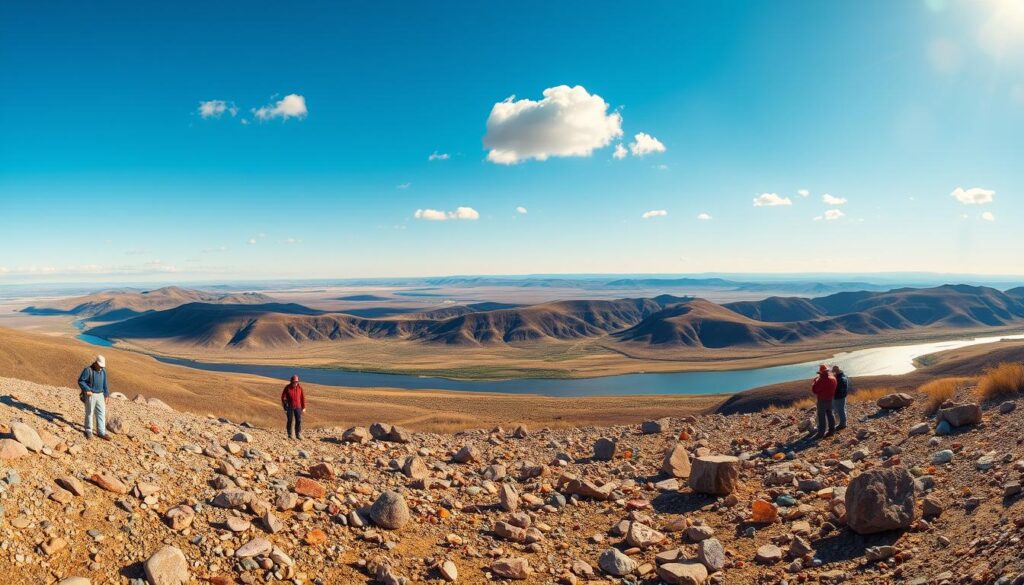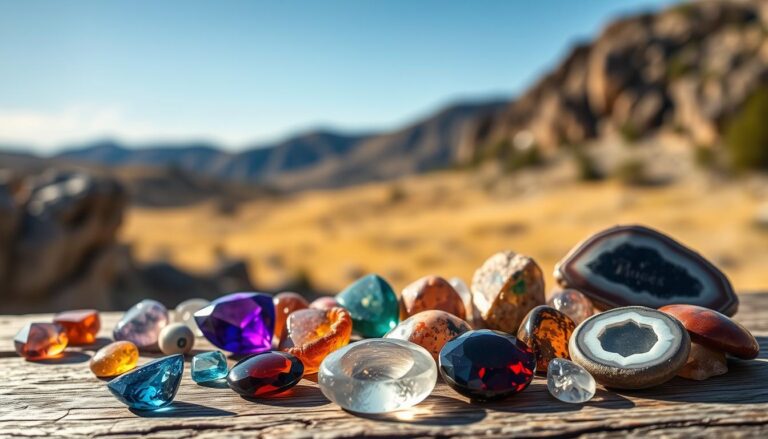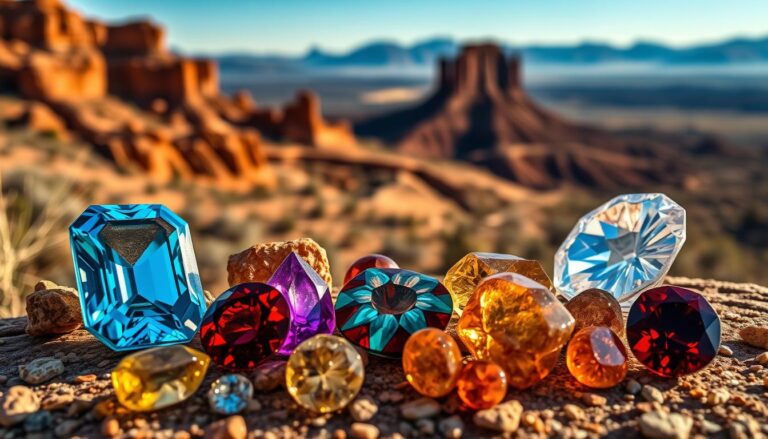
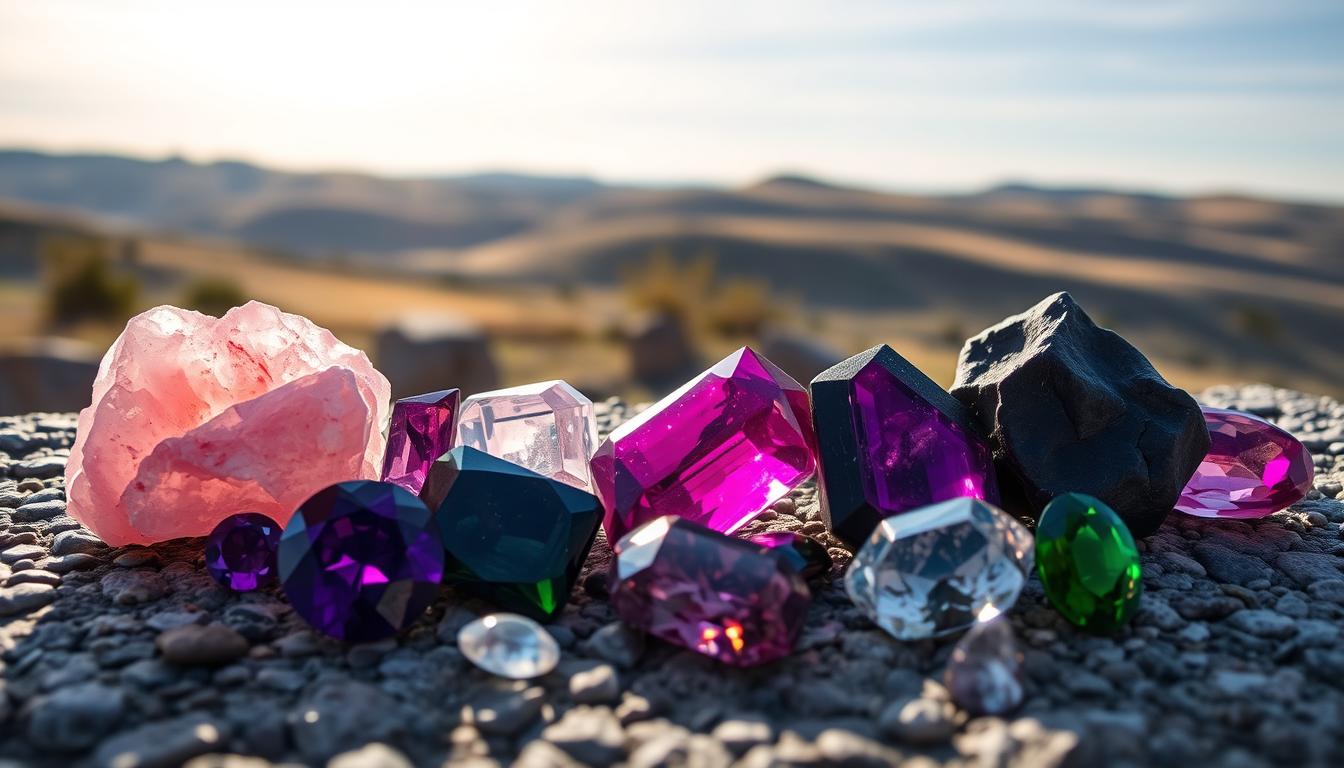
South Dakota Gemstones offer incredible variety thanks to the state’s rich geological history. This region has created perfect conditions for forming agates, quartz crystals, and unique specimens like Fairburn agates over millions of years.
The Black Hills region stands out as the crown jewel for collectors, with granite formations and pegmatites creating concentrated mineral deposits. Whether you’re searching stream beds in eastern counties or exploring the Badlands, South Dakota delivers consistent finds for both beginners and experienced rockhounds.
TL;DR
- Fairburn agates from western South Dakota sell for $20-200 per specimen depending on size and banding quality.
- Spring and fall provide the best collecting conditions with temperatures between 50-70°F and accessible creek beds.
- Custer State Park allows surface collecting without permits on designated areas during daylight hours only.
- A basic rock hammer, hand lens, and collection bag cost under $50 and handle 90% of South Dakota collecting needs.
South Dakota Gemstones Overview
The state’s geological foundation creates three distinct collecting regions. The Black Hills formed from granite intrusions 60 million years ago, concentrating minerals in pegmatite pockets and creating ideal conditions for quartz varieties.
Eastern areas showcase glacial deposits that moved specimens hundreds of miles from their original locations. Western regions feature sedimentary formations with jaspers and chalcedony varieties formed in ancient stream systems, similar to formations found in neighboring Montana where collectors find exceptional agates and sapphires.
Most Common Specimens
- Quartz varieties – rose quartz, amethyst, smoky quartz, and clear crystals found statewide.
- Agates – Fairburn, Lake Superior, and prairie agates with distinct banding patterns.
- Jaspers – red, yellow, and multicolored specimens common in western counties.
- Petrified wood – fossilized specimens with detailed grain preservation.
- Feldspar – moonstone and orthoclase crystals in granite pegmatites.
Black Hills Collecting Areas
The Black Hills region produces the highest quality specimens in South Dakota. Granite pegmatites here contain large crystal formations and rare mineral associations not found elsewhere in the state.
Custer State Park
Surface collecting is permitted in designated areas without special permits. The park’s granite formations produce excellent quartz crystals, especially near Grace Coolidge Creek and along hiking trails.
Best collecting spots include stream gravels below Sylvan Lake and exposed granite faces along the Needles Highway. Early morning visits avoid crowds and provide better lighting for spotting specimens.
Jewel Cave Area
The surface areas around Jewel Cave National Monument offer good collecting for small quartz crystals and calcite specimens. Focus on limestone exposures and creek beds rather than the cave system itself.
Parking areas provide access to collecting zones within walking distance. Check with rangers about current access restrictions before planning extended searches.
Eastern South Dakota Locations
Glacial activity spread specimens across eastern counties, creating diverse collecting opportunities in farm fields and creek systems. Most productive areas follow major river drainages where water action concentrates specimens, much like the collecting opportunities found in Minnesota’s Lake Superior region.
Missouri River Valley
Gravel bars and exposed banks along the Missouri River produce Lake Superior agates and various quartz specimens. Spring flooding exposes fresh material each year.
Access points near Chamberlain and Pierre offer good walking access to productive gravel deposits. Always check water levels and weather conditions before exploring river areas.
Big Sioux River System
The Big Sioux River and its tributaries concentrate specimens from Minnesota and Iowa glacial deposits. Prairie agates and jaspers appear regularly in creek gravels.
Private landowner permission is required for most productive spots. Many farmers welcome collectors who ask permission and respect property boundaries.
Western Collecting Regions
Western South Dakota features sedimentary formations with unique specimens not found in other areas. The Badlands region produces distinctive agates and jaspers with unusual color combinations, sharing geological similarities with Wyoming’s agate deposits.
Badlands National Park
Surface collecting is prohibited within park boundaries, but adjacent BLM lands offer similar geological formations. Pierre shale exposures contain small agates and fossil specimens.
Focus on washes and gullies where erosion exposes fresh material. Hot summer temperatures make spring and fall collecting more comfortable.
Seasonal Timing Strategy
Plan collecting trips for April-May and September-October when temperatures stay moderate and spring snowmelt exposes fresh specimens. Summer heat makes midday searching uncomfortable, while winter ice blocks access to most creek beds.
Essential Collecting Equipment
Basic tools handle most South Dakota collecting situations effectively. Quality matters more than quantity when selecting equipment for regular use.
Primary Tools
- Rock hammer. 16-ounce weight works best for breaking apart host rock without damaging specimens.
- Hand lens. 10x magnification helps identify crystal systems and mineral characteristics in the field.
- Collection containers. Padded boxes prevent damage during transport back to vehicles.
- GPS device. Mark productive locations for return visits and share coordinates with other collectors.
Safety Equipment
- Safety glasses – protect eyes from rock chips during hammer work.
- Work gloves – prevent cuts from sharp edges on freshly broken specimens.
- First aid kit – handle minor cuts and scrapes common during field work.
- Water and snacks – maintain energy during long collecting sessions.
Specimen Preparation and Storage
Proper cleaning preserves specimen quality and prevents damage during long-term storage. Most South Dakota specimens respond well to simple cleaning methods using household supplies.
Cleaning Methods
Start with warm water and dish soap to remove surface dirt and clay. Use soft brushes for detailed cleaning without scratching polished surfaces.
Avoid harsh chemicals or ultrasonic cleaners on agates and jaspers. These can damage internal structures and reduce display quality over time.
Storage Solutions
- Individual compartments – prevent specimens from rubbing against each other.
- Acid-free tissue paper – wraps delicate specimens safely for long-term storage.
- Climate control – stable temperature and humidity prevent thermal expansion damage.
- UV protection – filters prevent color fading in amethyst and other light-sensitive minerals.
Legal Considerations and Ethics
Understanding collecting regulations prevents legal problems and maintains access for future collectors. Rules vary significantly between public and private lands, so research local laws just as you would when collecting in North Dakota or other states.
Public Land Rules
National parks prohibit all collecting activities within park boundaries. State parks typically allow surface collecting in designated areas with quantity limits.
BLM and Forest Service lands permit casual collecting for personal use only. Commercial collecting requires special permits and fees.
Private Property Protocol
Always obtain written permission before collecting on private land. Many landowners welcome collectors who ask permission and follow basic courtesy rules.
Respect gates, fences, and crop areas when accessing private collecting sites. Leave areas cleaner than you found them to maintain good relationships.
Frequently Asked Questions
What makes Fairburn agates so valuable compared to other South Dakota specimens?
Fairburn agates display complex banding patterns with multiple colors that formed under specific geological conditions found only in western South Dakota. Their rarity and beauty make them highly sought after by collectors worldwide.
Can I collect gemstones in South Dakota state parks without permits?
Most state parks allow surface collecting in designated areas without permits, but quantity limits apply. Check with park offices for current regulations since rules change seasonally.
Which season provides the best collecting conditions in South Dakota?
Spring and fall offer ideal conditions with moderate temperatures and accessible creek beds. Spring snowmelt often exposes fresh specimens while fall provides comfortable weather for extended searches.
How do I identify whether a specimen is agate or jasper?
Agates show translucent qualities when held to light and display distinct banding patterns. Jaspers appear opaque with more uniform coloring and lack the clear banding structure of agates.
What should I do if I find specimens on private property accidentally?
Stop collecting immediately and contact the landowner to explain the situation. Most property owners appreciate honesty and may grant permission for future collecting if approached respectfully.
Final Thoughts
South Dakota Gemstones provide endless opportunities for collectors of all experience levels to discover beautiful specimens. The state’s diverse geology creates distinct collecting regions, each offering unique varieties and challenges for rockhounds, similar to the rich collecting opportunities available in Colorado’s mountain regions.
Start with easily accessible areas like Custer State Park to build experience before exploring remote locations. Respect private property, follow regulations, and maintain ethical collecting practices to preserve access for future generations.