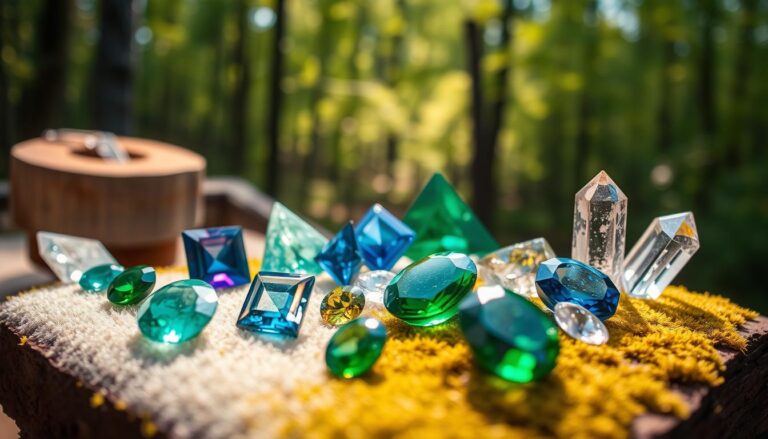
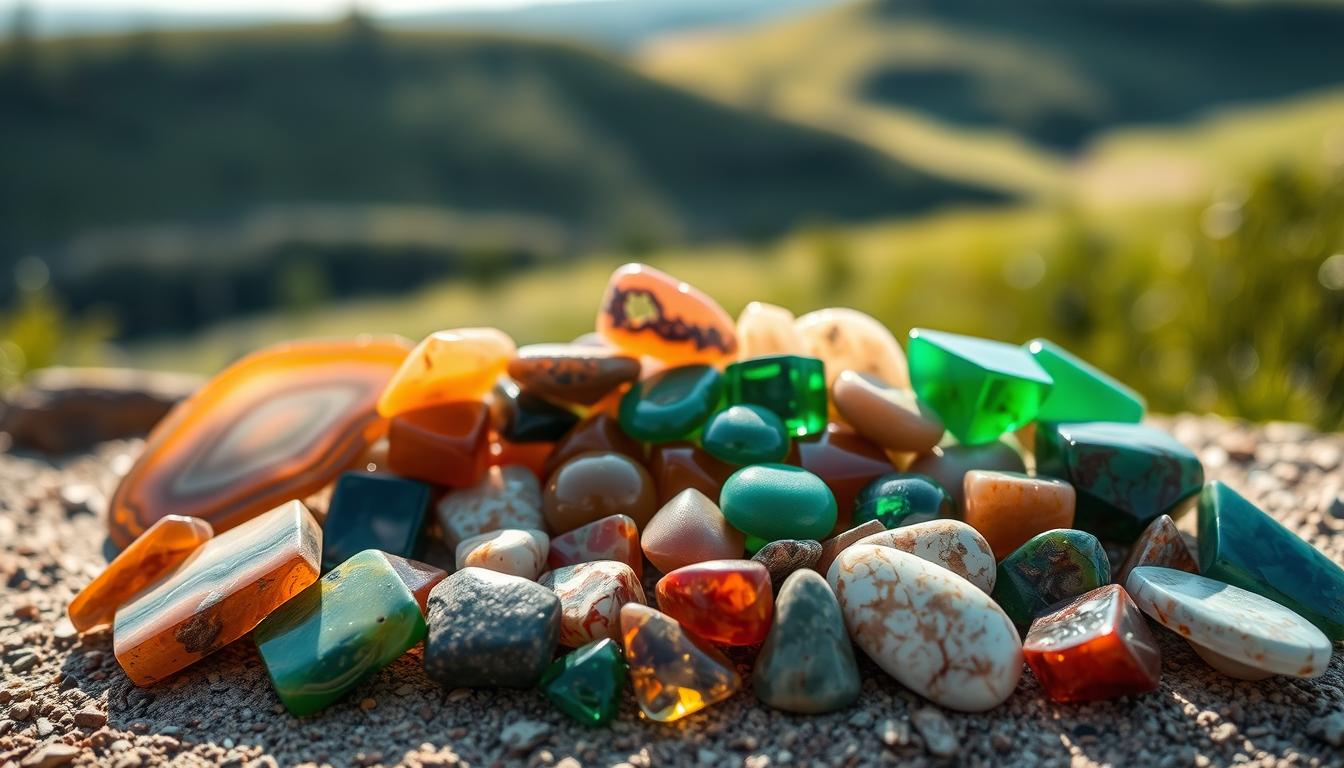
Nebraska Gemstones offer a fascinating glimpse into the state’s rich geological history spanning millions of years. From the rolling plains to ancient river valleys, Nebraska’s diverse landscape has created perfect conditions for forming beautiful minerals and precious stones.
The state’s unique position at the crossroads of ancient seas and glacial activity has left behind an impressive collection of gemstones. Rock hunters and collectors can discover agates, jaspers, topaz, and petrified wood scattered across Nebraska’s terrain.
TL;DR
- Nebraska contains over 15 different gemstone varieties including topaz, garnet, amethyst, and agates found throughout the state.
- Scotts Bluff County produces some of the finest agates in the region with specimens reaching up to 6 inches in diameter.
- Spring and fall offer the best collecting conditions with temperatures between 50-70°F and recent rainfall exposing new deposits.
- Public land collecting is allowed on Bureau of Land Management sites with a daily limit of 25 pounds per person.
Nebraska Gemstones and Their Geological Origins
Nebraska’s gemstone formation began over 500 million years ago when ancient seas covered much of the region. These marine environments deposited layers of sediment that would later transform into the mineral-rich rocks we see today.
The Paleozoic and Mesozoic eras left behind limestone, sandstone, and shale formations packed with fossilized materials. Later glacial activity during the Pleistocene epoch transported rocks and minerals from distant locations, further enriching Nebraska’s geological diversity.
Ancient Sea Deposits
The sedimentary layers from prehistoric oceans created ideal conditions for gemstone formation. Silica-rich solutions flowed through these rock layers over millions of years, crystallizing into the agates and jaspers found today.
These same marine deposits also produced the limestone caves where calcite crystals and geodes formed through slow chemical processes.
Most Common Gemstone Varieties
Nebraska hosts an impressive range of gemstones that attract collectors from across the Midwest. Each type has unique characteristics shaped by the state’s complex geological history.
Agates and Chalcedony
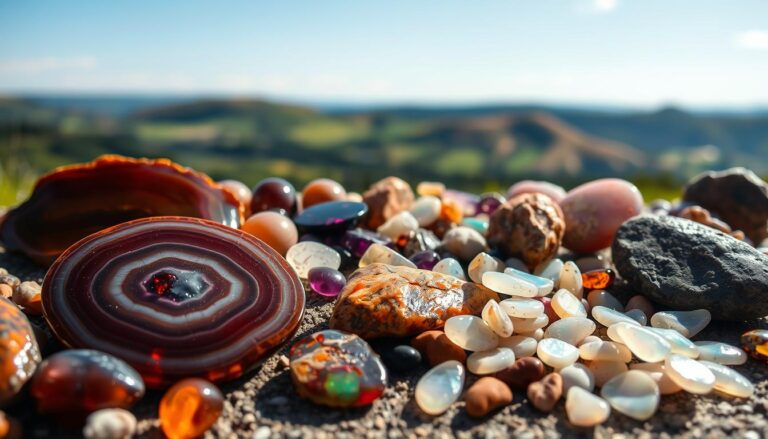
Nebraska agates are among the state’s most prized gemstones, displaying bands of color from white and gray to deep red and orange. These stones formed in gas bubbles within ancient lava flows and later weathered out into riverbeds.
The best rockhounding locations in Nebraska for agates include the North Platte River system and various gravel pits throughout the western counties.
- Prairie agates – Feature distinctive banding patterns in earth tones
- Moss agates – Display plant-like inclusions that create natural artwork
- Fortification agates – Show angular, fortress-like banding patterns
- Fire agates – Rare specimens with iridescent flashes of color
Topaz Discoveries
Western Nebraska has produced several notable topaz finds, particularly in areas with granitic intrusions. These crystals typically appear in shades of yellow, orange, and colorless varieties, similar to the topaz specimens found in Utah.
Topaz forms in pegmatite veins and cavities within granite formations. The best specimens show excellent clarity and well-developed crystal faces that make them valuable to both collectors and lapidary enthusiasts.
Garnet Varieties
Nebraska garnets primarily consist of almandine varieties displaying deep red to brownish-red colors. These metamorphic minerals formed under high pressure and temperature conditions deep within the Earth’s crust.
Collectors often find garnets in stream gravels where they’ve weathered out from their host rocks. The hardness and density of garnets help them survive transport better than softer minerals.
Seasonal Collecting Strategy
Visit collecting sites immediately after spring snowmelt or heavy summer rains when fresh material gets exposed. The best finds often occur within 24-48 hours of weather events.
Prime Collecting Locations
Nebraska’s gemstone deposits are spread across the state, with each region offering different collecting opportunities. Understanding the geology of each area helps focus your search efforts.
Western Nebraska Hotspots
The western counties contain the richest gemstone deposits due to their proximity to the Rocky Mountains and ancient volcanic activity. These areas received mineral-rich sediments carried by prehistoric rivers flowing eastward, much like the gemstone deposits found in neighboring Wyoming.
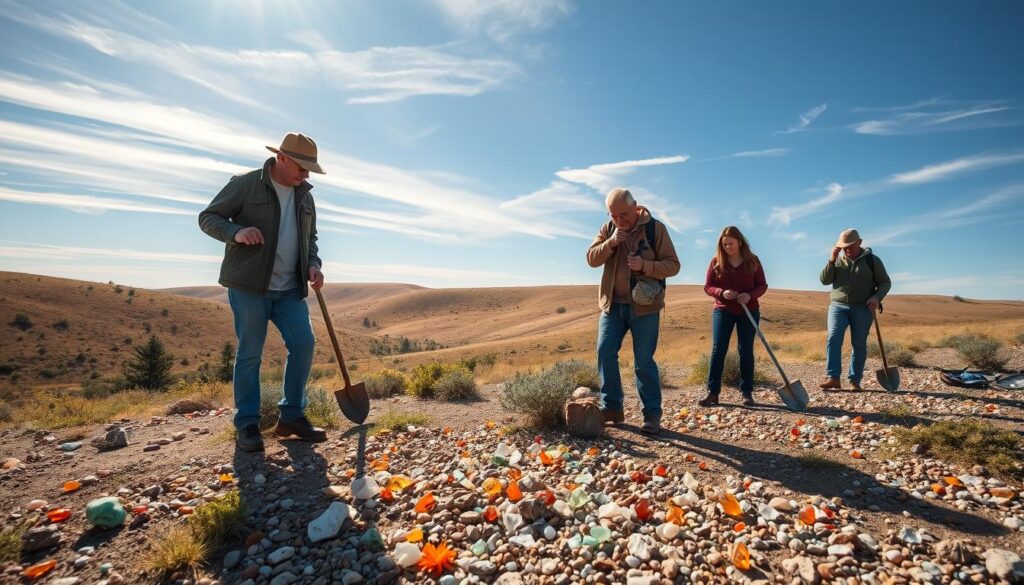
Scotts Bluff County stands out as the premier destination for agate hunters. The North Platte River and its tributaries have concentrated agates in gravel bars and terrace deposits over thousands of years.
- Scotts Bluff National Monument area – Public collecting allowed in designated zones
- Gering Formation outcrops – Expose fossil-rich layers containing agates
- Horse Creek drainage – Produces colorful jaspers and petrified wood
- Wildcat Hills – Known for unusual mineral specimens
Eastern Nebraska Opportunities
Eastern Nebraska’s gentler topography conceals glacial deposits containing gemstones transported from northern regions. These areas require more systematic searching but can yield surprising discoveries.
The Platte River system serves as the main collecting corridor, with seasonal changes exposing new gravel bars and sandbars. Focus your efforts where tributaries join the main river channel.
Effective Hunting Techniques
Successful gemstone hunting in Nebraska requires understanding both geology and practical field techniques. The right approach can dramatically improve your success rate.
Stream and River Methods
Water-worn gemstones often show their true colors and patterns more clearly than rough specimens. Rivers naturally concentrate heavy minerals in specific locations called placer deposits.
Search inside bends where water velocity decreases and heavy materials settle out. Pay special attention to areas downstream from rapids or waterfalls where turbulence sorts materials by density.
- Survey the area. Walk the shoreline looking for color changes in gravel beds that indicate different rock types.
- Test gravel bars. Dig small test holes in promising areas to check what lies beneath the surface.
- Follow flood debris lines. High water marks often concentrate interesting specimens in narrow bands.
- Check tributary mouths. Where smaller streams join larger rivers, different rock types mix together.
Dry Land Prospecting
Many of Nebraska’s best gemstone locations are found away from active waterways. These sites often require permission to access but may contain less picked-over material.
Gravel pits and construction sites frequently expose gem-bearing layers that are otherwise buried. Always obtain proper permissions before collecting on private property.
Legal Considerations and Ethics
Responsible collecting ensures that Nebraska’s gemstone resources remain available for future generations. Understanding regulations helps avoid legal problems and maintains good relationships with landowners.
Public Land Rules
Nebraska’s public lands allow reasonable collection for personal use under specific guidelines. The Bureau of Land Management and state parks have established rules to balance public access with resource protection.
Most public areas limit collections to 25 pounds per person per day for non-commercial use. Power tools and mechanized equipment are generally prohibited to prevent environmental damage.
Private Property Protocol
Always secure written permission before collecting on private land, even if the area appears abandoned. Many of Nebraska’s most productive sites are on ranch or farm property where owners may be willing to grant access.
Offer to share your finds with landowners or provide small payments for access rights. This approach often leads to long-term collecting relationships and access to prime locations.
Frequently Asked Questions
What are the most valuable gemstones found in Nebraska?
Topaz crystals and high-quality agates command the highest prices, with exceptional specimens selling for $50-200 per piece. Petrified wood and amethyst also have good collector value.
When is the best time of year to hunt for gemstones in Nebraska?
Spring and fall offer ideal conditions with moderate temperatures and seasonal rainfall that exposes new material. Avoid winter collecting due to frozen ground and summer heat stress.
Do I need special equipment for gemstone hunting in Nebraska?
Basic tools include a rock hammer, hand lens, collection bags, and safety glasses. A GPS device helps mark productive locations for return visits.
Can I collect gemstones in Nebraska state parks?
Some state parks allow limited collecting in designated areas with daily quantity limits. Check with park rangers about current regulations before collecting.
How can I identify Nebraska agates from regular rocks?
Look for translucent to transparent stones with banded patterns or waxy luster. Agates are harder than steel and will scratch glass when tested carefully.
Final Thoughts
Nebraska Gemstones represent millions of years of geological processes that created a diverse collection of minerals across the state. From the agate-rich western counties to the glacial deposits in the east, Nebraska offers countless opportunities for discovery.
Start with easily accessible public areas like state recreation areas and work your way up to more specialized locations as you gain experience. With proper equipment and knowledge of local geology, you can explore the same productive regions that yield treasures in neighboring states like Kansas and Iowa.