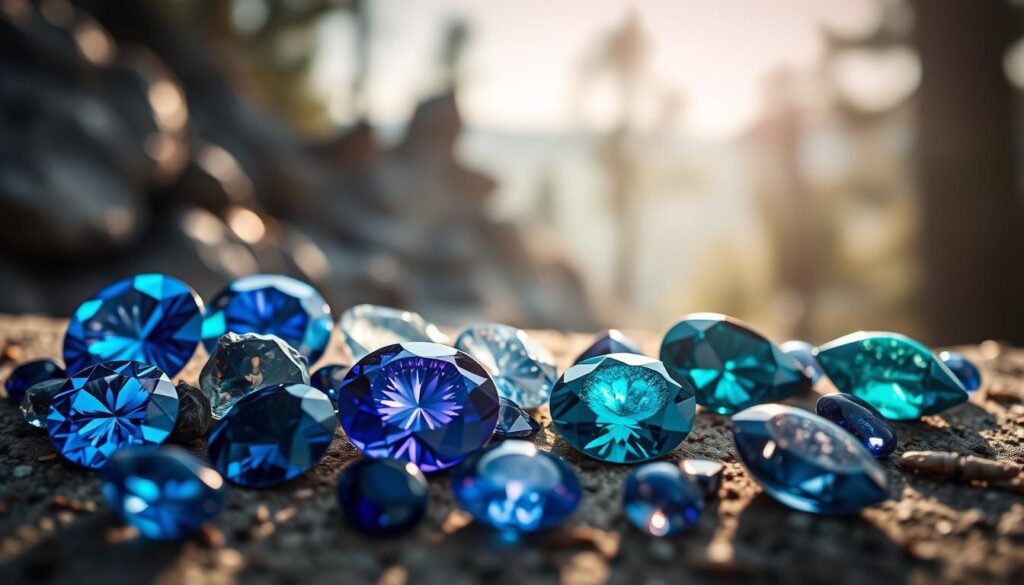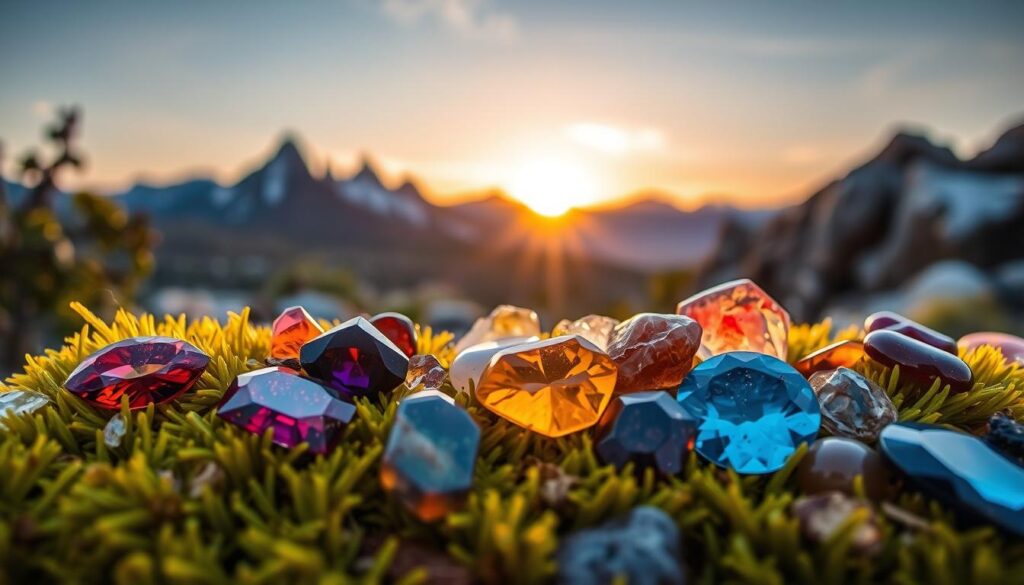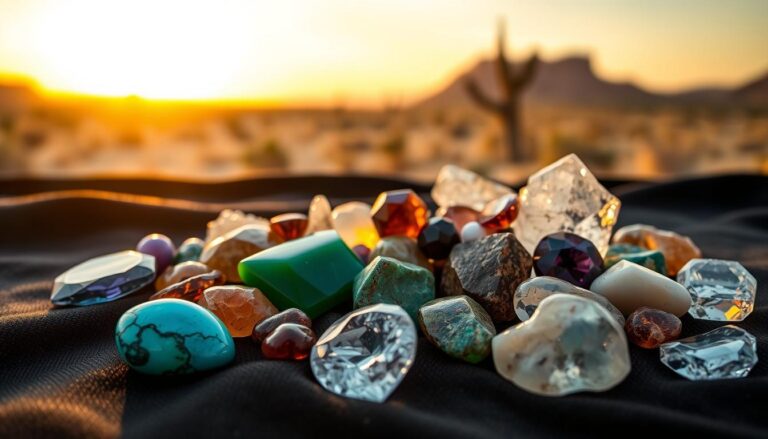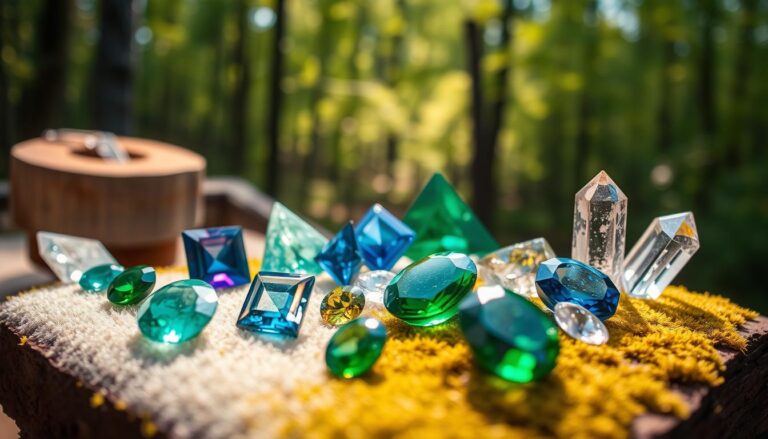
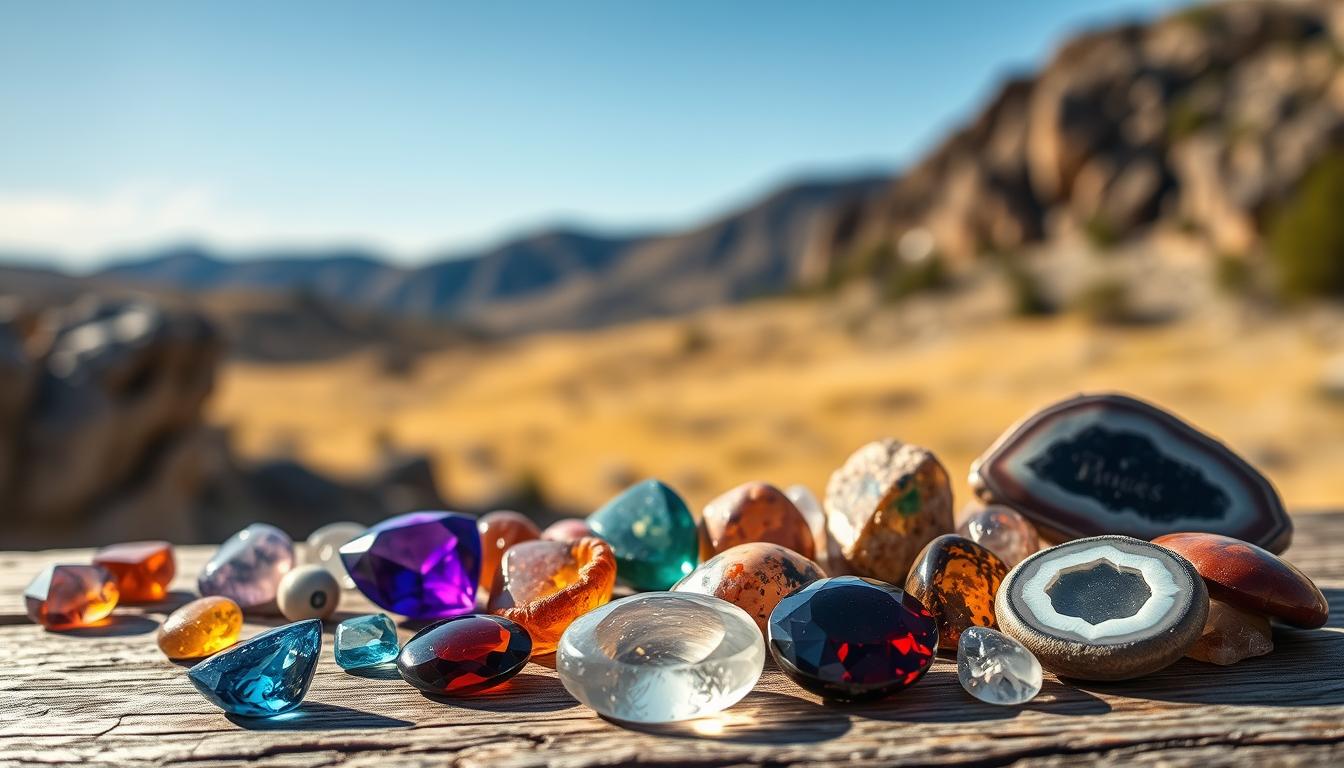
Common Gemstones In Montana are abundant throughout this treasure-filled state. Montana earned its nickname “The Treasure State” through its rich deposits of sapphires, agates, and garnets that formed over millions of years. The state’s varied geology creates perfect conditions for finding these natural treasures.
Rockhounds and collectors flock to Montana because of its incredible gemstone diversity. You can discover world-famous sapphires in mountain mines or hunt for colorful agates along rushing rivers. The state’s geological history has created one of America’s premier gemstone destinations.
TL;DR
- Montana produces over 90% of America’s sapphires, with Yogo sapphires valued at $1,000+ per carat for top quality stones.
- The Missouri River system contains garnet deposits that can yield stones up to 2 inches in diameter.
- Rock Creek sapphire mining allows public access for $25-50 per day at commercial operations.
- Montana agates form in 15+ varieties including moss, fortification, and banded types found in river gravels.
Common Gemstones In Montana Overview
Montana’s gemstone wealth comes from its complex geological history spanning 3.8 billion years. Volcanic activity, tectonic movements, and ancient river systems created the perfect conditions for gemstone formation. These forces concentrated precious minerals in accessible locations throughout the state.
The state’s gemstone diversity rivals anywhere in North America. Western Montana produces the famous sapphires, while eastern regions yield exceptional agates and jaspers. This geographic split gives collectors access to completely different types of stones within one state, similar to the diverse gemstone deposits found in Colorado’s varied terrain.
Montana’s Geological Foundation
Montana sits on some of North America’s oldest rocks, including the Belt Supergroup formations. These ancient rocks underwent intense heat and pressure that created many of today’s gemstone deposits. Igneous intrusions brought sapphires and garnets closer to the surface where they could be mined.
River systems played a major role in distributing gemstones across the landscape. The Missouri River and its tributaries carried stones hundreds of miles from their original sources. This natural sorting process concentrated gems in gravel bars and terraces that are still mined today.
Montana Sapphires: World-Class Blue Gems
Montana produces the finest sapphires in North America, with three main regions offering distinct characteristics. Each area produces stones with unique colors and qualities that appeal to different collectors and jewelry makers.
Yogo Gulch Sapphires
Yogo sapphires represent the crown jewel of Montana gemstones. These stones form in a 5-mile-long dike near Lewistown and are famous for their cornflower blue color. Yogo sapphires rarely need heat treatment because they form with exceptional natural clarity and color.
The geological conditions at Yogo Gulch are unique worldwide. The sapphires crystallized in a lamprophyre dike under specific temperature and pressure conditions. This process created stones that often show no inclusions visible to the naked eye.
Missouri River Sapphires
Missouri River sapphires offer more color variety than Yogos, ranging from blue to pink, yellow, and green. These stones originated in the Little Belt Mountains and were carried downstream by ancient rivers. Today, miners work gravel bars along the river to recover these colorful gems.
The alluvial nature of these deposits means sapphires are naturally tumbled and rounded. While this reduces their size, it also indicates the stones are durable enough to survive river transport. Many Missouri River sapphires display excellent clarity after proper cutting.
Rock Creek Sapphires
Rock Creek near Philipsburg produces sapphires in a range of colors similar to Missouri River stones. The area offers several commercial mining operations where visitors can try their luck at finding sapphires. These sites provide equipment and guidance for beginners.
Rock Creek sapphires often show good color saturation and clarity. The deposit extends over several miles, giving multiple locations to explore. Some operations allow visitors to keep everything they find, while others charge by the bucket of gravel.
Montana Garnets: Red Treasures
Montana produces several types of garnets, with almandine being the most common variety. These deep red to reddish-brown stones form in metamorphic rocks throughout the state. Garnet mining offers an excellent entry point for beginning rockhounds, much like the accessible garnet deposits found in Idaho’s mountain regions.
Types and Locations
Almandine garnets appear in many Montana locations, particularly around Alder Gulch. These iron-aluminum garnets show the classic deep red color most people associate with garnets. They often occur as well-formed crystals that make excellent specimens.
Grossular garnets appear in fewer locations but offer more color variety. These calcium-aluminum garnets can be green, yellow, orange, or colorless. The Ruby Reservoir area produces some of the best grossular specimens in the state.
- Almandine – Deep red crystals found in schist and gneiss formations
- Grossular – Green to yellow varieties in metamorphic contact zones
- Pyrope – Rare red garnets found in ultramafic rocks
- Spessartine – Orange garnets occurring in pegmatite deposits
Agates and Quartz Varieties
Montana agates rank among the most beautiful in North America. These silica gems form in volcanic rocks and are later released into river systems. The state produces over 15 recognized agate varieties, each with distinct patterns and colors.
Montana Agate Types
Moss agates show plant-like inclusions that create landscapes within the stone. These dendrite formations result from iron and manganese oxides creating branch-like patterns. Montana moss agates are particularly prized for their realistic scenes.
Fortification agates display concentric bands that resemble fortress walls. These patterns form as silica-rich solutions deposit layers over thousands of years. The Yellowstone River system produces exceptional fortification agates with bold color contrasts, rivaling the famous agate deposits found in Oregon’s volcanic regions.
- Moss Agate – Translucent stones with green or black dendrites
- Fortification Agate – Banded patterns in red, white, and brown
- Scenic Agate – Landscape-like patterns and colors
- Plume Agate – Feather-like inclusions in clear chalcedony
Quartz Crystal Varieties
Montana produces several types of crystalline quartz including amethyst, smoky quartz, and citrine. These varieties form in cavities within granite and pegmatite formations. The best specimens come from high-elevation areas in western Montana.
Smoky quartz crystals can reach impressive sizes in Montana pegmatites. Some specimens exceed 6 inches in length with excellent clarity and deep gray to black coloration. These crystals form when natural radiation affects clear quartz over geological time.
Other Notable Montana Gemstones
Beyond the famous sapphires and garnets, Montana produces many other collectible stones. These lesser-known gems offer opportunities for collectors seeking unique specimens. Some varieties like jade and jasper appear in commercially viable quantities.
Jade Deposits
Montana jade occurs primarily as nephrite in the western part of the state. This tough gemstone forms in metamorphic environments where serpentine rocks undergo additional alteration. Montana nephrite typically shows green colors ranging from pale to deep forest green, similar to the jade varieties discovered in Wyoming’s mountain terrains.
The best jade collecting happens in areas where serpentine belts intersect with other rock types. Stream beds below these formations often contain water-worn jade pebbles. Some specimens show the translucency and toughness that make jade valuable for carving.
Jasper and Other Chalcedony
Montana jaspers appear in numerous locations throughout the state. These opaque forms of microcrystalline quartz show red, yellow, brown, and green colors. The Missouri River system produces particularly nice specimens with complex patterns and bright colors.
Petrified wood represents another form of chalcedony found in Montana. Ancient forests buried by volcanic ash were gradually replaced by silica solutions. The resulting specimens preserve the original wood structure while displaying beautiful colors and patterns.
Best Time to Hunt Montana Gems
Visit Montana gemstone locations between May and September for the best access and weather conditions. Spring snowmelt can expose new material in river beds, while fall offers stable water levels for creek hunting.
Top Gemstone Hunting Locations
Montana offers both public and commercial sites for gemstone hunting. Public areas require more knowledge and effort but offer the excitement of discovery. Commercial operations provide guaranteed access to gem-bearing material with equipment and guidance included.
Public Access Areas
The Missouri River between Great Falls and Fort Benton allows free sapphire hunting on public lands. Gravel bars and exposed bedrock areas often contain sapphires and other gemstones. This stretch requires no permits but involves significant physical effort.
Rock Creek flows through public lands where garnet and sapphire hunting is permitted. The upper reaches near Philipsburg offer the best opportunities. Bring proper tools and be prepared for cold mountain water conditions.
- Missouri River – Free sapphire hunting on public gravel bars
- Rock Creek – Garnet and sapphire deposits in public areas
- Yellowstone River – Agate collecting near Glendive
- Judith River – Fossil wood and agate deposits
Commercial Mining Operations
Gem Mountain Sapphire Mine near Philipsburg offers guaranteed sapphire hunting for a daily fee. Visitors receive buckets of concentrated gravel and access to washing equipment. The facility provides instruction and gemstone identification services.
Spokane Bar Sapphire Mine allows visitors to work historic gravel deposits along Rock Creek. This operation has produced some of Montana’s finest sapphires over the decades. Professional mining equipment is available for rent on-site.
Mining Techniques and Equipment
Successful gemstone hunting in Montana requires the right tools and techniques. Different locations and gem types call for specific approaches. Understanding basic geology helps locate the most productive areas.
Essential Equipment
A sturdy rock hammer serves as the most important tool for any Montana gemstone hunter. Choose a 16-20 ounce hammer with a flat striking surface and pick end for detailed work. Quality hammers last decades and improve with use.
Hand screens in various mesh sizes help separate gems from surrounding material. Use 1/4-inch mesh for initial sorting and finer screens for final separation. Plastic tubs and pans make the washing process more efficient.
- Research locations. Study geological maps and talk to local rockhound clubs for current information.
- Check access rules. Verify that collecting is permitted and obtain any required permits.
- Bring proper tools. Pack hammer, screens, containers, and safety equipment.
- Start early. Best hunting happens in morning before areas get crowded.
- Clean thoroughly. Wash finds completely to evaluate quality and identify gem types.
Legal Requirements
Montana requires permits for commercial gemstone mining operations. Recreational collecting on public lands follows different rules depending on the managing agency. Forest Service and BLM lands typically allow small-scale collecting for personal use.
Private land requires permission from landowners before any collecting activities. Many productive areas exist on private ranches and mining claims. Always respect property rights and follow Leave No Trace principles.
Identifying and Valuing Montana Gemstones
Proper identification is crucial for understanding what you’ve found and its potential value. Montana gemstones can look similar in their rough state, making field identification challenging. Learning key characteristics helps separate valuable finds from common rocks.
Field Identification Tips
Hardness testing provides the first clue to gemstone identity. Sapphires and garnets both scratch steel and glass easily. Quartz varieties also show high hardness but lack the specific gravity of denser gems like sapphires.
Color can be misleading in rough gemstones due to surface oxidation and coating. Clean a small area with a file or sandpaper to see true colors. Crystal structure and luster provide more reliable identification criteria than color alone.
| Gemstone | Hardness | Specific Gravity | Key Features |
|---|---|---|---|
| Sapphire | 9 | 4.0 | High density, six-sided crystals |
| Garnet | 7-8 | 3.5-4.3 | Twelve-sided crystals, glassy luster |
| Agate | 7 | 2.6 | Banded patterns, waxy luster |
| Quartz | 7 | 2.65 | Six-sided crystals, glassy luster |
Frequently Asked Questions
What are the most valuable gemstones found in Montana?
Yogo sapphires command the highest prices, with top-quality stones selling for over $1,000 per carat. High-grade Montana garnets and exceptional agates also bring premium prices from collectors.
Can I hunt for gemstones year-round in Montana?
The best hunting season runs from May through September when weather permits access to most locations. Winter conditions make many sites inaccessible due to snow and frozen ground.
Do I need special permits to collect gemstones in Montana?
Public lands typically allow small-scale collecting for personal use without permits. Commercial operations and some specific locations require permits from appropriate land management agencies.
What equipment do I need to start gemstone hunting in Montana?
Essential tools include a rock hammer, various size screens, collection containers, and safety equipment. Many commercial sites rent or provide equipment for daily use.
Where can I get help identifying Montana gemstones I’ve found?
Local rockhound clubs, university geology departments, and some gem shops offer identification services. Online forums and field guides also provide identification resources for common Montana gems.
Final Thoughts
Common Gemstones In Montana represent some of North America’s finest natural treasures. From world-famous Yogo sapphires to colorful river agates, the state offers exceptional opportunities for rockhounds and collectors. The combination of accessible locations and diverse gem types makes Montana a premier destination, comparable to other renowned gemstone states like Utah’s mineral-rich landscapes.
Whether you’re planning your first gem hunting trip or adding to an existing collection, Montana’s geological wealth provides endless exploration opportunities. Start with commercial sites to learn techniques, then venture into public areas as your skills develop.
—
##