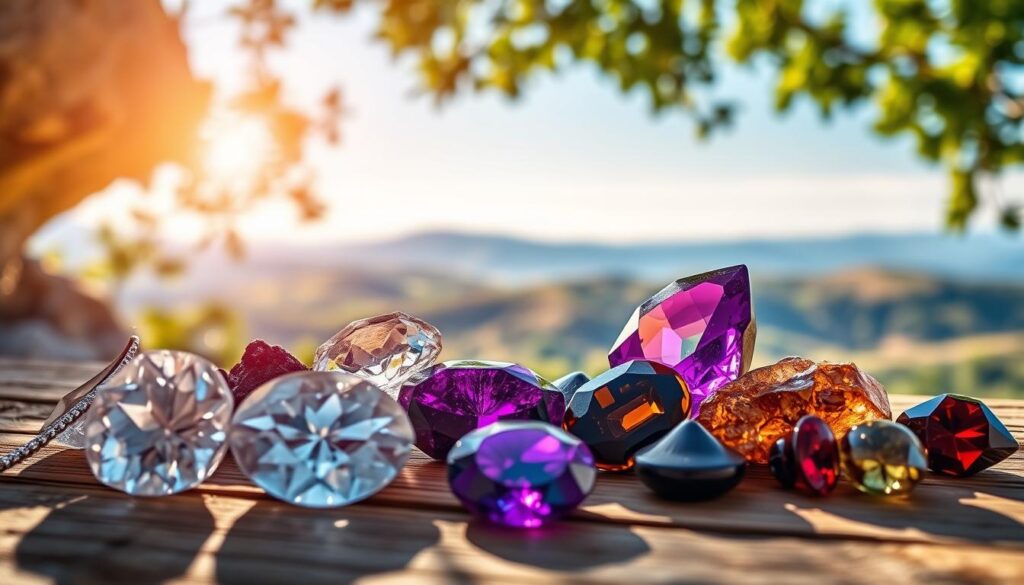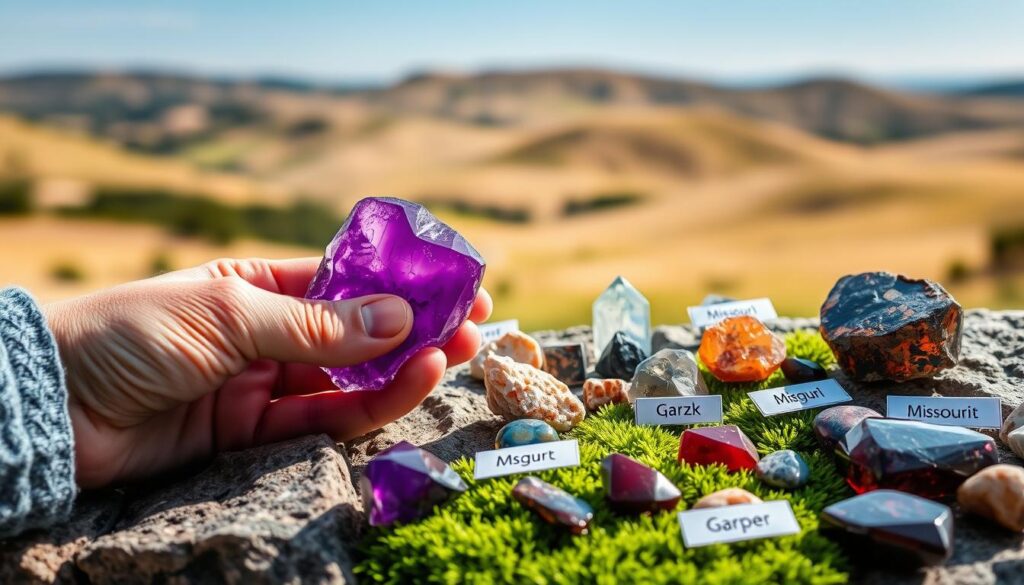
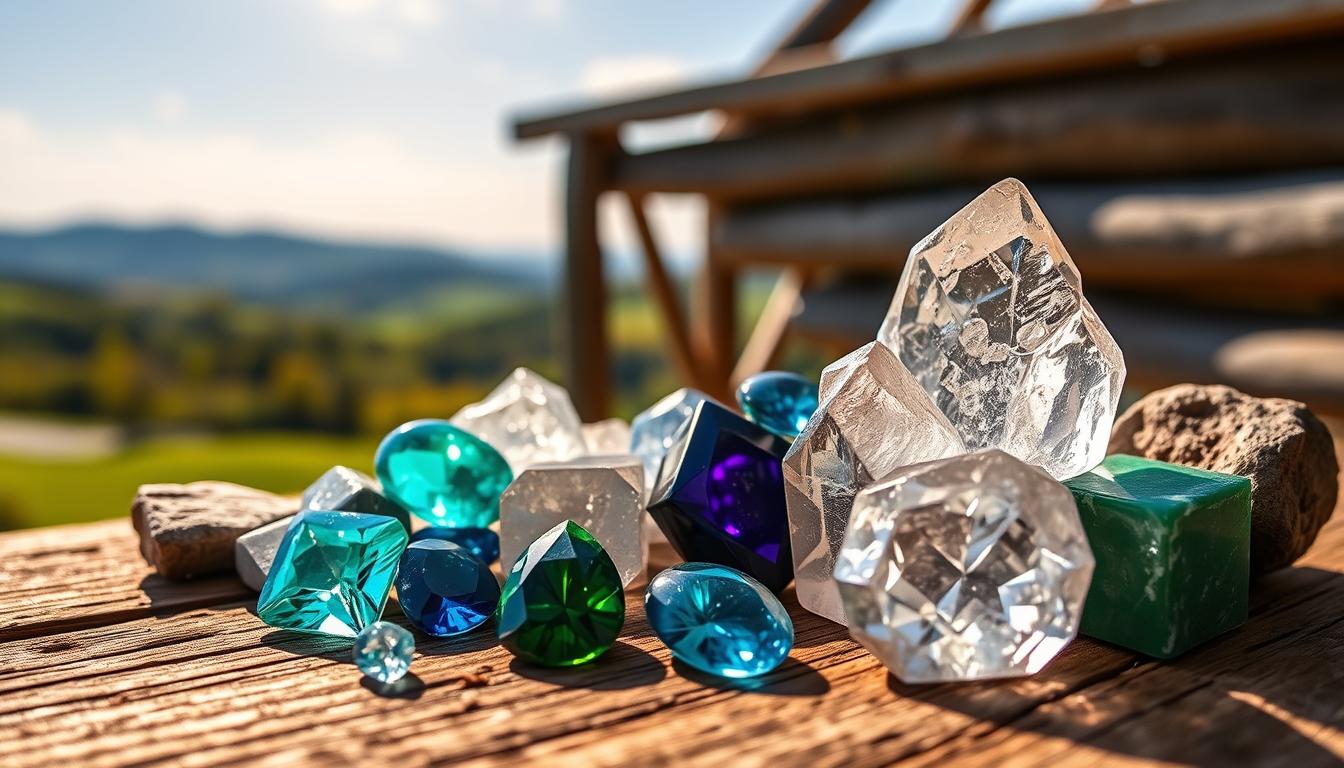
Missouri Rockhounding offers incredible opportunities for gem enthusiasts and collectors across the Show-Me State. The state’s diverse geological formations have created rich deposits of quartz, galena, calcite, and many other valuable specimens that attract rockhounds from across the country.
From the mineral-rich Ozark Mountains to the historic mining districts of southeast Missouri, the state provides both novice and experienced collectors with accessible locations to discover beautiful gemstones. Whether you’re searching stream beds for agate or exploring fee dig sites for crystal specimens, Missouri’s geological treasures are waiting to be found.
TL;DR
- Missouri contains over 20 different types of collectible gemstones including amethyst, smoky quartz, and galena specimens.
- The Ozark Mountains region offers the highest concentration of publicly accessible collecting sites with 15+ known locations.
- Southeast Missouri’s mining districts produce galena specimens weighing up to 50 pounds from active dig sites.
- Stream collecting is most productive during late summer when water levels drop by 2-3 feet exposing gravel bars.
Missouri Rockhounding Fundamentals
Missouri’s geological history spans over 500 million years, creating the perfect conditions for gemstone formation. The state sits at the intersection of several major geological provinces, resulting in an amazing variety of mineral deposits that make it a premier destination for collectors.
The Show-Me State earned its reputation among rockhounds through centuries of mining activity that exposed countless gemstone-bearing formations. Today’s collectors benefit from this rich mining heritage while discovering new specimens in both traditional locations and recently accessible areas.
Essential Gemstones of Missouri
Missouri’s gemstone variety reflects its complex geological past, with each region offering distinct collecting opportunities based on local rock formations and mineral processes. Collectors often find similar quartz varieties to those discovered in Arkansas’s famous crystal deposits, though Missouri specimens tend to form in different geological environments.
Quartz Specimens
Quartz represents Missouri’s most abundant and diverse gemstone category. Collectors regularly find multiple varieties in a single collecting trip.
- Amethyst – Purple crystals ranging from pale lavender to deep violet, found in geodes and crystal pockets throughout the state.
- Smoky Quartz – Gray to black transparent crystals that form in granite pegmatites and metamorphic rocks.
- Clear Quartz – Colorless crystals perfect for faceting, commonly found in druse formations and geodes.
- Rose Quartz – Pink massive quartz discovered in pegmatite deposits, though crystal forms are rare.
Galena and Lead Minerals
Southeast Missouri’s lead belt produces some of the finest galena specimens in North America. These metallic gray crystals often form perfect cubes and complex crystal combinations that command high prices from collectors.
Galena specimens from Missouri frequently contain silver inclusions, making them valuable both as mineral specimens and for their metal content. Prospectors using metal detectors often locate galena deposits by following lead anomalies in the soil.
Calcite Varieties
Missouri calcite occurs in numerous forms and colors, from clear Iceland spar to honey-colored massive specimens. Cave systems throughout the Ozarks produce exceptional calcite crystals in both dog-tooth and scalenohedral habits.
Best Collecting Times
Plan collecting trips for late summer and early fall when stream levels are lowest. This exposes more gravel bars and reduces water flow, making specimens easier to spot and collect safely.
Prime Missouri Collecting Locations
Missouri offers both fee dig sites and free collecting areas, giving rockhounds options based on their experience level and budget preferences.
Ozark Mountains Region
The Ozark Mountains contain Missouri’s most diverse mineral occurrences, with over 200 documented mineral species found within this geological province. Public lands throughout the region allow collecting, though some areas require permits.
Stream valleys cutting through Ozark formations expose fresh bedrock regularly, creating new collecting opportunities after each flood event. Spring floods often reveal previously buried crystal pockets and mineral veins.
Southeast Missouri Mining District
The Old Lead Belt and Viburnum Trend mining areas offer exceptional collecting for galena, chalcopyrite, and associated sulfide minerals. Many former mining properties now allow collecting for a small fee, similar to collecting opportunities found in Colorado’s historic mining districts.
- Mine tailings – Processed rock piles often contain overlooked specimens that mining operations discarded.
- Quarry walls – Exposed bedrock reveals crystal pockets and mineral veins in their natural setting.
- Equipment yards – Former mining sites sometimes allow collecting from stockpiled ore samples.
Public Collecting Areas
Missouri State Parks and Conservation Areas provide free collecting opportunities with minimal restrictions. Most allow surface collecting of common minerals while prohibiting digging or rock breaking.
- Check regulations. Contact park offices before visiting to confirm current collecting policies and any seasonal restrictions.
- Bring identification. Some areas require permits or have collecting limits that require documentation.
- Follow Leave No Trace principles. Fill any holes and avoid damaging vegetation or disturbing wildlife habitats.
Collecting Techniques and Equipment
Successful Missouri rockhounding requires different approaches depending on the target minerals and collecting locations. Stream collecting uses different techniques than quarry collecting or cave mineral hunting.
Essential Field Equipment
Basic collecting gear serves multiple purposes and should withstand Missouri’s variable weather conditions.
- Rock hammer – 16-20 oz hammer for breaking rocks and extracting specimens from matrix.
- Hand lens – 10x magnification for field identification and quality assessment.
- Sample bags – Various sizes for different specimen types with waterproof labels.
- GPS device – Record exact locations of productive sites for future reference.
- First aid kit – Address cuts, scrapes, and minor injuries common during collecting.
Stream Collecting Methods
Missouri’s numerous streams and rivers concentrate heavy minerals in gravel bars and bedrock crevices. Seasonal water level changes expose new collecting areas throughout the year.
Focus collecting efforts on inside curves where water velocity decreases and heavy materials settle out. Backyard prospecting techniques work well for identifying promising gravel deposits before investing time in detailed searching.
Specimen Identification and Processing
Proper identification ensures you recognize valuable finds and avoid discarding important specimens. Missouri’s mineral diversity means collectors encounter unfamiliar species regularly.
Field Identification Techniques
Quick field tests help separate common minerals from potentially valuable specimens without specialized equipment.
- Hardness testing – Use simple tools like steel files and glass plates to determine relative hardness.
- Streak testing – Rub specimens on unglazed ceramic to reveal diagnostic streak colors.
- Crystal form observation – Note crystal faces, twinning, and habit using a hand lens.
- Specific gravity estimation – Compare specimen weight to similarly sized common rocks.
Cleaning and Preparation
Missouri specimens often require minimal cleaning since many form in caves or protected environments. Gentle cleaning preserves natural crystal faces and maintains specimen value.
- Remove loose debris. Use soft brushes and water to clean surface dirt without damaging crystal faces.
- Assess matrix removal. Determine whether removing host rock improves or diminishes specimen appearance.
- Document provenance. Record collection location, date, and geological context for future reference.
Legal Considerations for Missouri Collecting
Missouri collecting laws vary significantly between public and private lands, with different regulations applying to surface collecting versus excavation activities. Similar regulations exist across neighboring states, and collectors should familiarize themselves with Illinois gemstone collecting laws if planning cross-state collecting trips.
Private property collecting requires written permission from landowners, while public lands have specific rules about collecting methods and quantity limits. Always verify current regulations before collecting since rules change periodically.
Some Missouri locations require collecting permits or charge daily fees for access. Research productive crystal locations in advance to understand access requirements and avoid legal complications.
Frequently Asked Questions
What are the most valuable gemstones found in Missouri?
Amethyst geodes, clear quartz crystals, and galena specimens command the highest prices among Missouri gemstones. Exceptional amethyst can sell for $50-100 per pound while museum-quality galena brings $20-50 per specimen.
Can you find gold in Missouri streams?
Small amounts of placer gold occur in some Missouri streams, particularly in areas with quartz veining. However, quantities are generally too small for profitable mining and most finds consist of fine flakes rather than nuggets.
What time of year is best for rockhounding in Missouri?
Late summer through early fall offers the best collecting conditions with low water levels exposing stream gravels and comfortable temperatures for extended field work. Spring collecting can be productive after floods expose fresh material.
Do Missouri caves contain collectible minerals?
Missouri caves produce exceptional calcite, aragonite, and gypsum specimens, but collecting requires special permits and cave owner permission. Most show caves prohibit collecting while some wild caves allow limited specimen removal.
Are there rockhounding clubs in Missouri?
Missouri hosts numerous active gem and mineral clubs that organize field trips, provide educational programs, and offer access to private collecting sites. The Missouri Mineralogical Society coordinates statewide activities and maintains a directory of local clubs.
Final Thoughts
Missouri Rockhounding provides endless opportunities for discovering beautiful gemstones and mineral specimens across the state’s diverse geological regions. From beginner-friendly stream collecting to advanced quarry exploration, the Show-Me State rewards collectors with high-quality finds and memorable outdoor experiences. Those interested in expanding their collecting horizons should also consider exploring Kansas gemstone locations for additional quartz and mineral specimens just across the state border.
Start planning your Missouri collecting adventure by researching specific locations that match your interests and skill level. With proper preparation and respect for landowner rights, you’ll discover why Missouri ranks among America’s top rockhounding destinations.