Maine Gemstones offer some of the finest mineral specimens in North America. The state’s complex geological history has created perfect conditions for forming high-quality tourmaline, beryl, and quartz crystals.
Rock collectors and gem hunters travel from around the world to explore Maine’s famous pegmatite deposits. These ancient formations contain some of the most beautiful and valuable gemstones found anywhere in the United States.
TL;DR
- Maine produces over 50 different gemstone varieties, with tourmaline being the official state gemstone since 1971.
- Mount Mica Mine has operated for over 200 years and produced world-class tourmaline specimens worth thousands of dollars.
- Public dig sites like Bennett Quarry charge $20-30 per day and let you keep any gems you find.
- Peak hunting season runs from May through October when weather conditions allow safe access to most mining sites.
Maine Gemstones: A Geological Wonder
The formation of Maine’s gemstone deposits began over 400 million years ago during intense geological activity. Granite pegmatites formed deep underground, creating the perfect environment for large, clear crystals to grow slowly over millions of years.
These pegmatite formations contain the essential elements needed for tourmaline, beryl, and quartz formation. The slow cooling process allowed crystals to reach impressive sizes – some tourmaline crystals from Maine exceed 12 inches in length.
Tourmaline: Maine’s Crown Jewel
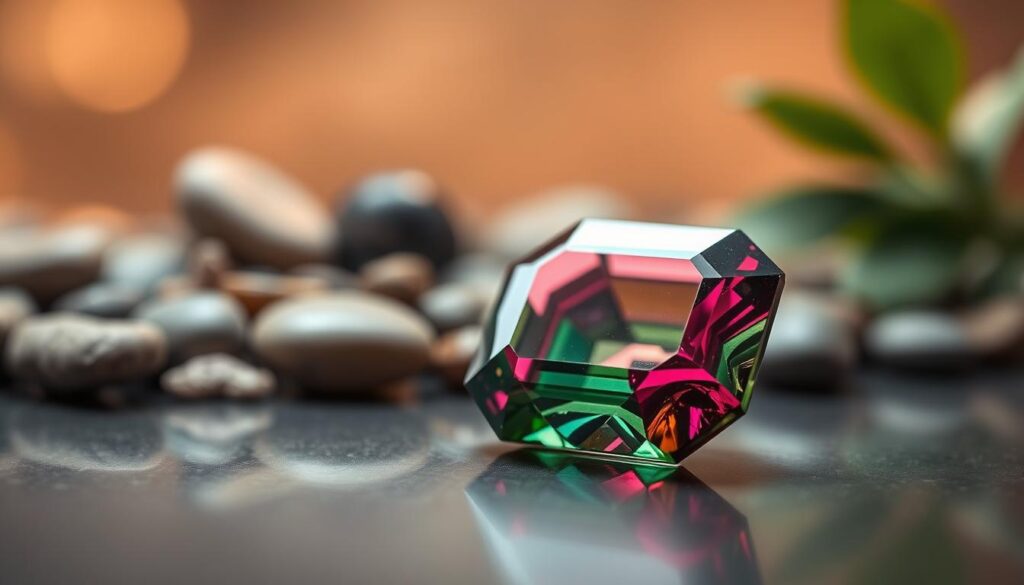
Tourmaline displays an amazing range of colors, often within a single crystal. Maine specimens are famous for their watermelon tourmalines that show pink centers surrounded by green outer zones.
The most valuable Maine tourmalines come from historic locations like Mount Mica and the Newry Mine. These sites have produced museum-quality specimens that sell for tens of thousands of dollars at auction.
Physical Properties and Color Variations
Maine tourmaline rates 7-7.5 on the Mohs hardness scale, making it durable enough for jewelry use. The color depends on trace elements present during formation – iron creates green and blue shades, while manganese produces pink and red varieties.
- Pink Tourmaline – The most common color in Maine, ranging from pale rose to deep magenta.
- Green Tourmaline – Varies from light mint green to deep forest green shades.
- Blue Tourmaline – Rare variety that commands premium prices among collectors.
- Watermelon Tourmaline – Shows both pink and green zones in the same crystal.
Beryl Varieties Found in Maine
Maine produces several beryl varieties, each with distinct characteristics and value. Aquamarine remains the most commonly found, while morganite and emerald occur less frequently.
The best beryl specimens come from the same pegmatite formations that produce tourmaline. These crystals often form in association with other minerals like feldspar and mica.
Aquamarine
Maine aquamarine typically shows pale blue to blue-green colors. The largest specimens can weigh several pounds and display excellent transparency suitable for faceting, similar to the high-quality aquamarine crystals found in Colorado’s pegmatite deposits.
Morganite
This pink beryl variety occurs in smaller quantities than aquamarine. Maine morganite often displays a peachy-pink color that collectors prize highly.
Emerald and Heliodor
True emerald finds remain rare in Maine, though occasional discoveries generate excitement among collectors. Heliodor, the yellow beryl variety, appears more frequently in pegmatite pockets.
Quartz Specimens and Other Notable Finds
Maine produces exceptional quartz specimens in multiple varieties. Smoky quartz crystals can reach enormous sizes, while amethyst occurs in smaller but high-quality specimens.
Rose quartz deposits scatter throughout the state, often forming massive chunks rather than distinct crystals. The pink color comes from microscopic mineral inclusions that create the signature rosy hue.
Amethyst Locations
Purple amethyst occurs primarily in granite pegmatites and hydrothermal veins. Maine amethyst typically shows lighter purple shades compared to specimens from other regions.
Other Valuable Minerals
Beyond the major gemstone varieties, Maine produces garnet, topaz, and occasional rare finds like spodumene and chrysoberyl. These minerals add diversity to any collection and often surprise rockhounds exploring new areas.
- Almandine Garnet – Deep red crystals found in metamorphic rocks throughout the state.
- Topaz – Usually colorless or pale blue, found in granite pegmatites.
- Kunzite – Rare pink spodumene variety discovered in select pegmatite deposits.
Best Time to Hunt
Visit Maine gem sites between May and September for optimal digging conditions. Spring runoff often exposes fresh material, while dry summer weather makes hiking safer.
Where to Find Maine Gemstones
Oxford County contains the highest concentration of productive gem sites in Maine. The famous Mount Mica area has yielded spectacular specimens for over two centuries.
Many locations offer fee digging opportunities where you pay a daily rate and keep everything you find. These operations provide tools and guidance for beginning rockhounds, much like the famous diamond hunting experiences available at Arkansas’s Crater of Diamonds State Park.
Public Dig Sites
- Bennett Quarry. Open seasonally with daily fees around $25-30 per person.
- Mount Mica Mine. Historic location offering guided tours and collecting opportunities.
- Plumbago Mountain. Known for graphite but also produces occasional gemstone finds.
Private Property and Permissions
Always obtain permission before collecting on private land. Many productive areas lie on private property where landowners may grant access with proper arrangements.
State and federal lands typically prohibit mineral collecting without special permits. Check current regulations before visiting any public lands for gem hunting activities.
Identification and Collection Tips
Proper identification starts with understanding basic mineral properties. Hardness, crystal form, and color provide the first clues to identifying potential gemstones in the field.
Bring a 10x hand lens, streak plate, and hardness testing materials for field identification. Good lighting helps distinguish between similar-looking minerals, especially when searching for the diverse quartz varieties and garnets that North Carolina rockhounds also encounter.
Essential Equipment
- Rock Hammer – Choose a geologist’s pick with a pointed tip for precision work.
- Safety Gear – Eye protection and gloves prevent injuries from sharp rock fragments.
- Collection Bags – Separate compartments keep specimens organized and prevent damage.
- Field Guide – Reference book specific to Maine minerals helps with identification.
Cleaning and Preserving Your Finds
Clean specimens carefully using soft brushes and water to remove dirt and debris. Avoid harsh chemicals that might damage delicate crystal faces or alter natural colors.
Store gems individually wrapped in soft cloth or tissue paper. Proper storage prevents scratching and maintains specimen quality for years to come.
Frequently Asked Questions
What is the most valuable gemstone found in Maine?
High-quality tourmaline specimens, especially large watermelon varieties, command the highest prices among Maine gemstones.
Can beginners find valuable gems in Maine?
Yes, many public dig sites produce gems that beginners can find and keep with basic equipment and patience.
What time of year is best for gem hunting in Maine?
May through October offers the best weather conditions, with spring being ideal as winter frost often exposes new material.
Do I need special permits to collect gems in Maine?
Public dig sites and fee mines handle permissions, but always check regulations before collecting on any public or private land.
How do I identify raw tourmaline in the field?
Look for triangular crystal cross-sections, vitreous luster, and the characteristic hardness of 7-7.5 on the Mohs scale.
Final Thoughts
Maine Gemstones represent some of America’s finest mineral specimens, offering both beauty and geological significance. The state’s pegmatite deposits continue producing world-class tourmaline, beryl, and quartz for collectors and gem enthusiasts.
Whether you’re a serious collector or weekend rockhound, Maine’s gemstone sites offer opportunities to discover genuine treasures. Start with a visit to one of the public dig sites and experience the thrill of finding your own Maine gemstones, joining the ranks of successful rockhounds who have explored New Hampshire’s granite quarries and other New England gem hunting destinations.