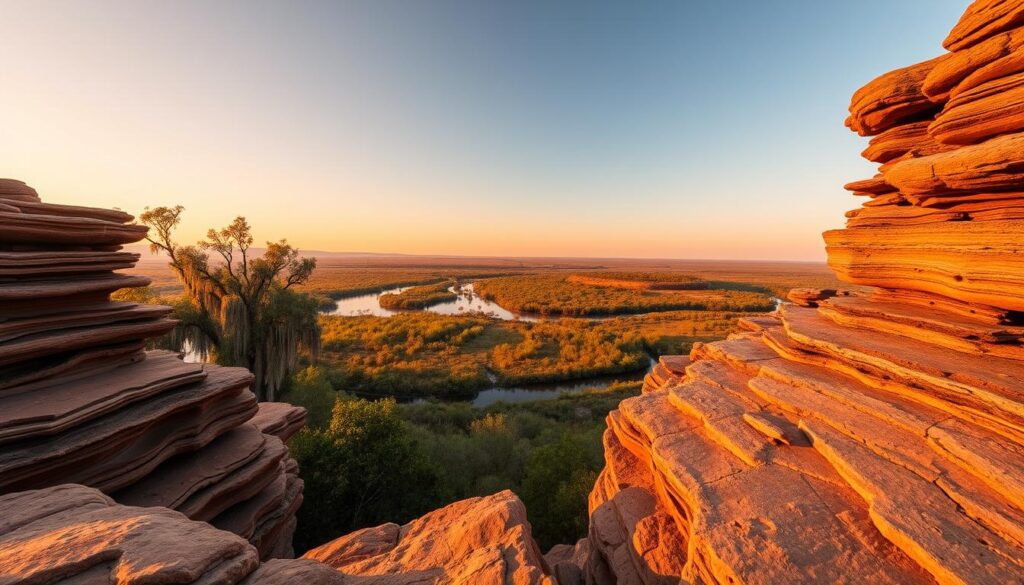
Louisiana Gemstones offer rockhounds a unique collecting experience in a state known for its distinctive geological formations. The combination of sedimentary deposits and ancient waterways has created perfect conditions for finding petrified wood, agate, and Louisiana opal throughout the region.
From the Catahoula Formation in central areas to riverbank deposits across the state, Louisiana provides accessible locations for both beginner and experienced collectors. The state’s geological history spans millions of years, creating diverse mineral specimens that tell the story of ancient seas and prehistoric forests.
TL;DR
- Louisiana produces over 15 different types of gemstones including petrified palm wood, the official state fossil.
- The Catahoula Formation contains some of the finest opalized wood specimens in North America.
- Public collecting areas like Kisatchie National Forest allow rockhounding with a simple day-use permit.
- Peak collecting season runs from October through March when water levels are lower and access is easier.
Louisiana Gemstones Worth Collecting
The state’s sedimentary geology creates ideal conditions for several types of collectible minerals. Petrified wood ranks as the most abundant find, with specimens ranging from common pieces to museum-quality opalized examples.
Louisiana opal stands out as the state’s signature gemstone, formed when silica-rich groundwater replaced organic material in ancient wood. These specimens display brilliant play-of-color that rivals Australian opals in quality and beauty.
Quartz Crystal Varieties
Clear quartz crystals form in cavities within sedimentary rocks throughout northern Louisiana. Smoky quartz appears less frequently but creates striking specimens with deep brown coloration from natural radiation exposure, similar to varieties found in Arkansas where collectors also hunt for exceptional quartz crystals.
- Clear Quartz – Found in gravel beds and creek bottoms, often as water-worn pebbles
- Smoky Quartz – Occurs in rocky outcrops with distinctive gray to brown coloring
- Amethyst – Rare purple varieties appear in certain formations near the Texas border
Agate and Jasper Deposits
Banded agate forms beautiful specimens with layers of different colored chalcedony. Jasper varieties include red, yellow, and brown colors that polish to a high luster for jewelry making, much like the diverse agate specimens found in Texas where rockhounds discover exceptional blue topaz and agate varieties.
Top Rockhounding Locations
Northern Louisiana offers the most productive collecting areas, particularly along major river systems. The Red River valley contains extensive gravel deposits where water action concentrates gemstone materials.
Central Louisiana features the famous Catahoula Formation, where collectors find the state’s finest petrified wood specimens. This geological unit extends across several parishes and remains actively productive for serious rockhounds.
Kisatchie National Forest
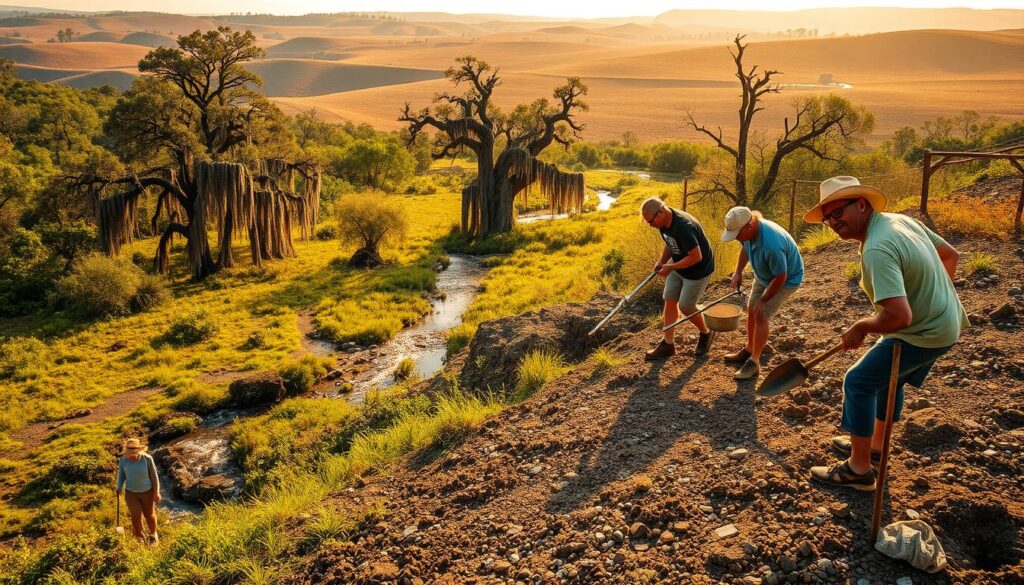
This public forest allows gemstone collecting under day-use regulations. Popular spots include creek beds and exposed rock formations where erosion reveals buried treasures.
Red River Deposits
Gravel bars and sandbars along the Red River system contain transported gemstones from upstream sources. Spring flooding often exposes new collecting opportunities as water levels recede.
- Scout locations during low water periods. Late summer and fall provide the best access to riverbank deposits.
- Focus on gravel concentrations. Look for areas where current slows and heavy materials settle naturally.
- Check permission for private land. Many productive sites require landowner consent before collecting.
Best Collecting Strategy
Visit locations after heavy rains when erosion exposes fresh material. Creek beds and road cuts often reveal new specimens after storms wash away loose soil.
Gemstone Identification Basics
Learning to identify Louisiana gemstones requires understanding basic physical properties. Hardness testing using common materials helps distinguish between similar-looking specimens, particularly when dealing with quartz varieties that Michigan collectors also encounter in their Lake Superior region hunts.
Petrified wood shows distinctive grain patterns and often retains original bark textures. True opalized specimens display internal fire when viewed under good lighting conditions.
Field Testing Methods
Simple streak tests reveal mineral identity by showing the color of powdered material. Most Louisiana gemstones produce white or colorless streaks when scratched across unglazed ceramic.
- Hardness Test – Use steel knife blade (5.5) to test against quartz (7) and softer minerals
- Specific Gravity – Heavy minerals like jasper feel denser than common rocks
- Crystal Structure – Look for natural faces and geometric shapes in unbroken specimens
Essential Equipment and Tools
Basic rockhounding gear includes a geology pick, safety glasses, and collection bags for specimens. Heavy-duty gloves protect hands when working around sharp rocks and thorny vegetation.
A magnifying glass or jeweler’s loupe helps examine internal structures and identify subtle features. UV lights can reveal fluorescent properties in certain Louisiana minerals, similar to techniques used by New Jersey rockhounds when hunting for fluorescent minerals in Franklin.
Seasonal Collecting Considerations
Summer heat and humidity make collecting challenging, while winter provides comfortable temperatures for extended field work. Spring flooding can limit access to prime riverbank locations.
- October-March – Ideal weather conditions with lower humidity
- April-September – Hot and humid with frequent thunderstorms
- Hurricane Season – June through November brings potential access disruptions
Legal Guidelines and Ethics
Louisiana state parks prohibit mineral collecting, but national forests allow day-use collection for personal purposes. Private land requires explicit permission from property owners before any collecting activity.
Commercial collecting operations need special permits and insurance coverage. Hobbyist collectors should limit quantities to reasonable amounts for personal collections and educational purposes, following ethical practices that Florida gemstone hunters also observe when searching for calcite and agatized coral.
Protected Areas to Avoid
State wildlife management areas, archaeological sites, and designated natural areas restrict or prohibit collecting activities. Check current regulations before visiting any public lands.
- State Parks – No collecting allowed without special research permits
- Wildlife Refuges – Generally closed to mineral collecting activities
- Archaeological Sites – Protected by federal and state laws
Frequently Asked Questions
What is the best time of year to search for Louisiana gemstones?
October through March offers the most comfortable collecting conditions with cooler temperatures and lower humidity. Water levels are typically lower, providing better access to riverbank deposits.
Where can I legally collect gemstones in Louisiana?
Kisatchie National Forest allows day-use collecting, and many private landowners permit collecting with permission. Avoid state parks and wildlife refuges where collecting is prohibited.
How do I identify Louisiana opal from regular petrified wood?
True Louisiana opal displays internal color flashes when rotated under bright light. Regular petrified wood shows consistent coloring without the characteristic play-of-color effect.
What tools do I need to start rockhounding in Louisiana?
Essential gear includes a geology pick, safety glasses, heavy gloves, and specimen bags. A magnifying glass helps with field identification of small crystals and internal structures.
Can I sell gemstones I find in Louisiana?
Personal finds from legal collecting areas can typically be sold, but commercial operations require permits. Always verify collecting rights and any restrictions before removing specimens.
Final Thoughts
Louisiana Gemstones provide endless opportunities for collectors willing to explore the state’s diverse geological landscapes. From riverbank agates to forest floor crystals, each location offers unique specimens that reflect millions of years of natural processes.
Start with easily accessible public areas like Kisatchie National Forest, then expand your search as you gain experience identifying productive formations and understanding local regulations.