Connecticut gemstone hunting offers amazing opportunities for rock collectors of all skill levels. The state’s rich geological history has created perfect conditions for finding beautiful minerals and gems throughout its diverse landscapes.
This small New England state packs a surprising variety of gemstones into its borders. From the famous garnet deposits in Roxbury to quartz varieties scattered across the region, Connecticut provides year-round collecting opportunities for dedicated rockhounds seeking similar treasures found in neighboring Vermont.
TL;DR
- Connecticut is home to over 15 different gemstone varieties including garnet, quartz, tourmaline, and beryl.
- The Roxbury Garnet Mine produces some of the finest almandine garnets in North America.
- Spring and fall offer the best collecting conditions with temperatures between 50-70°F and minimal foliage.
- You need a rock hammer, hand lens, safety glasses, and collection bags as basic gemstone hunting gear.
Connecticut Gemstone Hunting Locations
The state’s geology creates distinct regions where specific gemstones form naturally. Western Connecticut features metamorphic rocks perfect for garnet formation, while eastern areas contain pegmatite formations rich in tourmaline and beryl.
Most public collecting happens in designated state parks and fee-dig sites. These locations provide safe access to productive gemstone areas while protecting private property rights.
Roxbury Garnet Mine
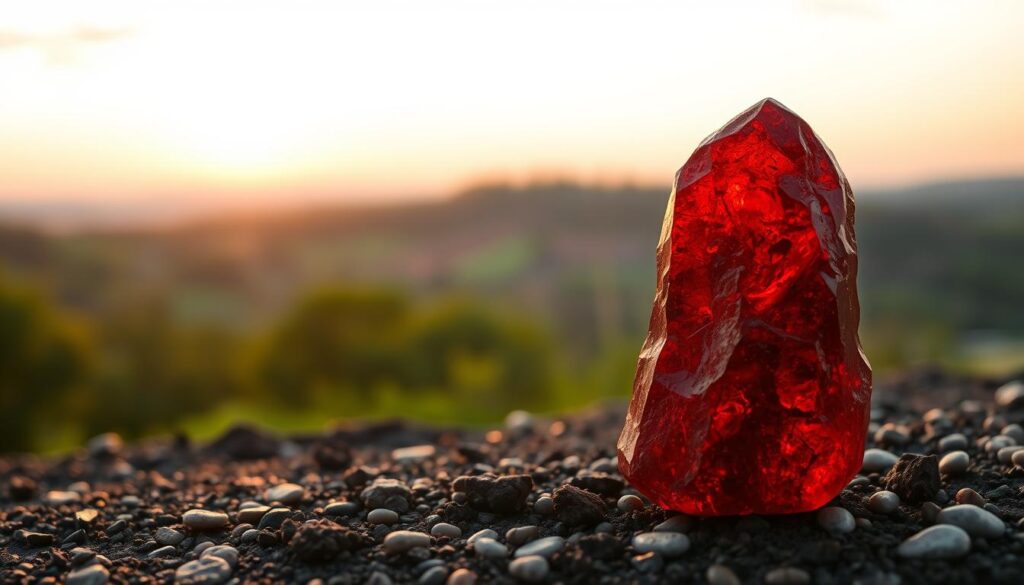
This historic site remains Connecticut’s premier garnet location. The mine has produced deep red almandine garnets for over 150 years, making it a must-visit destination for serious collectors.
Visitors can collect garnets ranging from thumbnail-sized specimens to palm-sized crystals. The best finds occur in the weathered schist formations along the main collecting area.
State Parks and Public Areas
Several Connecticut state parks allow limited gemstone collecting with proper permits. Rocky Glen State Park and Eisenhower Park both offer good garnet hunting opportunities in their designated collecting zones.
Always check current regulations before collecting, as rules change seasonally. Park rangers can provide updated information about which areas remain open for rockhounding activities.
Common Gemstones You’ll Find
Connecticut’s mineral diversity means collectors can find multiple gemstone types during a single trip. Understanding what to look for helps maximize your collecting success.
Quartz Varieties
Quartz appears in multiple forms throughout Connecticut’s rock formations. Smoky quartz occurs most frequently, followed by clear quartz and occasional amethyst specimens that rival those found in Maine’s famous beryl and quartz deposits.
- Smoky Quartz – Gray to black crystals found in pegmatites and granite outcrops.
- Clear Quartz – Transparent crystals with excellent clarity, often found in veins.
- Rose Quartz – Pink varieties occur less frequently but produce stunning specimens.
- Amethyst – Purple quartz found in small pockets throughout the state.
Garnet Deposits
Almandine garnet serves as Connecticut’s official state mineral for good reason. These deep red crystals form in metamorphic rocks and weather out naturally over time.
The best garnet specimens show clear crystal faces with minimal fracturing. Size ranges from rice grain specimens to golf ball-sized crystals in exceptional cases.
Tourmaline and Beryl
These silicate minerals occur in pegmatite formations scattered across the state. Portland area deposits have produced some of the finest beryl specimens found in New England, comparable to the exceptional tourmaline and beryl finds in New Hampshire’s granite state.
Black tourmaline appears most commonly, though collectors occasionally find green and pink varieties. Beryl specimens range from pale green to deeper emerald-like colors.
Best Collecting Strategy
Focus on recently weathered areas after heavy rains. Water exposure helps loosen crystals from host rock and washes away soil covering fresh specimens.
Essential Hunting Equipment
Successful gemstone hunting requires the right tools for safe and effective collecting. Basic equipment helps you identify, extract, and preserve your finds properly.
Must-Have Tools
- Rock hammer. Choose a 16-20 ounce hammer with a flat striking surface and pointed pick end.
- Safety glasses. Protect your eyes from rock chips during extraction work.
- Hand lens. A 10x magnification lens helps identify small crystals and mineral characteristics.
- Collection containers. Bring sturdy boxes or bags to transport fragile specimens safely.
- Field notebook. Record locations and specimen details for future reference.
Optional but Helpful Gear
Advanced collectors often carry additional equipment for more thorough prospecting. A small shovel helps dig around promising areas, while a spray bottle cleans specimens for better identification.
GPS devices or smartphone apps help mark productive locations for return visits. Many successful collectors build detailed maps of their best collecting spots over time.
Seasonal Collecting Tips
Weather conditions significantly impact collecting success in Connecticut. Each season offers different advantages for gemstone hunting activities.
Spring Collecting
March through May provides excellent conditions as winter frost breaks up rock formations. Snowmelt exposes new areas while keeping temperatures comfortable for extended outdoor time.
Early spring often reveals specimens that winter weather has loosened from their host rocks. Focus on south-facing slopes that receive maximum sun exposure during this period.
Fall Advantages
September through November offers the best visibility as leaves fall and expose rock formations. Cooler temperatures make hiking more comfortable during longer collecting trips.
Fall weather patterns often include helpful rain events that clean specimens and highlight crystal faces. Many experienced collectors consider October their most productive month.
Safety and Legal Guidelines
Responsible collecting ensures these locations remain available for future generations. Following proper protocols protects both collectors and the environment.
Permission Requirements
Always obtain permission before collecting on private property. Many productive sites sit on private land where owners may allow collecting with advance approval.
State park collecting requires current permits in most cases. Contact Connecticut state park offices well before your planned visit to understand specific requirements and restrictions.
Safety Precautions
Wear appropriate clothing including long pants and closed-toe shoes for protection against rough terrain. Inform someone of your collecting plans and expected return time.
Carry a first aid kit and plenty of water during summer months. Cell phone coverage can be spotty in remote collecting areas, so prepare accordingly.
Frequently Asked Questions
What are the most common gemstones found in Connecticut?
Quartz varieties, garnet, tourmaline, and beryl represent the most frequently found gemstones. Smoky quartz and almandine garnet occur most commonly throughout the state.
When is the best time for Connecticut gemstone hunting?
Spring and fall offer ideal conditions with comfortable temperatures and good visibility. October provides the best combination of weather and rock exposure for successful collecting.
Do I need permits to collect gemstones in Connecticut?
State parks typically require collecting permits, while private property needs owner permission. Always check current regulations before visiting any collecting location.
Where can I find garnet in Connecticut?
The Roxbury Garnet Mine offers the best garnet collecting, though specimens occur throughout western Connecticut’s metamorphic regions. State parks like Rocky Glen also produce garnet specimens.
What tools do I need for gemstone hunting?
Essential equipment includes a rock hammer, safety glasses, hand lens, and collection containers. A field notebook helps record important location and specimen information.
Final Thoughts
Connecticut Gemstone Hunting provides rewarding experiences for collectors willing to explore the state’s diverse geological formations. From world-class garnet deposits to hidden quartz pockets, opportunities abound for dedicated rockhounds.
Start with well-known locations like Roxbury Garnet Mine and expand your knowledge through hands-on experience. The combination of accessible locations and varied gemstone types makes Connecticut an ideal place to develop your collecting skills, whether you’re exploring local deposits or planning trips to Massachusetts gemstone locations for additional collecting opportunities.