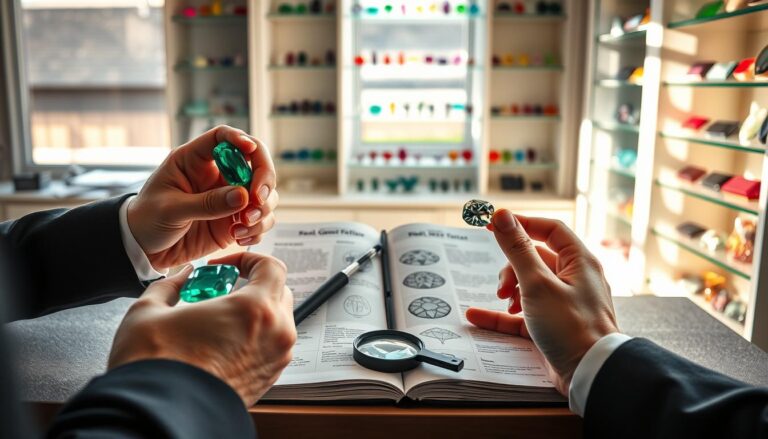
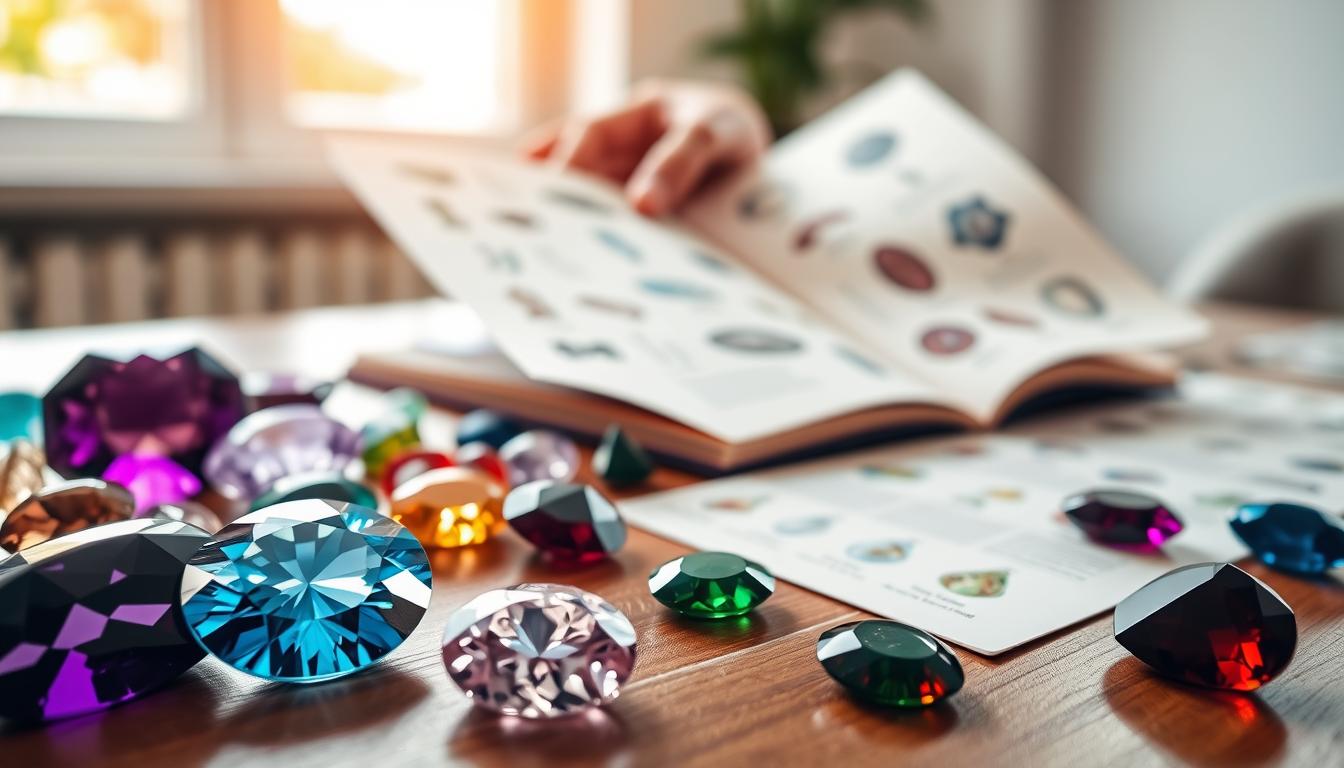
Starting a gemstone collection opens up a world of natural beauty and fascinating geology. Whether you’re drawn to the deep purple of amethyst or the fiery red of garnet, building your first collection can feel overwhelming with so many options available.
A good gemstone guide helps new collectors understand the basics of stone selection, quality factors, and care requirements. The key is starting with affordable, durable stones that offer both beauty and educational value as you learn about this rewarding hobby.
TL;DR
- Start with quartz varieties like amethyst ($5-50 per stone) – they’re affordable, durable, and come in many colors.
- Focus on stones rated 6.5-7+ on the Mohs hardness scale to avoid chips and scratches during handling.
- Budget $100-300 for your first 5-10 specimens to get a good variety without overspending.
- Buy only from reputable dealers who provide certificates or guarantees to avoid synthetic or treated stones.
Gemstone Collection Basics for Beginners
Building your first gemstone collection requires understanding what makes a stone worth adding to your collection. Focus on three main factors when evaluating potential purchases.
Affordability matters most when you’re starting out. Set a realistic budget and stick to it – you can always upgrade individual stones later as your knowledge and resources grow.
Understanding Hardness and Durability
The Mohs hardness scale rates minerals from 1 (softest) to 10 (hardest). Beginners should focus on stones rated 6.5 or higher for better durability during handling and storage.
Harder stones resist scratches and chips better than softer ones. This makes them more forgiving as you learn proper handling and care techniques.
- Quartz family (7) – Excellent durability for beginners
- Garnet (6.5-7.5) – Good hardness with affordable prices
- Topaz (8) – Very durable but requires careful handling due to perfect cleavage
- Tourmaline (7-7.5) – Durable with amazing color variety
Identifying Quality and Authenticity
Learn to spot common treatments and synthetic stones that can affect value. Natural stones often have small inclusions or imperfections that synthetic versions lack.
Always ask sellers about any treatments like heat, irradiation, or oiling. Many treatments are standard industry practice, but you should know what you’re buying.
Best Starter Gemstones by Category
Different gemstone families offer unique advantages for new collectors. Start with one or two categories that appeal to you most, then expand your collection gradually.
Quartz Varieties – The Perfect Starting Point
Quartz offers the best combination of beauty, affordability, and availability for beginners. This large family includes both transparent and opaque varieties in nearly every color.
Amethyst ranges from pale lavender to deep purple and costs $5-50 per specimen depending on size and quality. Look for stones with even color distribution and good clarity.
Citrine provides warm yellow to orange colors at budget-friendly prices. Natural citrine is rarer than heat-treated amethyst, but both make attractive collection pieces.
Rose Quartz offers soft pink hues and often displays a subtle star effect when cut properly. It’s widely available and very affordable for beginners.
Clear Quartz might seem plain, but high-quality specimens with excellent clarity and crystal faces make impressive display pieces.
Colorful Options for Visual Impact
Adding colorful stones creates visual interest and helps you learn about different mineral families. These options balance beauty with reasonable prices.
Garnet comes in more colors than most people realize. While red varieties are most common, green demantoid and orange spessartine offer unique alternatives.
Peridot provides that distinctive olive-green color found in few other stones. August birthstone specimens are widely available and moderately priced.
Topaz naturally occurs in many colors, though blue varieties are often irradiated. Imperial topaz in golden colors commands higher prices but offers exceptional brilliance.
Smart Shopping Strategy
Buy your first stones from gem and mineral shows where you can compare multiple dealers and examine stones in person. Prices are often better than retail shops, and you can ask questions directly.
Budget-Friendly Alternatives to Expensive Stones
You don’t need precious gemstones to build an impressive collection. Many semi-precious stones offer similar beauty at a fraction of the cost.
Sapphire Look-Alikes
Blue topaz and blue zircon provide sapphire’s rich blue color without the premium price. High-quality specimens can be surprisingly convincing alternatives.
Iolite offers a unique blue-violet color with pleochroism – it shows different colors from different angles. This optical property makes it more interesting than many expensive stones.
Ruby Substitutes
Red garnet varieties like pyrope and almandine deliver deep red colors similar to ruby. While they lack ruby’s extreme hardness, they’re much more affordable.
Red spinel was historically confused with ruby and offers excellent hardness (8) and brilliance. Fine specimens rival ruby’s beauty at lower prices.
Emerald Alternatives
Green tourmaline and chrome diopside provide emerald’s rich green without the high prices and fragility. Both are durable enough for regular handling.
Tsavorite garnet offers emerald-like green in a harder, more durable package, though fine specimens can be expensive.
Proper Care and Storage Methods
Protecting your investment requires proper storage and handling techniques. Even durable stones can be damaged by improper care or storage with harder minerals.
Cleaning Techniques by Stone Type
Most quartz varieties handle warm soapy water well, but avoid ultrasonic cleaners with included stones. Use soft brushes to remove dirt from crystal faces and crevices.
Softer stones like fluorite or calcite need gentler cleaning with damp cloths. Never use acids or harsh chemicals on any gemstones.
- Rinse first. Remove loose dirt and debris with clean water before scrubbing.
- Use mild soap. Dish soap works well – avoid anything with harsh chemicals or abrasives.
- Dry completely. Air dry or use soft cloths to prevent water spots and mineral deposits.
- Store properly. Keep clean stones in individual containers to prevent damage.
Storage Solutions
Individual storage prevents harder stones from scratching softer ones. Small boxes, bags, or divided trays work well for most collections. For detailed information on proper storage methods, check out our complete guide to storing and protecting gemstones.
Label each specimen with location, date acquired, and any relevant information. This documentation becomes valuable as your collection grows.
Building Knowledge and Expertise
Growing your gemstone knowledge enhances collecting enjoyment and helps you make better purchasing decisions. Several resources can accelerate your learning curve.
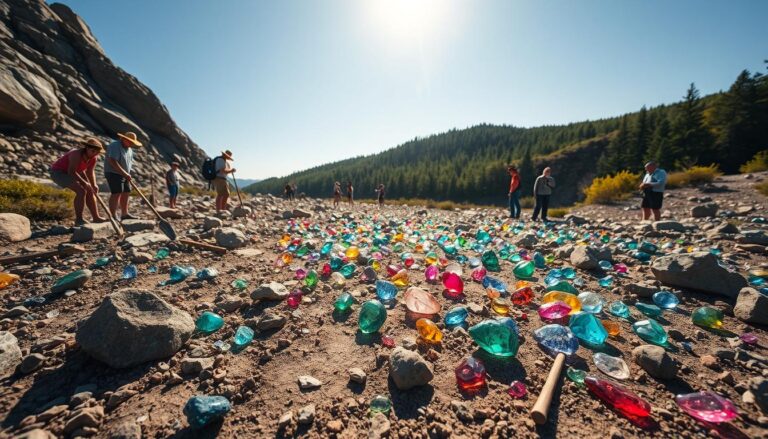
Join local gem and mineral clubs to meet experienced collectors and learn from their expertise. Many clubs offer educational programs and field trips to collecting localities where you can discover great sources for finding gemstones.
Invest in a good field guide and basic testing equipment like a hardness test kit and UV light. These tools help you identify and verify specimens independently.
Frequently Asked Questions
How much should I budget for my first gemstone collection?
Plan to spend $100-300 for your first 5-10 specimens to get good variety without breaking the bank. You can always upgrade individual stones later as your knowledge and budget grow.
What’s the most important factor when choosing gemstones as a beginner?
Durability is most important for beginners – choose stones rated 6.5 or higher on the Mohs scale. This prevents damage while you’re learning proper handling and care techniques.
Should I buy certified gemstones for my collection?
Certificates aren’t necessary for most collector specimens, but buy from reputable dealers who guarantee authenticity. Save certification costs for expensive stones you plan to set in jewelry.
How can I tell if a gemstone is natural or synthetic?
Natural stones often have small inclusions or imperfections that synthetics lack. When in doubt, ask the seller directly about treatments and buy only from dealers who provide guarantees. Learning how to identify real vs fake gemstones is essential for any collector.
What tools do I need to start collecting gemstones?
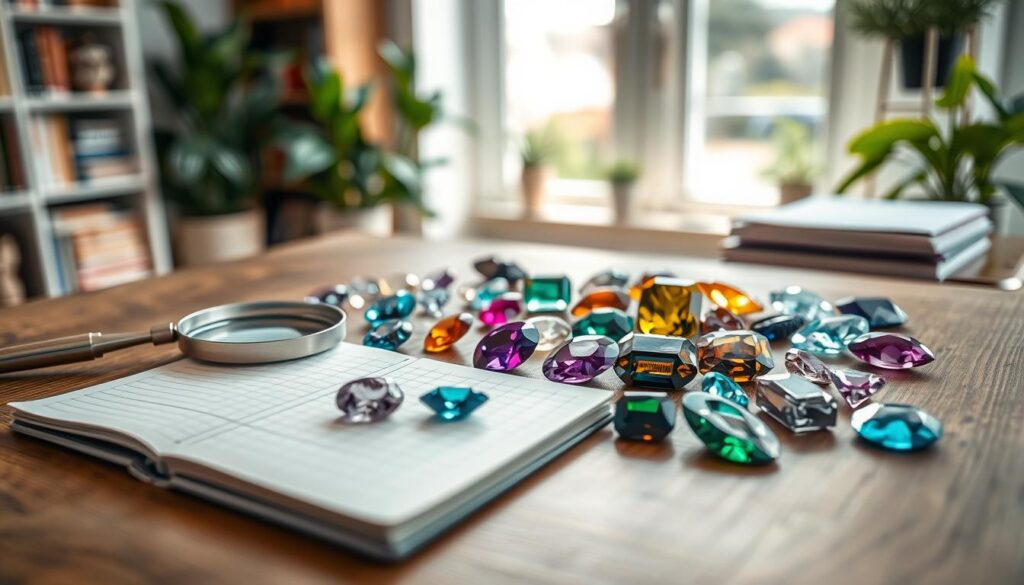
Start with a magnifying glass, hardness testing kit, and UV light for basic identification. Add a scale and storage containers as your collection grows – you don’t need expensive equipment initially.
Final Thoughts
Gemstone Collection success comes from starting small, learning continuously, and focusing on quality over quantity. Begin with affordable, durable stones that teach you about different mineral families and properties.
Take your time building knowledge before making expensive purchases – the learning process is half the fun of collecting. To avoid costly mistakes as you build your collection, learn about common beginner mistakes in gemstone collecting.