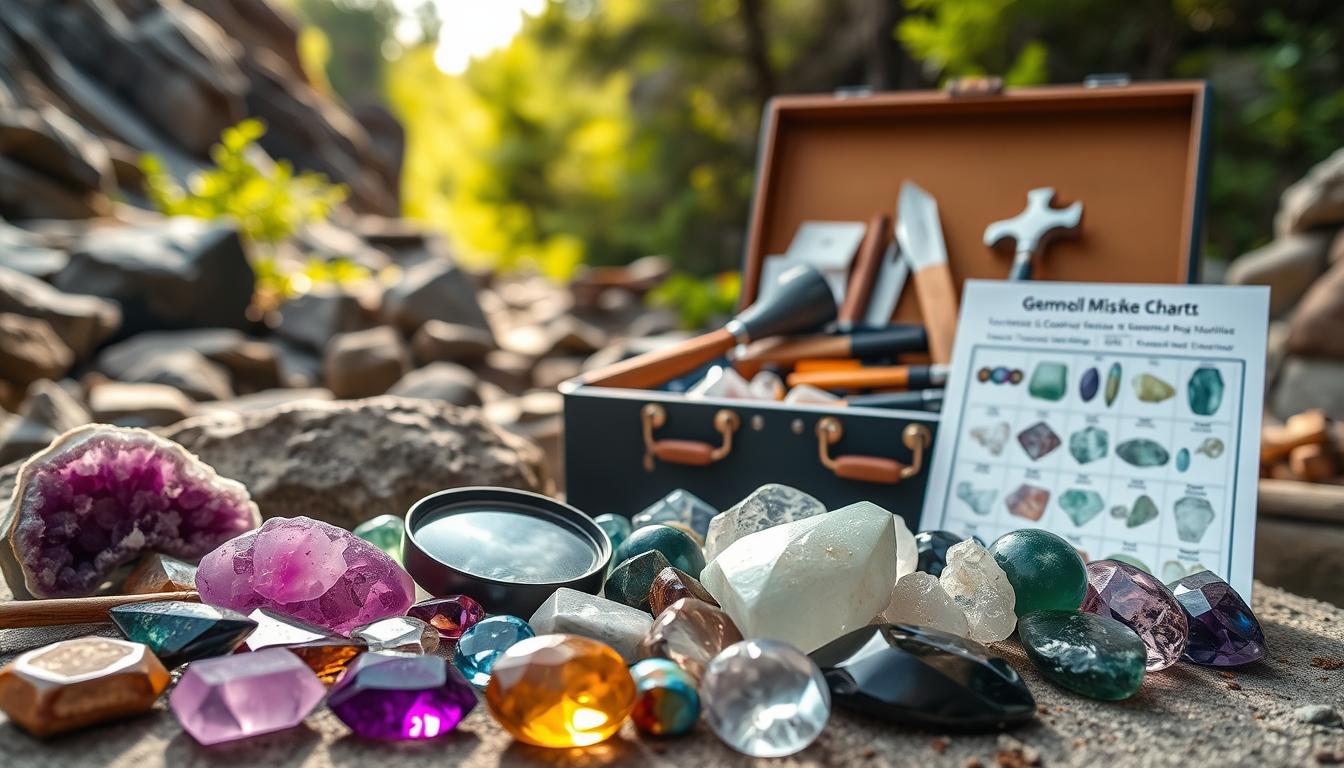
Gemstone collecting can be an exciting hobby that offers both beauty and potential value, but beginners often stumble into expensive traps. New collectors frequently overlook crucial factors like authenticity verification, proper storage techniques, and realistic market expectations that can make or break their collecting experience.
Understanding the common pitfalls before you start buying can save you hundreds or even thousands of dollars. Learning to spot fake stones, avoid overpaying for common specimens, and properly care for your collection will help you build a valuable and enjoyable gemstone portfolio.
TL;DR
- Get gemstone certificates from GIA or IGI – they cost $50-200 but protect you from buying fake stones worth nothing.
- Start with semi-precious stones under $100 each rather than expensive rubies or emeralds while you learn.
- Store each stone separately in soft pouches to prevent scratches that can cut value by 30-50%.
- Research market prices on multiple sites before buying – common stones are often marked up 200-300% for beginners.
Gemstone Collecting Mistakes That Cost You Money
The biggest mistake new collectors make is buying stones without proper research. This leads to purchasing treated stones sold as natural ones, overpaying for common specimens, or falling for completely fake gemstones.
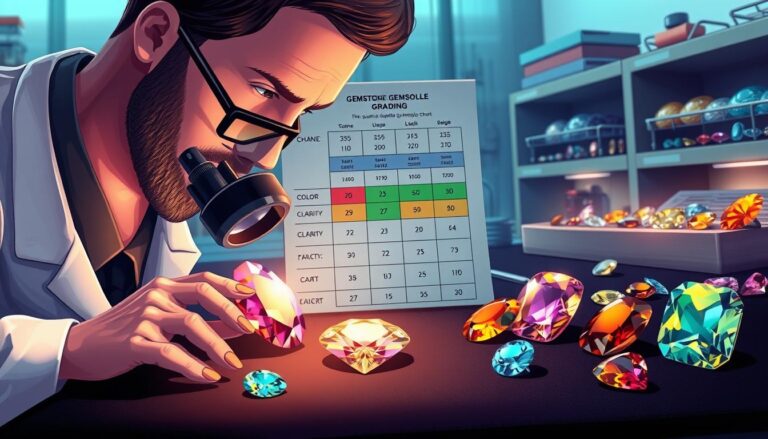
Smart collectors spend time learning about the four Cs – color, clarity, cut, and carat weight before making any purchases. These factors determine both quality and market value, helping you spot good deals and avoid overpriced stones.
Buying Without Certificates
Many beginners skip getting proper documentation to save money upfront. Certificates from respected labs like GIA or IGI cost extra but prove your stone’s authenticity and quality grade.
Without certificates, you cannot verify treatments, origin, or even if the stone is real. This makes selling or insuring your collection nearly impossible later.
Authentication Problems That Trip Up Beginners
Telling natural stones from synthetic or simulated ones requires knowledge and tools most beginners lack. Synthetic stones have the same chemical composition as natural ones but cost much less.
Simulants look like gemstones but are completely different materials – like colored glass sold as emeralds. Learning these differences prevents costly mistakes.
Missing Treatments and Enhancements
Most gemstones undergo treatments like heat or irradiation to improve their appearance. These treatments are legal and common, but they significantly affect value.
A heat-treated ruby might cost $500 per carat while an untreated one costs $5000 per carat. Always ask about treatments and get this information in writing.
Essential Testing Tools
Every collector needs basic testing equipment to verify purchases. A 10x jeweler’s loupe helps spot inclusions and surface treatments that indicate natural vs synthetic stones.
- Jeweler’s Loupe – $20-50 for examining internal features and surface details.
- Digital Scale – $30-80 for accurate carat weight measurements.
- UV Light – $15-40 to check fluorescence patterns that vary between natural and synthetic stones.
- Refractometer – $200-500 for measuring light refraction to identify stone types.
Storage and Care Mistakes
Poor storage destroys gemstone collections faster than any other factor. Stones stored together scratch each other, while exposure to heat and sunlight can fade colors or cause cracking.
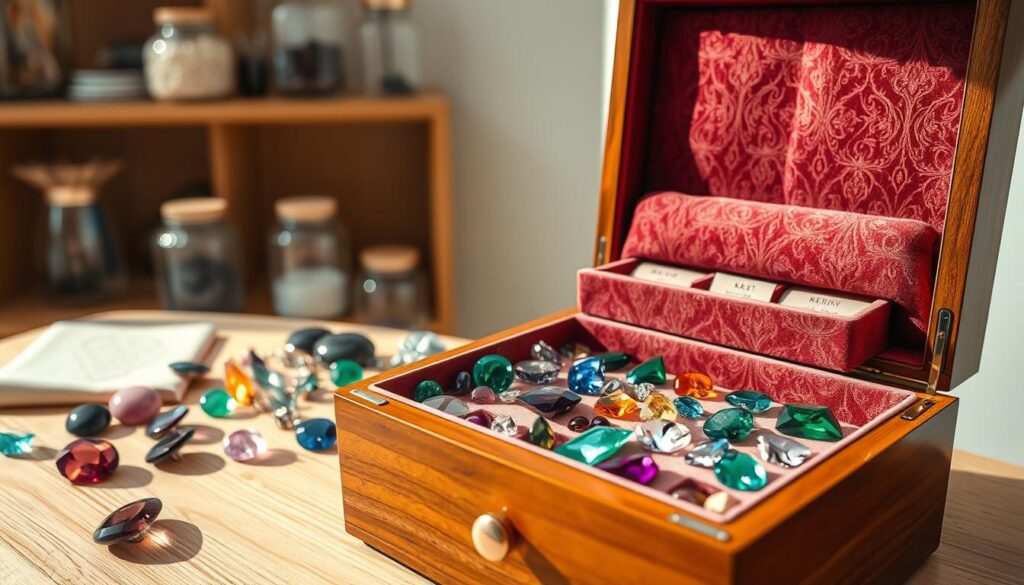
Each stone needs individual storage in soft fabric pouches or padded compartments. Hard stones like diamonds and sapphires can easily scratch softer stones like pearls and opals. Learn more about proper storage and protection techniques to keep your collection in perfect condition.
Wrong Cleaning Methods
Using harsh chemicals or ultrasonic cleaners damages many gemstone types. Emeralds often have oil treatments that dissolve in cleaning solutions, while pearls dissolve in acids.
Stick to mild soap and warm water for most stones. Research specific care requirements for each type in your collection to avoid permanent damage.
Smart Storage Solution
Use a tackle box with foam padding cut to size for each stone. This keeps them separated and organized while being portable for gem shows.
Financial Mistakes and Overpaying
New collectors often pay retail prices for common stones that cost wholesale dealers a fraction of the price. Research current market values on multiple platforms before making offers.
Treating gemstones purely as investments sets unrealistic expectations. While some rare stones appreciate over time, most collections are worth less than you paid due to retail markups.
Common Overpriced Stones
Certain stones get marked up heavily because beginners think they are rare. Amethyst, citrine, and most garnets are abundant and should cost under $50 per carat for good quality specimens. Consider starting with affordable gemstones that are still collectible to build your skills without breaking the bank.
- Research wholesale prices. Check multiple dealer sites to understand actual market values.
- Start with affordable stones. Build skills with lower-cost specimens before buying expensive pieces.
- Factor in certification costs. Add $50-200 per stone for proper documentation from recognized labs.
- Consider resale difficulty. Most gemstones sell for 30-50% of retail when you want to sell them.
Sourcing and Ethical Issues
Ignoring where your gemstones come from can lead to legal problems and supporting harmful mining practices. Some countries restrict gemstone exports, while conflict stones fund violence in certain regions.
Research your dealer’s reputation and ask for origin documentation. Reputable sellers provide information about mining sources and any known treatments or enhancements. Understanding where collectors find gemstones helps you identify trustworthy sources and avoid problematic dealers.
Legal Considerations
Buying gemstones internationally involves customs regulations, import duties, and potential restrictions on certain stone types. Some countries prohibit export of national gemstones or require special permits.
Understanding these laws before purchasing prevents confiscation at borders and potential legal penalties. Work with established dealers who handle international shipping properly.
Frequently Asked Questions
What certificates should I get for my gemstones?
Get certificates from GIA, IGI, or other recognized gemological labs that verify authenticity, treatments, and quality grades.
How much should I spend on my first gemstone?
Start with stones under $100 to learn without major financial risk while you develop expertise in identification and valuation.
Can I clean all gemstones the same way?
No, different stones need different care – emeralds need gentle cleaning while diamonds can handle ultrasonic cleaners safely.
How do I avoid buying fake gemstones?
Buy from reputable dealers, get proper certificates, use testing tools, and start with less expensive stones while learning.
Should I focus only on precious stones like diamonds and rubies?
No, semi-precious stones offer more variety and learning opportunities at lower prices while you develop collecting skills.
Final Thoughts
Gemstone Collecting Mistakes are avoidable when you take time to learn proper identification, storage, and buying techniques before making expensive purchases. Starting with affordable specimens while building your knowledge prevents costly errors that plague many beginning collectors.
Focus on learning one gemstone type thoroughly rather than buying many different stones randomly. This approach builds expertise while keeping costs manageable as you develop your collecting skills.