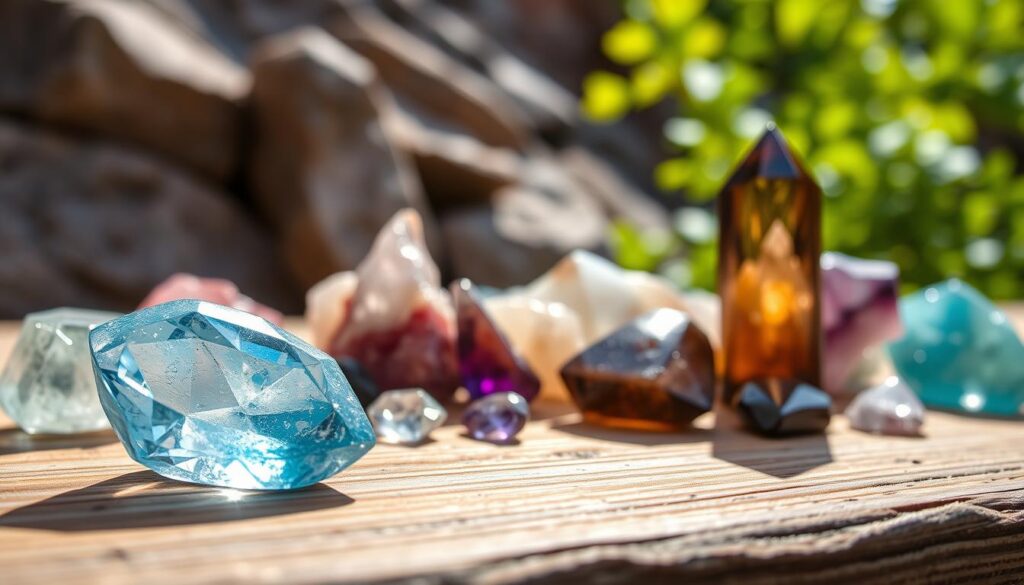
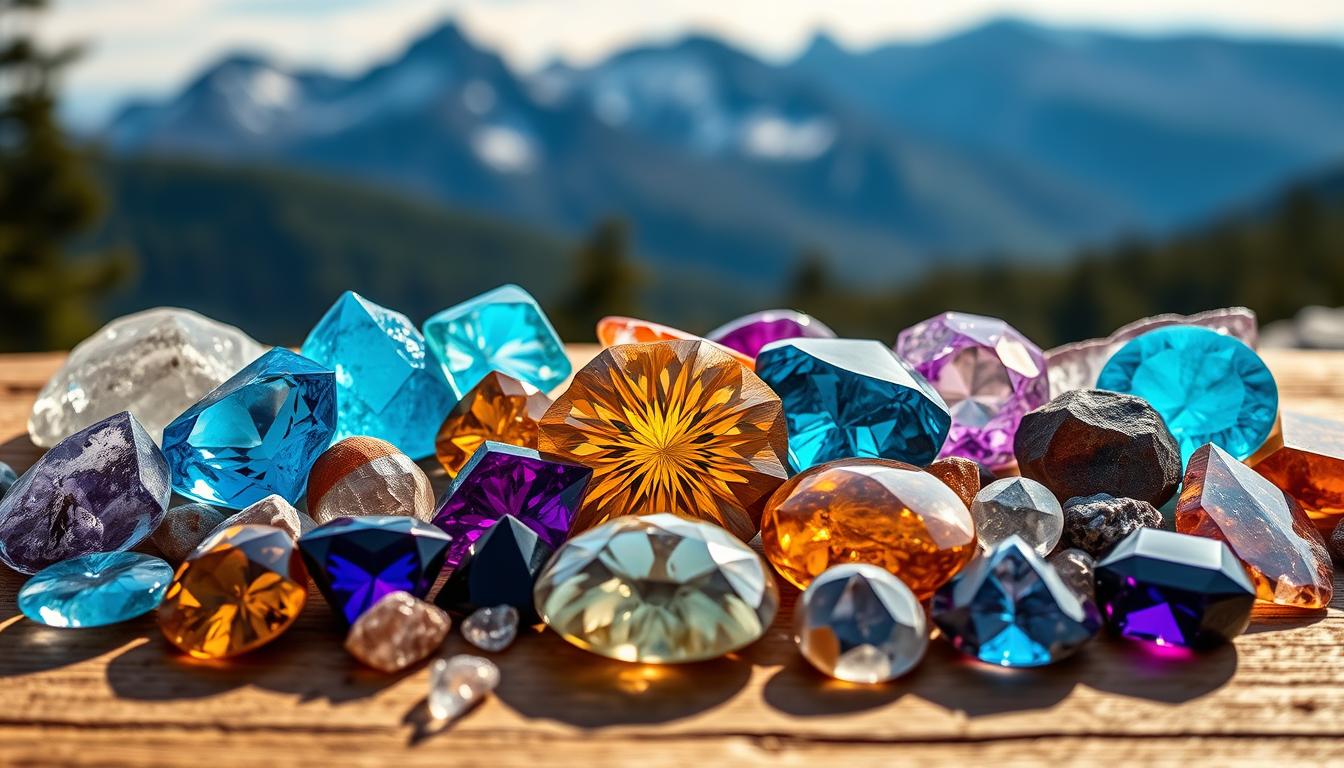
Colorado Gemstones offer an amazing variety for rock hounds and collectors across the state. With over thirty different types of gems hiding in Colorado’s mountains and valleys, you’ll find everything from the state’s official aquamarine to rare rhodochrosite specimens.
The state’s unique geology creates perfect conditions for gemstone formation. From the high peaks of Mount Antero to the western slope deposits, Colorado delivers some of the most sought-after gems in North America.
TL;DR
- Colorado contains over 30 different gemstone varieties including aquamarine, amazonite, topaz, and rhodochrosite.
- Mount Antero produces world-class aquamarine specimens at elevations above 14,000 feet.
- Spring and summer months offer the best access to high-altitude gemstone locations.
- Basic prospecting tools include rock hammers, hand lenses, and protective containers for finds.
Colorado Gemstones: A Geological Paradise
The Rocky Mountain state earned its reputation through millions of years of geological activity. Tectonic uplift and volcanic processes created mineral-rich pegmatites and hydrothermal deposits throughout the region.
These geological forces concentrated valuable minerals in accessible locations. The result is a gemstone hunter’s dream with deposits scattered from the high peaks to the western valleys.
Colorado’s Premier Gemstone Varieties
The state’s diverse mineral wealth includes both common and rare specimens. Each gemstone tells the story of Colorado’s complex geological history.
Aquamarine: The State Gemstone
Aquamarine claims the title of Colorado’s official state gemstone with good reason. The pale blue beryl crystals from Mount Antero rank among the world’s finest specimens.
These gems form in pegmatite pockets at extreme elevations. The combination of altitude and specific mineral conditions creates aquamarine with exceptional clarity and color.
Amazonite: The Green Marvel
The Pikes Peak region produces stunning amazonite specimens in distinctive blue-green colors. This feldspar mineral occurs alongside smoky quartz in granite pegmatites.
Amazonite crystals can reach impressive sizes in Colorado deposits. The contrast with associated minerals creates beautiful specimen pieces for collectors.
Rhodochrosite: Colorado’s State Mineral
The Sweet Home Mine near Alma produced the world’s finest rhodochrosite specimens. This rose-red mineral serves as Colorado’s official state mineral.
Rhodochrosite forms in silver mining areas where manganese-rich solutions create stunning crystalline formations. The deep red color and perfect crystal faces make these specimens highly valuable.
Topaz and Other Notable Gems
The Tarryall Mountains yield beautiful topaz crystals in golden and blue varieties. These hard gemstones often occur with other rare minerals in pegmatite environments, similar to the topaz deposits found in Utah.
- Smoky Quartz – Dark crystalline varieties found throughout pegmatite deposits.
- Amethyst – Purple quartz specimens from various Rocky Mountain locations.
- Turquoise – Blue-green copper minerals from southwestern Colorado.
- Garnet – Deep red crystals in metamorphic rock formations.
- Fluorite – Colorful cubic crystals found with metal ore deposits.
Best Hunting Strategy
Focus your search on known pegmatite areas and old mining districts. These locations concentrate multiple gemstone varieties in smaller areas.
Prime Gemstone Hunting Locations
Colorado’s gemstone deposits cluster in specific geological zones. Understanding these areas helps target your hunting efforts for maximum success.
Mount Antero Area
Mount Antero stands as Colorado’s premier aquamarine location at 14,269 feet elevation. The high-altitude pegmatites produce museum-quality specimens.
Access requires a challenging hike or 4WD vehicle during summer months. The effort pays off with potential finds of world-class aquamarine crystals.
Pikes Peak Region
The Pikes Peak area offers multiple gemstone varieties in accessible locations. Amazonite, smoky quartz, and topaz occur throughout the granite pegmatites.
Crystal Park and surrounding areas provide good collecting opportunities. The diverse mineral assemblages create excellent specimen hunting grounds.
Lake George and Crystal Peak
These areas produce topaz, aquamarine, and phenakite in pegmatite deposits. The region offers easier access than high mountain locations.
Multiple fee-dig operations and public areas provide collecting opportunities. The variety of minerals makes this region popular with collectors.
Western Slope Deposits
Western Colorado contains turquoise, peridot, and garnet in different geological settings. These deposits formed through different processes than the pegmatite gems, contrasting with the southwestern turquoise traditions found in Arizona’s gemstone deposits.
The lower elevations allow longer collecting seasons. Multiple gemstone types occur across varied terrain and rock formations.
Gemstone Hunting Techniques
Successful gemstone hunting requires understanding both the geology and proper techniques. Different approaches work better for specific gem types and locations.
Surface Collection Methods
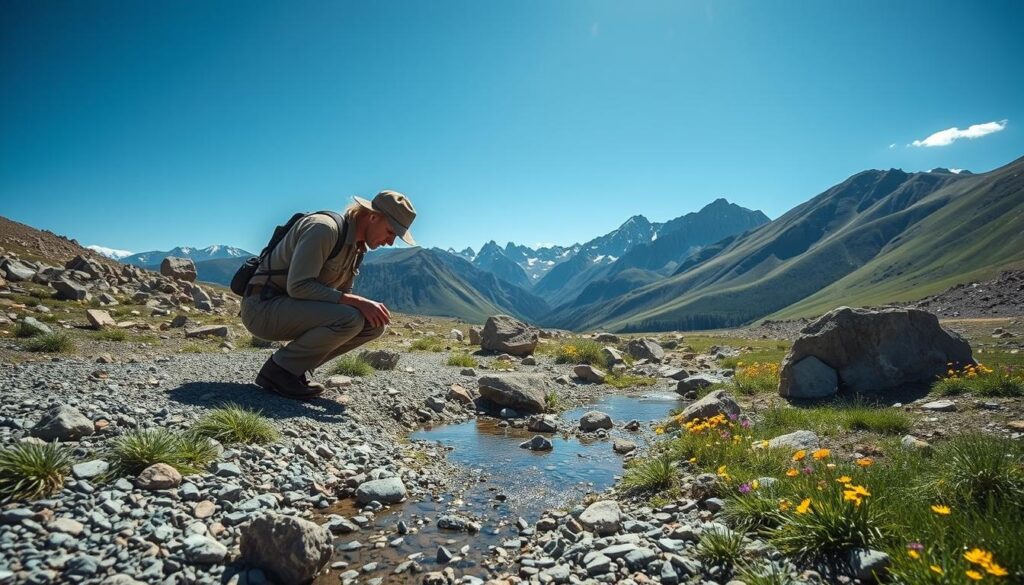
Look for loose crystals in stream beds and weathered pegmatite areas. Erosion often frees gemstones from host rock and concentrates them in accessible locations.
Focus on areas below known deposits where gravity carries loose material. Check carefully around exposed pegmatite outcrops for weathered-out specimens.
Excavation Techniques
Digging into pegmatite pockets requires careful technique to avoid damaging crystals. Use small hand tools near crystal-bearing areas.
- Locate the pegmatite. Look for coarse-grained granite with large crystals and different colored minerals.
- Follow the vein. Pegmatites often extend in predictable directions through the host rock.
- Dig carefully. Use small tools near potential crystal pockets to avoid damage.
- Screen material. Sift through broken rock to find small gemstone fragments.
Field Identification
Learn to recognize genuine gemstones in rough form. Many gems look different in natural settings than in polished jewelry.
Carry a field guide and magnifying glass for proper identification. Take notes and photos to help with later confirmation of finds.
Essential Equipment and Safety
Proper tools and safety equipment make gemstone hunting more productive and safer. Colorado’s mountain environments present unique challenges.
Basic Tools
- Rock hammer – For breaking rock and extracting specimens.
- Hand lens – 10x magnification for field identification.
- Collection bags – Sturdy containers for transporting finds.
- Field notebook – Record locations and specimen details.
- GPS device – Mark productive locations for return visits.
Safety Considerations
Mountain gemstone hunting requires preparation for changing weather and terrain. Carry emergency supplies and inform others of your plans.
- First aid kit – Essential for remote area injuries.
- Weather protection – Mountain weather changes quickly.
- Extra water and food – High altitude increases dehydration risk.
- Communication device – Cell service is limited in mountain areas.
Legal and Seasonal Considerations
Understanding regulations and timing improves your gemstone hunting success. Colorado has specific rules for different land types and seasons.
Land Access Rules
Public lands allow recreational collecting under specific guidelines. National Forest areas typically permit small-scale collecting for personal use.
Private lands require landowner permission before collecting. Many fee-dig sites offer access to productive areas with guaranteed collecting rights.
Best Hunting Seasons
Summer months from June through September offer the best access to high-elevation sites. Snow blocks many mountain roads until late spring.
Fall collecting extends the season but requires preparation for sudden weather changes. Winter hunting limits options to lower elevation areas, much like the seasonal patterns experienced by collectors in neighboring Montana’s gemstone regions.
Frequently Asked Questions
Frequently Asked Questions
What gemstones can I legally collect in Colorado?
Most common gemstones including aquamarine, amazonite, topaz, and quartz varieties can be collected on public lands for personal use. Check specific area regulations before collecting.
When is the best time to hunt for gemstones in Colorado?
Summer months from June to September offer the best access to high-altitude locations. Spring and fall provide good collecting at lower elevations.
Do I need special permits to collect gemstones in Colorado?
Recreational collecting on most public lands requires no permits for personal use. Commercial collecting and some specific areas may require permits or fees.
Where can I find Colorado’s state gemstone aquamarine?
Mount Antero produces the finest aquamarine specimens, though the location requires challenging high-altitude access. Other pegmatite areas also yield aquamarine.
What tools do I need for gemstone hunting in Colorado?
Basic tools include a rock hammer, hand lens, collection bags, and field notebook. Safety equipment like first aid supplies and weather protection are essential for mountain areas.
Final Thoughts
Colorado Gemstones represent some of North America’s finest mineral specimens in a setting that challenges and rewards dedicated collectors. The state’s geological diversity creates opportunities for finding everything from world-class aquamarine to rare rhodochrosite.
Start with easily accessible locations to build your skills before tackling high-altitude sites. Each collecting trip adds to your knowledge of Colorado’s amazing mineral wealth, and consider exploring Wyoming’s jade and agate deposits on future rockhounding adventures.