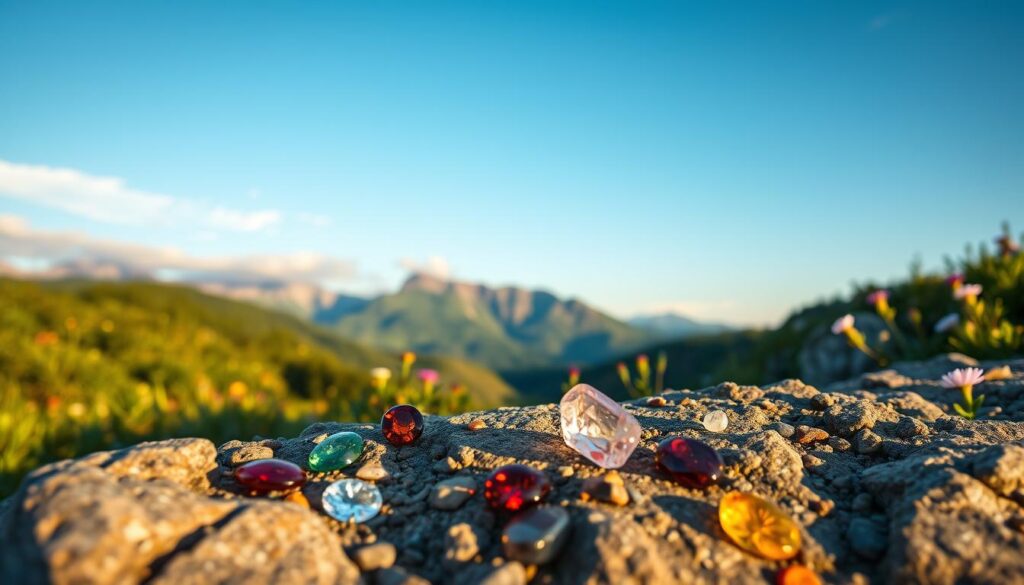
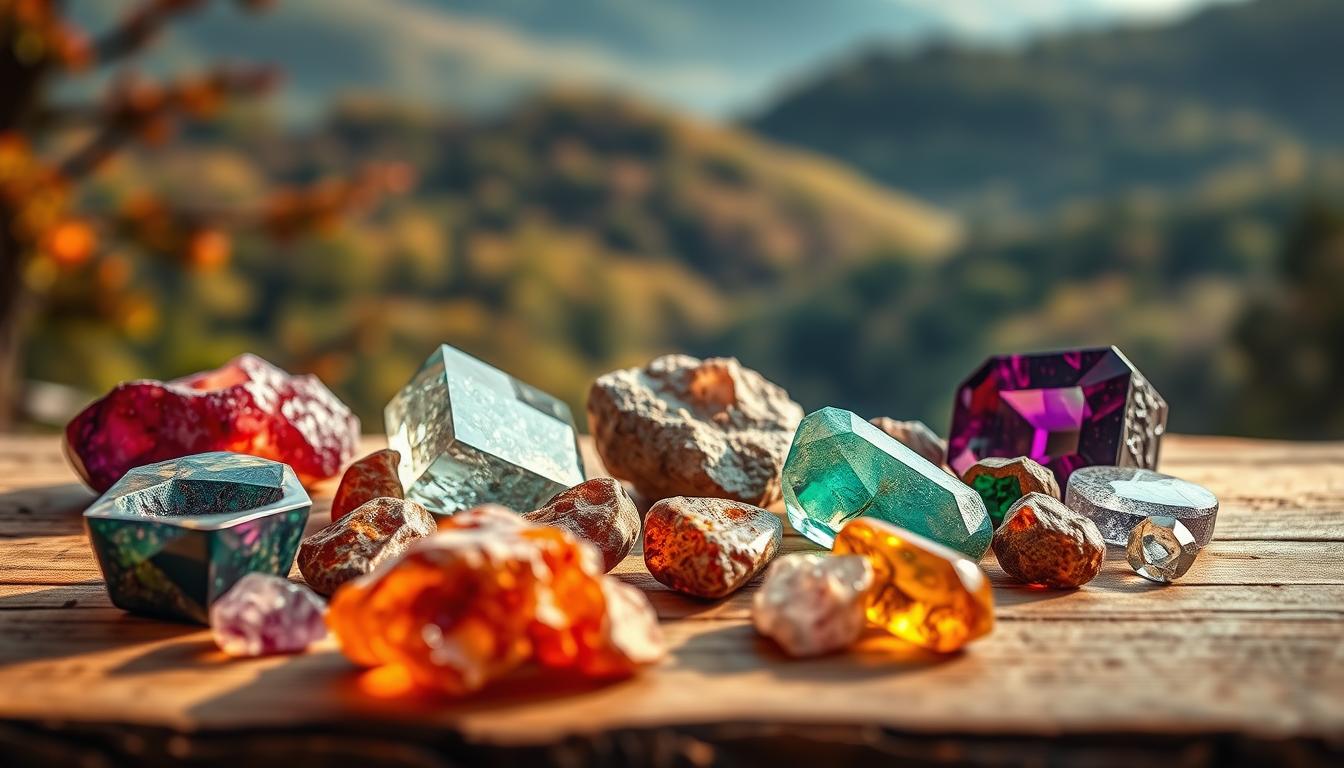
Georgia’s diverse landscape holds a treasure trove of Precious Gemstones waiting to be discovered by collectors and enthusiasts. The state’s five distinct regions each offer unique deposits formed through millions of years of geological processes.
From the North Georgia Mountains to commercial mining sites, you can find quartz varieties, amethyst, aquamarine, garnet, and staurolite scattered throughout the state. Georgia’s complex geological history has created perfect conditions for gemstone formation, making it a prime destination for both amateur rockhounds and serious collectors.
TL;DR
- Georgia is home to over 12 different gemstone varieties including the state gemstone quartz.
- North Georgia Mountains offer the richest deposits with accessible stream panning opportunities.
- Commercial mining sites like Crisson Gold Mine provide equipment and guided experiences for beginners.
- Spring and fall seasons offer the best gem hunting conditions due to optimal water levels and weather.
Precious Gemstones in Georgia’s Five Regions
Georgia’s geological diversity stems from five distinct regions, each containing different gemstone deposits. The Blue Ridge Mountains in the north hold the most concentrated gemstone areas, while the Piedmont region extends these deposits southward.
The state’s metamorphic and igneous rock formations create ideal conditions for gemstone development. Tectonic activity over millions of years has exposed these formations, making Georgia’s gemstones accessible to modern collectors.
Common Gemstone Types and Their Locations
Understanding what gemstones you can find and where to look saves time and increases your success rate. Each type has preferred geological conditions and specific locations where they concentrate.
Quartz Varieties
Quartz serves as Georgia’s official state gemstone and appears in multiple varieties throughout the state. You’ll find the highest concentrations in the North Georgia Mountains, particularly around streams and creek beds, similar to the abundant quartz deposits found in North Carolina.
- Rock Crystal – Clear, colorless quartz found in pegmatites and rock cavities.
- Smoky Quartz – Brown to black variety common in igneous and metamorphic rocks.
- Rose Quartz – Pink-colored variety often found alongside other quartz types in pegmatites.
- Amethyst – Purple quartz prized for its deep color, abundant near Dahlonega.
Beryl Family Gemstones
Georgia’s beryl deposits produce both aquamarine and emerald varieties, though aquamarine appears more frequently. The Hogg Mine near LaGrange remains famous for its aquamarine specimens, producing gems comparable to those found in Colorado’s famous aquamarine deposits.
- Aquamarine. Pale blue to blue-green beryl found in pegmatite formations.
- Emerald. Green beryl variety that occurs less frequently but in specific geological zones.
Other Notable Gemstones
Beyond quartz and beryl, Georgia produces several other valuable gemstones that attract collectors worldwide.
- Garnet – Deep red silicate minerals found in metamorphic rocks statewide.
- Staurolite – Cross-shaped crystals popular as natural curiosities.
- Moonstone – Feldspar with adularescent properties found in certain pegmatites.
- Sunstone – Another feldspar variety displaying metallic reflections.
Top Gemstone Hunting Locations
Success in gemstone hunting depends heavily on choosing productive locations. Georgia offers both natural sites and commercial operations where you can search for precious stones.
North Georgia Mountains
The North Georgia Mountains provide the state’s premier gemstone hunting territory. Multiple creek systems carry gemstones downstream from their source rocks, concentrating them in accessible locations.
Popular spots include the Chattahoochee River system and its tributaries, where stream panning yields consistent results. The area’s accessibility makes it perfect for beginners and families.
Dahlonega and Gold Belt Region
While famous for gold, the Dahlonega area also produces excellent gemstone specimens. The same geological forces that concentrated gold also created conditions for other precious stones.
Many creeks in this region allow public panning, though you should always check current regulations and property ownership before starting your search.
Best Time to Hunt
Visit after heavy rains when stream levels drop but debris has been washed away. This exposes new gravel beds and concentrates heavier gemstones in accessible locations.
State Parks with Mining Opportunities
Several Georgia state parks offer designated gem mining areas with facilities and equipment rental options.
| Park Name | Primary Gemstones | Facilities Available |
|---|---|---|
| Amicalola Falls State Park | Quartz, Amethyst | Sluice boxes, guided tours |
| Unicoi State Park | Staurolite, Quartz | Equipment rental, designated areas |
| Red Top Mountain State Park | Quartz, Agate | Camping facilities, hunting areas |
Commercial Mining Operations
Commercial gem mining sites offer controlled environments perfect for beginners and families. These operations provide equipment, instruction, and guaranteed opportunities to find gemstones.
Crisson Gold Mine
Located in Dahlonega, Crisson Gold Mine allows visitors to pan for gold and search for various gemstones. The site provides all necessary equipment and offers guided instruction for first-time hunters.
Operating year-round, the mine maintains consistent conditions regardless of weather, making it reliable for planned visits.
Hogg Mine
The Hogg Mine near LaGrange specializes in aquamarine deposits and offers both guided tours and self-directed hunting opportunities. This location produces some of Georgia’s finest aquamarine specimens.
The mine operates seasonally and requires advance reservations during peak times.
Essential Hunting Techniques
Successful gemstone hunting requires understanding basic techniques and adapting them to Georgia’s specific geological conditions. Different methods work better for different gemstone types and locations, similar to techniques used by collectors searching for gems in neighboring South Carolina.
Stream Panning Method
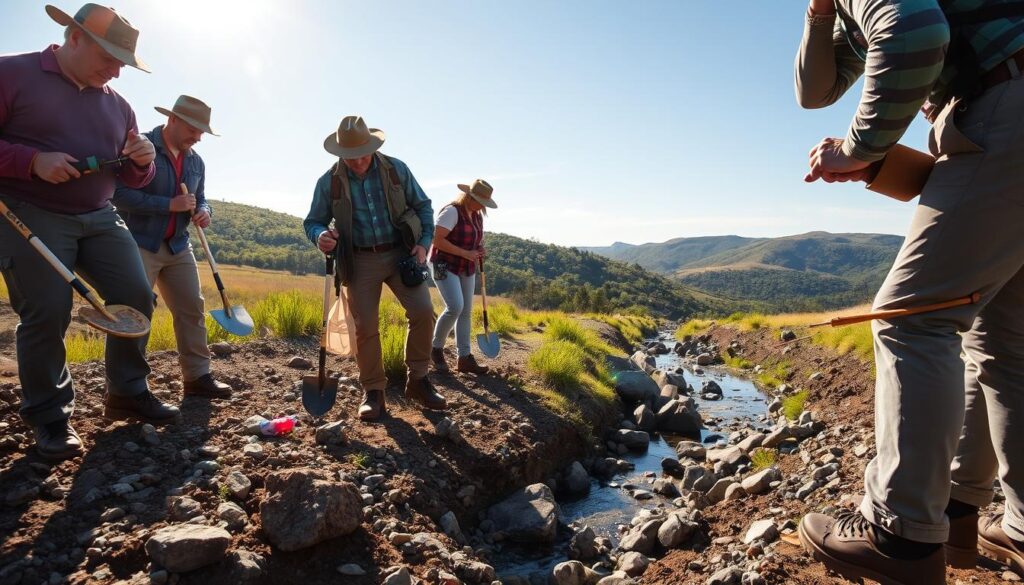
Stream panning remains the most popular technique for beginners and produces consistent results in Georgia’s creek systems. The method concentrates heavy materials, including gemstones, in your pan.
- Choose your location. Look for areas where streams slow down and heavy materials can settle.
- Fill your pan. Scoop gravel and sand from the stream bottom, including some larger rocks.
- Wash and sort. Submerge the pan and use circular motions to wash away lighter materials.
- Inspect remains. Examine the heavy materials left in your pan for gemstones.
Digging and Trenching
When you identify productive areas, systematic digging can uncover gemstones that haven’t reached stream systems yet. This method requires more effort but often produces larger specimens.
Focus on areas where pegmatite veins intersect with other rock types, as these zones often concentrate multiple gemstone varieties.
Required Equipment and Tools
Having the right equipment makes gemstone hunting more productive and enjoyable. You don’t need expensive gear to get started, but certain basic tools are essential.
Basic Tool Kit
- Gold pan – 14-inch diameter works well for most situations.
- Rock hammer – For breaking apart rock specimens safely.
- Hand lens – 10x magnification helps identify small gemstones.
- Sieve set – Different mesh sizes for sorting materials by size.
- Small containers – For storing and organizing your finds.
Identification Resources
Learning to identify gemstones in the field saves time and helps you focus on valuable specimens. Carry a basic gemstone identification guide specific to Georgia minerals.
Understanding hardness, crystal structure, and color variations helps distinguish valuable gemstones from common minerals. The U.S. Geological Survey provides authoritative mineral identification resources.
Frequently Asked Questions
What gemstones are most common in Georgia?
Quartz varieties including amethyst and smoky quartz are most abundant, followed by garnet and aquamarine in specific locations.
Do I need permission to hunt for gemstones in Georgia?
You need landowner permission for private property and must follow specific regulations in state parks and public areas.
What’s the best season for gemstone hunting in Georgia?
Spring and fall offer optimal conditions with moderate weather and ideal water levels in streams and creeks.
Can beginners find valuable gemstones in Georgia?
Yes, Georgia’s abundant deposits and accessible locations make it perfect for beginners, especially at commercial mining sites.
How do I clean and preserve found gemstones?
Gently wash with clean water, use soft brushes for stubborn dirt, and store in padded containers to prevent damage.
Final Thoughts
Precious Gemstones in Georgia offer endless opportunities for discovery, from weekend family outings to serious collecting expeditions. The state’s geological diversity ensures that both beginners and experienced hunters can find rewarding experiences, much like the diverse gemstone hunting opportunities available in Tennessee.
Start with a commercial mining operation to learn basic techniques, then explore the natural sites as your skills develop. Georgia’s gemstone treasures are waiting for those willing to search for them.