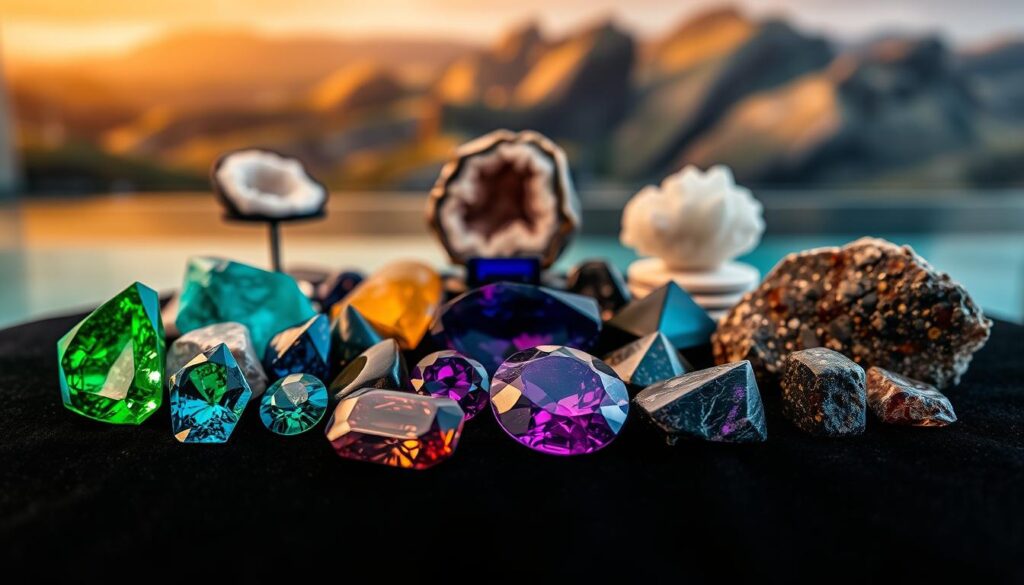
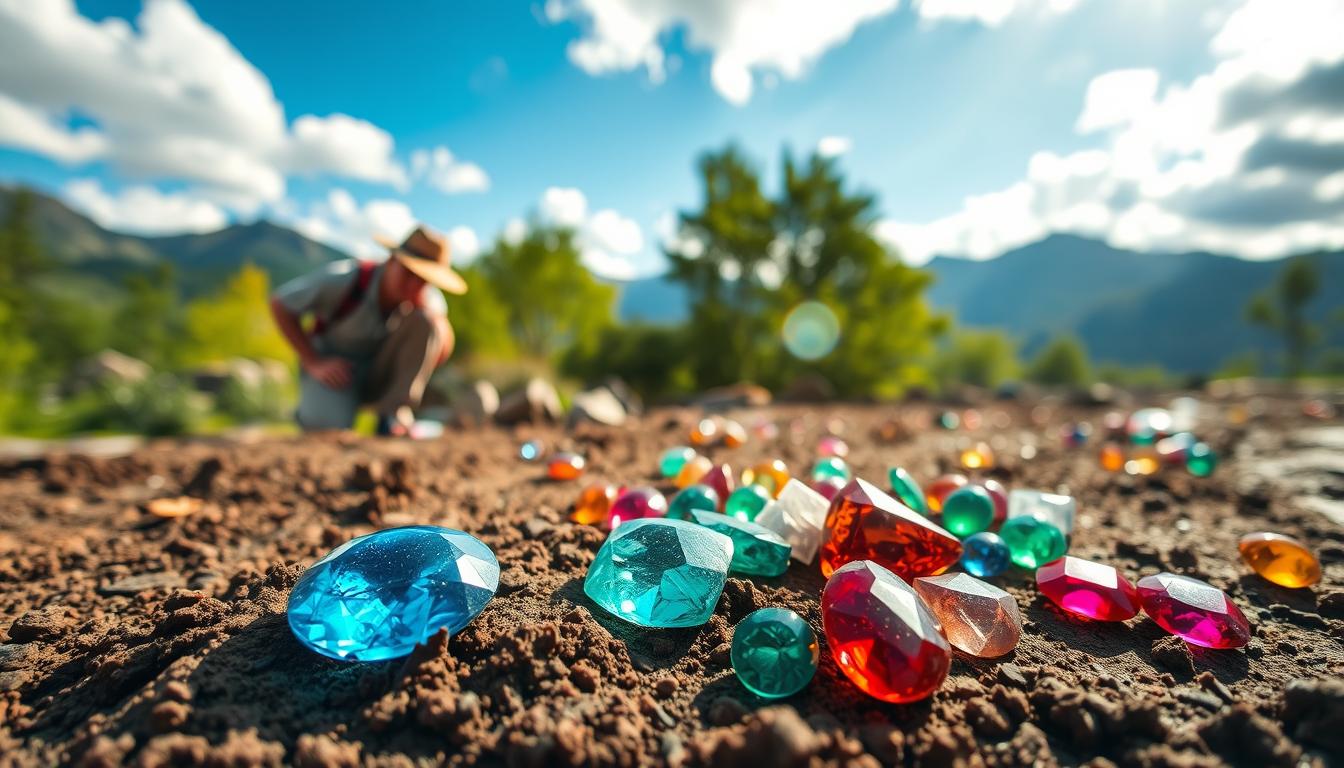
Why Some Rocks Are Highly Collectible depends on several fascinating factors that turn ordinary minerals into treasured specimens worth hundreds or even thousands of dollars. Collectors worldwide seek out specific rocks based on rarity, beauty, historical significance, and unique formation processes that make certain specimens stand out from common stones.
The rock and mineral collecting hobby has grown tremendously over the past decades, with some specimens commanding prices that rival fine art. Understanding what makes rocks collectible helps both new collectors make smart purchases and seasoned enthusiasts appreciate the true value of their collections.
TL;DR
- Rare minerals like red beryl can sell for $1,000+ per carat due to extremely limited global deposits.
- Perfect crystal formations and vibrant colors increase a rock’s value by 300-500% compared to average specimens.
- Rocks from famous localities like Herkimer, New York or Mount Vesuvius command premium prices of 200-400% above similar specimens.
- Meteorites represent the ultimate collectible rocks, with some selling for $500-1,000 per gram at auction houses.
Why Some Rocks Are Highly Collectible
Rarity stands as the primary driver of rock collectibility. When geological processes create minerals that occur in only a few locations worldwide, collectors compete fiercely for specimens. Red beryl, found primarily in Utah’s Wah Wah Mountains, exemplifies this principle with fewer than a dozen gem-quality stones discovered annually.
Visual appeal plays an equally important role in determining collectibility. Rocks with exceptional crystal formations, unusual colors, or striking patterns capture collectors’ attention and wallets. The deep blue of azurite, the rainbow flash of labradorite, and the perfect geometric shapes of pyrite cubes all represent visual qualities that separate collectible specimens from ordinary rocks.
Formation Rarity and Geological Significance
Unique formation processes create some of the most sought-after collectible rocks. Specimens that required millions of years and specific environmental conditions to form become geological time capsules worth preserving. Cave formations, volcanic glass, and impact breccias from meteorite strikes all represent rare geological events captured in stone.
Scientific importance also drives collectibility among serious collectors and institutions. Type specimens – the original samples used to define new mineral species – command exceptional prices and respect within the collecting community. Museums and universities compete for these scientifically significant pieces.
Meteorites: The Ultimate Rare Rocks
Meteorites represent the pinnacle of rock collecting due to their extraterrestrial origin and extreme rarity. These space rocks survived billion-year journeys and fiery atmospheric entry to reach Earth’s surface. Witnessed falls – meteorites seen falling from the sky – carry premium values because their terrestrial age and authenticity are unquestionable.
Different meteorite types appeal to various collector preferences. Iron meteorites offer stunning metallic beauty and can be polished to mirror finishes, while stony meteorites contain chondrules – tiny spheres that represent some of the oldest matter in our solar system.
Locality and Provenance Impact
The specific location where a rock was found significantly affects its collectibility and value. Famous mineral localities develop reputations for producing exceptional specimens, creating a premium market for rocks from these areas. Herkimer “diamonds” (actually quartz crystals) command higher prices than similar crystals from other locations purely based on their New York origin.
Historical significance of localities also matters tremendously. Rocks from the original copper mines of Cornwall, England, or specimens collected during famous geological expeditions carry stories that enhance their appeal. Collectors pay premium prices for pieces with documented chains of custody stretching back decades or centuries.
Closed Localities Drive Demand
When productive mineral localities close due to mining cessation, environmental protection, or land access restrictions, existing specimens become finite resources. This scarcity drives up values as new material can no longer enter the market. Classic examples include many European alpine mineral localities now protected within national parks.
Documentation Increases Value
Always keep detailed records of where and when you collected specimens. Proper documentation can double or triple a rock’s value to serious collectors.
Size, Quality, and Aesthetic Appeal
Size matters in rock collecting, but bigger isn’t always better. Cabinet specimens measuring 4-6 inches across represent the sweet spot for most collectors – large enough to display prominently but small enough to store reasonably. Miniature specimens under 2 inches appeal to collectors with space constraints or those focusing on rare species where large examples don’t exist.
Quality factors heavily into collectibility through crystal perfection, color saturation, and overall condition. Damaged specimens, even of rare minerals, hold significantly less value than perfect examples. Collectors learn to spot natural damage versus human-caused breaks, with natural crystal faces commanding premium prices.
Color and Crystal Habit
Exceptional colors separate collectible specimens from average rocks. Vivid greens, deep blues, and rich purples catch the eye and wallet of collectors. Color zoning – where different hues appear in bands or patterns within single crystals – adds visual interest and value.
Crystal habit refers to the characteristic shape minerals form as they grow. Perfect geometric shapes like octahedral fluorite or prismatic tourmaline crystals showcase nature’s mathematical precision in ways that appeal to collectors’ sense of order and beauty.
Market Demand and Collecting Trends
Collecting trends influence rock values just like any other market. Social media has introduced younger collectors to the hobby, driving up demand for photogenic specimens that display well online. Instagram-worthy pieces with striking colors or unusual forms see increased interest from new collectors.
Investment potential attracts some collectors who view high-quality mineral specimens as alternative assets. Top-tier specimens from famous localities have shown steady appreciation over decades, though like any collectible market, values can fluctuate based on demand and economic conditions. Those looking to start their own collection should consider following established guidelines for building a valuable rock collection.
Educational and Scientific Value
Educational institutions and research facilities create steady demand for specific types of collectible rocks. Teaching collections require good examples of common minerals, while research may focus on particular chemical compositions or crystal structures. This institutional demand provides a floor under prices for scientifically significant specimens.
Frequently Asked Questions
What makes a rock worth collecting?
Rarity, beauty, perfect crystal formation, historical significance, and locality all contribute to a rock’s collectibility. The most valuable specimens combine several of these factors.
Are meteorites the most valuable collectible rocks?
Meteorites rank among the most valuable due to their rarity and extraterrestrial origin, but some rare earth minerals and perfect crystal specimens can command similar or higher prices per gram.
How do I know if my rocks are valuable?
Research the mineral species, locality, and size of your specimens online or consult with local rock clubs and mineral dealers. Professional appraisals may be worthwhile for potentially valuable pieces.
Do common rocks ever become collectible?
Yes, common minerals can become collectible if they show exceptional quality, come from famous localities, or display unusual characteristics like perfect crystal faces or rare color variants.
Final Thoughts
Why Some Rocks Are Highly Collectible comes down to the perfect combination of rarity, beauty, scientific significance, and human appreciation for nature’s geological artistry. The most valuable specimens tell stories spanning millions of years while displaying the mathematical precision and artistic beauty that only geological processes can create.
Whether you’re drawn to the extraterrestrial mystery of meteorites or the perfect geometry of mineral crystals, understanding these factors helps you appreciate why certain rocks capture collectors’ imaginations and wallets worldwide. For those interested in discovering their own treasures, exploring famous rock and gem collecting locations can provide access to specimens that might become the centerpieces of valuable collections.