How To Build A Valuable Rock Collection starts with understanding that not all rocks are created equal – some specimens can be worth thousands while others hold mainly educational value. Building a collection that grows in both knowledge and monetary worth requires strategic thinking about what you acquire and how you care for it.
The key to success lies in focusing on quality over quantity and learning to identify truly valuable specimens. Whether you’re drawn to sparkling crystals, rare minerals, or fossils millions of years old, a systematic approach will help you build a collection that appreciates over time.
TL;DR
- Focus on specimens worth $50+ rather than buying dozens of cheap rocks – quality beats quantity for value building.
- Learn to identify the “Big 4” valuable minerals: quartz varieties, garnets, tourmalines, and beryl specimens which hold steady market value.
- Document each specimen with photos, location data, and purchase records – proper documentation can increase value by 25-40%.
- Store collections in controlled environments between 65-75°F with low humidity to prevent deterioration that destroys value.
How To Build A Valuable Rock Collection From Scratch
Building a valuable rock collection requires more strategy than simply picking up pretty stones. Start by setting a clear budget and sticking to specimen categories that historically hold or increase value.
Focus your early purchases on well-known mineral varieties with established markets. Quartz specimens, garnets, and tourmalines offer good entry points because they’re recognizable to buyers and have consistent demand from collectors, especially when you understand why some rocks are highly collectible.
Essential Equipment for Serious Collectors
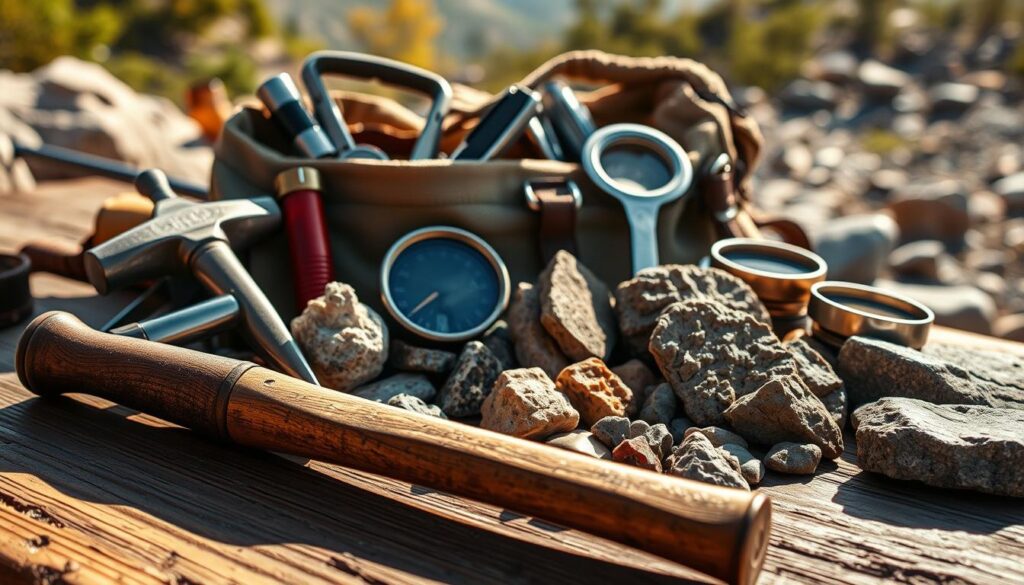
Proper tools separate casual rock hounds from serious collectors. Invest in quality equipment that helps you identify and preserve valuable specimens.
- Loupe or Hand Lens – 10x magnification minimum for examining crystal structure and identifying inclusions.
- Hardness Testing Kit – Mohs scale picks help confirm mineral identity and avoid costly mistakes.
- UV Light – Many valuable minerals fluoresce under ultraviolet light, revealing hidden properties.
- Digital Scale – Precise weight measurements are crucial for valuing specimens by carat or gram.
- Storage Cases – Compartmentalized boxes prevent damage from specimens rubbing against each other.
Identifying High-Value Rock and Mineral Specimens
Value in rock collecting comes from rarity, beauty, size, and condition. Learn to spot these characteristics quickly when evaluating potential purchases or finds.
The most valuable specimens typically combine multiple desirable traits – a large, perfectly formed crystal with excellent clarity and vivid color commands premium prices. Common rocks with exceptional size or unusual formations can also hold significant value, particularly rare stones collectors actually find in the field.
Key Value Indicators to Look For
- Crystal Formation. Well-formed crystals with defined faces and edges are worth more than broken fragments or rough specimens.
- Color Saturation. Vivid, natural colors increase value – look for deep reds in garnets, electric blues in aquamarine, or forest greens in tourmaline.
- Transparency and Clarity. Clear specimens without internal flaws or cloudiness command higher prices than opaque versions.
- Size Matters. Larger specimens of the same quality are exponentially more valuable than smaller ones.
- Provenance. Specimens from famous localities or closed mines carry premium value due to their documented origin.
Smart Acquisition Strategies for Building Value
Successful collectors think like investors, focusing on specimens likely to appreciate over time. Avoid impulse purchases and instead research market trends before buying.
Build relationships with reputable dealers who can alert you to exceptional specimens. Many of the best pieces never reach public markets because dealers offer them first to their established customers.
Where to Find Valuable Specimens
- Mineral Shows – Regional gem and mineral shows offer the best selection and competitive pricing from multiple dealers.
- Online Auctions – eBay and specialized auction sites can yield bargains, but require careful evaluation of seller reputation.
- Estate Sales – Inherited collections sometimes contain valuable pieces that heirs don’t recognize.
- Field Collecting – Some of the most valuable specimens come from personal collecting trips to productive locations, especially when you know about famous rock and gem collecting locations.
- Mineral Clubs – Club members often trade or sell specimens at below-market prices to fellow collectors.
Research Before You Buy
Spend 30 minutes researching market prices for any specimen over $100 before purchasing. Use completed eBay sales and mineral price guides to establish fair value ranges.
Proper Storage and Display for Value Preservation
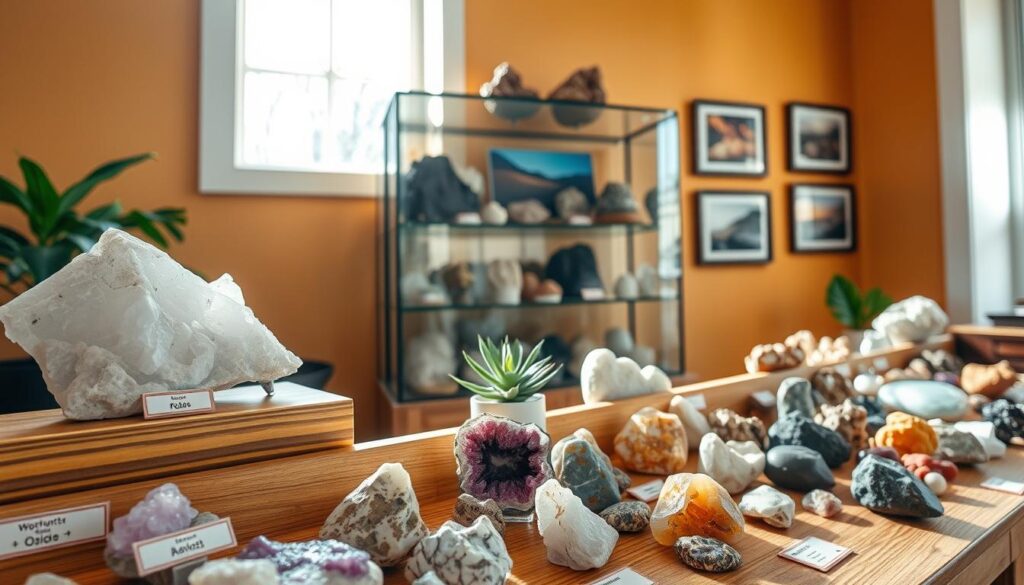
Even the most valuable specimens become worthless if damaged by poor storage. Environmental controls and protective housing preserve both beauty and market value.
Temperature fluctuations and humidity cause expansion and contraction that can crack delicate crystals. Store your collection in a climate-controlled environment away from direct sunlight and moisture sources.
Professional Storage Solutions
- Museum-Quality Cases – Sealed display cases with foam padding protect specimens while allowing viewing.
- Individual Specimen Boxes – Small cardboard or plastic boxes prevent damage from contact with other specimens.
- Silica Gel Packets – Moisture absorbers help maintain stable humidity levels in storage containers.
- Acid-Free Labels – Proper labeling with archival materials prevents deterioration over time.
Documentation and Record Keeping
Detailed records transform a hobby collection into a valuable asset. Document every specimen with photographs, measurements, and acquisition details.
Create both digital and physical records for each piece. Include purchase date, price paid, dealer information, and any certificates of authenticity that came with valuable specimens, applying the same systematic approach that museums use to classify rare stones.
Essential Documentation Elements
- Specimen Photos. Take multiple high-resolution photos from different angles in good lighting conditions.
- Detailed Measurements. Record length, width, height, and weight using precise instruments.
- Location Data. Document where the specimen was found or purchased, including specific mine or locality information.
- Financial Records. Keep receipts and document the purchase price for insurance and eventual sale purposes.
- Condition Reports. Note any damage, repairs, or changes in condition over time.
Frequently Asked Questions
How much money should I budget for starting a valuable rock collection?
Start with $500-1000 for your first year, focusing on 5-10 quality specimens rather than dozens of cheap rocks. This budget allows you to buy pieces that will actually appreciate in value.
Which types of rocks and minerals appreciate in value the fastest?
Rare minerals from closed mines, large crystal specimens, and high-quality gemstone materials tend to appreciate fastest. Quartz varieties, garnets, and tourmalines offer good entry points for new collectors.
Do I need special insurance for a valuable rock collection?
Yes, standard homeowner’s insurance typically covers only $1,000-2,000 for collectibles. Consider specialized collectibles insurance once your collection exceeds $5,000 in value.
How do I know if a rock specimen is authentic and not synthetic?
Learn basic identification techniques using hardness tests, specific gravity, and crystal structure examination. When in doubt, have expensive specimens evaluated by a certified gemologist.
What’s the best way to sell valuable specimens when I’m ready?
Online auctions, mineral shows, and specialized dealers offer the best prices for quality specimens. Proper documentation and photographs are essential for achieving top dollar.
Final Thoughts
How To Build A Valuable Rock Collection requires patience, education, and strategic thinking about long-term value. Focus on quality specimens from reputable sources and maintain detailed records of every acquisition, understanding what makes a stone a true natural treasure.
Start small with a clear budget and expand your knowledge before making major purchases. The most successful collectors combine passion for geology with smart investment principles, often connecting with the American Federation of Mineralogical Societies to access educational resources and networking opportunities.