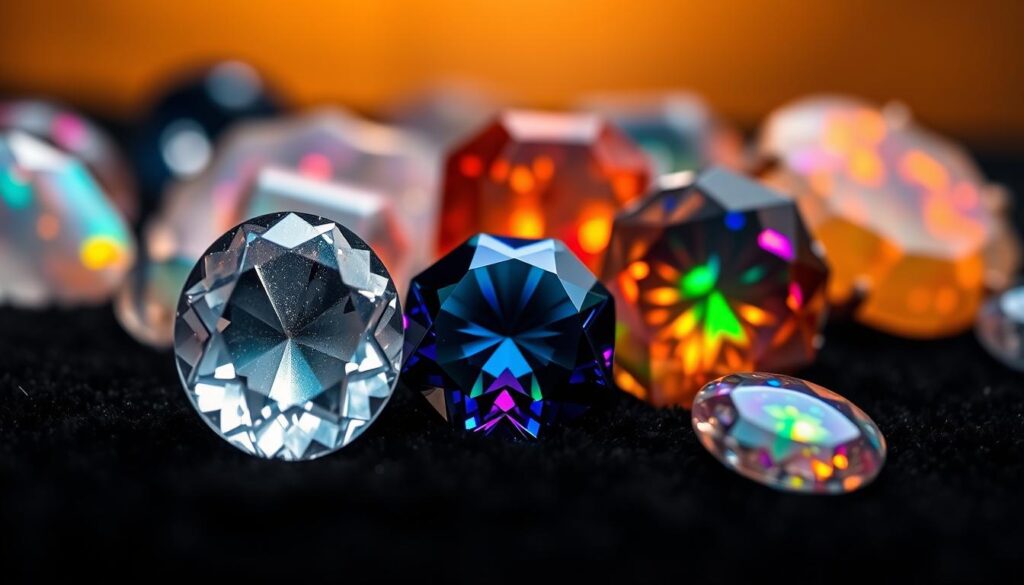
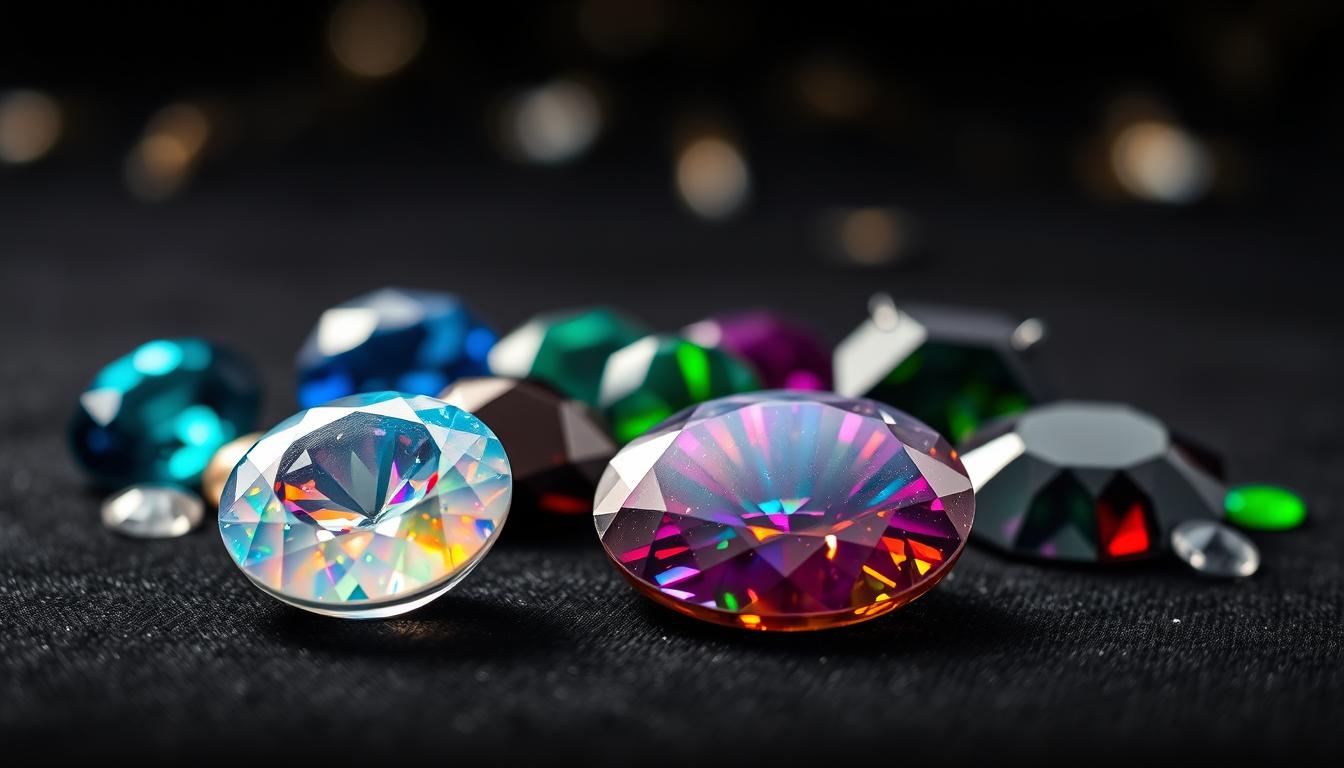
Hidden Gemstone Types Most Collectors Miss represent some of the most fascinating and undervalued treasures in the mineral world. While collectors often gravitate toward popular stones like diamonds, rubies, and sapphires, countless rare and beautiful gemstones remain largely overlooked by the mainstream market.
These lesser-known gems offer unique beauty, interesting properties, and often better value than their famous counterparts. Many collectors who discover these hidden treasures find themselves captivated by their distinctive colors, crystal formations, and the stories behind their discovery.
TL;DR
- Over 4,000 recognized mineral species exist, but only about 100 are commonly collected as gemstones.
- Bixbite (red beryl) is 1,000 times rarer than diamonds and found only in Utah and New Mexico.
- Painite was considered the world’s rarest mineral until 2005, with fewer than 25 known specimens at the time.
- Jeremejevite crystals can sell for $2,000 per carat despite being virtually unknown to most collectors.
Hidden Gemstone Types Most Collectors Miss
The gemstone world extends far beyond the traditional precious stones most people recognize. Many collectors focus exclusively on the “Big Four” – diamonds, rubies, sapphires, and emeralds – missing out on incredible specimens that offer superior rarity and often more affordable entry points into serious collecting.
These overlooked gems often display superior optical properties, unique color combinations, or crystal habits that make them more interesting than mainstream stones. Understanding why some rocks are highly collectible can give collectors access to museum-quality specimens at fraction of the cost of popular alternatives.
Rare Beryl Varieties Beyond Emerald
While emerald gets all the attention in the beryl family, several other varieties offer exceptional beauty and rarity. Red beryl, also known as bixbite, represents one of the rarest gemstones on Earth, found only in specific locations in Utah and New Mexico.
The intense red color comes from trace amounts of manganese, and gem-quality specimens are incredibly scarce. Most red beryl crystals measure less than one carat, making larger specimens extremely valuable to serious collectors.
Morganite and Golden Beryl
Morganite displays beautiful peach to salmon pink colors and offers excellent clarity at affordable prices. This beryl variety responds well to heat treatment, which can enhance its color and remove any yellow undertones.
Golden beryl, or heliodor, produces stunning yellow to golden crystals that rival citrine in beauty but offer superior hardness and brilliance. These stones often display exceptional transparency and can be found in larger sizes than most precious gems.
Collector-Grade Phosphate Minerals
Phosphate minerals produce some of the most colorful and varied specimens in the mineral world. Apatite group minerals offer incredible diversity, with colors ranging from electric blue to deep purple, green, and yellow.
These minerals often form beautiful crystal clusters and can display optical phenomena like chatoyancy or color-change effects. While softer than traditional gemstones, they make exceptional display specimens and offer entry points into advanced mineral collecting.
Amblygonite and Brazilianite
Amblygonite produces pale yellow to lilac crystals that can be faceted into beautiful gems despite their relative softness. This lithium-bearing phosphate mineral often displays perfect cleavage and vitreous luster.
Brazilianite forms striking yellow-green crystals that were initially mistaken for chrysoberyl when first discovered. These prismatic crystals display excellent transparency and make stunning cabinet specimens for serious collectors.
Storage Tip for Soft Gemstones
Keep phosphate minerals and other soft gems in individual containers with padding. Temperature fluctuations can cause fracturing in stones with perfect cleavage planes.
Overlooked Silicate Gems
The silicate mineral group contains numerous gemstone varieties that remain largely unknown to casual collectors. Andalusite displays remarkable pleochroism, showing different colors when viewed from different angles.
This property makes andalusite particularly interesting under different lighting conditions, with colors shifting from yellow-green to red-brown as the stone is rotated. Despite this fascinating optical property, andalusite remains affordable and readily available.
Kornerupine and Jeremejevite
Kornerupine produces beautiful green to brown gems with strong pleochroism and excellent hardness. This boron-bearing silicate forms prismatic crystals that can be faceted into brilliant gems despite their rarity.
Jeremejevite represents one of the most undervalued rare gems, displaying colorless to pale blue crystals with diamond-like brilliance. Found primarily in Namibia and Myanmar, this aluminum borate mineral commands high prices among knowledgeable collectors but remains virtually unknown to the general public.
Rare Oxide and Hydroxide Minerals
Beyond the well-known corundum family, several oxide minerals produce exceptional gemstones. Chrysoberyl varieties like alexandrite get some recognition, but ordinary chrysoberyl offers beautiful golden-yellow to green stones with superior hardness.
Taaffeite, discovered by accident in a parcel of spinels, produces lavender to colorless gems of exceptional rarity. This beryllium magnesium aluminum oxide was unknown to science until 1945 and remains one of the rarest faceted gems.
Painite and Bixbite Alternatives
For collectors interested in record-breaking rarity, painite offers deep red-brown crystals that were once considered the world’s rarest mineral. Recent discoveries have made specimens more available, though they remain extremely expensive.
Bixbite alternatives include red spinel and pyrope garnet, which offer similar colors at more accessible price points. These stones provide the visual impact of red beryl without the extreme rarity premium.
Building a Hidden Gems Collection
Starting a collection focused on overlooked gemstones requires different strategies than collecting mainstream stones. Research becomes crucial, as many dealers and even gemologists may not recognize rare varieties.
Focus on learning the diagnostic properties of target species, including crystal systems, optical properties, and typical inclusions. Building relationships with specialty mineral dealers and attending gem and mineral shows provides access to unusual specimens.
- Research Phase – Study mineralogy references and join collector groups focused on rare species.
- Network Building – Connect with dealers who specialize in unusual minerals and rare gems.
- Documentation – Keep detailed records of locality, dealer, and any testing or certification.
- Display Strategy – Plan storage and display methods appropriate for each mineral’s hardness and stability.
Frequently Asked Questions
Why do most collectors overlook these gemstone types?
Limited marketing, lack of commercial availability, and unfamiliarity among jewelers keep these stones relatively unknown. Most consumers only learn about heavily marketed gems like diamonds and traditional precious stones.
Are hidden gemstones good investments compared to traditional precious gems?
Hidden gems can offer better value appreciation due to their rarity, but they have smaller resale markets. They work best for collectors who appreciate the stones themselves rather than purely financial returns.
Where can collectors find reliable sources for rare gemstones?
Specialty mineral dealers, gem and mineral shows, and auction houses provide the best sources. Online mineral forums and collector groups often share information about reputable dealers and new finds.
How can collectors verify the authenticity of rare gemstones?
Professional gemological testing through certified gemological laboratories provides definitive identification. Learning basic testing methods and investing in quality gemological tools helps collectors make informed purchases.
Final Thoughts
Hidden Gemstone Types Most Collectors Miss offer incredible opportunities for building unique collections that stand apart from mainstream precious stone accumulations. These overlooked treasures provide superior rarity, fascinating optical properties, and often better value than their famous counterparts.
Start exploring one mineral group that interests you most, whether it’s rare beryl varieties, phosphate minerals, or exotic oxides. The journey into hidden gems opens up an entirely new dimension of collecting that rewards knowledge and curiosity over simple brand recognition. By understanding what makes a stone a true natural treasure and focusing on rare stones collectors actually find, you can discover specimens that rival the beauty and rarity of any famous gemstone. Learning how to build a valuable rock collection with these hidden gems will position you ahead of collectors who only pursue mainstream stones.