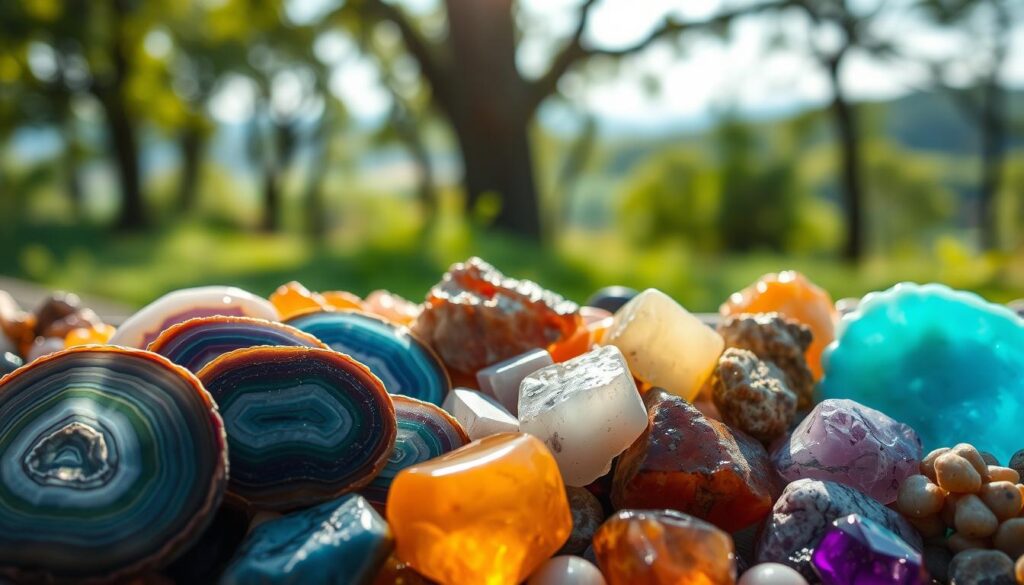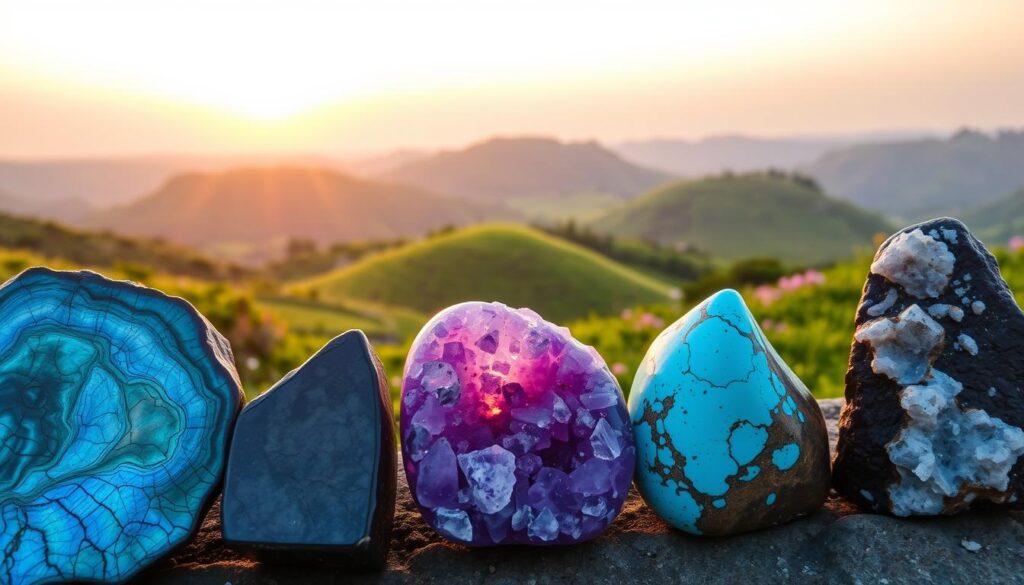
Naturally Occurring Stones With Unique Features showcase some of Earth’s most amazing geological wonders. These remarkable formations develop over millions of years through complex processes involving pressure, heat, and mineral interactions that create truly one-of-a-kind characteristics.
From stones that change color in different light to rocks that seem to defy gravity, nature has produced countless examples of geological artistry. Understanding these unique features helps us appreciate both the beauty and scientific complexity of our planet’s mineral kingdom.
TL;DR
- Labradorite displays a rainbow flash called labradorescence when light hits its surface at specific angles.
- Hematite contains up to 70% iron content, making it surprisingly heavy and giving it metallic properties.
- Alexandrite changes from green in daylight to red under incandescent light due to chromium traces.
- Lodestone naturally magnetizes and can attract iron objects without any human modification.
Naturally Occurring Stones With Unique Features
The Earth produces stones with features that seem almost magical in their complexity and beauty. These formations result from specific geological conditions that create properties ranging from color-changing abilities to magnetic attraction, making some specimens appear as unusual rocks that look man made despite their completely natural origins.
Each type of unique stone tells a story of the particular conditions present during its formation. Temperature, pressure, mineral content, and time all play crucial roles in developing these extraordinary characteristics.
Color-Changing Stones
Several stones display the remarkable ability to change color depending on lighting conditions or viewing angle. These optical phenomena result from the way light interacts with the stone’s crystal structure.
Alexandrite
Alexandrite ranks as one of the rarest color-changing gemstones in the world. This stone appears green or blue-green in daylight but shifts to red or purplish-red under incandescent lighting.
The color change occurs due to traces of chromium in the crystal structure. This element absorbs certain wavelengths of light differently depending on the light source, creating the dramatic color shift.
Labradorite
Labradorite displays a stunning optical effect called labradorescence – a brilliant flash of color that appears when light hits the stone at the right angle. The colors range from blue and green to gold, orange, and even purple.
This effect results from light interference between thin layers within the stone’s structure. The thickness of these layers determines which colors become visible, creating the stone’s signature rainbow flash.
Magnetic and Metallic Stones
Some naturally occurring stones possess magnetic properties or metallic characteristics that set them apart from typical rocks and minerals. These features develop through specific mineral compositions and geological processes.
Lodestone
Lodestone represents nature’s own magnet, naturally magnetized through exposure to lightning strikes or magnetic fields during formation. These stones can attract iron objects and even magnetize other pieces of iron.
Ancient civilizations used lodestone pieces as the first compasses for navigation. The stone’s magnetic properties remain stable for centuries, making it a reliable natural compass.
Hematite
Hematite contains such high iron content that it feels surprisingly heavy for its size and often displays metallic properties. When polished, this stone develops a mirror-like surface that reflects light like metal.
The name “hematite” comes from the Greek word for blood, referring to the red streak it leaves when scratched against rough surfaces. This red coloration comes from iron oxide, the same compound that creates rust.
Testing Stone Authenticity
Always verify unique stone features through reputable sources before making significant purchases. Many synthetic versions mimic natural phenomena but lack the geological history that creates genuine unique properties.
Light-Playing Stones
Certain stones interact with light in ways that create stunning visual effects beyond simple color changes. These optical phenomena result from specific crystal structures and internal formations, with some specimens even exhibiting properties similar to stones that glow under UV light when exposed to ultraviolet radiation.
Opal
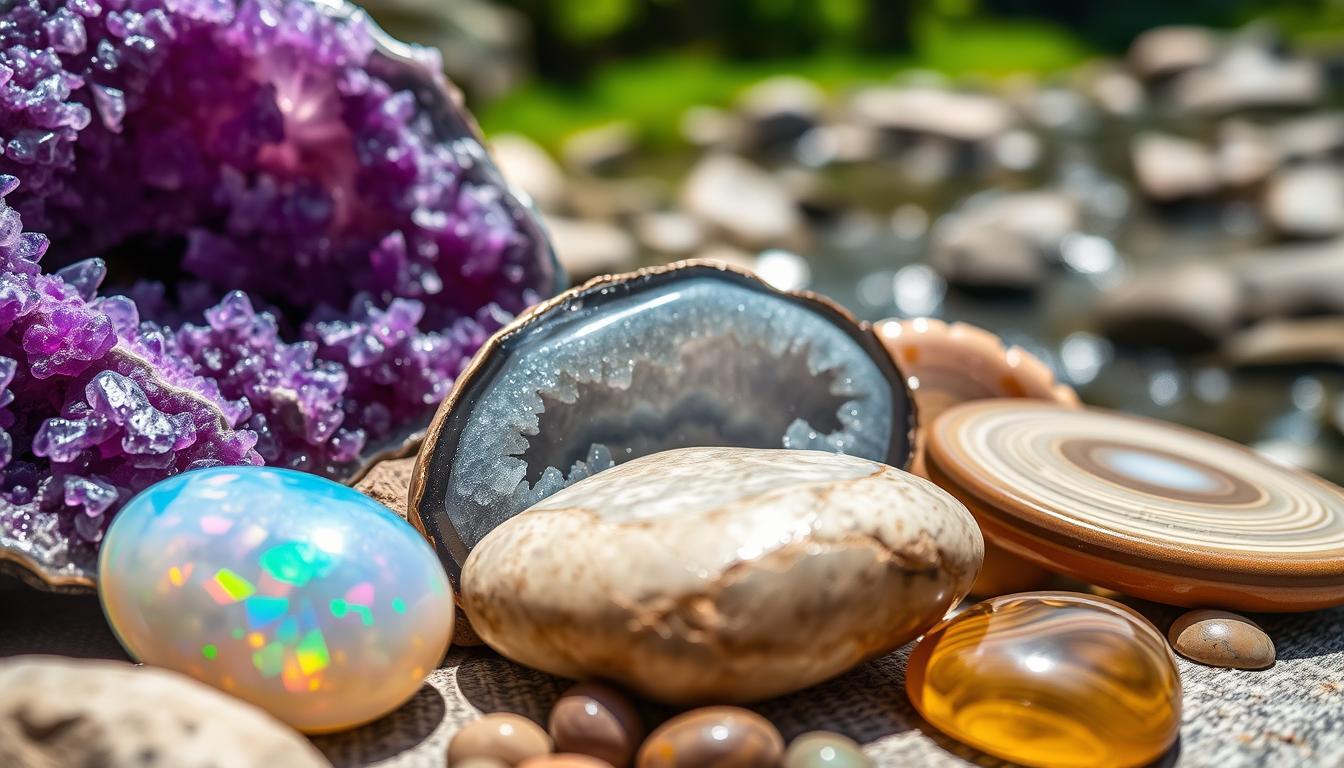
Opal displays play-of-color, a rainbow effect created by microscopic spheres of silica that diffract light into spectral colors. The size and arrangement of these spheres determine the colors and patterns visible in each stone.
Fire opals show brilliant orange and red flashes, while black opals display the full spectrum against a dark background. Boulder opals incorporate the host rock into their structure, creating unique patterns and color combinations.
Moonstone
Moonstone exhibits adularescence, a soft, billowy light that seems to move across the stone’s surface. This effect occurs when light scatters between thin layers of different feldspar minerals within the stone.
The best moonstone specimens show a blue or silver light that appears to float just below the surface. This optical phenomenon inspired the stone’s name, as the effect resembles moonlight on water.
Density and Weight Anomalies
Some stones surprise people with their unexpected weight or density compared to their appearance. These properties result from specific mineral compositions that create unusual mass-to-size ratios, contributing to why some rocks are highly collectible among enthusiasts who appreciate these unique physical characteristics.
- Pyrite – Contains iron sulfide, making it much heavier than expected for its size and giving it a metallic gold appearance.
- Galena – Lead sulfide content creates extreme density, with small specimens feeling surprisingly heavy in the hand.
- Barite – Despite its light appearance, barium sulfate composition makes it notably dense and heavy.
- Marcasite – Iron disulfide creates both metallic luster and unexpected weight in crystalline formations.
Temperature-Sensitive Stones
A few rare stones change properties when exposed to different temperatures. These thermal effects demonstrate the dynamic nature of certain mineral structures, representing some of the strange minerals found around the world that continue to fascinate researchers and collectors alike.
Thermoluminescent stones store energy from radiation or heat and release it as visible light when heated. Fluorite specimens often display this property, glowing briefly when warmed.
Frequently Asked Questions
How do stones develop unique color-changing properties?
Color-changing properties develop when trace elements like chromium interact with crystal structures to absorb and reflect different wavelengths of light under varying conditions.
Are naturally magnetic stones safe to handle?
Naturally magnetic stones like lodestone are completely safe to handle and pose no health risks. Their magnetic fields are relatively weak compared to artificial magnets.
Why do some stones feel heavier than they appear?
Stones with high metal content, particularly iron, lead, or barium, feel heavier due to their increased density compared to typical silicate minerals.
Can synthetic stones replicate these unique natural features?
While synthetic stones can mimic some optical effects, they often lack the complex internal structures and trace element combinations that create authentic natural phenomena.
Final Thoughts
Naturally occurring stones with unique features represent millions of years of geological processes working together to create extraordinary results. Each stone’s special properties reflect the specific conditions present during its formation, making every specimen a unique piece of Earth’s history and contributing to what makes a stone a true natural treasure in the eyes of collectors and scientists.
Whether you’re drawn to color-changing gems or magnetically active minerals, these natural wonders continue to fascinate both scientists and collectors with their remarkable characteristics.