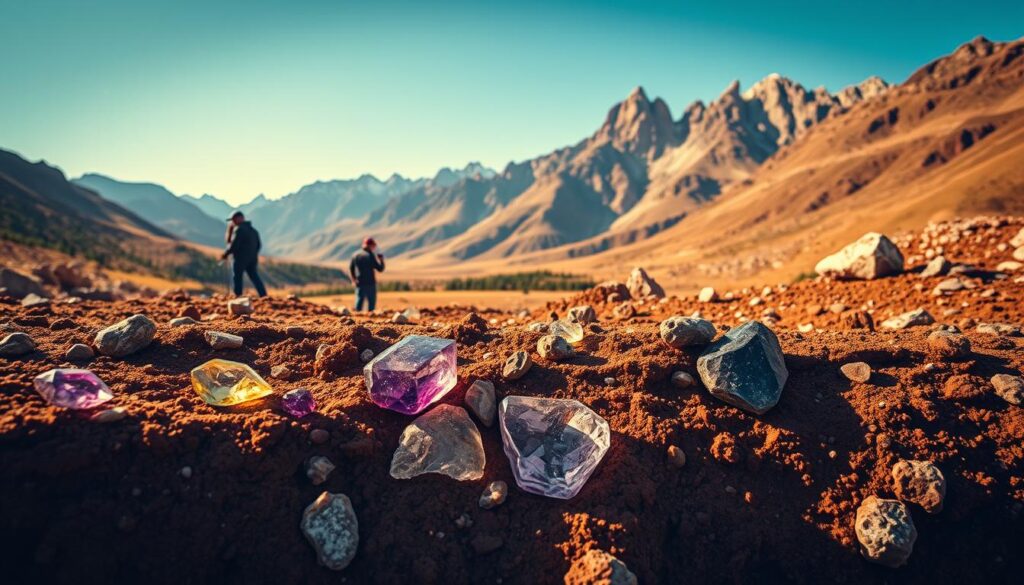
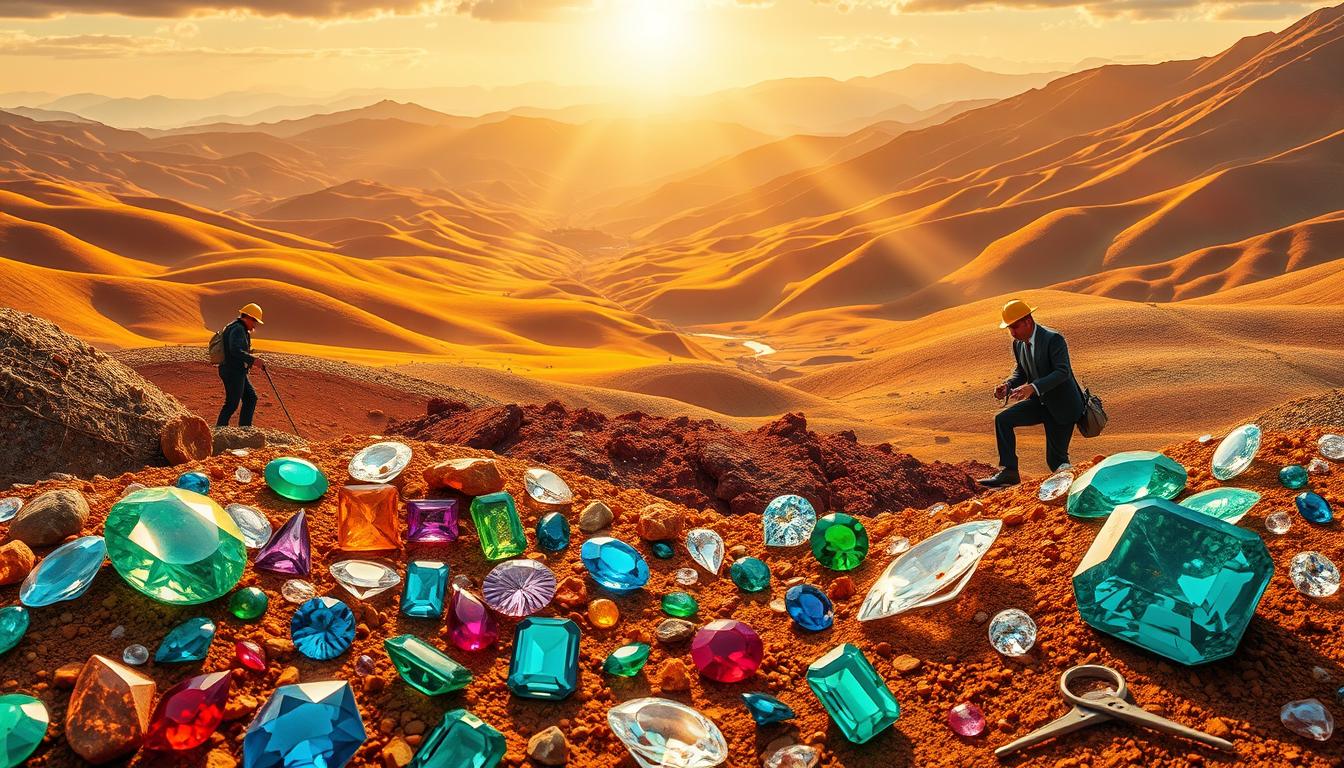
Why Certain Areas Produce More Gems than others comes down to specific geological conditions that create the perfect environment for precious stones to form. Some regions of the world are blessed with unique combinations of heat, pressure, and mineral-rich environments that make them natural gem factories.
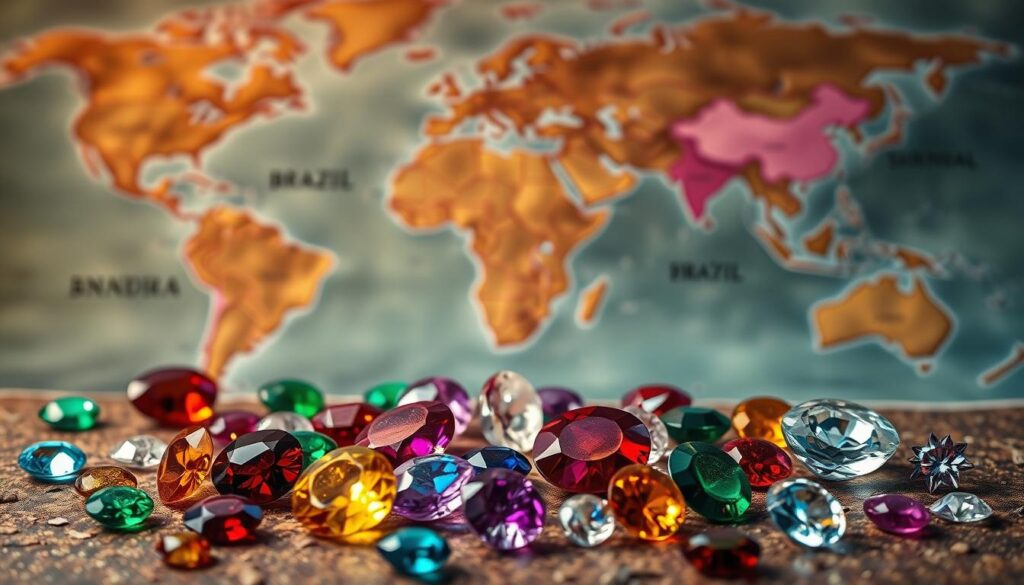
The distribution of gemstones across the globe isn’t random – it follows clear patterns based on geological history and ongoing earth processes. Understanding these patterns helps explain why places like Myanmar produce the world’s finest rubies while Colombia is famous for emeralds.
TL;DR
- Metamorphic rocks formed under extreme pressure and heat produce 60% of the world’s precious gems including rubies and sapphires.
- The “Ring of Fire” around the Pacific Ocean contains over 75% of active volcanic gem deposits due to intense tectonic activity.
- Pegmatite formations can concentrate rare minerals up to 10,000 times normal levels, creating hotspots for tourmaline and beryl gems.
- Ancient mountain ranges like the Himalayas and Appalachians contain gem deposits formed over 500 million years ago.
Why Certain Areas Produce More Gems
Gem formation requires a perfect storm of geological conditions that only occur in specific environments. The most productive gem regions share common characteristics that create ideal conditions for crystal growth over millions of years.
Temperature and pressure play the biggest role in determining where gems form naturally. Most precious stones need temperatures between 400-1,200°C and pressures found 10-30 kilometers below the earth’s surface to crystallize properly.
Tectonic Activity Creates Gem Hotspots
Areas with active or historical tectonic plate movement produce the most diverse gem varieties. When plates collide, separate, or slide past each other, they create the intense conditions needed for gem formation.
The collision zones between tectonic plates generate the heat and pressure that transform ordinary minerals into precious gems. This explains why mountain ranges and volcanic regions are such productive sources of gemstones.
- Subduction zones – where oceanic plates dive under continental plates, creating emerald and ruby deposits
- Collision boundaries – where continents crash together, forming sapphire and garnet rich areas
- Rift valleys – where plates pull apart, allowing mineral-rich fluids to create gem pockets
- Transform faults – where plates slide past each other, concentrating rare minerals through friction and heat
Volcanic Gem Formation
Volcanic activity brings deep earth materials to the surface, often carrying gems formed in the mantle. Kimberlite pipes that transport diamonds from depths of 150-200 kilometers are prime examples of volcanic gem transport.
Basaltic lava flows can trap and preserve gem crystals formed in deeper rock layers. Many sapphire deposits in Montana and Australia formed this way when ancient volcanic activity brought deep gems closer to the surface.
Geological Time Frame
Most gem deposits took 10-100 million years to form, which explains why only certain ancient geological formations contain significant quantities. Modern volcanic activity rarely produces gem-quality crystals.
Rock Type Determines Gem Variety
Different types of host rock create different gem varieties based on their chemical composition and formation conditions. Understanding these relationships helps explain why certain gems only come from specific locations.
Metamorphic rocks produce the highest quality gems because they form under the sustained heat and pressure needed for perfect crystal growth. Igneous and sedimentary rocks can also host gems but usually under more limited conditions.
Metamorphic Gem Sources
Metamorphic environments create the most valuable and diverse gem deposits worldwide. These rocks form when existing materials are transformed by heat and pressure without melting completely.
- Marble formations. Limestone transformed into marble creates perfect conditions for ruby and spinel formation in regions like Myanmar and Afghanistan.
- Schist and gneiss. These foliated rocks often contain garnet, staurolite, and andalusite gems formed during regional metamorphism.
- Serpentine zones. Areas where oceanic crust is altered create jade deposits and other metamorphic gems popular in jewelry.
- Contact zones. Where magma meets existing rock, heat creates gem-bearing skarns with garnets and other minerals.
Igneous Gem Environments
Igneous rocks form from cooled magma and create gems through different processes than metamorphic environments. The cooling rate and chemical composition determine what gems can form.
Pegmatites are coarse-grained igneous rocks that form some of the world’s largest and most perfect gem crystals. These formations concentrate rare elements and allow extended crystal growth periods.
Climate and Weathering Patterns
Surface conditions affect how gems are exposed and concentrated after formation. Tropical climates with intense weathering often create secondary gem deposits in river gravels and soil layers.
Chemical weathering in warm, wet climates breaks down host rocks while leaving resistant gems behind. This concentration process explains why many tropical regions have rich alluvial gem deposits.
- Tropical weathering – breaks down soft host rocks while preserving hard gems in surface deposits
- River transport – concentrates gems by size and density in predictable gravel patterns
- Glacial action – past ice ages scattered gems across large areas in northern regions
- Desert preservation – dry climates preserve gems in place without chemical alteration
Regional Gem Specialization
Certain regions became famous for specific gems due to unique local geological conditions. These specializations developed over millions of years and can’t be replicated elsewhere.
Myanmar’s Mogok Valley produces the world’s finest rubies because of a rare combination of marble host rock and chromium-rich conditions. Colombia’s emerald deposits formed in unique sedimentary conditions not found in other major emerald regions.
Famous Gem Regions
Each major gem producing region has distinctive geological features that explain their specialization. Understanding these differences helps explain global gem distribution patterns.
- Kashmir sapphires – formed in metamorphic conditions at high altitude with unique titanium content
- Padparadscha sapphires – Sri Lanka’s specific geological conditions create the rare pink-orange color
- Tanzanite – only found in Tanzania due to extremely rare geological conditions that occurred once
- Paraiba tourmalines – Brazil’s unique pegmatite chemistry creates the distinctive copper-bearing blue color
Frequently Asked Questions
What makes some areas better for gem formation than others?
Areas with the right combination of heat, pressure, chemical conditions, and geological time produce more gems. Tectonic activity and specific rock types are the most important factors.
Why don’t all volcanic areas produce diamonds?
Diamonds require very specific conditions found only in kimberlite and lamproite pipes that originate 150+ kilometers deep. Most volcanic activity occurs much closer to the surface.
Can gems form in sedimentary rocks?
Yes, but it’s rare. Opals form in sedimentary environments, and some emerald deposits like Colombia’s formed in sedimentary host rocks under special conditions.
How long does it take for gems to form naturally?
Most gem formation takes 10-100 million years under sustained geological conditions. Quick formation usually produces lower quality crystals with more flaws.
Why are tropical areas often rich in gem deposits?
Tropical weathering breaks down soft host rocks while leaving hard gems behind, concentrating them in surface deposits. Rivers also transport and sort gems by density.
Final Thoughts
Why Certain Areas Produce More Gems comes down to the perfect combination of geological processes that only occur in specific locations and time periods. These natural gem factories developed over millions of years through unique combinations of heat, pressure, and chemical conditions.
Understanding these geological patterns helps explain the global distribution of gemstones and why certain regions maintain their reputation for producing the world’s finest specimens.