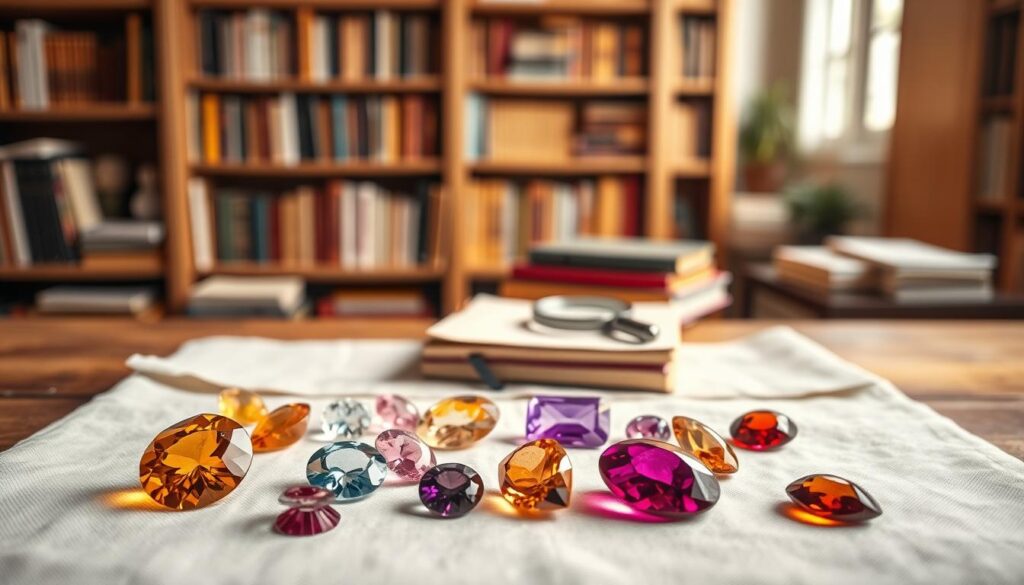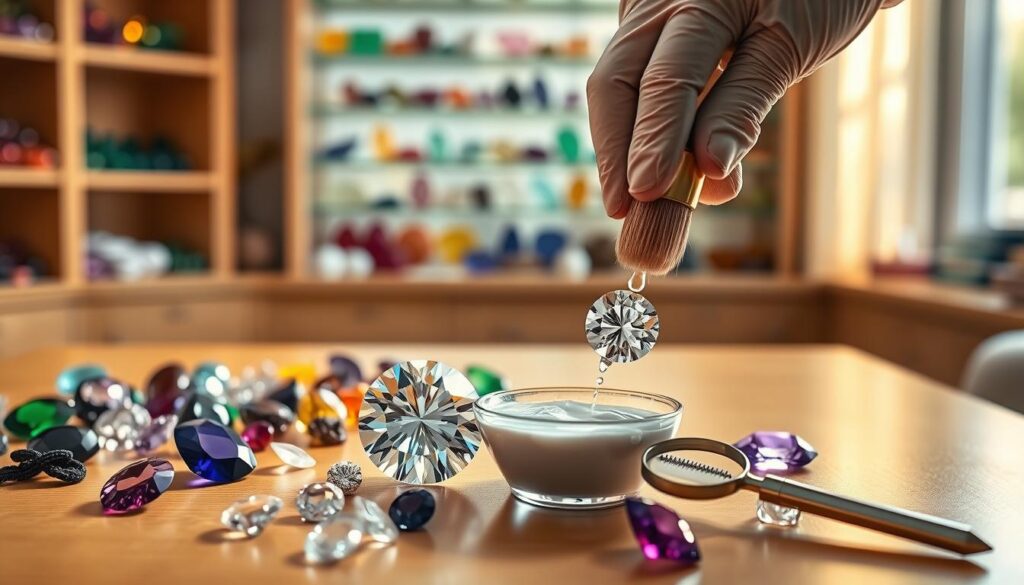
How To Start Gemstone Collecting As A Beginner opens up a world of natural beauty and potential investment opportunities. Many people discover that collecting gemstones becomes both a rewarding hobby and a way to build valuable assets over time.
Starting your gemstone collection doesn’t require extensive knowledge or large amounts of money upfront. With the right approach, you can begin building a meaningful collection while learning about geology, market values, and the fascinating stories behind each stone.
TL;DR
- Start with a $50-100 budget to buy 3-5 beginner-friendly stones like amethyst, citrine, or garnet from reputable dealers.
- Learn the 4 Cs (color, clarity, cut, carat) which determine gemstone quality and market value across all stone types.
- Join local gem and mineral clubs where membership typically costs $20-40 annually and provides access to shows, field trips, and expert knowledge.
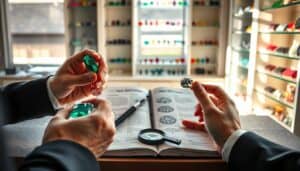
- Use a jeweler’s loupe (10x magnification) and gemstone identification guide to properly examine and catalog your collection from day one.
How To Start Gemstone Collecting As A Beginner
Gemstone collecting begins with understanding what draws you to this hobby. Some collectors focus on beautiful specimens for display, while others seek investment-grade stones that appreciate in value over time.
Your collecting goals will shape every decision from budget allocation to storage methods. Take time to research different gemstone types and decide whether you want to specialize in one variety or build a diverse collection.
Essential Tools and Equipment
Every gemstone collector needs basic tools to properly examine and store their specimens. These tools help you identify stones, assess quality, and maintain your collection over time.
- Jeweler’s Loupe – 10x magnification reveals inclusions, fractures, and surface details that determine authenticity and value.
- Digital Scale – Precise weight measurements in carats help with identification and valuation.
- Hardness Testing Kit – Contains picks and reference materials to test scratch resistance using the Mohs scale.
- UV Light – Many gemstones show fluorescence under ultraviolet light, aiding in identification.
- Storage Solutions – Gem jars, display cases, and padded containers protect your specimens from damage.
Understanding Gemstone Quality
The four Cs – color, clarity, cut, and carat weight – form the foundation of gemstone evaluation. Understanding how gemstone quality is graded helps you assess quality and make informed purchasing decisions regardless of stone type.
Color Assessment
Color affects value more than any other factor in most gemstones. Look for stones with rich, even saturation and minimal color zoning or patches of different hues.
Clarity Evaluation
Clarity refers to internal inclusions and external blemishes visible under magnification. While some inclusions add character and prove natural origin, excessive flaws reduce both beauty and value.
Cut Quality
Well-cut gemstones maximize brilliance and color while minimizing visible flaws. Poor cutting can make even high-quality rough material appear dull or lifeless.
Start Small and Learn
Buy inexpensive specimens first to practice identification and evaluation skills. You’ll make mistakes early on, so better to learn with $10 stones than $100 ones.
Best Gemstones for Beginners
Certain gemstones offer excellent starting points due to their availability, affordability, and distinct characteristics. These best stones for new collectors help develop identification skills without major financial risk.
- Amethyst – Purple quartz variety that’s affordable, widely available, and shows clear crystal structure.
- Citrine – Yellow to orange quartz that teaches color grading and heat treatment identification.
- Garnet – Comes in multiple colors and crystal forms, excellent for learning mineral families.
- Rose Quartz – Pink variety demonstrates how inclusions affect transparency and value.
- Smoky Quartz – Brown to black coloration shows natural irradiation effects in crystals.
Where to Buy Gemstones
Finding reputable dealers protects you from treated stones sold as natural, synthetic gems passed off as natural, or misidentified specimens. Knowing where collectors find gemstones helps you build relationships with trustworthy sources who provide accurate information about their inventory.
Local Gem Shows
Gem and mineral shows offer hands-on examination opportunities and direct dealer interaction. You can compare prices, ask questions, and often negotiate better deals than online purchases.
Established Dealers
Reputable gemstone dealers provide certificates, return policies, and detailed specimen information. They stake their reputation on accurate descriptions and fair pricing.
Rock Shops and Museums
Local rock shops often carry beginner-friendly specimens with educational information. Museum gift shops typically stock authentic, well-labeled examples perfect for learning.
Building Your Knowledge Base
Successful gemstone collecting requires continuous learning about geology, market trends, and identification techniques. Multiple resources help build the expertise needed for smart collecting decisions.
- Join collecting clubs. Local gem and mineral societies provide expert mentorship, field trip opportunities, and access to specialized equipment.
- Read reference books. Comprehensive guides cover identification methods, geological formation, and market information for different stone types.
- Take online courses. Gemology institutes offer structured learning programs covering everything from basic identification to advanced grading techniques.
- Attend workshops. Hands-on learning experiences teach practical skills like faceting, cabochon cutting, and jewelry setting.
Storage and Display Options
Proper storage protects your investment while allowing easy access for study and enjoyment. Learning how to store and protect gemstones at home ensures different storage methods suit various collection sizes, budgets, and display preferences.
- Gem Jars – Clear containers with foam padding protect individual specimens while allowing full visibility.
- Display Cases – Glass-front cabinets showcase collections while preventing dust accumulation and handling damage.
- Storage Boxes – Compartmentalized containers organize specimens by type, size, or acquisition date.
- Digital Catalogs – Photograph each specimen with detailed information for insurance purposes and collection management.
Frequently Asked Questions
How much money do I need to start gemstone collecting?
You can start gemstone collecting with $50-100 for basic tools and a few specimens. Many affordable gemstones that are still collectible cost $5-20 each, making it accessible for most budgets.
What’s the difference between natural and synthetic gemstones?
Natural gemstones form in the earth over millions of years, while synthetic stones are created in laboratories with identical chemical properties. Both have value, but natural stones typically command higher prices.
Should I focus on one type of gemstone or collect variety?
Beginners benefit from collecting variety to learn identification skills and discover personal preferences. Specializing in one type can come later as expertise develops.
How do I know if a gemstone is authentic?
Learn basic testing methods like hardness testing, specific gravity measurement, and inclusion examination. When in doubt, consult certified gemologists or use professional identification services.
Final Thoughts
How To Start Gemstone Collecting As A Beginner becomes much easier when you focus on learning rather than acquiring expensive specimens right away. The knowledge you gain through careful study and hands-on experience will serve you throughout your collecting journey.
Start with affordable stones this week and join a local collecting club to connect with experienced collectors who can guide your learning process.