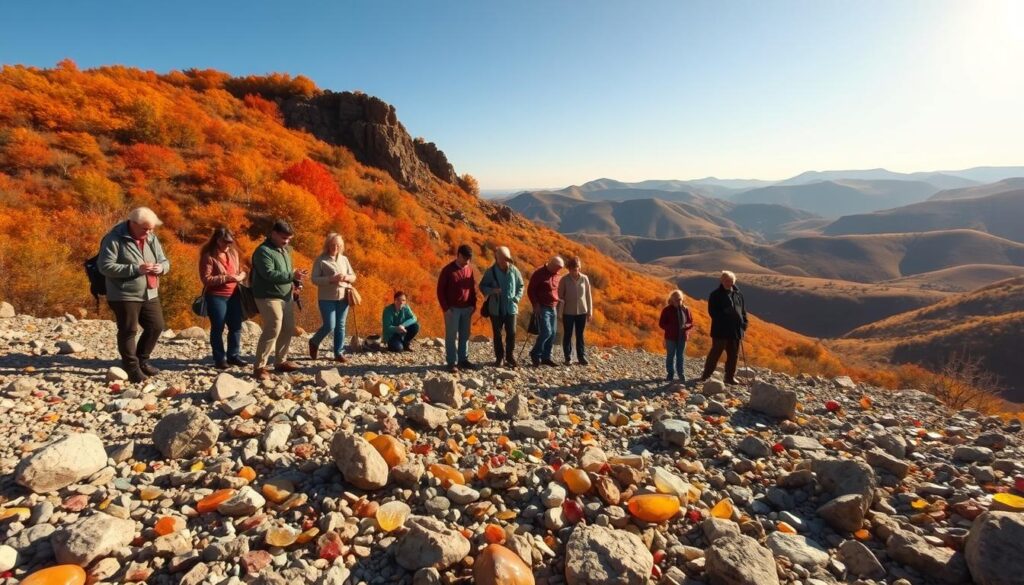
States With The Best Rockhounding Opportunities offer incredible diversity for mineral collectors and geology enthusiasts across America. From Montana’s sapphire fields to Arkansas’s diamond crater, certain states stand out as prime destinations for finding valuable specimens.
Each state brings unique geological formations that have created distinct collecting opportunities over millions of years. Whether you’re searching for precious gems, rare minerals, or fossils, these locations provide both beginner-friendly sites and challenging terrain for experienced rockhounds.
TL;DR
- Montana produces over 90% of North American sapphires, with public mining areas yielding gems worth $50-500 per carat.
- Arkansas’s Crater of Diamonds State Park is the only diamond-producing site open to the public, where visitors find 2-3 diamonds daily on average.
- Arizona contains over 200 known mineral species, including turquoise deposits that supply 70% of the world’s jewelry-grade stones.
- North Carolina’s Cowee Valley has produced emeralds for over 150 years, with some specimens selling for $10,000+ per carat.
States With The Best Rockhounding Opportunities
Montana leads the nation for sapphire hunting, with the Yogo Gulch area producing some of the world’s finest cornflower blue specimens. The Rock Creek Sapphire Area near Philipsburg allows visitors to dig for sapphires in glacial gravel, where finds often include yellow, green, and blue stones.
Arkansas offers the unique Crater of Diamonds State Park, where visitors keep whatever diamonds they find. This 37-acre plowed field has yielded over 75,000 diamonds since opening to the public, including the 40.23-carat Uncle Sam diamond discovered in 1924.
Western States for Mineral Collecting
Arizona ranks as a top destination with over 200 different mineral species found throughout the state. The Sleeping Beauty Mine near Globe produces world-class turquoise, while the Four Peaks area yields amethyst crystals in distinctive deep purple shades.
California’s diverse geology offers everything from gold in the Sierra Nevada foothills to rare benitoite gems in San Benito County. The state’s desert regions contain abundant jasper, agate, and obsidian collecting sites accessible year-round.
Nevada’s Mineral Wealth
Nevada produces more gold than any other state and offers excellent collecting for turquoise, opals, and garnets. The Virgin Valley area contains precious fire opals, while the Lovelock area yields beautiful blue turquoise specimens.
Colorado’s High-Altitude Finds
Colorado’s Rocky Mountain geology creates ideal conditions for aquamarine, topaz, and amazonite. The Mount Antero area above 14,000 feet elevation produces some of North America’s finest aquamarine crystals, though collecting requires serious mountain climbing skills.
Eastern Rockhounding Destinations
North Carolina’s western mountains contain the richest gem deposits east of the Rockies. The Franklin area offers numerous commercial mines where visitors can find sapphires, rubies, and garnets for modest fees ranging from $10-50 per bucket.
Maine produces world-class tourmaline specimens, particularly in the Oxford County area. The state’s pegmatite formations yield pink, green, and watermelon tourmaline crystals highly prized by collectors and gem cutters.
Georgia’s Fossil Sites
Georgia offers excellent fossil collecting along the coastal plain, where shark teeth dating back millions of years wash up regularly. The state also produces beautiful quartz crystals and gold in the northern mountain regions.
Research Before You Go
Always verify land ownership and obtain permission before collecting on private property. Many of the best sites require advance planning and proper equipment for safe access.
Midwestern Collecting Opportunities
Michigan’s Upper Peninsula contains some of North America’s best copper specimen localities. The Keweenaw Peninsula produces native copper pieces weighing hundreds of pounds, along with beautiful silver and calcite specimens.
Wisconsin offers excellent collecting for Lake Superior agates along its northern shoreline. The state’s limestone quarries also yield stunning calcite and fluorite crystals in cavities and vugs.
Iowa’s Geode Fields
Iowa’s southeastern region contains the world’s most productive geode fields. These hollow rock formations lined with quartz crystals weather out of limestone formations, creating easy collecting along creek beds and farm fields.
Planning Your Rockhounding Adventures
Each state offers different peak collecting seasons based on weather and access conditions. Western desert areas work best from October through April, while mountain locations typically open from June through September.
Research local geology and target species before traveling to maximize your success rate. Many states offer guidebooks and maps showing public collecting areas, fee sites, and seasonal restrictions.
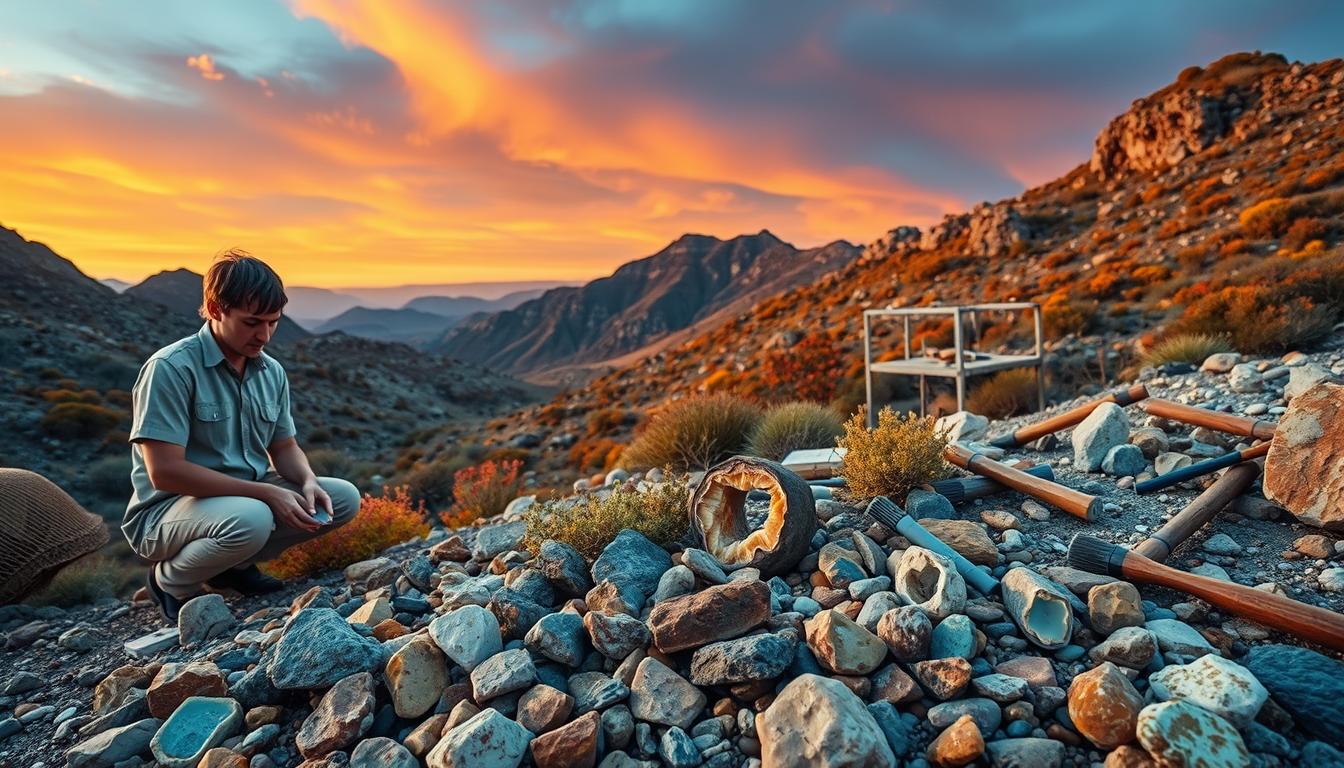
- Equipment needs – Basic tools include rock hammers, chisels, safety glasses, and collection bags
- Access requirements – Some sites require permits, fees, or advance reservations
- Safety considerations – Mountain and desert collecting requires proper preparation and emergency supplies
- Legal aspects – Always respect private property and follow local collecting regulations
Frequently Asked Questions
Which state produces the most valuable gems?
Montana leads in valuable gem production, particularly for sapphires worth hundreds to thousands of dollars per carat. Arkansas also ranks highly due to its diamond-producing sites.
Do I need permission to collect rocks on public land?
Most public lands allow casual rock collecting for personal use, but check specific regulations as some areas restrict or prohibit collecting. National parks generally prohibit all collecting.
What’s the best time of year for rockhounding?
Spring and fall offer ideal conditions in most regions, with moderate temperatures and good visibility. Desert areas work best in winter months, while mountain sites open during summer.
Can beginners find valuable specimens?
Yes, many valuable finds come from beginner collectors who visit productive areas like Arkansas diamonds or Montana sapphires. Success often depends more on persistence than experience, and knowing how to identify potentially valuable specimens helps maximize your chances.
Final Thoughts
States With The Best Rockhounding Opportunities offer something for every collector, from weekend hobbyists to serious mineral dealers. The key lies in matching your interests and skill level with the right locations and seasons.
Start with your nearest productive state and gradually expand your collecting range as you gain experience and equipment. Each successful trip builds knowledge that makes future adventures more rewarding, especially if you learn to identify common rocks and minerals in the field and avoid typical beginner mistakes.