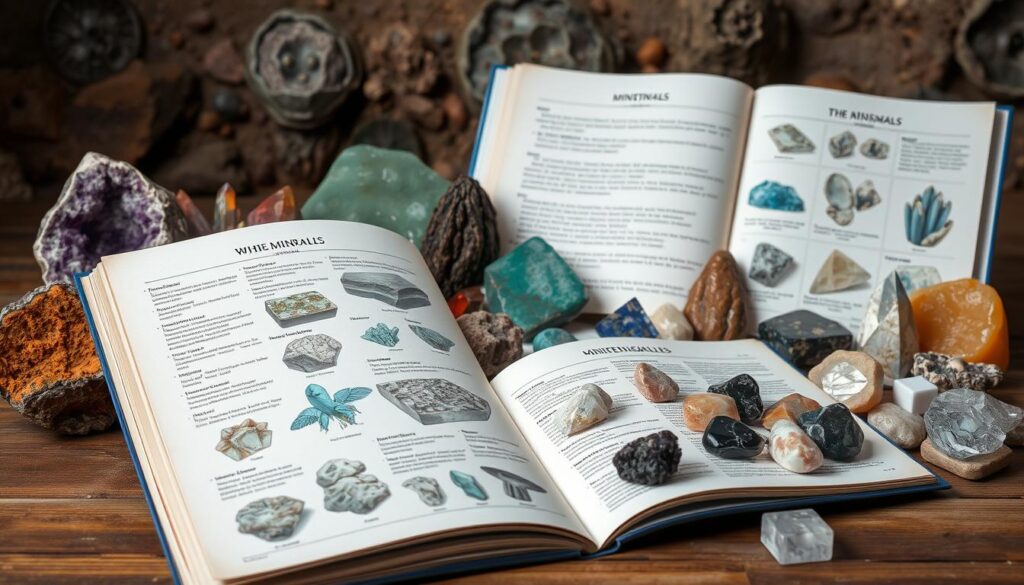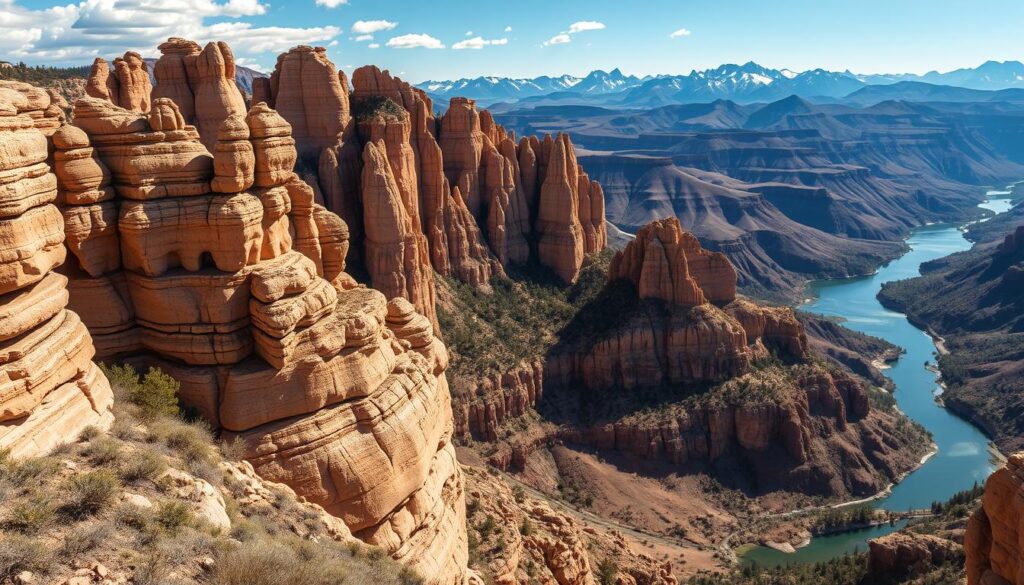
Earth’s Treasures Guide reveals the incredible diversity of minerals, crystals, and gemstones hidden beneath our planet’s surface. From glittering diamonds formed deep in the mantle to colorful agates created in ancient volcanic bubbles, our planet holds an amazing array of natural treasures waiting to be discovered.
Understanding these geological wonders helps collectors appreciate both their beauty and scientific importance. Each specimen tells a unique story about the forces that shaped our world over millions of years.
TL;DR
- Over 4,000 different minerals have been identified on Earth, with new species discovered regularly by scientists and collectors.
- Metamorphic rocks produce 60% of the world’s most valuable gemstones through heat and pressure over millions of years.
- Volcanic activity creates prime collecting areas, with 80% of quality crystals found within 50 miles of ancient volcanic sites.
- Sedimentary environments yield fossils and unique minerals, with limestone caves producing calcite formations up to 10,000 years old.
Earth’s Treasures Guide: Understanding Natural Formation
The formation of Earth’s treasures begins deep underground where extreme conditions create the perfect environment for mineral growth. Heat, pressure, and chemical reactions work together over vast periods to produce the specimens collectors prize today.
Three main geological processes create different types of treasures. Igneous activity forms crystals as molten rock cools, metamorphic processes transform existing minerals under pressure, and sedimentary environments preserve organic materials and create unique formations.
Igneous Treasures
Volcanic and plutonic rocks produce some of the most spectacular specimens found by collectors. As magma cools at different rates, various crystal sizes and formations develop naturally.
- Quartz varieties – amethyst, citrine, and smoky quartz form in gas pockets within cooling lava flows.
- Feldspar crystals – moonstone and amazonite develop in granite formations over millions of years.
- Mica specimens – muscovite and biotite create perfect sheets in pegmatite veins.
- Tourmaline – forms in boron-rich granite environments, creating rainbow-colored crystals.
Metamorphic Gems
When existing rocks undergo intense heat and pressure, they transform into entirely new minerals with different properties and appearances. How metamorphic rocks produce crystals explains this fascinating process in detail.
- Garnet – develops in schist and gneiss formations under regional metamorphism.
- Staurolite – creates distinctive cross-shaped twins in metamorphic zones.
- Kyanite – forms blade-like crystals in high-pressure environments.
- Sillimanite – develops fibrous crystals at extreme temperatures.
Regional Treasure Hunting Opportunities
Different geographical regions offer unique collecting opportunities based on their geological history. Understanding local geology helps collectors target the most productive areas for specific types of specimens.
The American West provides excellent volcanic specimens, while the Appalachian region offers world-class metamorphic minerals. Each state has its own geological signature that creates distinct collecting opportunities.
Western States
Volcanic activity and mining history make western states prime territory for crystal collectors. Active geological processes continue to expose new specimens regularly.
- California – offers tourmaline, benitoite, and jade in diverse geological settings.
- Montana – produces sapphires, garnets, and agates from various formations.
- Colorado – features amazonite, aquamarine, and topaz in pegmatite deposits.
- Washington – yields petrified wood, agates, and volcanic specimens.
Colorado gemstones and Montana gemstones provide detailed guides for collectors interested in these productive regions.
Eastern Regions
Ancient mountain building events created diverse mineral deposits throughout eastern states. Metamorphic processes produced many rare and beautiful specimens over hundreds of millions of years.
- North Carolina – emeralds, rubies, and sapphires from the Appalachian belt.
- Virginia – amazonite, unakite, and staurolite from metamorphic zones.
- Maine – tourmaline, beryl, and rose quartz from pegmatite bodies.
- New York – herkimer diamonds and calcite from sedimentary formations.
Start Local
Begin collecting in your home state to learn basic identification skills before traveling to distant locations. Local geology clubs often organize group trips to productive sites.
Identification and Quality Assessment
Learning to identify and evaluate specimens requires understanding basic mineral properties and formation characteristics. Simple field tests help distinguish between similar-looking minerals without expensive equipment.
Quality factors include crystal clarity, color saturation, size, and structural integrity. Professional collectors focus on specimens that display exceptional characteristics in multiple categories.
Basic Identification Methods
Field identification techniques help collectors make accurate determinations using simple tools and observations.
- Hardness testing. Use the Mohs scale to determine relative hardness through scratch tests.
- Color analysis. Note both body color and streak color on unglazed ceramic.
- Crystal habit. Observe growth patterns and crystal face development.
- Specific gravity. Estimate density by comparing weight to size.
- Luster examination. Identify metallic, vitreous, or other surface characteristics.
Quality Grading Factors
Understanding what makes one specimen more valuable than another helps collectors make informed decisions about purchases and trades. Quality grading systems provide standardized methods for evaluation.
- Clarity – transparency and internal inclusion patterns affect value significantly.
- Color – intensity, saturation, and evenness determine aesthetic appeal.
- Cut quality – precision and proportion in finished gemstones.
- Carat weight – larger specimens command higher prices when quality remains constant.
Building Your Collection Strategy
Successful collecting requires a focused approach rather than randomly acquiring specimens. Developing expertise in specific mineral groups or geographical regions creates more valuable and coherent collections over time.
Smart collectors research market trends, attend shows regularly, and network with other enthusiasts to find the best specimens. Building valuable collections requires patience and knowledge rather than just financial resources.
Collection Themes
Choosing a specific focus helps guide purchasing decisions and creates more meaningful displays. Popular collection themes include mineral families, geographic regions, or crystal habits.
- Systematic collecting – one specimen from each mineral group or crystal system.
- Geographic focus – minerals from specific states, countries, or mining districts.
- Aesthetic specimens – prioritizing beauty and display quality over scientific completeness.
- Investment quality – focusing on museum-grade specimens with strong market demand.
Essential Tools and Equipment
Basic equipment makes field collecting more productive and helps preserve specimens properly. Essential collecting tools don’t require massive investment but significantly improve results.
- Safety equipment. Hard hat, safety glasses, and sturdy boots protect against hazards.
- Collection tools. Rock hammer, chisels, and collection bags for specimen extraction.
- Identification aids. Magnifying glass, hardness picks, and field guides.
- Preservation supplies. Tissue paper, boxes, and labels for proper specimen storage.
Frequently Asked Questions
What are the most common treasures found by beginner collectors?
Quartz varieties, calcite, and pyrite are the most frequently discovered specimens because they form in many different geological environments and are relatively easy to identify.
How do I know if a specimen has scientific or monetary value?
Research similar specimens sold at auction, consult price guides, and have unusual finds evaluated by qualified gemologists or mineral dealers.
What geological conditions create the highest quality crystals?
Slow cooling in stable environments with minimal disturbance produces the largest, most perfect crystals, typically found in pegmatites and deep underground cavities.
Are there legal restrictions on collecting Earth’s treasures?
Yes, always obtain permission on private land and follow regulations on public lands, as many areas prohibit collecting or require special permits.
How should beginners start learning about mineral identification?
Join local geology clubs, attend mineral shows, and practice with common specimens before advancing to rare or valuable materials.
Final Thoughts
Earth’s Treasures Guide opens the door to understanding our planet’s incredible mineral diversity and the geological processes that create natural wonders. Whether you’re interested in scientific study, aesthetic beauty, or investment potential, the world of minerals offers endless opportunities for discovery and learning.
Start with local collecting areas and basic identification skills, then gradually expand your knowledge and collection focus as experience grows.