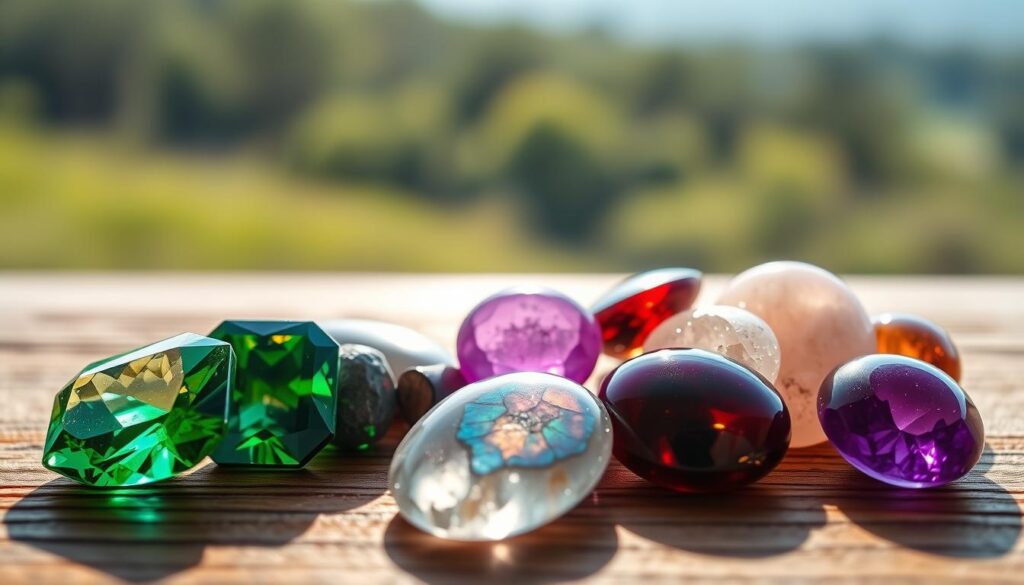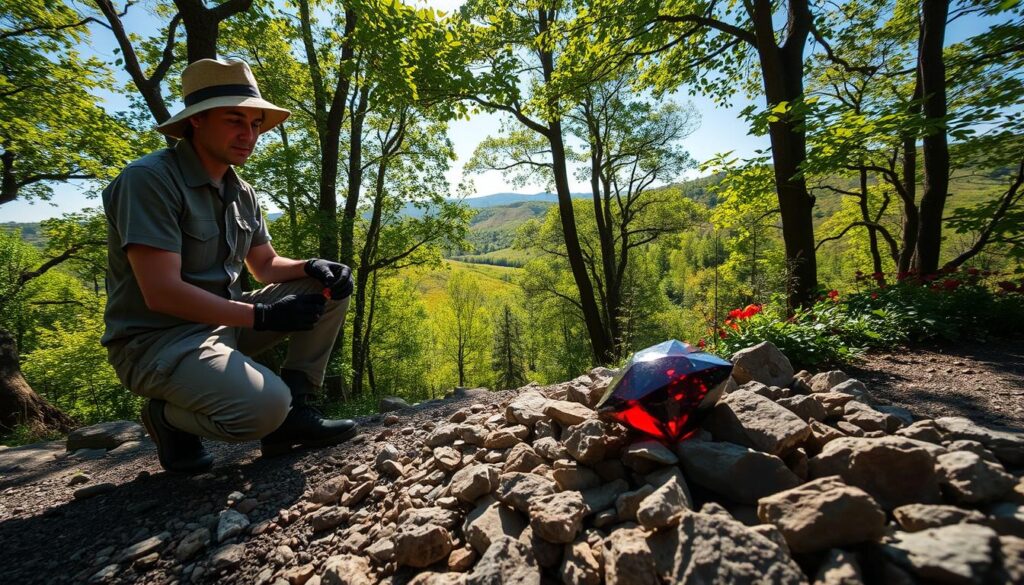
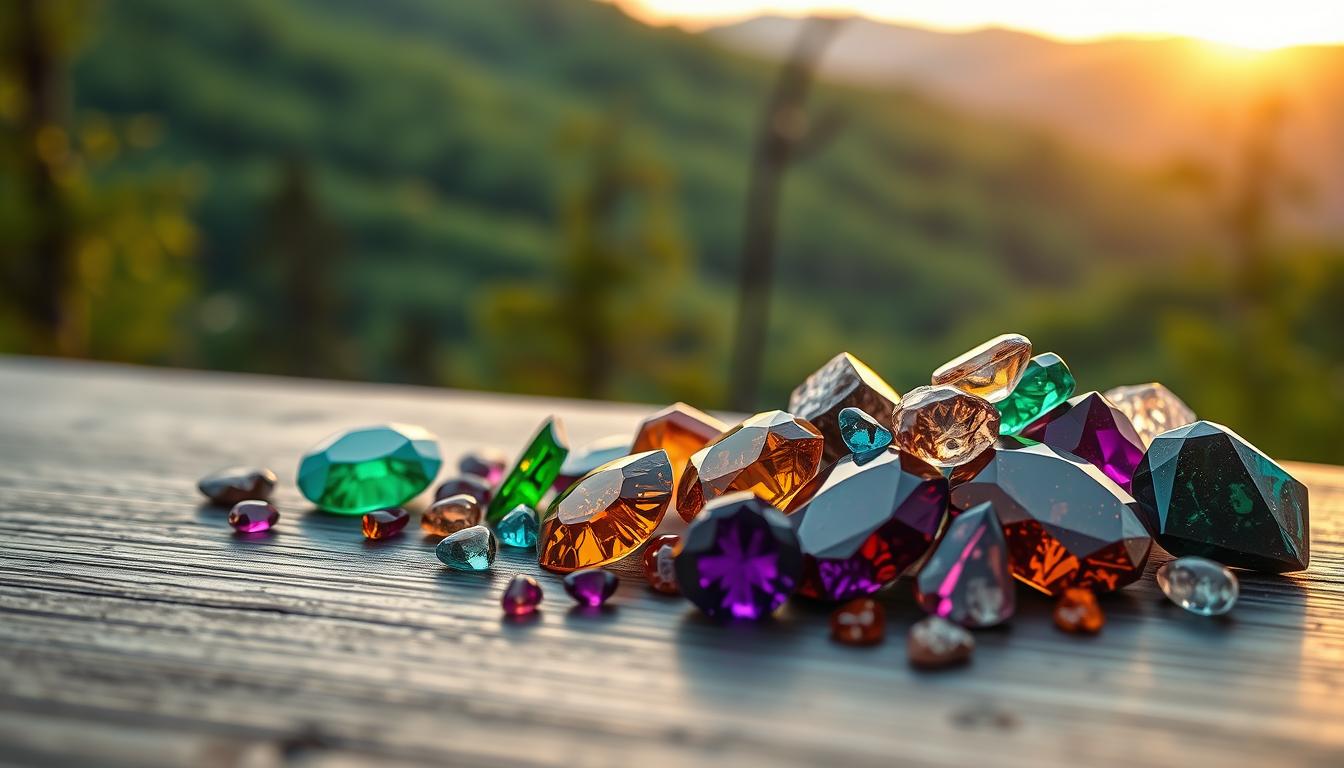
Common Gemstones Found In Maryland represent some of the most accessible treasures for rockhounds exploring the Mid-Atlantic region. The state’s rich geological history has created perfect conditions for finding everything from brilliant quartz crystals to deep red garnets.
Maryland’s varied landscape – from the ancient Piedmont Plateau to the Appalachian Mountains – offers rockhounds multiple environments where gemstones have formed over millions of years. Whether you’re a weekend hobbyist or serious collector, the state provides excellent opportunities to discover beautiful specimens similar to those found in neighboring Virginia and West Virginia.
TL;DR
- Maryland hosts over 15 different gemstone varieties including quartz, garnet, beryl, and topaz across 3 major geological provinces.
- The Piedmont Plateau contains rocks up to 1.1 billion years old, making it prime territory for ancient gemstone formations.
- Spring and fall offer the best rockhounding conditions with mild temperatures and clear access to collection sites.
- Private property requires landowner permission while public lands need permits from Maryland Department of Natural Resources.
Common Gemstones Found In Maryland
Maryland’s gemstone diversity stems from its position across three distinct geological provinces. Each province contributes unique minerals and formation processes that create different types of gemstones.
The state’s geological timeline spans over a billion years, during which igneous intrusions, metamorphic processes, and sedimentary deposits have all played roles in gemstone formation. This long history explains why collectors can find such variety in a relatively small area.
Quartz Varieties
Quartz dominates Maryland’s gemstone landscape and appears in numerous forms throughout the state. These varieties form in different geological environments, giving each type distinct characteristics much like the diverse quartz specimens found in Pennsylvania.
- Amethyst – Purple quartz found mainly in the Piedmont region, often in small crystal clusters.
- Smoky Quartz – Gray to black variety common near granite outcrops in western Maryland.
- Rock Crystal – Clear quartz that forms excellent specimens for collectors and jewelry makers.
- Rose Quartz – Pink variety occasionally found in metamorphic zones.
Garnet Specimens
Maryland garnets typically form in metamorphic rocks where heat and pressure have transformed original minerals. The state produces two main garnet types that collectors seek.
Almandine garnet shows the classic deep red color most people associate with garnets. Spessartine garnet displays orange to reddish-brown hues and often forms better crystal faces than almandine.
Beryl and Topaz Discoveries
These gemstones represent some of Maryland’s more prized finds. Beryl appears in several color varieties, while topaz typically shows colorless to pale yellow crystals.
Both gemstones form in pegmatite veins – coarse-grained igneous rocks that cooled slowly underground. These formations concentrate rare elements needed for beryl and topaz crystallization.
Prime Rockhounding Locations
Maryland offers rockhounds access to productive sites across the state. Each region provides different geological environments and gemstone opportunities.
Western Maryland Sites
The western counties contain some of Maryland’s oldest and most complex geology. These areas experienced multiple mountain-building events that created ideal gemstone formation conditions.
- Sideling Hill – Famous roadcut exposure showing 350 million years of rock layers with fossil and mineral opportunities.
- Dans Mountain State Park – Offers varied geology including metamorphic rocks that host garnet and quartz.
- Catoctin Mountain Park – Contains ancient volcanic rocks with interesting mineral specimens.
Piedmont Plateau Region
Central Maryland’s Piedmont Plateau hosts the state’s oldest rocks and most diverse mineral assemblages. This region produces the widest variety of gemstone types.
The area’s complex metamorphic history created multiple generations of mineral formation. Rockhounds often find several gemstone types in single locations here.
- Patapsco Valley State Park – Multiple rock types along stream exposures yield quartz and garnet specimens.
- Soldiers Delight Natural Environment Area – Unique serpentine geology with unusual mineral associations.
Permission Protocol
Always contact landowners before collecting on private property. Many productive sites require advance permission and may charge small fees.
Lesser-Known Maryland Gemstones
Beyond the common varieties, Maryland produces several gemstones that many rockhounds overlook. These specimens often reward careful searching with unique and valuable finds.
Tourmaline Varieties
Maryland tourmaline occurs in pegmatite formations throughout the Piedmont region. The state produces several tourmaline types that collectors value highly, similar to the exceptional tourmaline specimens found in Maine.
Black tourmaline (schorl) appears most frequently, while green and pink varieties occur less commonly. Some locations yield tourmaline crystals over an inch long with good terminations.
Amazonite and Moonstone
These feldspar minerals form beautiful specimens when found in Maryland. Amazonite shows distinctive blue-green coloration, while moonstone displays the characteristic shimmer effect called adularescence.
Both minerals typically occur in pegmatite veins associated with granite intrusions. Finding quality specimens requires patience and knowledge of the right geological environments.
Rare Mineral Specimens
Maryland occasionally yields rare minerals that serious collectors prize. These finds require expert identification but represent significant discoveries when authenticated.
- Benitoite – Extremely rare blue mineral found in very few locations worldwide.
- Serendibite – Complex borosilicate mineral with beautiful blue to green colors.
- Epidote – Yellow-green mineral forming distinctive crystals in metamorphic rocks.
Essential Rockhounding Equipment
Success in Maryland gemstone hunting depends on having proper tools and safety equipment. The right gear makes collecting more efficient and safer.
Basic Tool Kit
Every Maryland rockhound needs certain essential tools for effective collecting. These items handle most situations encountered in the field.
- Rock hammer. Choose a 16-ounce hammer with chisel edge for breaking rocks and prying specimens.
- Safety glasses. Protect your eyes from rock chips and flying debris during collecting.
- Work gloves. Heavy leather gloves prevent cuts from sharp rock edges and provide better grip.
- Collection bags. Bring various sizes including newspaper for wrapping delicate specimens.
- Magnifying glass. 10x magnification helps identify small crystals and mineral characteristics.
Advanced Equipment
Serious collectors benefit from additional tools that improve specimen recovery and identification. These items enhance the rockhounding experience significantly.
- Chisel set – Various sizes for precise specimen extraction without damage.
- GPS device – Record exact locations of productive sites for return visits.
- Field guides – Maryland-specific mineral guides help with on-site identification.
- First aid kit – Essential for treating minor cuts and injuries in remote locations.
Seasonal Collecting Strategies
Maryland’s climate creates distinct advantages for rockhounding during certain seasons. Understanding these patterns improves collecting success and safety.
Spring offers excellent conditions after winter freeze-thaw cycles have exposed fresh material. Fall provides comfortable temperatures and clear access before leaf cover obscures exposures.
Spring Collecting Benefits
Winter weather breaks apart rocks and exposes new specimens along stream beds and road cuts. Spring rains wash away debris and reveal fresh material for collectors.
Stream collecting works particularly well during spring when water levels expose gravel bars containing transported gemstones. Many of Maryland’s best quartz specimens come from stream environments.
Summer Precautions
Hot Maryland summers require extra safety precautions and early morning collecting schedules. High temperatures make strenuous collecting dangerous during midday hours.
Focus summer collecting on shaded areas like forest exposures or underground mine sites when available. Always bring extra water and take frequent breaks.
Gemstone Identification Techniques
Proper identification ensures you recognize valuable finds and avoid disappointing mistakes. Maryland gemstones show certain characteristics that help distinguish them from similar-looking minerals.
Visual Assessment Methods
Start gemstone identification with careful visual examination using proper lighting. Natural sunlight reveals true colors better than artificial illumination.
Look for crystal faces, fracture patterns, and transparency levels that characterize different gemstone families. Maryland quartz typically shows good crystal development when space permits growth.
Physical Testing
Simple physical tests provide reliable identification data without damaging specimens. These methods work well for most Maryland gemstones using the Mohs hardness scale.
- Hardness testing – Use known materials to determine Mohs scale hardness values.
- Streak testing – Scratch specimens across unglazed ceramic to see powder color.
- Density assessment – Compare specimen weight to size for density clues.
- Luster evaluation – Determine if surfaces show metallic, glassy, or dull luster.
Legal Requirements and Ethics
Maryland rockhounding operates under specific legal frameworks that protect both collectors and property owners. Understanding these rules prevents legal problems and maintains access to collecting sites.
Private property always requires explicit landowner permission before collecting begins. Many productive sites sit on private land where owners may grant access with proper requests.
Public Land Regulations
State and federal lands in Maryland have varying rules for rock and mineral collecting. Some areas prohibit collecting entirely while others allow limited personal use.
Contact the Maryland Department of Natural Resources for current regulations on state-managed lands. National parks generally prohibit collecting while some national forests allow small-scale personal collecting.
Collecting Ethics
Responsible collecting practices ensure continued access to good sites and protect Maryland’s geological heritage. Follow these guidelines for ethical rockhounding.
- Take only what you need. Collect specimens you’ll actually keep rather than accumulating excess material.
- Fill holes and restore sites. Leave areas looking natural for the next visitor.
- Respect private property. Stay within permitted areas and follow all landowner requests.
- Share information responsibly. Help other collectors while protecting sensitive locations from overuse.
Frequently Asked Questions
What are the most valuable gemstones found in Maryland?
High-quality beryl varieties, well-formed tourmaline crystals, and exceptional quartz specimens represent Maryland’s most valuable gemstone finds.
Can I find gemstones in Maryland streams?
Yes, many Maryland streams contain transported gemstones including quartz varieties and garnet that have eroded from upstream sources.
Do I need special permits for rockhounding in Maryland state parks?
Most Maryland state parks prohibit rock collecting, but some allow limited collecting with proper permits from the Department of Natural Resources.
What’s the best time of day for gemstone hunting in Maryland?
Early morning provides the best lighting conditions for spotting gemstones, especially during spring and fall when temperatures are comfortable.
Are there any gem and mineral clubs in Maryland?
Maryland hosts several active rock and mineral clubs that organize group collecting trips, educational programs, and specimen exchanges for members.
Final Thoughts
Common Gemstones Found In Maryland offer excellent opportunities for both beginning and experienced collectors to discover beautiful specimens. The state’s diverse geology creates multiple environments where different gemstone types have formed over geological time.
Start with easily accessible locations like state parks and stream beds to develop your collecting skills and identification abilities before moving to more challenging sites. Consider joining local rock and mineral clubs for guided trips and expert knowledge sharing, and explore gemstone collecting opportunities in nearby North Carolina for even more diverse mineral experiences.