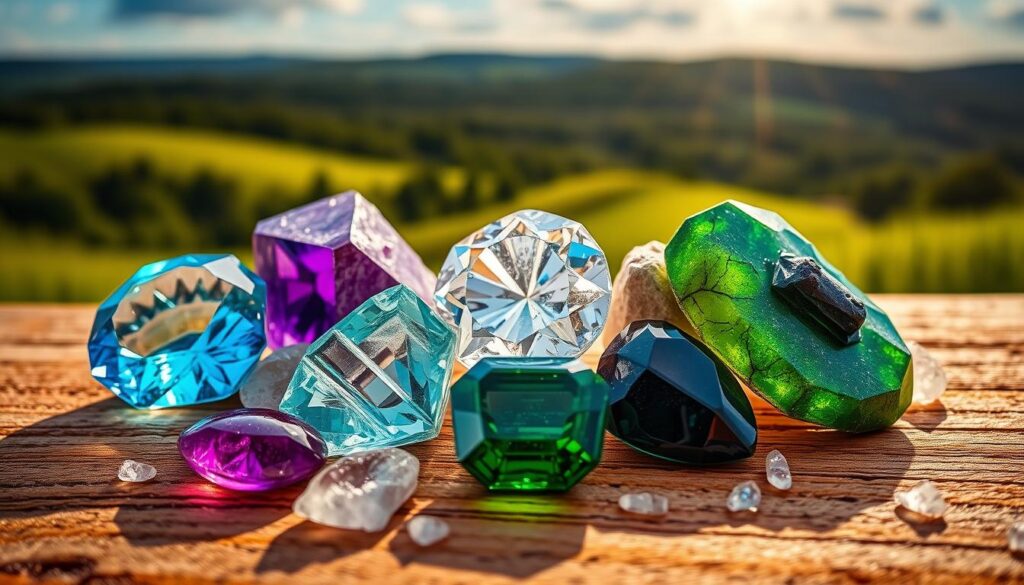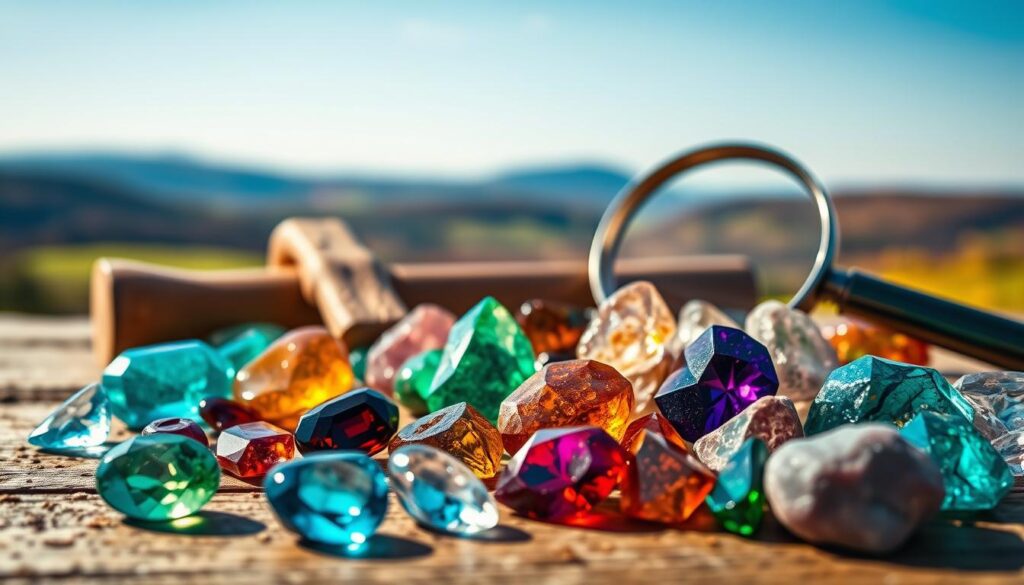
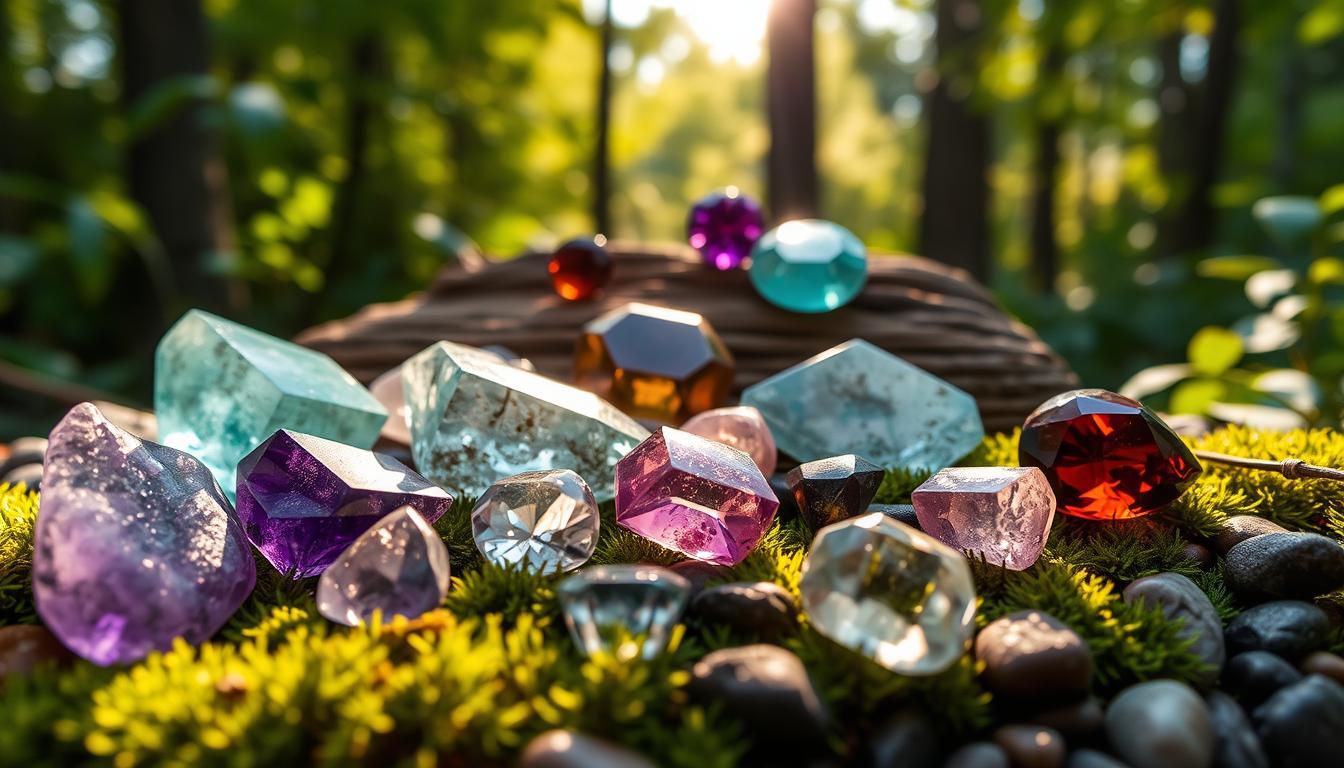
Massachusetts Gemstones offer collectors an amazing chance to discover natural treasures across the state’s diverse landscape. The Bay State’s complex geological history has created perfect conditions for finding everything from brilliant quartz crystals to rare tourmaline specimens.
Rock hounds and mineral enthusiasts flock to Massachusetts because of its rich pegmatite formations and metamorphic deposits. These geological features produce some of the most sought-after gemstones on the East Coast, similar to what collectors find in New Hampshire’s granite formations.
TL;DR
- Massachusetts contains over 15 different types of collectible gemstones including quartz, garnet, tourmaline, and beryl varieties.
- Chester-Blandford State Forest and Cape Ann granite quarries are the top two hunting locations with public access.
- Spring and fall provide the best collecting conditions with temperatures between 50-70°F and clearer ground visibility.
- A basic rock hammer, hand lens, and safety gear cost under $75 and cover all essential collecting needs.
Massachusetts Gemstones and Their Formation
The geological story of Massachusetts spans millions of years of tectonic activity, metamorphism, and igneous intrusions. These processes created the perfect environment for gemstone formation throughout the state.
Pegmatite formations – coarse-grained igneous rocks that crystallize slowly from magma – contain most of the state’s valuable gemstones. These formations appear primarily in western Massachusetts and produce spectacular specimens of tourmaline, beryl, and quartz.
Primary Gemstone Types
Massachusetts produces several categories of collectible gemstones, each with distinct characteristics and locations.
- Quartz varieties – smoky, rose, clear crystal, and amethyst found in granite pegmatites
- Garnet types – almandine and hessonite in metamorphic schist formations
- Tourmaline colors – black, green, pink, and rare blue specimens in western pegmatites
- Beryl specimens – aquamarine and occasional emerald in granite formations
- Secondary minerals – prehnite, datolite, and babingtonite in quarry locations
Best Collecting Locations
Several areas across Massachusetts offer excellent gemstone hunting opportunities for collectors of all skill levels. Each location presents unique geological features and gemstone types.
Chester-Blandford State Forest
This state forest ranks as the top gemstone hunting destination in Massachusetts. The area contains multiple pegmatite exposures and abandoned quarry sites that produce quality specimens.
Collectors regularly find datolite, babingtonite, and prehnite in the forest’s quarry areas. The nearby Hampden Quarry in West Springfield remains a prime location for identifying rare mineral specimens including babingtonite crystals.
Cape Ann Granite Region
The Cape Ann area offers collectors access to historic granite quarries that have produced gemstones for over a century. These coastal locations provide easy access and diverse mineral specimens.
Rockport quarries contain tourmaline, quartz crystals, and occasional beryl specimens. The granite formations here create perfect conditions for pegmatite pockets that hold gemstone treasures.
Public Access Mining Areas
Massachusetts maintains several locations where collectors can hunt for gemstones legally and safely. These areas require basic permits but offer excellent collecting opportunities.
- Obtain permits. Contact Massachusetts Department of Conservation and Recreation for current collecting permits and regulations.
- Check access routes. Verify that roads and trails to collecting sites remain open and safe for vehicles.
- Follow posted rules. Each location has specific guidelines about collecting limits and prohibited activities.
Best Collecting Strategy
Focus on recently exposed rock faces after rain or frost cycles when fresh material becomes visible. These conditions reveal gemstones that weathering has loosened from host rock.
Essential Equipment and Safety
Successful gemstone collecting requires proper tools and safety preparation. The right equipment makes the difference between frustrating searches and productive collecting trips.
Required Tools
- Rock hammer – 16-20 oz weight for breaking rocks safely
- Hand lens – 10x magnification for examining specimens
- Safety glasses – protect eyes from rock chips and debris
- Work gloves – prevent cuts and scrapes while handling rough rocks
- Collection bags – separate specimens by type and location
- Field notebook – record finding locations and specimen details
Safety Considerations
Massachusetts quarries and forest locations present specific hazards that collectors must address. Loose rock, unstable slopes, and changing weather conditions require constant attention.
Always inform someone about your collecting plans and expected return time. Cell phone coverage varies significantly in remote forest areas, making communication difficult during emergencies.
Gemstone Identification Guide
Proper identification helps collectors recognize valuable specimens and avoid common mistakes in the field. Understanding different gem types improves collecting success and specimen value.
Physical Properties to Check
Each gemstone type displays characteristic properties that aid in field identification. These properties remain consistent regardless of specimen size or quality.
| Gemstone | Hardness | Crystal System | Common Colors |
|---|---|---|---|
| Quartz | 7 | Hexagonal | Clear, smoky, rose, purple |
| Garnet | 6.5-7.5 | Isometric | Red, orange, green |
| Tourmaline | 7-7.5 | Hexagonal | Black, green, pink, blue |
| Beryl | 7.5-8 | Hexagonal | Blue, green, yellow, clear |
Simple Field Tests
Basic tests help confirm gemstone identity without specialized equipment. These methods work effectively for most Massachusetts gemstone types.
- Hardness test – scratch unknown specimens against known materials
- Streak test – observe powder color when scratched on ceramic
- Luster examination – note how light reflects from crystal faces
- Crystal habit – identify natural crystal shapes and formations
Legal Requirements and Ethics
Massachusetts gem collecting requires understanding current laws and following ethical collecting practices. These guidelines protect natural resources while allowing responsible collecting activities.
State forests and public lands require collecting permits for most activities. Private property always requires explicit permission from landowners before collecting begins.
Permit Requirements
- Contact forest headquarters. Each state forest maintains different policies about mineral collecting activities.
- Pay required fees. Most permits cost between $10-25 annually and support forest maintenance programs.
- Follow quantity limits. Regulations typically limit collections to personal use amounts, usually under 25 pounds per visit.
Conservation Ethics
Responsible collecting preserves locations for future generations while maintaining positive relationships with landowners. Following ethical crystal mining practices helps keep collecting areas open and accessible.
- Fill holes and clean up debris after collecting
- Stay on designated trails and avoid sensitive areas
- Share location information responsibly with other collectors
- Report any safety hazards to appropriate authorities
Seasonal Collecting Strategies
Massachusetts weather creates different collecting conditions throughout the year. Understanding seasonal advantages helps collectors plan more successful trips.
Spring offers the best overall conditions with mild temperatures and minimal vegetation blocking access to rock exposures. Fall provides similar advantages with clearer visibility after leaves drop.
Spring Collecting (March-May)
Frost heave and spring runoff expose fresh rock surfaces that may contain newly visible gemstones. Temperature fluctuations help break specimens loose from host rock naturally.
Summer Considerations (June-August)
Dense vegetation limits access to many collecting sites during summer months. However, established quarries remain accessible year-round for dedicated collectors.
Fall Opportunities (September-November)
Reduced vegetation and moderate temperatures create ideal collecting conditions. Many collectors consider this the prime season for Massachusetts gemstone hunting, especially for finding specimens similar to what’s available in neighboring Vermont’s mineral deposits.
Winter Limitations (December-February)
Snow and ice make most outdoor collecting sites inaccessible or dangerous. Winter months work better for indoor activities like specimen cleaning and identification.
Frequently Asked Questions
What are the most valuable gemstones found in Massachusetts?
Tourmaline and beryl specimens represent the highest value finds, especially when they show good color and crystal formation. Quality aquamarine and pink tourmaline can be worth hundreds of dollars per specimen.
Do I need special permits to collect in state forests?
Yes, most Massachusetts state forests require collecting permits that cost $10-25 annually. Contact individual forest headquarters for current permit requirements and regulations.
What time of year offers the best collecting conditions?
Spring and fall provide optimal conditions with moderate temperatures, reduced vegetation, and natural weathering that exposes new specimens. Avoid winter collecting due to safety hazards.
Can beginners successfully find gemstones in Massachusetts?
Absolutely – quartz varieties and garnet are common enough for beginners to find with basic equipment and patience. Start with well-known locations like Cape Ann quarries for the best success rates.
How do I identify raw gemstones in the field?
Focus on crystal shape, hardness, and color as primary identification factors. A 10x hand lens helps examine crystal faces and internal structures that confirm gemstone identity.
Are there any safety concerns specific to Massachusetts collecting sites?
Old quarries may have unstable rock faces and deep water hazards. Always wear safety glasses and hard hats in active or abandoned quarry areas, and never collect alone.
Final Thoughts
Massachusetts Gemstones provide collectors with diverse opportunities to find beautiful specimens across the state’s varied geological landscape. From the pegmatite formations of western Massachusetts to the coastal granite quarries of Cape Ann, the Bay State offers something for every collector’s interests and skill level.
Start your collecting journey at Chester-Blandford State Forest or Cape Ann quarries this spring for the best chance of success. Remember to obtain proper permits and follow ethical collecting practices to help preserve these amazing locations for future generations. For collectors interested in expanding their search, Connecticut’s gemstone locations offer additional opportunities just south of the Massachusetts border.