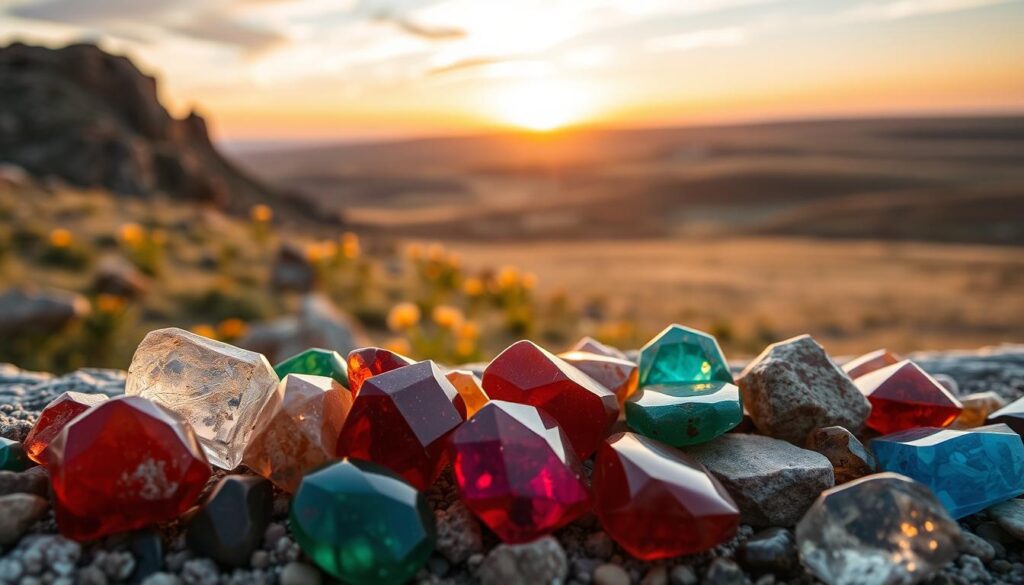
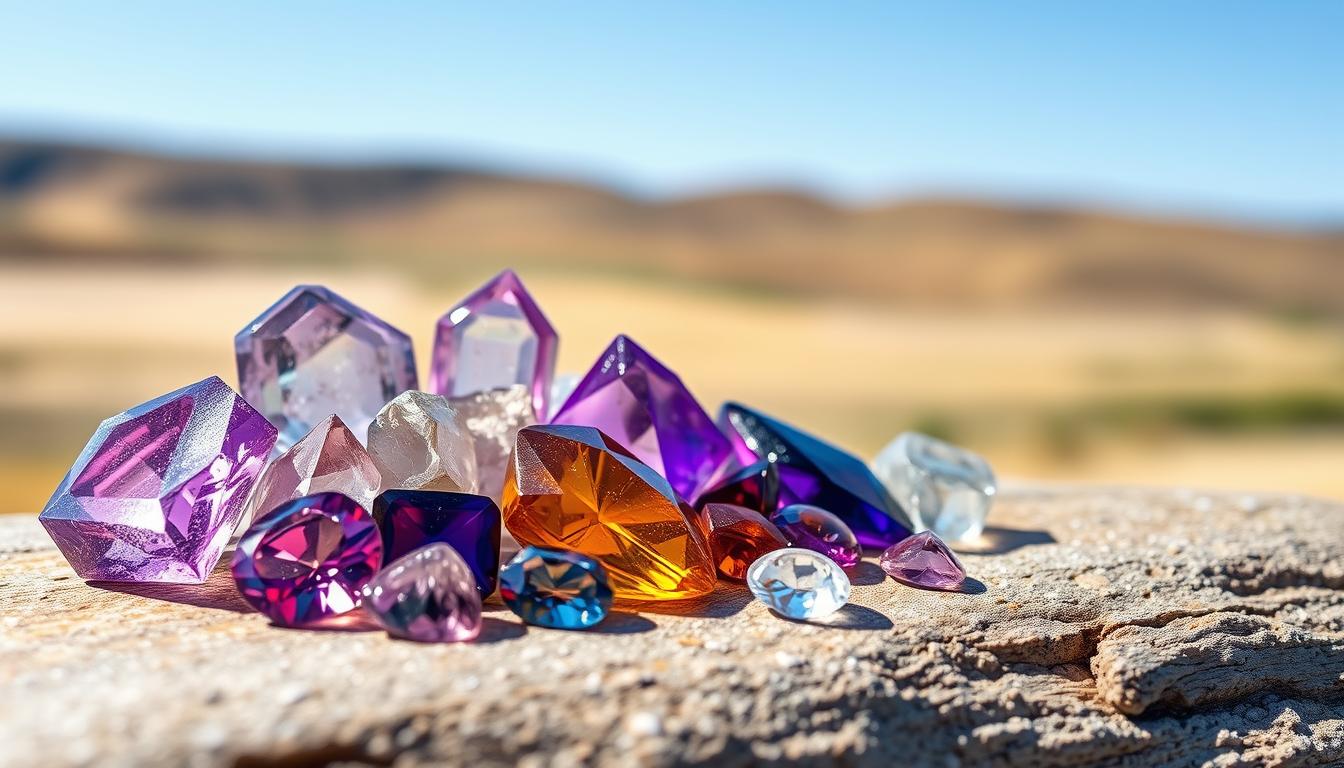
Kansas Gemstones offer an exciting opportunity for rockhounds and collectors to explore the state’s rich geological treasures. The state’s unique landscape, shaped by millions of years of erosion from the Rocky Mountains, has created ideal conditions for gemstone formation across its diverse terrain.
From sparkling quartz varieties to colorful agates and rare topaz deposits, Kansas provides numerous opportunities for both amateur and experienced gem hunters. The state’s geological history spans back to the Precambrian era, creating a foundation that supports an impressive variety of minerals and gemstones throughout different regions.
TL;DR
- Kansas hosts over 15 different gemstone varieties including quartz, agate, jasper, and topaz found in riverbeds and rocky outcrops.
- Eastern Kansas rivers like the Kansas River and Delaware River are prime locations for finding banded agate specimens.
- Topaz deposits in southeastern Kansas rate 8 on the Mohs hardness scale, making them excellent for jewelry applications.
- Public land rockhounding is generally permitted for personal use, but always check local regulations before collecting.
Kansas Gemstones: A Geological Overview
The formation of Kansas gemstones traces back millions of years to when the Rocky Mountains began eroding. Water carried sand, gravel, and minerals eastward, depositing them across what would become Kansas terrain.
This process created the perfect conditions for gemstone formation in sedimentary layers throughout the state. Different geological processes contributed to the variety we see today, from volcanic activity that created quartz crystals to sedimentary processes that formed colorful agates similar to those found in neighboring Nebraska.
Common Gemstone Varieties
Kansas hosts an impressive collection of gemstones that appeal to collectors of all experience levels. The state’s diverse geological formations have produced both common and rare specimens over millions of years.
Quartz Family Gemstones
Quartz represents the most abundant gemstone group found throughout Kansas. These specimens range from clear crystal quartz to colored varieties that showcase the state’s geological diversity.
- Amethyst – Purple quartz found in northeastern Kansas, often in small crystal clusters.
- Smoky Quartz – Dark, translucent specimens discovered in central regions.
- Citrine – Yellow to orange colored quartz that occurs naturally in several locations.
- Clear Quartz – Transparent crystals found in creek beds and rocky outcrops.
Agate and Jasper Deposits
These colorful chalcedony varieties represent some of Kansas’s most sought-after gemstones. River systems and gravel deposits throughout the state contain numerous specimens with unique patterns and colors.
Agate specimens typically display distinctive banded patterns, while jasper varieties showcase solid colors ranging from red and yellow to brown and green. Both types form through silica-rich solutions filling cavities in existing rock formations.
Prime Hunting Locations
Different regions of Kansas offer unique gemstone hunting opportunities based on their specific geological characteristics. Understanding these regional differences helps collectors focus their efforts more effectively.
Eastern Kansas Rivers
The river systems in eastern Kansas provide excellent opportunities for finding water-polished gemstones. Creek beds and gravel bars often contain specimens that have been naturally tumbled and sorted by flowing water.
- Kansas River – Known for agate and jasper specimens, especially near Lawrence.
- Delaware River – Produces quality quartz crystals and colorful chalcedony.
- Big Blue River – Features diverse gemstone deposits including petrified wood fragments.
Central Kansas Formations
Central Kansas offers access to both surface deposits and exposed rock formations where gemstones can be found in their original matrix. This region features more challenging terrain but often produces higher quality specimens.
Igneous and metamorphic rock outcrops in this area frequently contain quartz veins and occasionally yield topaz specimens. Collectors should focus on areas where erosion has exposed bedrock formations.
Western Kansas Sites
Western Kansas specializes in fossilized materials and unique sedimentary gemstones. The area’s geological history includes ancient sea beds that created ideal conditions for fossil formation and mineral replacement processes.
Petrified wood represents the most common find in western regions, with specimens ranging from small fragments to substantial pieces suitable for cutting and polishing. Montana gemstones share similar formation processes with some Kansas specimens.
Best Hunting Strategy
Visit locations after heavy rains when freshly exposed gemstones are easier to spot. Bring a small shovel, collecting bags, and a magnifying glass for proper identification.
Topaz and Rare Specimens
Kansas topaz deposits, though limited, produce some of the state’s most valuable gemstones. These specimens typically occur in southeastern Kansas within specific geological formations that created the right conditions for topaz crystallization.
Topaz Characteristics
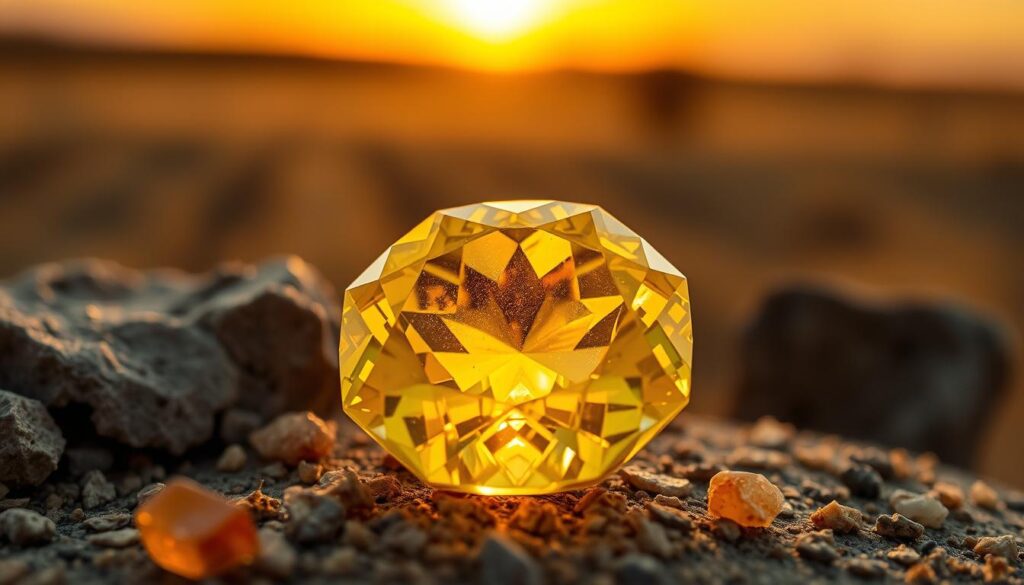
Kansas topaz specimens typically appear colorless to pale yellow, though occasional blue or pink specimens have been reported. The mineral’s exceptional hardness of 8 on the Mohs scale makes it ideal for jewelry applications when properly cut and polished, much like the blue topaz found in Texas deposits.
Most Kansas topaz occurs in association with quartz and feldspar minerals within pegmatite formations. These geological environments created the high-temperature conditions necessary for topaz crystal development.
Other Notable Finds
Beyond common varieties, Kansas occasionally produces rare and unusual gemstone specimens that attract serious collectors. These finds often occur in specific micro-environments within larger geological formations.
- Opal specimens. Usually found as thin veins or nodules within sedimentary rocks.
- Chalcedony varieties. Include botryoidal formations and pseudomorph replacements.
- Septarian nodules. Contain calcite and aragonite crystals within mudstone concretions.
Legal Guidelines and Best Practices
Understanding Kansas regulations ensures responsible collecting while maintaining access to prime gemstone locations. State and federal laws govern collecting activities on different types of land ownership.
Public Land Regulations
Most Kansas public lands allow personal gemstone collecting without permits for small quantities. However, specific parks, wildlife areas, and protected sites may have restrictions or prohibitions on collecting activities.
Always check with local authorities before collecting in Kansas state parks, wildlife management areas, or other government-controlled properties. Some locations require advance permission or charge fees for collecting privileges.
Private Property Considerations
Private land often contains the best gemstone deposits, but requires landowner permission before collecting. Many Kansas farmers and ranchers allow respectful collectors access to their property with proper arrangements.
- Contact landowners – Always ask permission before entering private property.
- Respect boundaries – Stay within agreed areas and avoid damage to crops or structures.
- Follow agreements – Honor any conditions set by property owners regarding collecting.
Equipment and Techniques
Successful gemstone hunting in Kansas requires basic equipment and knowledge of proper collecting techniques. The right tools make the difference between finding quality specimens and returning empty-handed.
Essential Collecting Tools
Basic gemstone hunting equipment doesn’t require significant investment but should include items that help locate, extract, and protect specimens during collection trips.
- Hand tools – Small shovels, picks, and pry bars for extraction work.
- Containers – Sturdy bags or boxes with padding to protect specimens.
- Identification aids – Magnifying glass, hardness testing tools, and field guides.
- Safety equipment – Gloves, eye protection, and first aid supplies.
Field Identification Tips
Learning to identify Kansas gemstones in the field helps collectors focus on quality specimens while avoiding common rocks that resemble gems. Key identification features include hardness, crystal structure, and optical properties.
Most Kansas gemstones exhibit specific characteristics that distinguish them from ordinary rocks. Quartz varieties typically show glassy luster and hexagonal crystal faces, while agate displays distinctive banding patterns when examined closely, similar to specimens found in nearby Missouri and Oklahoma.
Frequently Asked Questions
What are the most common gemstones found in Kansas?
The most common Kansas gemstones include quartz varieties (amethyst, smoky quartz, citrine), agate, jasper, and petrified wood found throughout different regions of the state.
Where can I find topaz in Kansas?
Topaz deposits occur primarily in southeastern Kansas within pegmatite formations, often associated with quartz and feldspar minerals in igneous rock outcrops.
Do I need permits to collect gemstones in Kansas?
Most public lands allow personal collecting without permits, but always check with local authorities as some areas require permission or have collecting restrictions.
What’s the best time to hunt for gemstones in Kansas?
Spring and fall offer ideal conditions with comfortable temperatures and good visibility, while post-rain periods expose fresh specimens in creek beds and road cuts.
Can I collect gemstones on private property in Kansas?
Private property collecting requires landowner permission, but many Kansas property owners allow respectful collectors access with proper arrangements and agreements.
Final Thoughts
Kansas Gemstones provide endless opportunities for collectors to explore the state’s geological treasures while enjoying outdoor adventures. From river-polished agates to crystalline quartz specimens, the state offers something for every collector’s interests and skill level.
Start your Kansas gemstone journey by visiting accessible locations like public river access points and gradually expand to more remote areas as your experience grows. The state’s diverse geological formations ensure that each collecting trip brings new discoveries and learning opportunities.